

What’s It Like To Travel In Qatar? My Honest Review
I had heard about Qatar long before I ever thought of visiting it. I often read or listened about how fast it was modernizing, and how Doha’s skyline looked unreal once the lights came on. I knew about it, I was curious about it, but it was never on my bucket list. It lived somewhere quieter – in the back of my mind.
In my mind, Qatar was always a later trip, something I would visit someday, after places like Spain, Italy, or even Dubai.
That changed unexpectedly while booking a flight to Hungary. I came across a cheaper option with a three-day layover in Doha, and suddenly Qatar stopped being a vague idea and became a decision. I told myself this was the perfect window-enough time to see the city, experience its beaches, walk through its cultural spaces, and form my own opinions.
This trip wasn’t about ticking off attractions; it was about expectations versus reality.
In this post, I’m sharing what traveling to Qatar for the first time was really like for me, what I loved, what I didn’t, and how the reality compared to the expectations I arrived with.
Disclaimer: Affiliate links ahead in this post. Your clicks may earn me a commission at no extra cost to you, which keeps this site online and the ideas coming. Thanks!
First Impressions of Doha: Most people have a wrong image about Qatar
My impression of Doha before arriving mostly came from stories and a novel I had read, Love Comes Later, which is set between Doha and London.
It showed a society shaped by immense wealth but deeply rooted traditions, where modern life exists alongside strong cultural boundaries.
Instead, Doha surprised me, and honestly, more than I expected it to.
Right after landing at Hammad International Airport, Doha, everything looked futuristic, spotless, and carefully designed, rich in a way that felt intentional rather than loud.
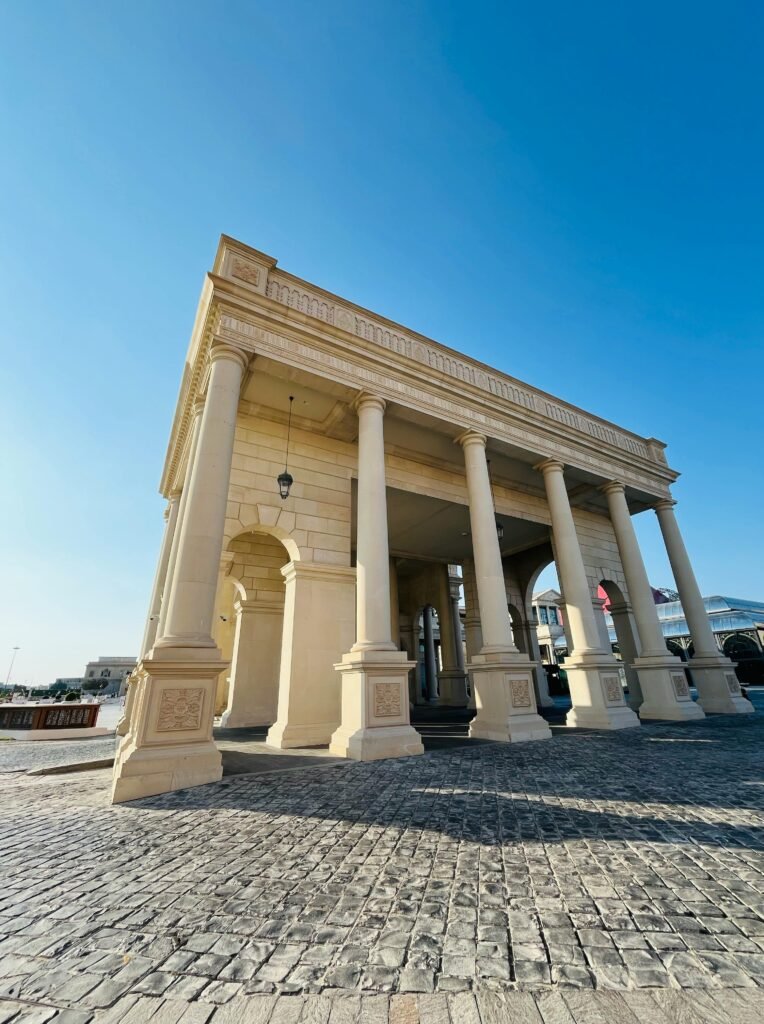
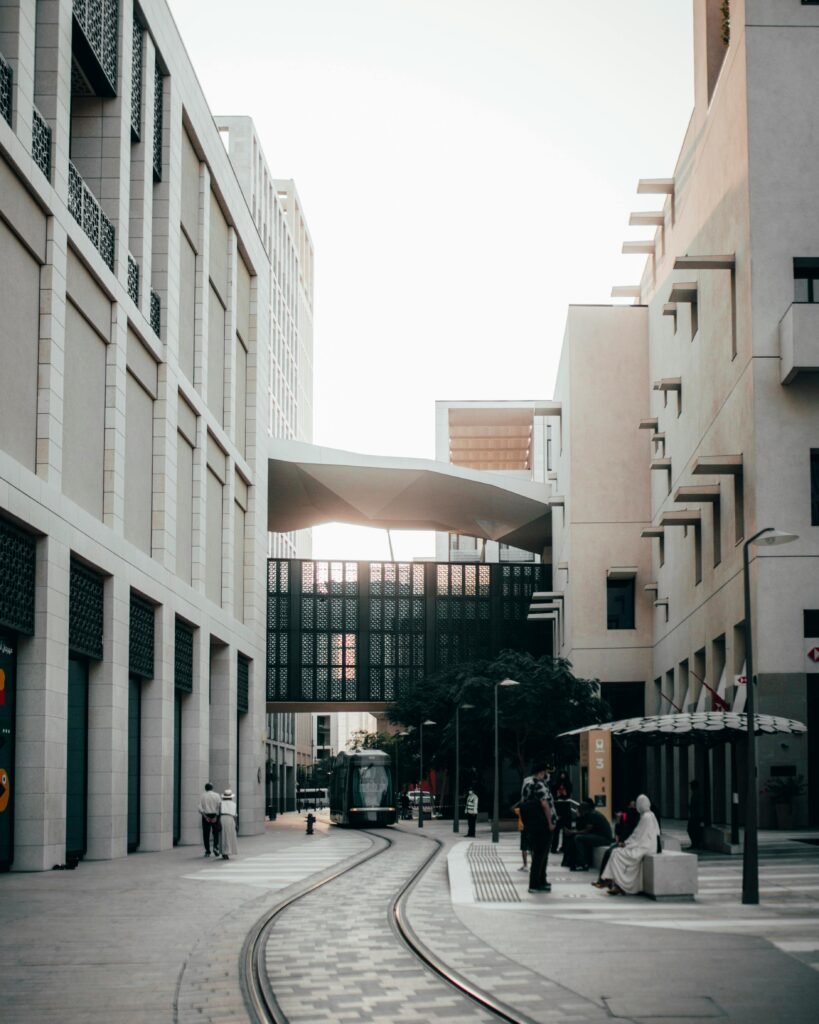
What surprised me the most was how often Doha made me feel like I was walking through two worlds at once. In places like Msheireb Downtown Doha and The Pearl-Qatar, the streets felt almost European.
The architecture is clean, symmetrical, and elegant, and for a moment, it honestly reminded me of walking somewhere in Rome or Paris.
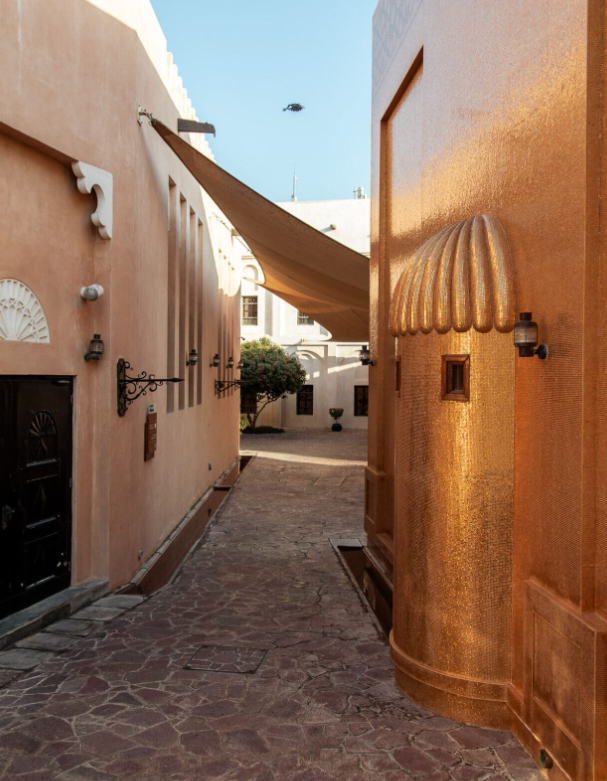
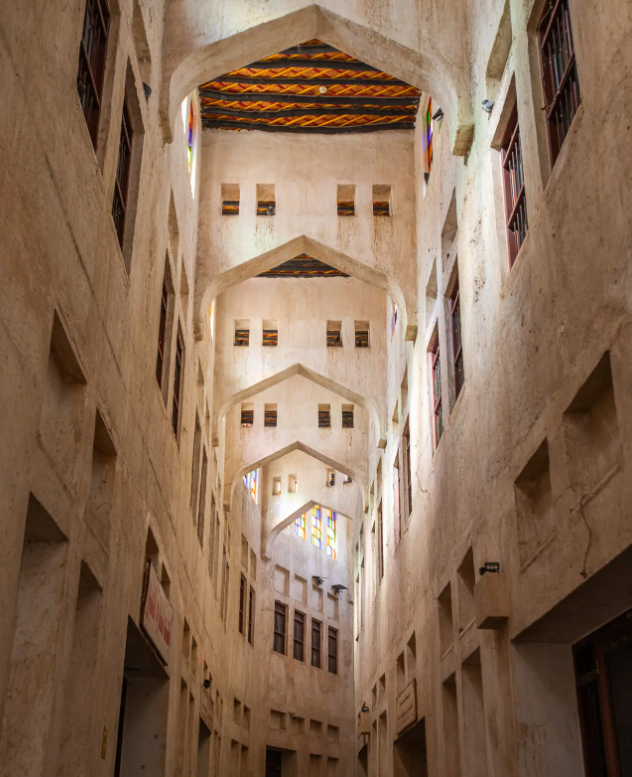
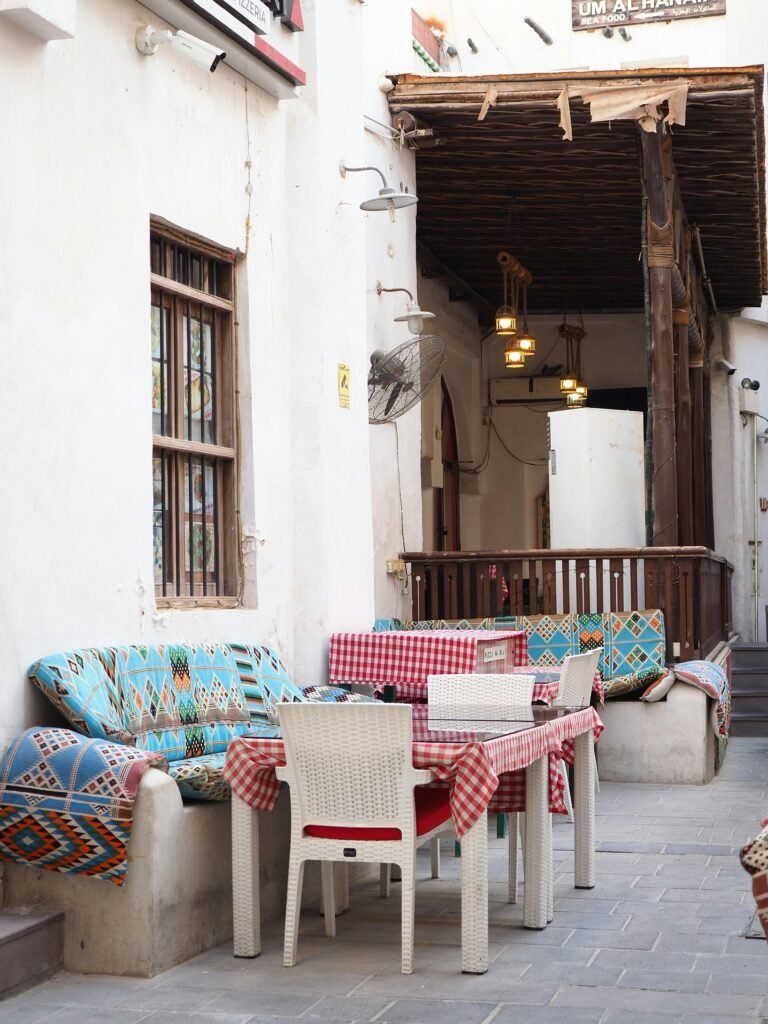
Then I turned a corner, and the feeling completely changed. I found myself in Souq Waqif, surrounded by narrow alleys, Arabic architecture, traditional clothing, spices, and the sound of conversations that instantly grounded me back in the Middle East.
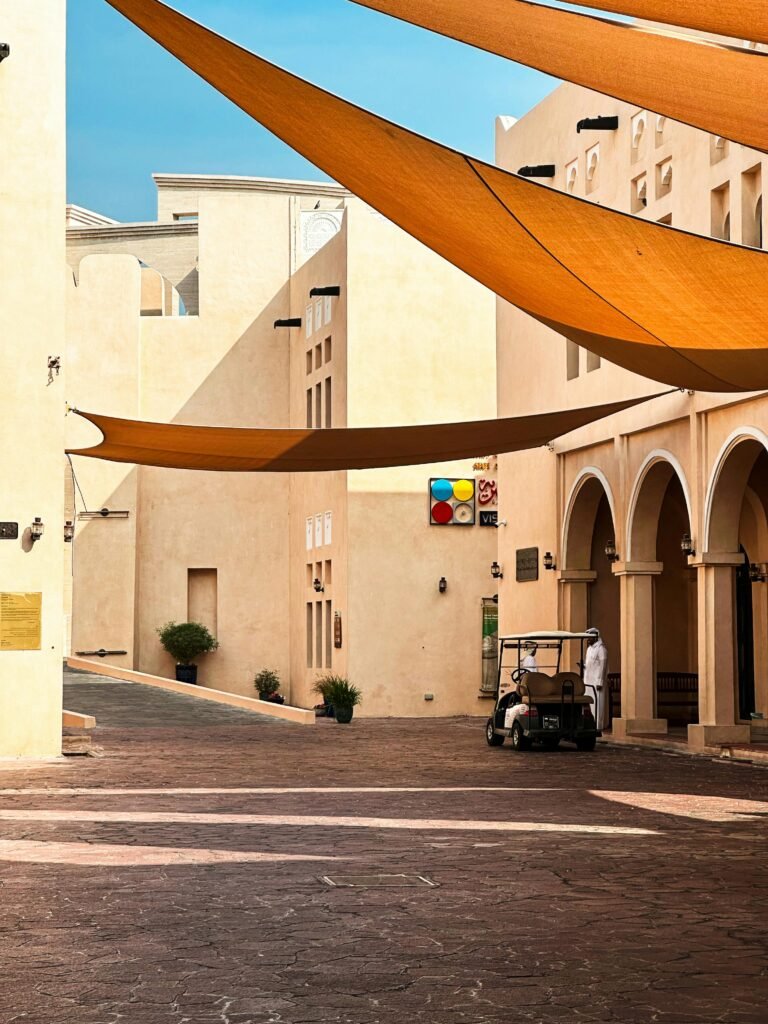
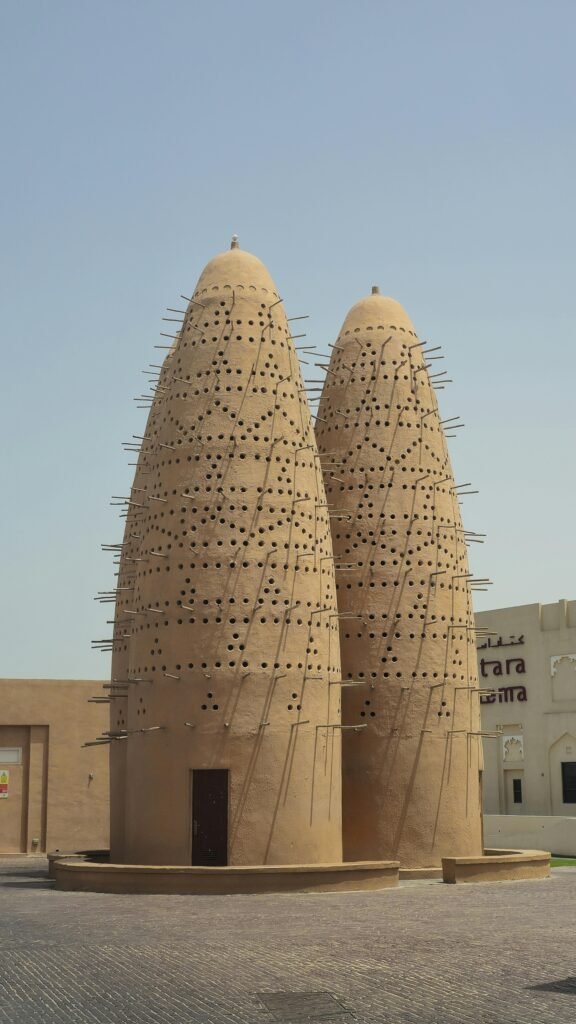
Even Katara Cultural Village feels like a shift in time, with mosques, galleries, and cultural spaces that lean heavily into Qatari and Arabic identity.
Entry Requirements and visas
I was genuinely surprised by how simple entering Qatar was. The visa process is very straightforward and quick. For many nationalities, Qatar offers visa-free entry or visa on arrival (QAR 100 fee), so there is no need to apply weeks in advance.
If your nationality does not qualify for visa free entry, Qatar also offers an online visa process through its official portal, which makes things easier than traditional embassy applications.
What I Loved About Visiting Qatar?
Qatar blew me away with its seamless blend of futuristic skylines and authentic cultural gems, Doha felt like stepping into a postcard. From the moment I arrived, the warmth (literal and figurative) and top-notch organization made it a standout first trip.
Doha’s Skyline, Where the City First Wins You Over
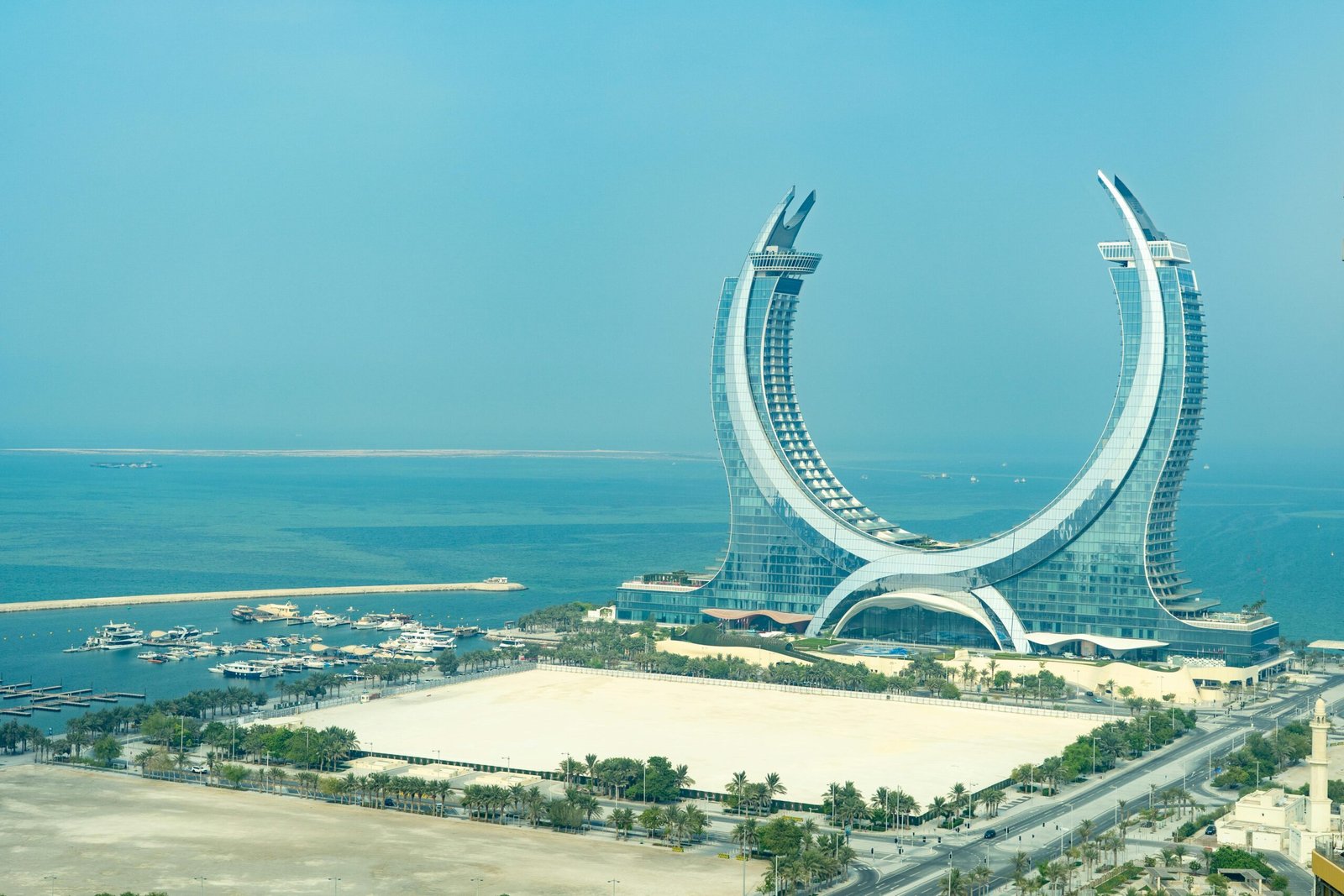
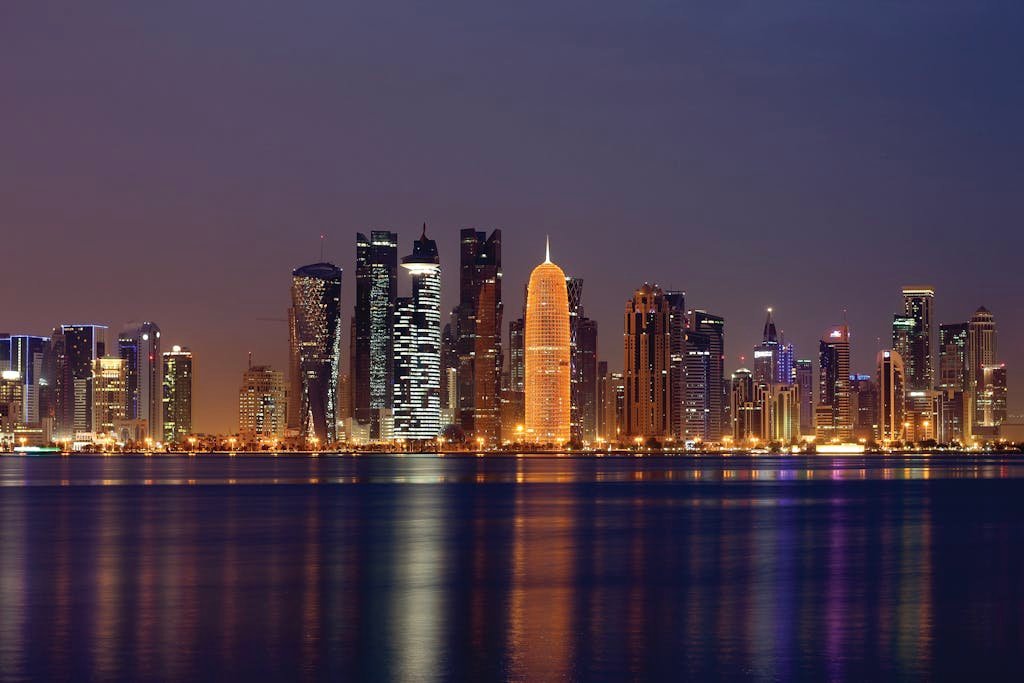
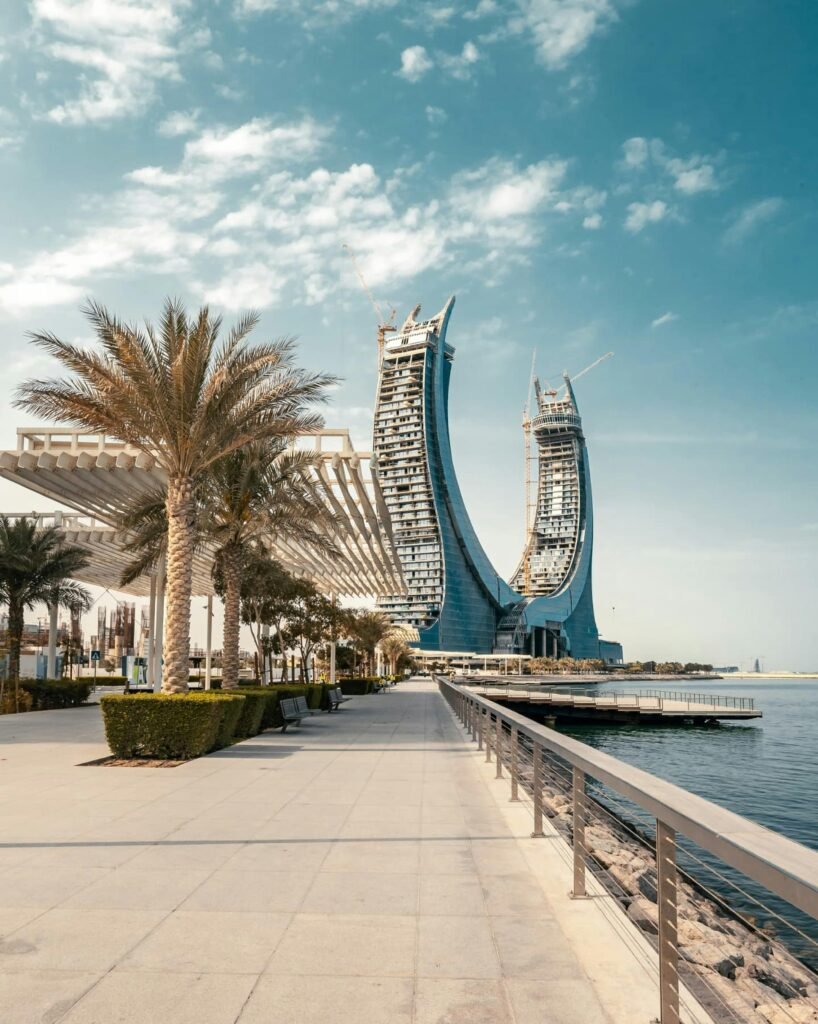
Honestly, stunning. The buildings look bold, modern, and almost unreal, especially around West Bay, where the towers rise so close to the water that the city feels futuristic without trying too hard.
Walking along the Doha Corniche is when it really sinks in. Doha Corniche is a 4-mile waterfront promenade offering stunning views of the city’s skyline. The skyline stretches endlessly, glass buildings reflecting the light, calm water on one side, and the city standing tall on the other. My experience here felt like cinematic, like the kind of place people photograph for postcards, except I was actually standing there.
The Karak: A Must-Try Beverage
Coming from Pakistan, tea is already a big part of our daily life. Back home, it is usually simple English style tea with milk, tea leaves, and sugar, sometimes stevia (If you are on diet).
I am also familiar with masala teas across Asia, Nepal’s masala tea is especially well known, so I honestly thought karak would feel familiar.
I was wrong.
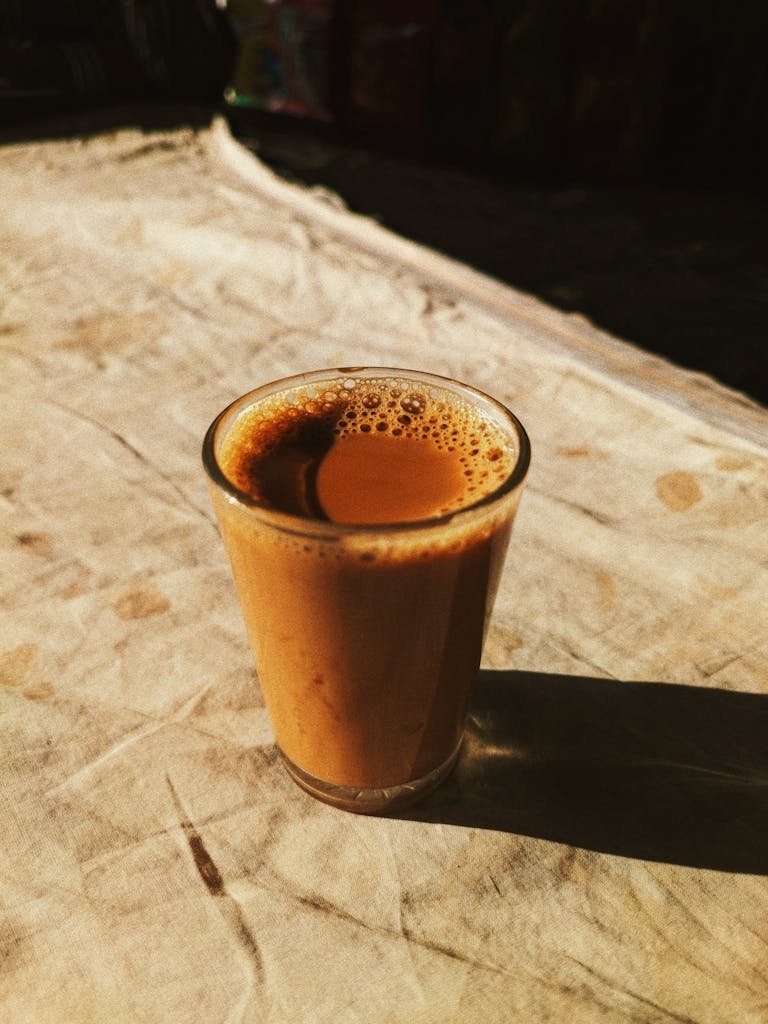
Karak in Qatar completely wins me over. I started craving it every day, to the point where it felt like I needed a cup just to properly begin my morning.
It is rich, bold, and comforting in a way I did not expect.
Karak is made with black tea, cardamom, cinnamon, saffron, cloves, and ginger, then finished with evaporated milk and sugar. The result is intense but balanced, creamy but spiced, and full of flavor without being overwhelming.
Honestly, this becomes the best tea I have ever had in my life so far, and that is coming from someone who takes tea very seriously.
Best Places to Enjoy Karak
My absolute favorite place for karak in Doha is Tea Time.
Other popular spots where locals swear by the karak include Chapati & Karak and Karak Mqanes. These places are always busy, which says everything you need to know. My advice is simple, follow the locals, order a small cup, and don’t be surprised if karak becomes a daily habit before you even realize it.
Best Things to do in Qatar
Souq Waqif: A Cultural Gem
I had already heard about Souq Waqif and found it even more interesting. It is very traditional. It has a vibe that’s unlike anything else, pulling you into old-world Qatar with its winding alleys and vibrant energy.
This is what I experienced: lantern-lit paths overflowing with spice aromas and gold souks, perfect for immersive evenings.
One thing I noticed very quickly in Qatar was how serious people were about falcons. Falcons are not just birds here, they are a deep part of Qatari culture, history, and identity.
I saw references to them everywhere, from artwork to shops, and especially around Souq Waqif Falcon Souq, where falcons are treated with incredible care and respect.
What surprised me most is how prized and well looked after they are, some even have passports and travel arrangements (not joking), which says a lot about how important they are in everyday life here.
Wandering through Souq Waqif at dusk became my ritual, light haggling over souvenirs mixed with modern cafes for a seamless blend of past and present. Don’t miss the fresh dates for that authentic, sweet finish.
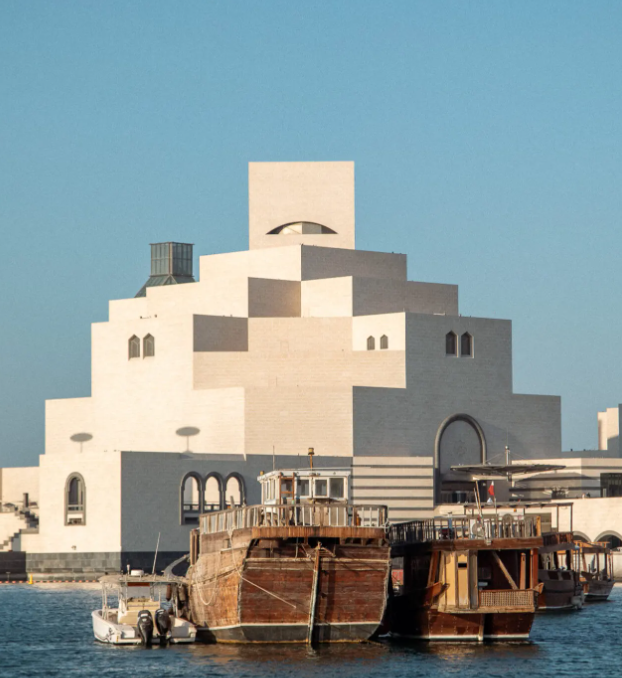
National Museum of Qatar, More Than Just a Museum
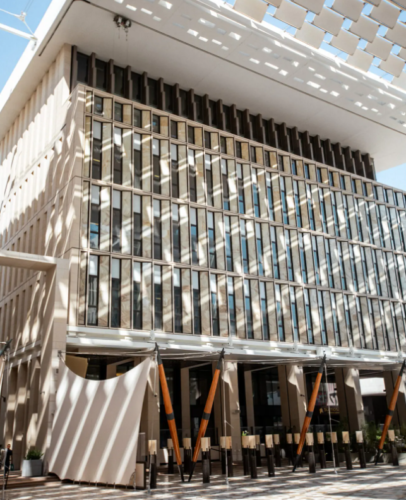
The National Museum of Qatar is a must see. It’s not your typical dusty exhibit hall, but a jaw-dropping architectural marvel that pulls you into the country’s soul.
The immersive galleries trace Qatar’s journey from pearling camps to skyscraper nation, touch pearl-diving boats, feel Bedouin winds via interactive setups, and end with futuristic visions. Beyond artifacts, it’s a sensory portal to heritage, blending history, culture, and innovation in one unforgettable loop.
Tickets are around QR50; allocate 2-3 hours-pure magic for first-timers.
At immigration, I only needed my passport (Obviously valid for 3-6 month) , a return or onward ticket, and proof of accommodation (booked often via Discover Qatar). The entire process took just a few minutes, and there was no unnecessary questioning or confusion.
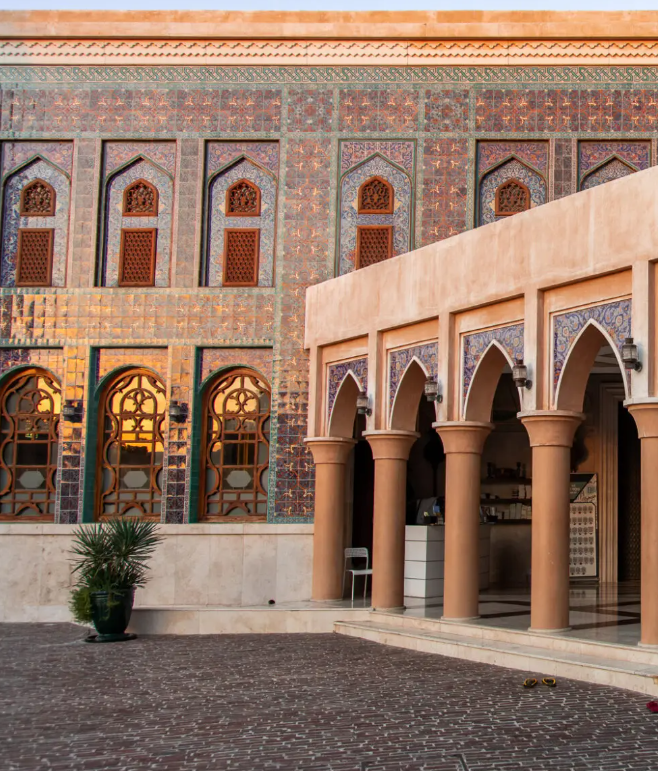
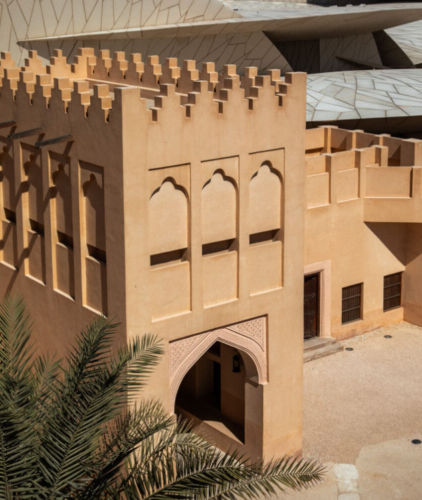
Museum of Islamic Art
Visiting the Museum of Islamic Art felt calm and grounding, almost like stepping away from the city without actually leaving it. The location stood slightly apart from the skyline, surrounded by water and open space, and from the moment I arrived, everything felt quieter and more intentional.
Inside, the museum never felt overwhelming or overly academic. The exhibits were beautifully presented, and even without deep knowledge of Islamic history, everything felt easy to follow.
I liked how the museum balanced art, history, and atmosphere, allowing me to move slowly and take things in without feeling rushed.
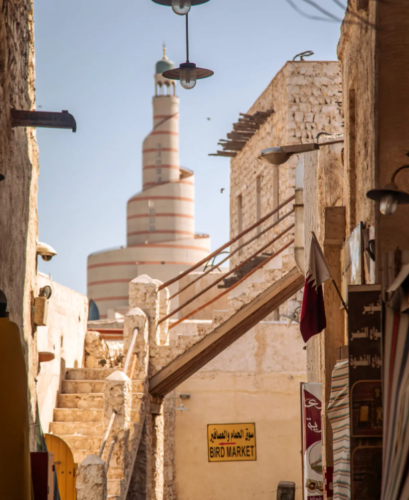
Katara Mosque
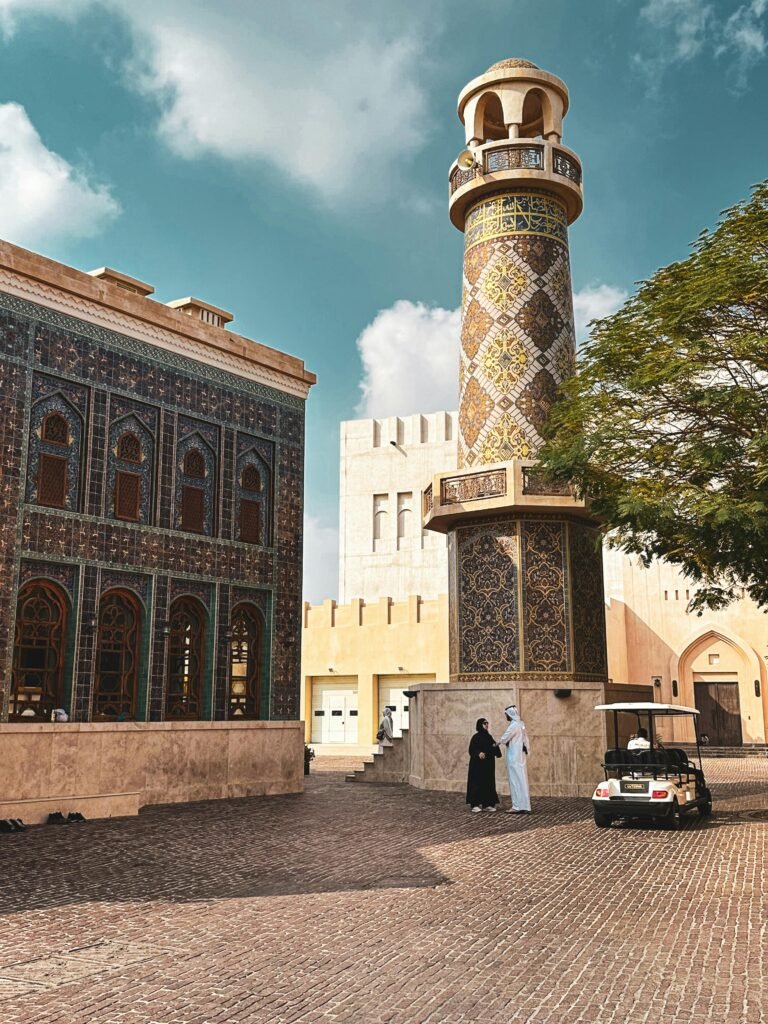
Visiting Katara Mosque feels calm in a way that stays with you. The moment I stepped inside the Katara Cultural Village, everything slowed down. This is also called the Blue Mosque, and it is inspired by Istanbul’s Blue Mosque.
The mosque stands out with its beautiful blue and gold details, but it never feels overwhelming or showy. It feels peaceful, almost tucked away, despite being in a popular cultural area.
The space is serene, respectful, and welcoming, and it gave me a glimpse into the spiritual side of life in Doha. Compared to the city’s modern skyline and polished streets, Katara Mosque feels grounded, and that contrast makes it even more special. It’s one of those places where you don’t rush, you pause, observe, and quietly appreciate where you are.
Qanat Quartier: A Venetian-Style Escape in the Middle of Doha
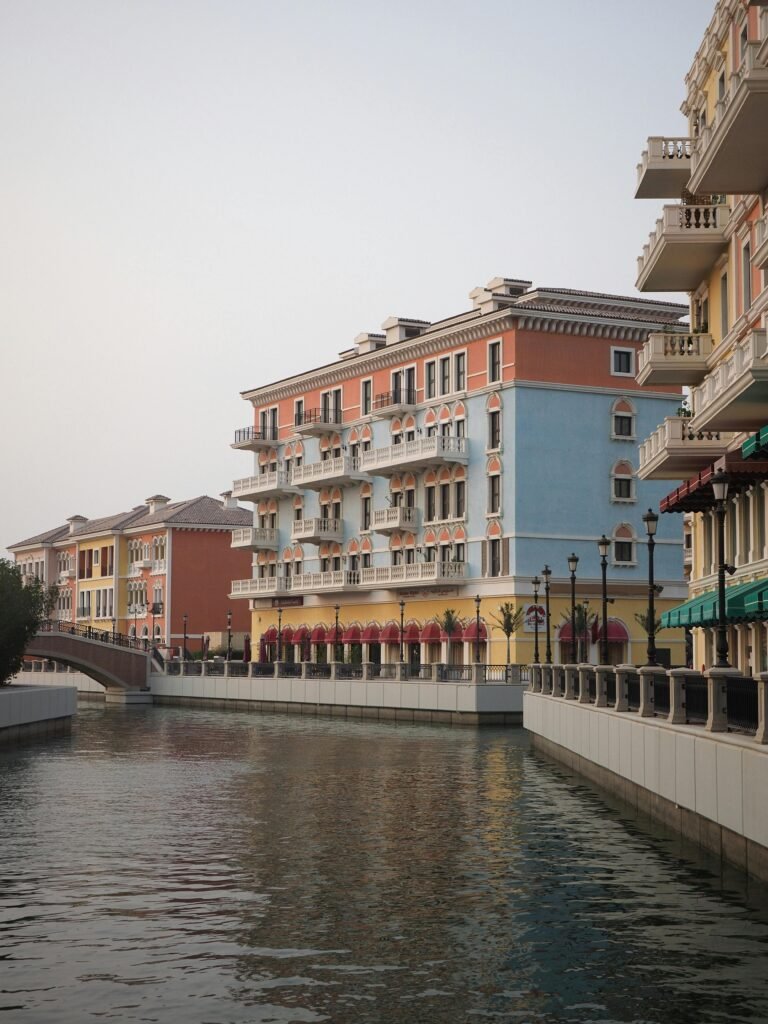
When I visited Qanat Quartier, it honestly felt like I had stepped into a completely different world.
Felt more like Venice. But make it colorful.
There are canals instead of roads in many parts, and walking across the bridges with water flowing underneath feels oddly peaceful, especially compared to the rest of the city.
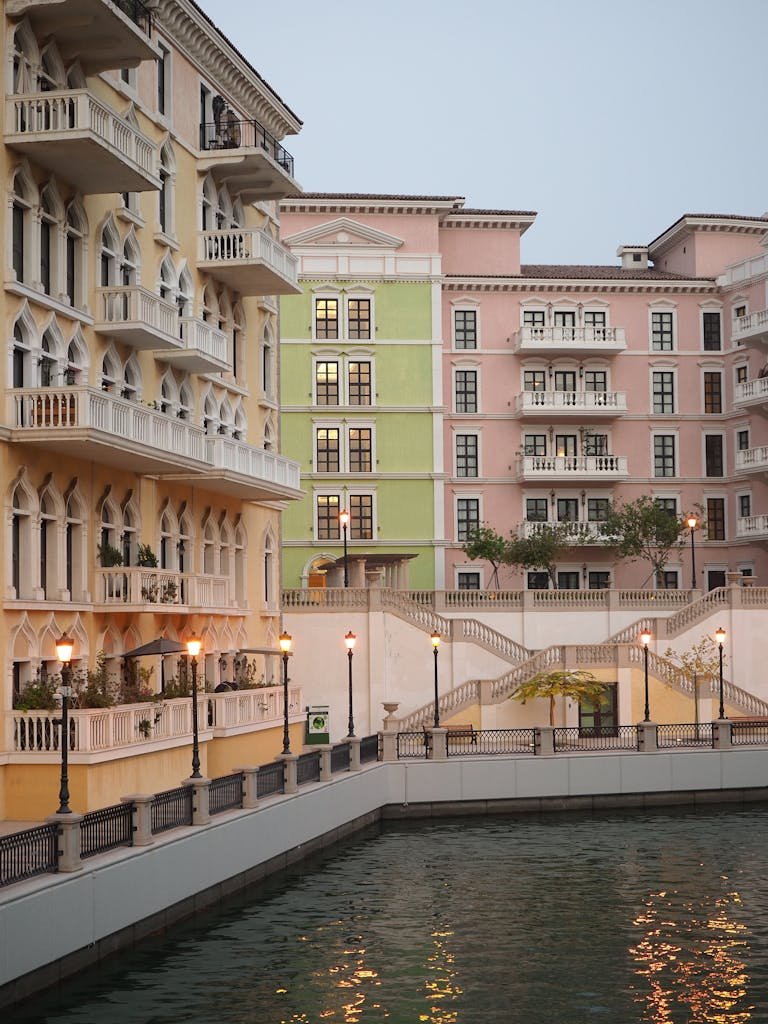
The pastel-colored buildings, quiet canals, and little bridges instantly stood out. It’s calm, clean, and incredibly photogenic without feeling chaotic or crowded.
Qanat Quartier is part of The Pearl, and the whole area has a very European vibe.
There are cafés and restaurants scattered around, so you can easily grab a coffee or sit down for a meal with a canal view. It feels relaxed, upscale, but not intimidating.
I visited during the evening, and that’s when the area really came alive for me. The lights reflected in the water, the buildings looked warmer, and the whole place felt more atmospheric.
It’s quiet, but not empty, the kind of spot that’s perfect for couples, solo travelers, or anyone who just wants a break from busy sightseeing.
Qanat Quartier isn’t about major attractions or ticking things off a list. It’s more about the experience, wandering without a plan, enjoying the architecture, and soaking in a softer, slower side of Doha.
Mina District: Color, Cafés, and a Calm Walk by the Sea
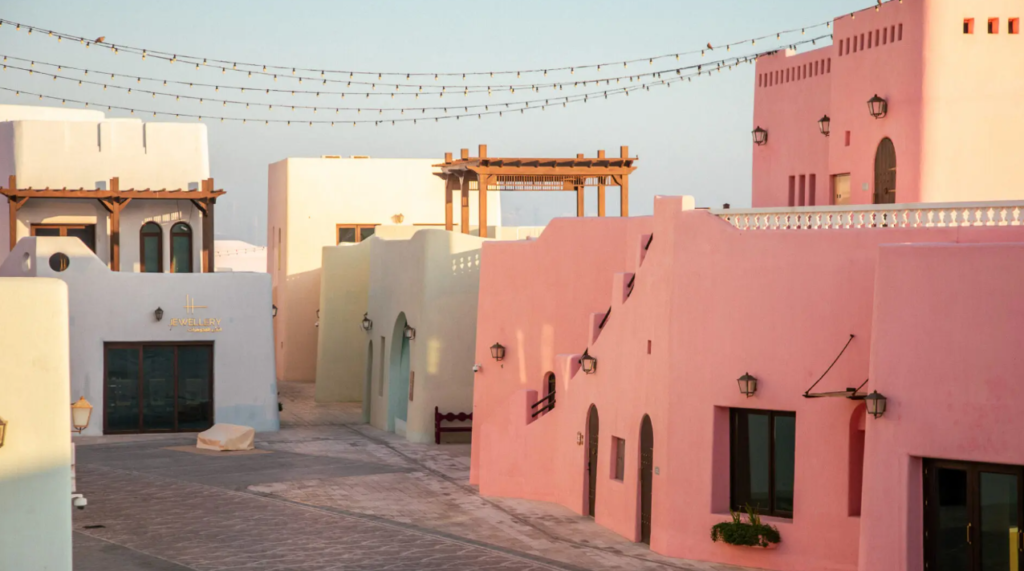
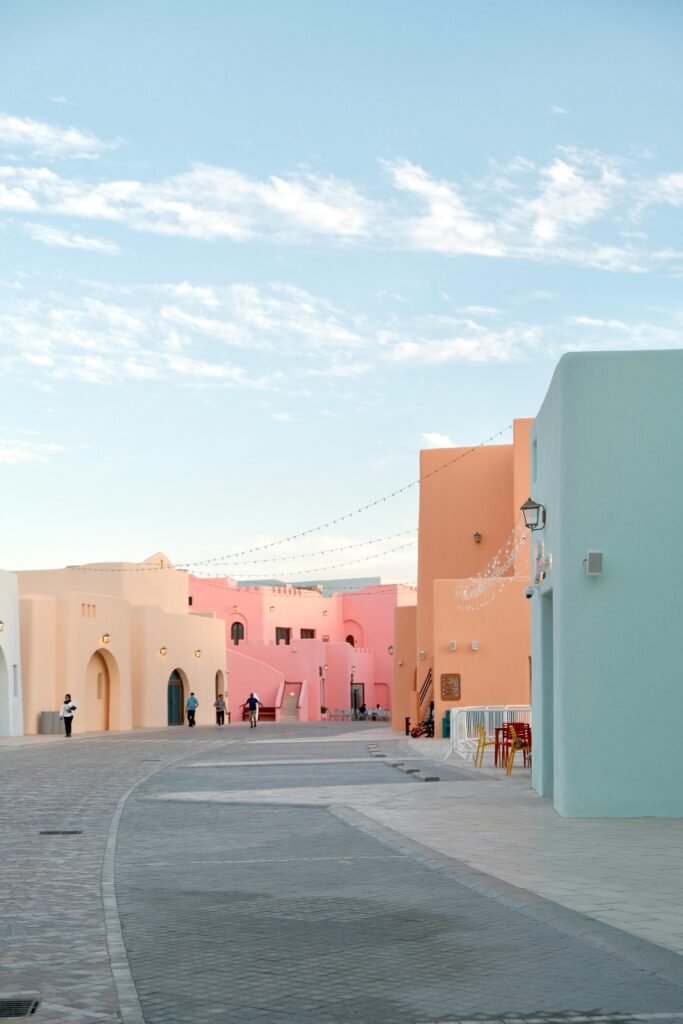
I ended up at Mina District without really planning to spend much time there, but it surprised me. The buildings are very colorful, not in a fake or touristy way, just enough to make the area feel different from the rest of Doha.
It’s right by the port, so there’s always a bit of movement, but it never felt loud or stressful.
Mina District isn’t dramatic or packed with attractions, but it’s easy to like. If you want somewhere calm, open, and a little different from the usual Doha spots, this one fits naturally into a day out.
I highly recommend Stepping Outside Doha!
I enjoyed Doha far more than I expected to, but what really changed my perspective was leaving the city behind.
Once I started moving beyond the skyline, Qatar feels wider, quieter, and more layered.
The country is small enough that day trips actually make sense, and that makes exploring feel easy rather than exhausting.
Getting out of Doha adds context to everything I see in the city. It’s the moment when Qatar stops feeling polished and starts feeling personal.
Day Trips to the Desert Safari, Camel Ride & Sandboarding
A desert trip in Qatar feels like one of those experiences you can’t fully imagine until you’re actually there.
Once you leave the city behind, the landscape opens up into endless sand, and everything slows down.
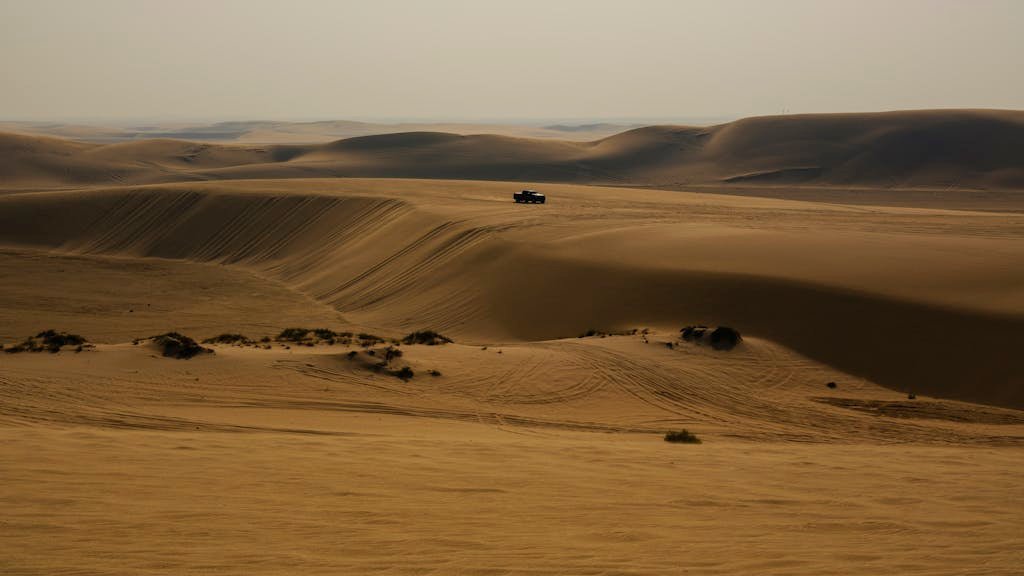
The safari experience usually includes driving across the dunes in a 4WD, stopping to take in the views, and spending time surrounded by complete quiet, which feels refreshing after Doha’s polished pace.
Khor Al Adaid is one of only three places in the world where the sea flows directly into towering sand dunes, and from this spot, you can even see across to Saudi Arabia.
If you’re booking a desert trip, most local tour companies in Doha include camel rides and sandboarding as part of the experience, which makes it easy to enjoy both without planning everything yourself.
Exploring Qatar’s Villages
Traveling north introduces a calmer, more traditional rhythm. Coastal towns like Al Wakrah feel lived in and relaxed, with older neighborhoods and waterfronts that invite slow walks rather than sightseeing checklists. Further north, Al Zubarah Fort offers a look into Qatar’s past, long before skyscrapers and modern districts shaped its image.
Travel in Qatar on a Budget, Is It Really Possible?
Short answer, yes, but with realistic expectations.
Qatar is not a cheap destination, and it never tries to be. At the same time, it is not as inaccessible as its luxury image makes it seem.
My experience shows that how expensive Qatar feels depends largely on how you travel and what you prioritize.
Food, transport, and daily experiences can be surprisingly manageable. Local restaurants, cafés, and street food options are reasonably priced, public transport is clean and affordable, and many of the city’s highlights are free to explore.
Where costs rise quickly is accommodation and high end dining, but those are choices, not requirements.
Visiting Qatar on a budget means balancing comfort with curiosity.
If you skip luxury hotels, focus on local experiences, and plan your days around cultural sites, markets, walks, and public spaces, Qatar becomes far more approachable.
It may not be a backpacker’s paradise, but it is absolutely possible to experience the country without spending excessively, and that balance is what makes the trip rewarding.
Affordable Accommodation Options
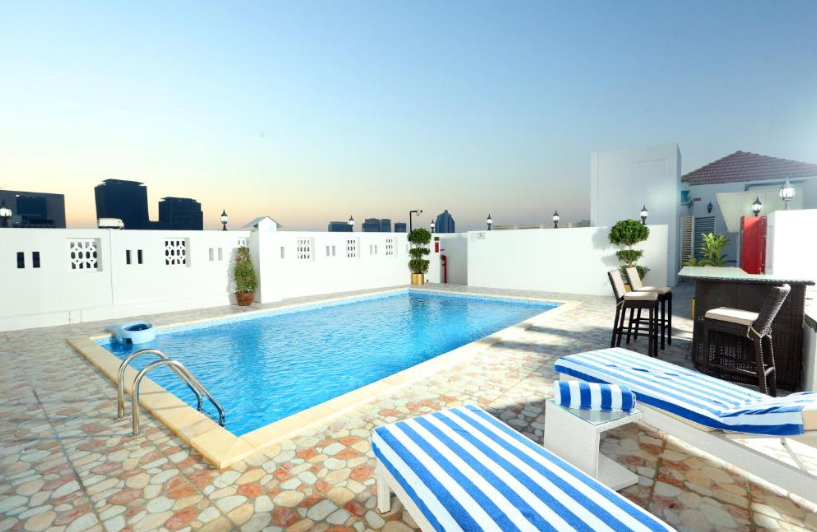
Before arriving, I honestly assumed Qatar would be painfully expensive. With its luxury image and reputation for wealth, I expected accommodation prices to be out of reach unless you were staying in five star hotels. That assumption turns out to be only partially true.
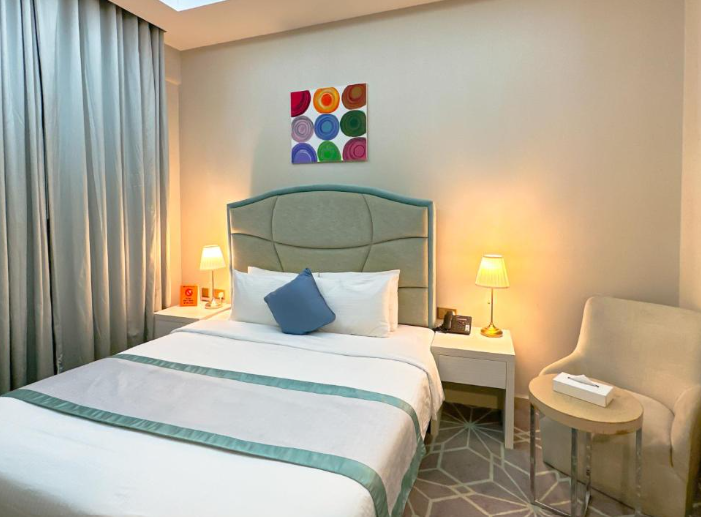
I booked Treffen House Doha in just $63 per night, but it was worth the price. My hotel was just a 10-minute walk from Souq Waqif and next to Msheireb Metro Station. It took me no time to reach all the main places. Another very cheap option I found while planning was Premier Inn Doha Airport in just $39. But this can be the best option for those who stop in Qatar for a layover of 24 hours or maybe less.
One thing I came to know during my trip was Qatar Airways incredible layover scheme that I’d highly recommend taking advantage of. This offer allows you to spend up to four days in the country during a layover. The airline gives you a 4 or 5-star hotel stay during a layover. This offer makes Qatar trip even the cheaper.
I find that staying slightly outside the most polished areas like West Bay makes a big difference. Areas closer to old Doha and around the airport offer smaller hotels and serviced apartments that are far more affordable than luxury chains.
Prices vary, but it is very possible to find clean, comfortable places without spending a fortune.
Budget-Friendly Activities
What really helps when traveling Qatar on a budget is how many simple experiences cost little or nothing.
Walking along the Doha Corniche is free and gives you some of the best skyline views in the city.
Exploring Souq Waqif costs nothing unless you decide to eat or shop, and even then, prices can be reasonable compared to what I expected.
Museums, cultural villages, public beaches, and desert views offer a lot without draining your wallet.
Even if you are clueless about how to cover the country without breaking the bank and have maximum experience, there are many cheap tours that offer very good package.
Safety in Qatar, What It’s Actually Like?
Qatar feels very safe, and that’s something I noticed almost immediately. Walking around Doha at different times of the day feels comfortable, even as a solo female traveler.
Public spaces are well maintained, streets are calm, and there is a visible sense of order. I rarely feel on edge or cautious in the way I sometimes do in big cities elsewhere in Europe or other parts of world.
In my experience, Qatar is one of those places where safety quietly exists in the background, allowing you to focus more on exploring and less on watching your surroundings.
Respecting Local Customs
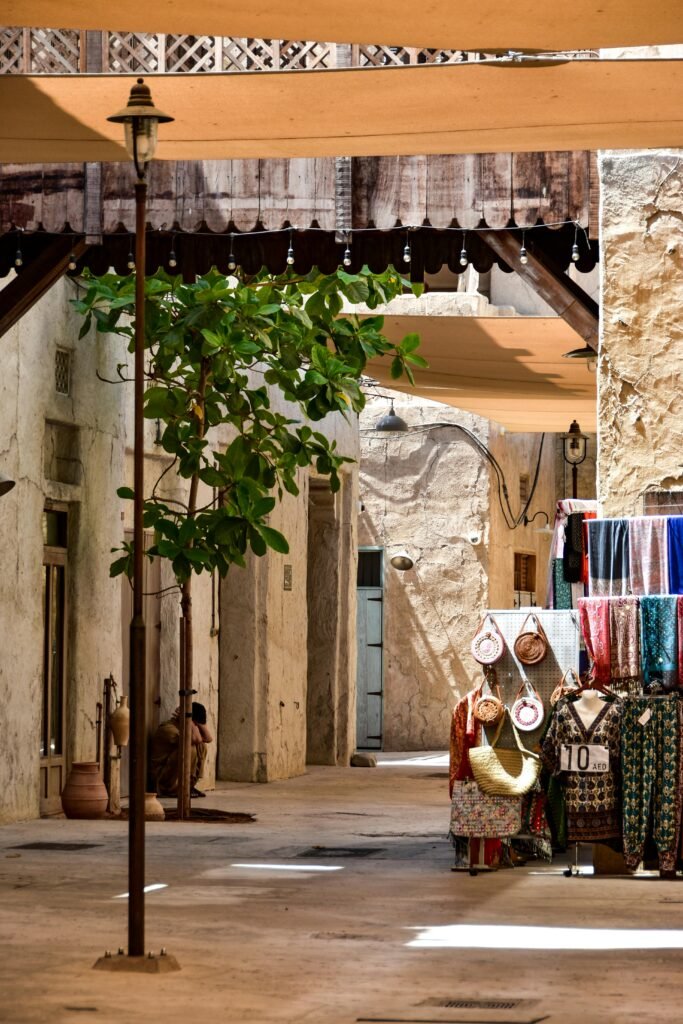
Feeling safe in Qatar also comes from understanding and respecting local customs. The culture is conservative, but not unwelcoming. Dressing modestly in public spaces, especially in markets, mosques, and traditional areas, goes a long way.
Simple gestures like being mindful of public behavior and following local norms make interactions smoother and more respectful. I find that when you show cultural awareness, Qatar feels warm and easy to navigate, and people respond with politeness and quiet kindness.
What to Wear in Qatar as a Tourist?
There is no strict dress code for tourists, but modesty matters in everyday public spaces.
Dressing respectfully helps you feel more comfortable and avoids unnecessary attention.
For daily sightseeing, loose and breathable clothing works best. Tops that cover the shoulders and bottoms that reach the knees are ideal for walking around Doha, visiting markets, or using public transport.
Beachwear is fine at hotel pools and private beaches, but it doesn’t translate well outside those spaces. Carrying a light scarf or layering piece is helpful, especially when entering more traditional areas.
Men vs Women Ratio
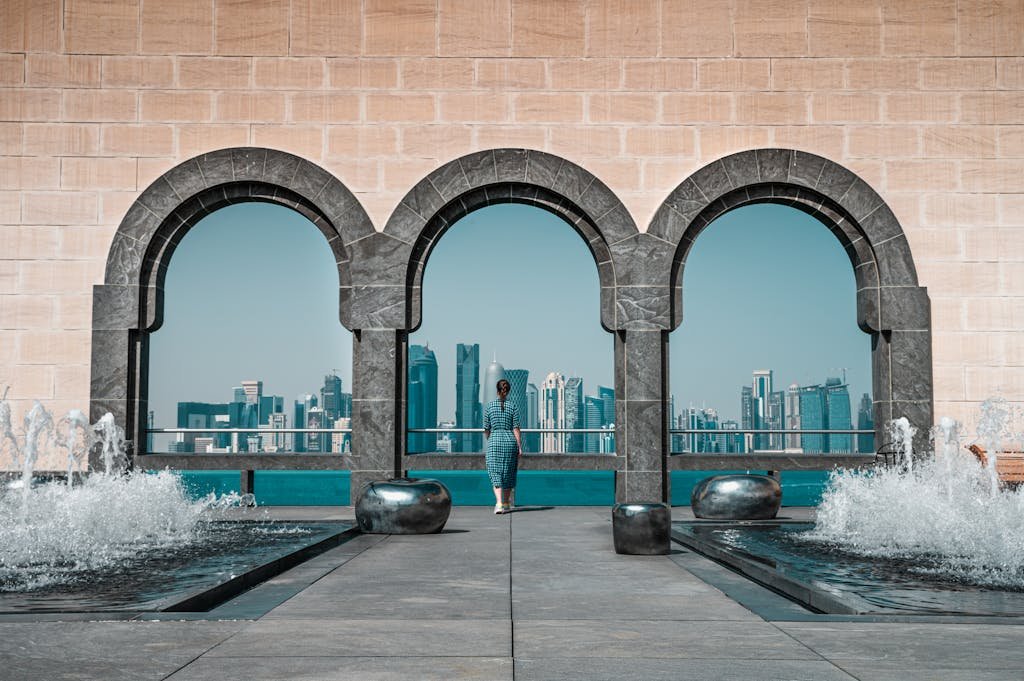
Walking around Qatar, one thing I noticed quite quickly was the visible difference in the men to women ratio. In many areas, particularly markets, cafés, and work focused neighborhoods, men are far more visible, which initially feels surprising if you’re coming from a more balanced social environment.
Over time, it starts to make sense when you consider the large number of male expatriate workers living in the country.
Social dynamics here feel structured and reserved, with interactions remaining polite and respectful rather than openly expressive. Gender roles are present but subtle, and while public life may appear male dominated, women are very much active in education, workplaces, and cultural spaces.
Qatar’s Food Scene, Simple, Rich, and Unexpected
Food is one of the things that quietly surprises me in Qatar. I expect good Middle Eastern food, but what I don’t expect is the range.
Traditional Qatari dishes sit alongside flavors from across the Middle East, South Asia, and beyond, and it reflects just how international the country really is. Eating out feels like an easy way to understand daily life here, casual, social, and comforting.
Must-Try Dishes
One dish I keep coming across is machboos, Qatar’s version of spiced rice with meat or seafood, and it’s far more flavorful than it looks.
I also enjoy harees, especially because it feels simple but filling, almost like comfort food. Grilled meats, fresh flatbreads, hummus, and slow cooked stews appear everywhere, and the portions are generous.
Even something as basic as shawarma tastes better here, probably because it’s treated as everyday food, not fast food.
Recommended Restaurants
For a truly local food experience, eating around Souq Waqif never disappoints. The atmosphere adds to the meal, and many restaurants here serve traditional dishes that feel authentic rather than tourist focused.
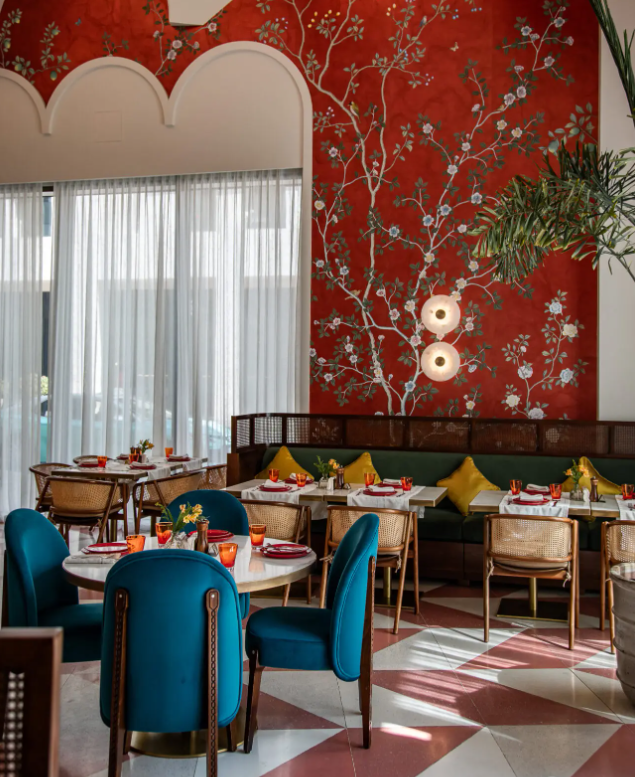
I had heard about the famous Parisa restaurent, and I loved it.
I also enjoy dining at Damasca, especially for Levantine food that feels rich and homely. For something more casual but consistently good, Turkey Central stands out, affordable, filling, and popular with locals.
What I learn quickly is that food in Qatar doesn’t need to be fancy to be memorable. The best meals are often simple, shared, and eaten slowly, and that’s what makes them stick with you.
Qatar Metro Made My Travel Experience Perfect
Qatar’s metro became my secret weapon for beating traffic and heat, driverless trains launched back in May 2019 ahead of the World Cup, with full Red (airport to beaches), Green (education hubs), and Gold lines (historic sites) spanning 76km and 37 stations.
5:30 AM-midnight runs; under QR10/day total, perfect first-timer hack.
Transportation is not expensive in the country. You’ll pay less than a dollar to get around Doha by bus and maybe $3 or $4 to travel by bus to another city. Another option is Uber, but it’s a little expensive, plus when the metro system is that good, who chooses Uber?
I just booked a car once that too from the airport to my hotel that costed me around $10.

What Didn’t Sit Well With Me in Qatar?
The Weather Can Be Exhausting
One thing that truly tested me in Qatar is the weather. The heat was intense in September, especially during the day, and even short walks can feel draining.
Exploring outdoors requires planning, timing, and frequent breaks, and spontaneous wandering becomes difficult. Air conditioning is everywhere, which helps, but moving between extreme heat and cold interiors can feel uncomfortable after a while.
So, I suggest you should plan your trip between mid-October and March when the Sun is a little kind;)
Alcohol and Rules Might Feel Restrictive for Some
This doesn’t personally bother me much, but I know it can be a deal breaker for others. As Qatar is an Islamic country, Alcohol is heavily regulated in Qatar. You can’t bring it into the country. It’s only available in licensed hotels, bars, and restaurants, and it’s expensive.
Earlier this year, Qatar implemented a Sin Tax that doubled the price of alcohol overnight. A bottle of gin can now cost as much as $100 in the country; a glass of beer $16. Alcohol consumption is banned in public, but there is an alternative if that helps: Shisha.
Limited Nightlife and Social Buzz
Nightlife exists, but it’s limited and often tied to hotels. If you enjoy lively streets, late night cafés, or spontaneous social scenes, Qatar may feel restrained. Social life feels more private and structured, which can take some adjustment depending on how you like to travel.
So, Is Qatar Worth Visiting?
Yes, 100%. I genuinely loved my time in Qatar, more than I expected to. It surprised me in ways that stayed with me, through its contrasts, its calm, and how thoughtfully everything feels.
Qatar isn’t loud or chaotic, and it doesn’t try to entertain you constantly. It asks you to slow down, observe, and adjust, and if you’re open to that, it rewards you.
For me, the things that require adjustment don’t outweigh what the country offers. I leave with a deeper appreciation for its culture, its pace, and its unique mix of modern life and tradition. Qatar may not be for everyone, but for me, it’s a place I’m genuinely glad I experienced, and one I would happily return to.
Have you been to Qatar, or is it on your travel list, and what’s the one thing you’re most curious about experiencing there?