

20 Best Things to Do in Budapest, Hungary: An In-depth Travel Guide
Budapest surprised me in the best possible way. When I started planning our(Dear Husband and I;) Hungary trip, I had a long list of the best things to do in Budapest, but I honestly did not expect the city to feel this grand, historic, and lively at the same time.
From magnificent architecture to thermal baths and river views that look like something out of a painting, Budapest quickly became one of my favorite stops in the region.
Budapest was actually the last destination during our Central Europe itinerary . Before arriving here, we had already explored Germany, Prague, Vienna, and Bratislava. We took the train from Vienna to Budapest, which was an easy and comfortable journey of about two and a half hours.
Watching the scenery change as we crossed into Hungary made the arrival even more exciting.
In my opinion, Budapest has a personality that feels different from other European capitals.
Prague feels like a fairytale and Vienna feels elegant and imperial.
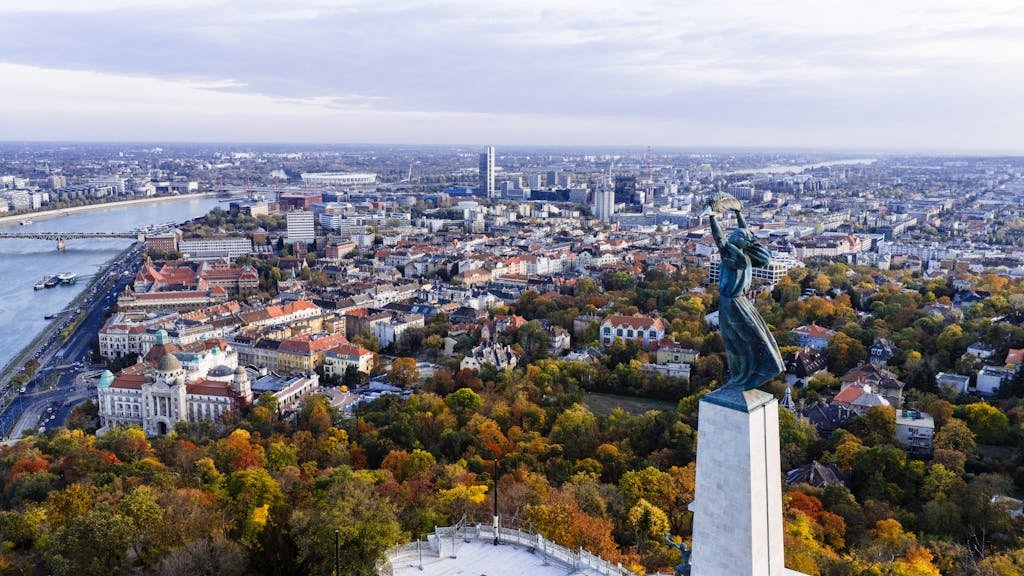
Budapest, on the other hand, has a dramatic beauty that comes from its location along the Danube River and the contrast between the two sides of the city.
One of the most interesting things about Budapest is that it was originally two separate cities.
Buda sat on one side of the river with its hills, castles, and historic streets. Pest developed on the other side with wide boulevards, grand buildings, and a more lively urban atmosphere.
In 1873 the two cities officially merged and became the Budapest we know today. When you walk around the city you can still feel this contrast between the elegant hills of Buda and the bustling streets of Pest.
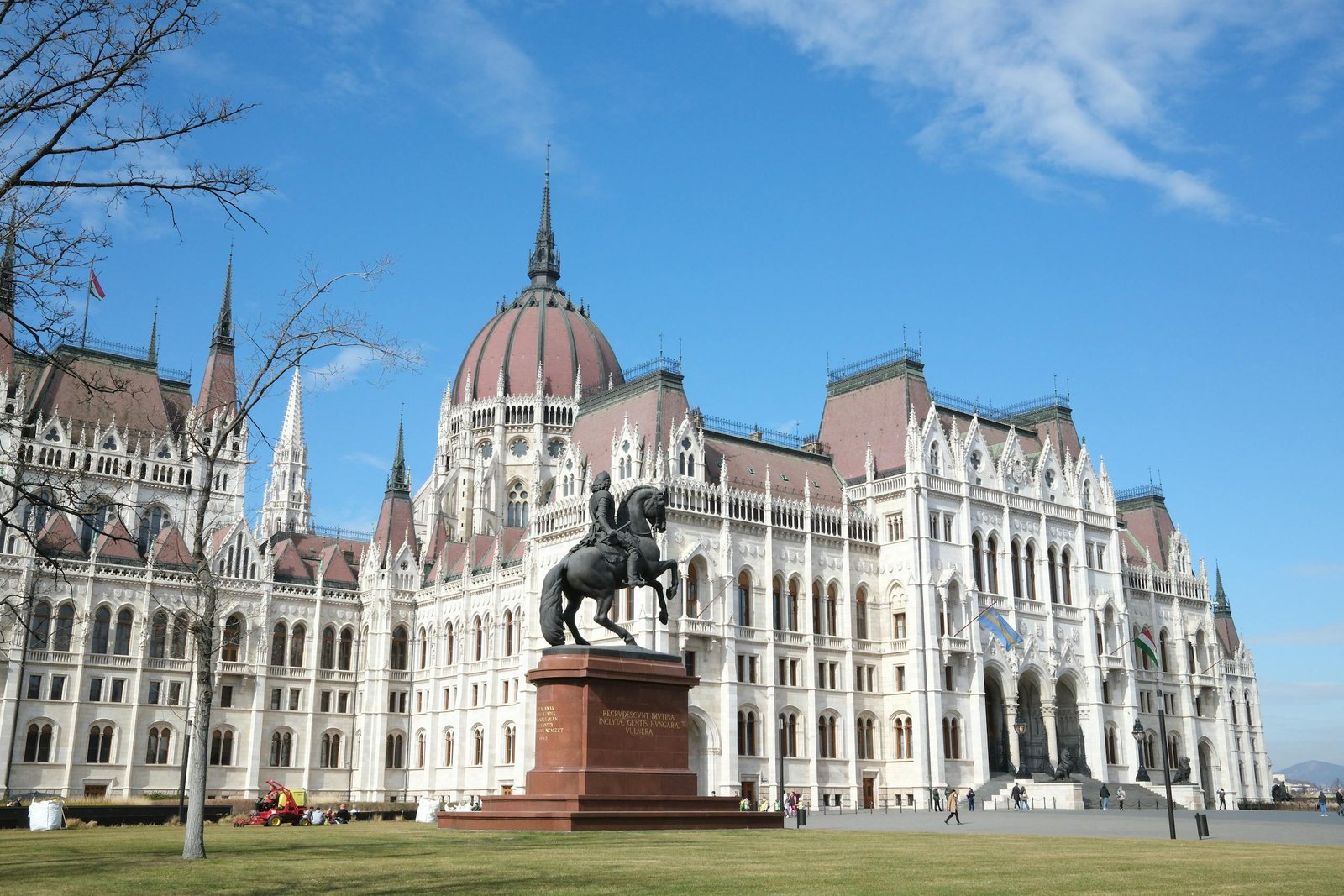
Another thing that makes Budapest special is its architecture. The city is filled with stunning buildings from different periods, including Neo Gothic, Baroque, and Art Nouveau styles. The Hungarian Parliament Building alone looks like something from a fantasy movie, especially when it lights up at night along the river.
You may also like: 15 Best Things To Do In Brussels Belgium: Tips for first time visitors
When I first arrived, I expected a beautiful city. What I did not expect was how vibrant and relaxed Budapest feels at the same time. You can spend the morning exploring castles and churches, the afternoon soaking in a thermal bath, and the evening watching the lights reflect on the Danube during a river cruise.
In this guide, I will walk you through the best things to do in Budapest, along with practical travel tips that I wish I had known before arriving. From iconic landmarks and historic streets to hidden corners and local experiences, this guide will help you plan your trip and make the most of your time in one of Europe’s most fascinating yet cheapest cities.
Things to Know Before Visiting Budapest
Budapest or Budapesht
Before we get into practical travel tips, there is one fun little question that usually comes up first. How do you actually pronounce Budapest?
Technically, if you want to say it the way locals do, the correct pronunciation sounds closer to Budapesht with a soft “sh” sound at the end. That is how Hungarians say the name of their capital.
The first time I heard it pronounced this way, I had one of those moments where I thought, wait, have I been saying this wrong the whole time?
That said, most English speakers simply say Budapest with the regular “s” sound, and honestly that is completely normal. Languages tend to adapt city names over time. Just like we say Paris instead of the French pronunciation or Munich instead of München.
So if you say Budapest the English way, nobody will look at you strangely. But once you hear locals say Budapesht, it is hard not to notice the difference.
Currency in Budapest
One thing many travelers assume is that Hungary uses the euro. I thought the same at first. But Hungary actually uses its own currency called the Hungarian Forint (HUF).
Most restaurants, hotels, and attractions accept credit cards, so you will not need large amounts of cash. However, it is still useful to carry a little cash for small cafés, street food stands, and local markets.
Language in Budapest
The official language in Hungary is Hungarian, which is quite different from most European languages. If you look at written Hungarian, it might feel almost impossible to recognize any words.
Thankfully, English is widely spoken in Budapest, especially in tourist areas, hotels, restaurants, and attractions. During our visit, we rarely had any issues communicating.
Still, learning a couple of basic words is always appreciated by locals. Even a simple “thank you” can go a long way.
Best Time to Visit Budapest
Budapest is beautiful throughout the year, but some seasons are definitely more comfortable for exploring the city.
Spring and early autumn are my favorite times to visit. The weather is pleasant, the city is lively, and walking around the historic streets feels enjoyable rather than exhausting.
Summer brings long sunny days and a vibrant atmosphere along the Danube, but it can also get quite hot and crowded. Winter, on the other hand, feels magical around Christmas when markets and festive lights transform the city into a cozy winter destination.
How Many Days You Need in Budapest
In my opinion, two to three days is the ideal amount of time to experience the best things to do in Budapest, Hungary.
Two days will allow you to see the major landmarks, explore both sides of the city, and enjoy a thermal bath. With three days, you can move at a more relaxed pace and add experiences like a Danube river cruise or visiting more museums.
Budapest is quite walkable, and many of the main attractions are located close to each other. This makes it surprisingly easy to cover a lot of the city even during a short visit.
20 Best Things to Do in Budapest, Hungary
Budapest is one of those cities where every corner seems to reveal another beautiful building, historic street, or surprising viewpoint.
Some experiences are famous landmarks that define the city, while others are smaller discoveries that make exploring Budapest feel exciting.
From river cruises and castle viewpoints to thermal baths and quirky ruin bars, these were the experiences that truly made Budapest memorable for us.
1. Take a Night Cruise on the Danube
If there is one experience I would recommend to every traveler visiting Budapest, it is a night cruise on the Danube River. Budapest looks beautiful during the day, but after sunset the entire city transforms.
As the sky darkens, the buildings along the river begin to glow. The Hungarian Parliament Building becomes illuminated in golden lights, bridges reflect across the water, and the hills of Buda create a dramatic backdrop.
Watching the skyline slowly glide past while standing on the deck of the boat is easily one of the most magical things to do in Budapest Hungary. The city almost feels cinematic from the river at night.
2. Walk Across the Széchenyi Chain Bridge
The Széchenyi Chain Bridge is one of the most recognizable landmarks in Budapest and an important symbol of the city. When it opened in the nineteenth century, it became the first permanent bridge connecting Buda and Pest.
Massive stone lions stand guard at the entrances of the bridge, while large suspension chains stretch across the Danube. Walking across it gives you beautiful views in both directions.
From the center of the bridge you can see Buda Castle rising on the hill and the impressive buildings of Pest lining the opposite riverbank. It is a simple activity but one that really lets you appreciate the scale and beauty of Budapest.
3. Walk Along the Danube Promenade
One of the most relaxing ways to experience the city is by taking a stroll along the Danube Promenade. This riverside walkway runs along the Pest side of the Danube and offers fantastic views of the Buda skyline.
As you walk along the promenade, you will see the Chain Bridge, Buda Castle, and several historic buildings reflected in the water. Street performers sometimes appear along the path, and the atmosphere feels lively but relaxed.
For travelers who enjoy exploring cities slowly, this is one of the most enjoyable things to do in Budapest Hungary.
4. Visit the Shoes on the Danube Bank Memorial
Just a short walk from the Parliament building you will find one of the most emotional memorials in Budapest.
The Shoes on the Danube Bank memorial commemorates the victims who were executed along the river during World War II. Victims were forced to remove their shoes before being shot so their bodies would fall into the river.
Today dozens of iron shoes sit along the riverbank. Some look like elegant women’s shoes while others resemble worn boots or small children’s shoes.
Standing here quietly for a few moments is a powerful reminder of the city’s history.
5. See the Hungarian Parliament Building Up Close
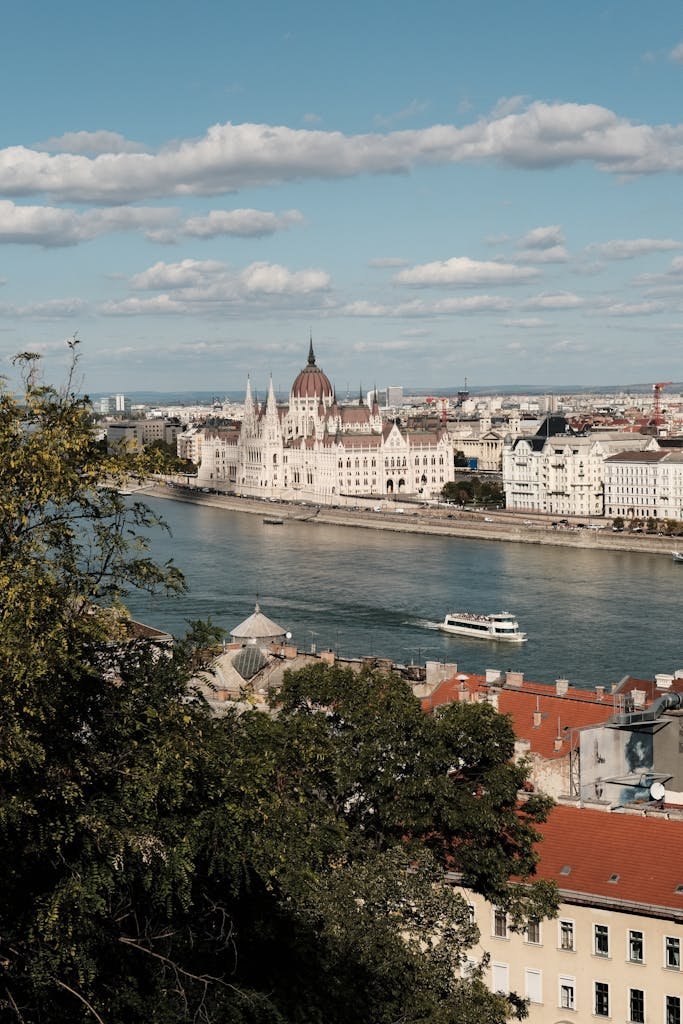
The Hungarian Parliament Building is one of the most beautiful government buildings in the world. Its Neo Gothic design rises dramatically along the Danube and dominates the city skyline.
Construction began in the late nineteenth century and the building contains hundreds of rooms, grand staircases, and an enormous central dome.
Even if you do not go inside, simply seeing it from the outside is worth the visit. The architecture is incredibly detailed, and the views from across the river are spectacular.
6. Step Inside St Stephen’s Basilica
St Stephen’s Basilica is the largest church in Budapest and one of the city’s most important landmarks.
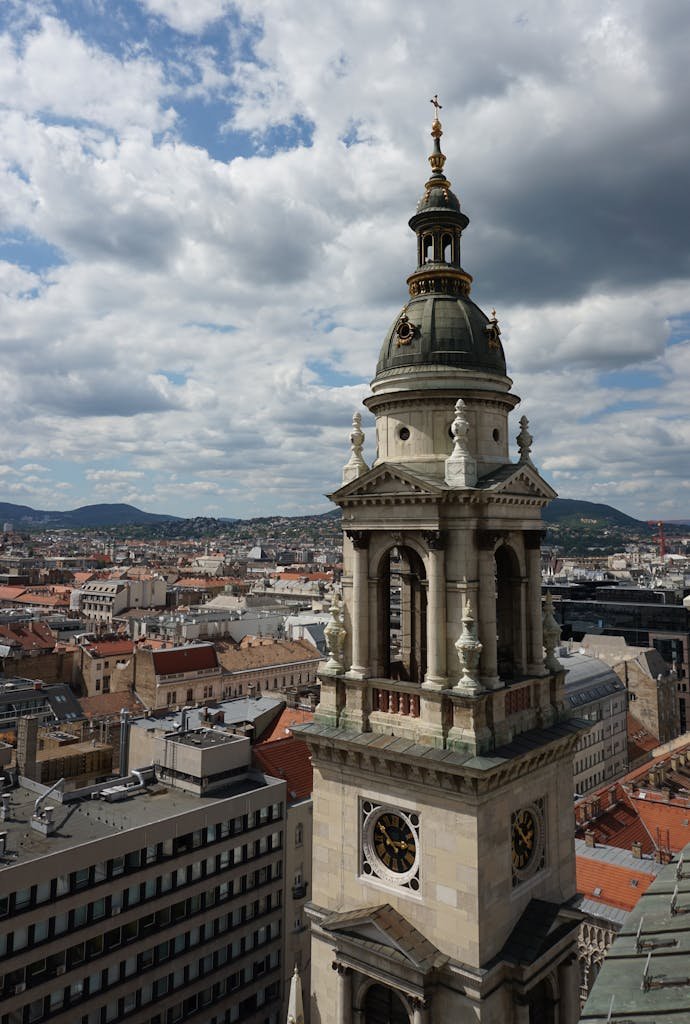
The interior is filled with marble columns, ornate decorations, and beautiful artwork. The dome ceiling draws your attention immediately when you walk inside.
One of the best parts of visiting the basilica is climbing to the panoramic terrace at the top. From here you get a sweeping view across Budapest and the Danube. Buy Tickets from the official website.
7. Visit the Hungarian State Opera House
Budapest’s Hungarian State Opera House is one of the most elegant buildings in the city. Built during the late nineteenth century, the opera house reflects Budapest’s cultural importance during the Austro Hungarian Empire.
Inside you will find ornate balconies, velvet seating, and a beautifully painted ceiling. Even if you do not attend a performance, guided tours allow visitors to see the interior.
For travelers who appreciate architecture and performing arts, this is one of the most impressive things to do in Budapest Hungary.
8. Walk Along Andrássy Avenue
Andrássy Avenue is one of the grandest streets in Budapest and a UNESCO World Heritage Site.
The avenue stretches through the city and is lined with elegant buildings, theaters, embassies, and luxury boutiques. Walking along this boulevard feels like stepping into the historic heart of Budapest’s golden era.
Several important attractions are located along this street, including museums and historic landmarks.
9. Visit the Dohány Street Synagogue
The Dohány Street Synagogue is the largest synagogue in Europe and one of the most important Jewish landmarks in the world.
The building’s architecture is striking with colorful brick patterns and twin towers. Inside the complex you will find a synagogue, museum, and memorial dedicated to victims of the Holocaust.
The synagogue stands in the historic Jewish Quarter, a neighborhood that has played a significant role in Budapest’s cultural and religious history.
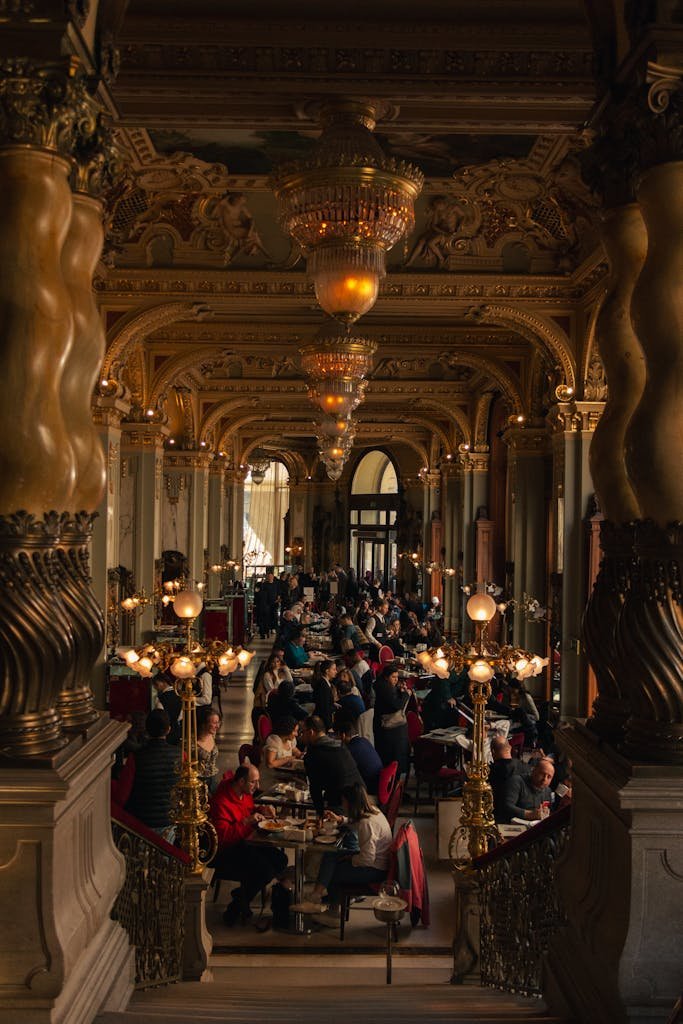
10. Visit the Famous New York Café
Walking into the New York Café feels like stepping inside a palace. The café is often described as one of the most beautiful cafés in the world, and it is easy to understand why.
Crystal chandeliers hang from the ceiling, marble columns line the walls, and golden decorations fill every corner of the room.
It is certainly not the cheapest place for coffee, but the atmosphere alone makes it worth visiting.
11. Explore Buda Castle
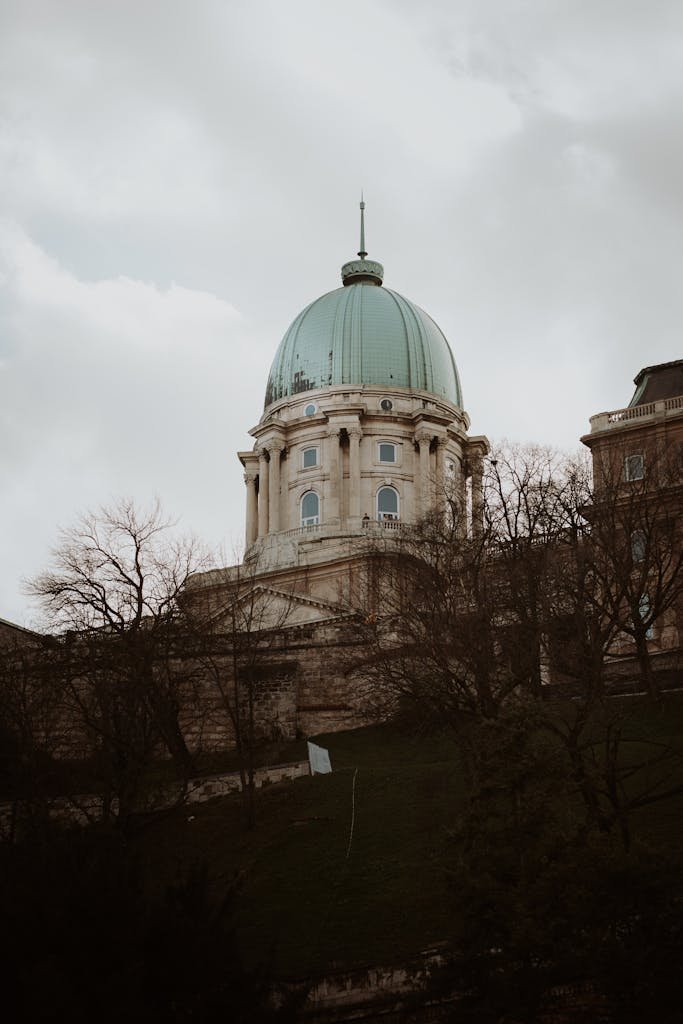
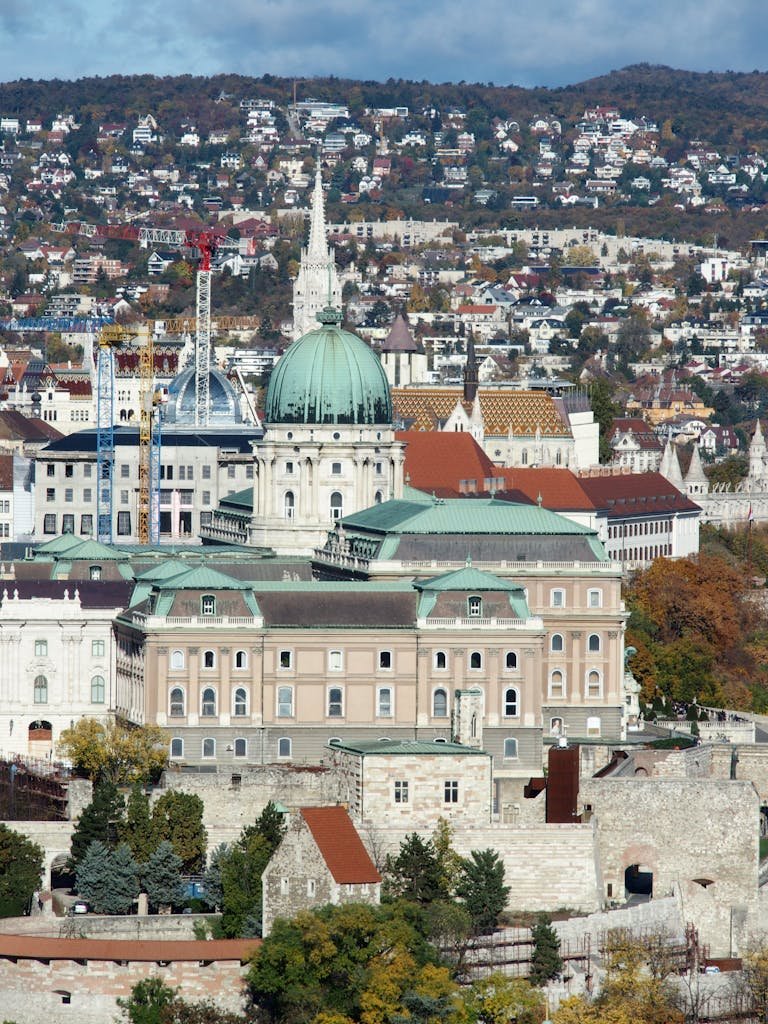
High above the Danube sits Buda Castle, one of the most important historic landmarks in the city. The castle complex has existed in some form since the thirteenth century, although it has been rebuilt several times over the centuries.
Today the castle area houses museums, historic buildings, and open squares with beautiful views of the river and the Pest skyline.
Walking through the castle district feels like stepping into another era of Budapest’s history.
12. Visit Matthias Church
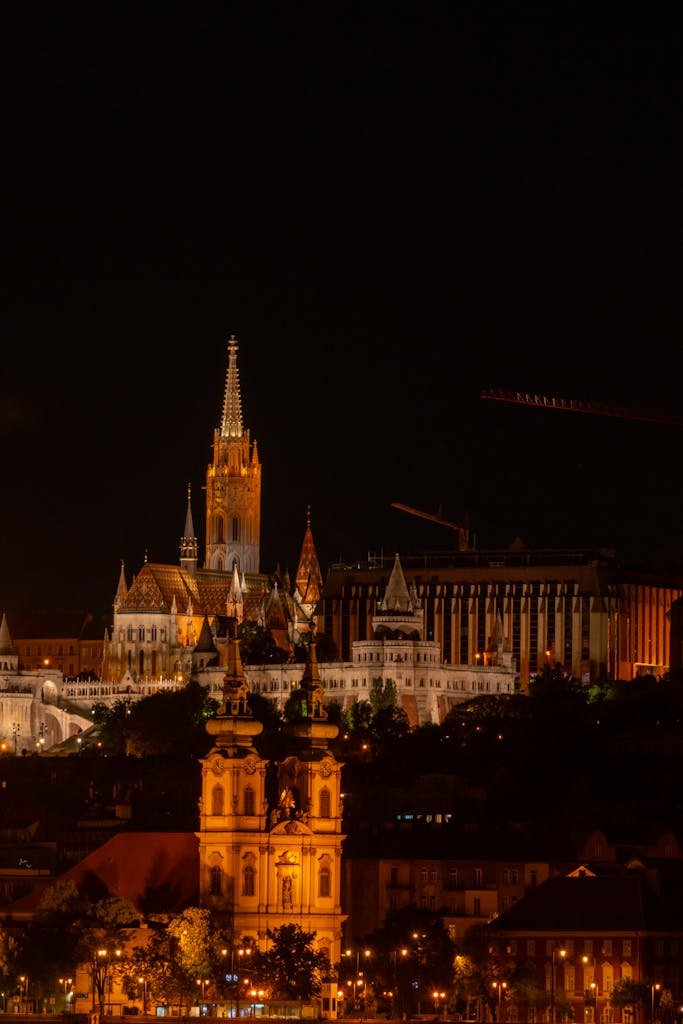
Located near Buda Castle, Matthias Church is one of the most visually distinctive churches in Hungary.
Its colorful tiled roof immediately stands out against the skyline, while the interior features beautiful patterns and decorative details.
The church has played an important role in Hungarian history. Several kings were crowned here, and royal weddings were also held inside the building.
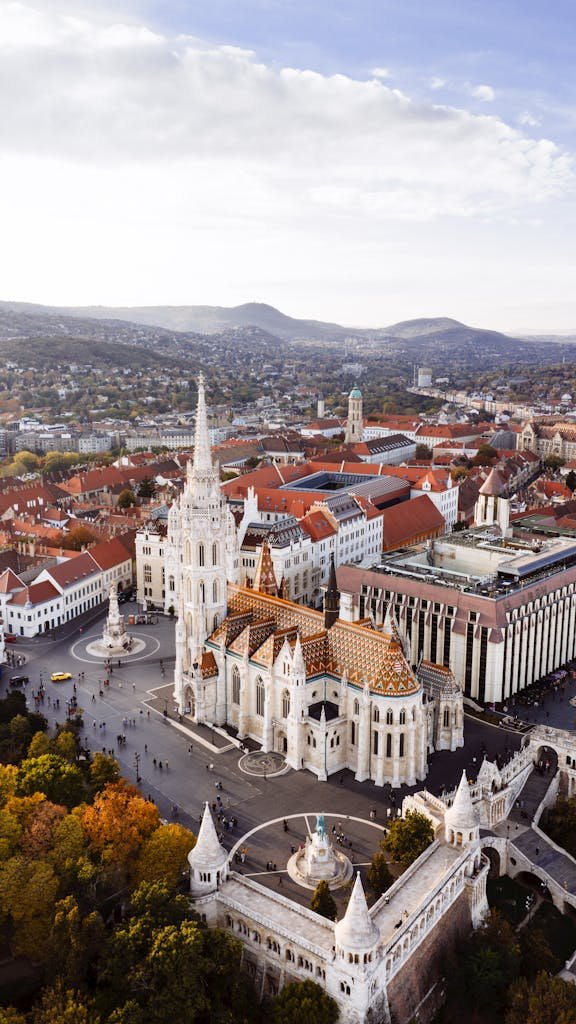
13. Enjoy the Views from Fisherman’s Bastion
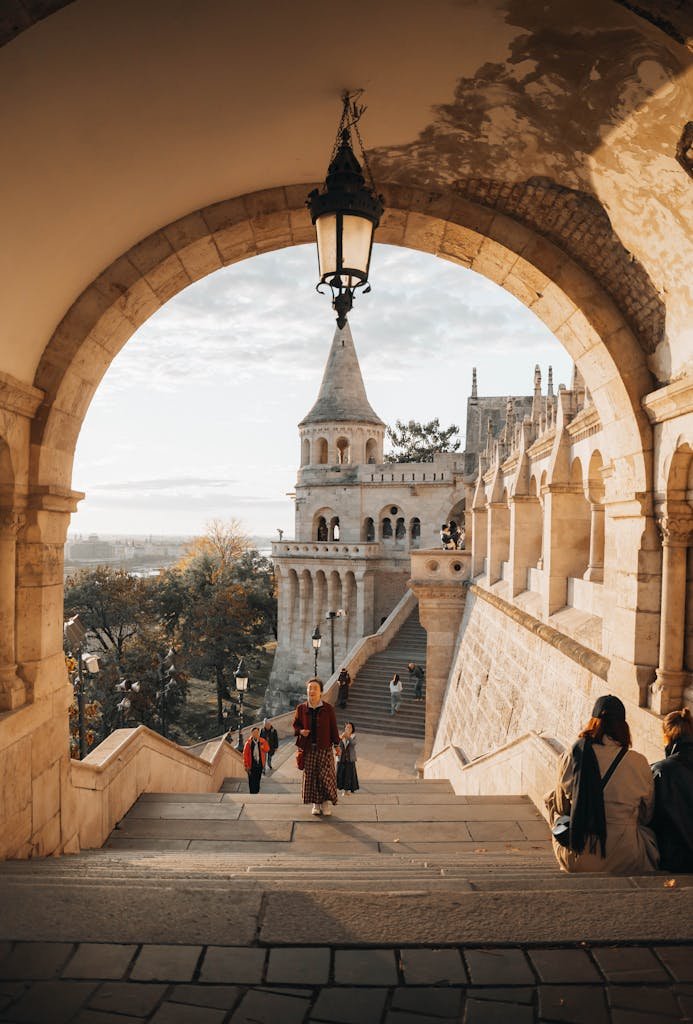
Right next to Matthias Church you will find Fisherman’s Bastion, one of the most photographed viewpoints in Budapest.
The structure looks almost like something from a fantasy story with its white towers, terraces, and archways.
From the terraces you can see the Danube River, the Parliament building, and much of the Pest side of the city. It is easily one of the best viewpoints in Budapest.
14. Visit the Hospital in the Rock
Hidden beneath the hills of Buda lies the Hospital in the Rock, a fascinating underground museum.
During World War II this cave system was converted into a hospital and later used as a nuclear bunker during the Cold War.
Today visitors can explore the tunnels and learn about the dramatic history of the facility through guided tours and exhibits.
15. Have a Drink at Szimpla Kert
Budapest is famous for its ruin bars, and Szimpla Kert is the most well known of them all.
Ruin bars are created inside abandoned buildings that have been transformed into quirky nightlife spaces filled with mismatched furniture, street art, and creative decorations.
Szimpla Kert feels chaotic in the best possible way. Every room looks different and the atmosphere is lively and fun.
16. Learn History at the House of Terror Museum
The House of Terror Museum is one of the most powerful museums in Budapest. The building itself was once used as the headquarters for both Nazi and communist secret police.
Today the museum documents the dark chapters of Hungary’s twentieth century history through exhibits and personal stories.
It is not a lighthearted visit, but it is an important place for understanding the country’s past.
17. Walk Around Heroes’ Square
Heroes’ Square is one of the most impressive public squares in Budapest.
The center of the square features a tall monument surrounded by statues of important Hungarian leaders and historical figures.
The square sits at the entrance of City Park and is surrounded by several important museums.
18. Visit the Cave Church
The Cave Church is one of Budapest’s more unusual religious sites. Built inside a natural cave on Gellért Hill, the church blends natural rock formations with traditional religious architecture.
The atmosphere inside feels peaceful and unique compared to most churches.
19. Relax in Budapest’s Famous Thermal Baths
Budapest is often called the City of Spas, and visiting a thermal bath is an essential experience.
The city sits on top of natural hot springs, and bath culture has been part of life here for centuries.
The most famous bath complex is Széchenyi Thermal Bath, where large outdoor pools allow visitors to relax in warm mineral water while surrounded by historic architecture.
20. Explore the Underground Caves of Budapest
What many visitors do not realize is that Budapest sits on an extensive cave system beneath the city.
Some of these caves can be explored through guided tours that take visitors underground to see rock formations, tunnels, and hidden chambers.
It is a completely different side of Budapest that most travelers never expect.
What to Eat and where to eat Hungarian Food?
Exploring the things to do in Budapest Hungary, is not only about castles, churches, and river views. One of the most enjoyable parts of visiting the city is discovering the local cuisine.
Hungarian food is rich, comforting, and full of bold flavors that reflect the country’s long culinary traditions.
Before visiting, I had heard that food in Hungary was hearty and heavily flavored with paprika, but I did not realize how satisfying and varied the dishes would be.
Many traditional meals are built around slow-cooked meats, warming soups, and freshly baked breads. After long days exploring the city, sitting down for a proper Hungarian meal felt like the perfect way to end the day.
If you are wondering what to eat in Budapest, these are some of the most famous Hungarian dishes you should try during your trip.
- Goulash: Probably the most famous Hungarian dish, goulash is a rich soup made with beef, potatoes, vegetables, and generous amounts of paprika. It is comforting, flavorful, and perfect after a long day of sightseeing. Almost every traditional restaurant in Budapest serves it.
- Langos: One of the most popular street foods in Hungary, langos is a deep fried flatbread usually topped with sour cream, grated cheese, and sometimes garlic. It is crispy on the outside, soft on the inside, and incredibly satisfying.
- Chicken Paprikash: This classic Hungarian dish features tender chicken cooked in a creamy paprika based sauce. It is often served with small dumpling like noodles called nokedli that soak up the flavorful sauce.
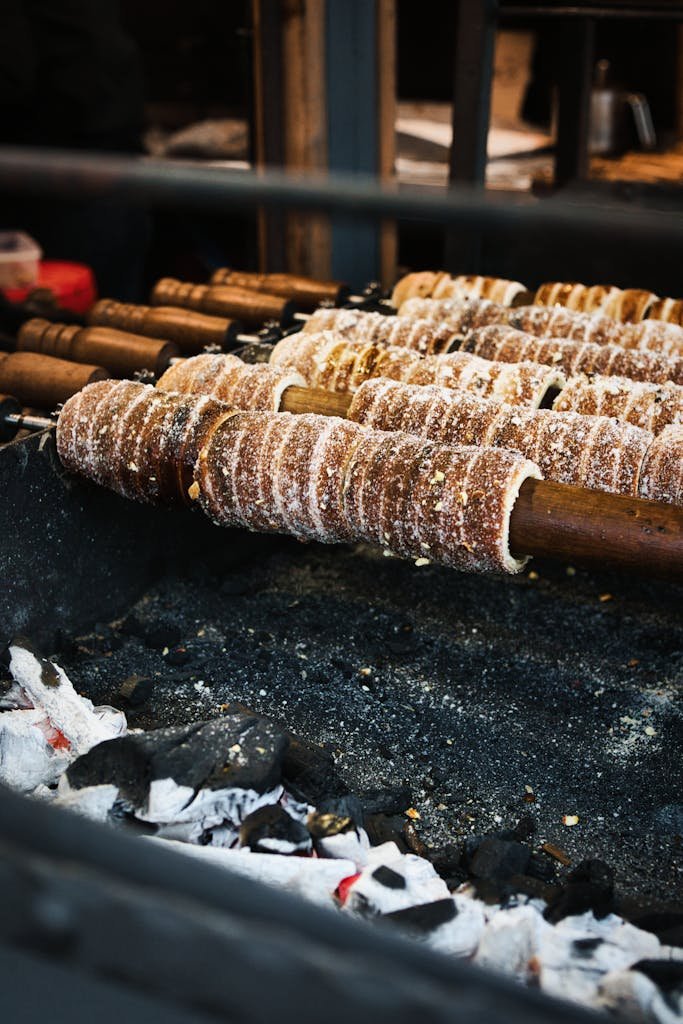
- Chimney Cake: Known locally as kürtőskalács, chimney cake is a sweet pastry baked over an open flame and rolled in sugar. The outside becomes slightly crispy while the inside remains soft and fluffy. You will often see vendors preparing them fresh in busy areas of the city.
- Stuffed Cabbage: Another traditional Hungarian comfort dish, stuffed cabbage consists of cabbage leaves filled with seasoned meat and rice, slowly cooked in a flavorful tomato and paprika sauce.
- Fisherman’s Soup: This spicy fish soup comes from Hungary’s river regions and is made with freshwater fish, onions, and paprika. The soup has a deep red color and a bold flavor that seafood lovers will appreciate.
- Dobos Cake: A famous Hungarian dessert made with layers of sponge cake and chocolate buttercream, topped with a thin layer of caramel that gives the cake its signature crunch.
- Hungarian Sausages: Hungary is well known for its sausages, many of which are seasoned with paprika and other spices. They are often served grilled with mustard, pickles, and bread.
Trying these dishes is one of the most enjoyable things to do in Budapest, especially if you visit a traditional restaurant where the recipes have been passed down for generations.
If you are wondering where to eat in Budapest, the city has everything from elegant historic cafés to casual local restaurants and lively street food markets.
Areas around the Jewish Quarter and the central districts of Pest are filled with restaurants where you can sample authentic Hungarian food. Food markets are also great places to try several dishes in one visit.
Where to Stay in Budapest?
Choosing where to stay can shape your entire experience in a city, and Budapest is no exception. The city is divided by the Danube River into two main sides, Buda and Pest, and each has its own personality.
During our visit, I spent a bit of time researching neighborhoods because I wanted to stay somewhere that made it easy to explore the best things to do in Budapest, Hungary, without constantly worrying about long commutes.
In my opinion, where you stay in Budapest depends on what kind of trip you want. Some travelers want historic views and quiet streets while others prefer lively neighborhoods full of cafés, restaurants, and nightlife.
Staying in Pest
For most first time visitors, Pest is the best area to stay.
This is the flatter and busier side of the city where you will find many of Budapest’s famous landmarks, restaurants, shopping streets, and nightlife spots. The area around the Hungarian Parliament, St. Stephen’s Basilica, and the Jewish Quarter is particularly convenient for travelers.
Pest also has a huge number of hotels, boutique guesthouses, and apartments. Because so many of the top things to do in Budapest Hungary are located on this side of the river, staying here makes it easy to explore without needing long journeys back to your hotel after a full day of sightseeing.
Another advantage of staying in Pest is the atmosphere. The streets feel lively throughout the day and evening, with cafés spilling onto sidewalks and restaurants buzzing with activity.
Staying in Buda
Buda sits on the opposite side of the Danube and feels noticeably calmer and more residential. The area is famous for its hills, historic streets, and beautiful viewpoints overlooking the river.
If you stay here, you will be close to places like Buda Castle, Matthias Church, and Fisherman’s Bastion. The scenery is beautiful, especially in the evening when the lights of the city reflect across the water.
However, accommodation options in Buda are more limited and the area is generally quieter at night. For travelers who prefer peaceful surroundings and scenic views, Buda can be a wonderful choice.
Best Area for Nightlife
If nightlife is part of your travel plans, the Jewish Quarter is where you will probably want to stay.
This neighborhood is famous for its unique ruin bars, lively restaurants, and buzzing evening atmosphere. One of the most famous spots here is Szimpla Kert, which helped popularize the ruin bar concept in Budapest.
The area has a creative and slightly quirky feel with street art, trendy cafés, and music venues scattered throughout the neighborhood. It is a great place for travelers who enjoy exploring a city after dark.
Best Area for Budget Travelers
Travelers looking for more affordable accommodation usually find good options slightly outside the busiest tourist streets in Pest.
Budapest has a large number of budget hotels, hostels, and apartment rentals, so it is generally possible to find something comfortable without spending a fortune.
Many budget friendly options are still located close to major attractions and public transportation, which means you can easily reach the most popular things to do in Budapest Hungary without staying directly in the most expensive districts.
My Personal Tip for Choosing Accommodation
When I book accommodation in a new city, I usually prioritize location over everything else. Being able to step outside your hotel and immediately start exploring makes a big difference.
Budapest is one of those cities where simply wandering through the streets can lead you to beautiful buildings, cozy cafés, and unexpected viewpoints. Staying somewhere central allows you to experience more of the city naturally without needing to plan every movement in advance.
How to Get to Budapest?
Budapest sits right in the heart of Central Europe, which makes it incredibly easy to reach from several nearby capitals. One of the things I really appreciated during our Central Europe trip was how simple it was to move between cities.
Distances are short, trains are comfortable, and the scenery along the way makes the journey feel like part of the adventure rather than just transportation.
For us, Budapest was the final stop of our Central Europe itinerary. After exploring Prague, Vienna, and Bratislava, we traveled from Vienna to Budapest by train. The journey took about two and a half hours and was surprisingly relaxing.
European trains are smooth, spacious, and very punctual, so I spent most of the trip watching the countryside pass by while getting excited about all the things to do in Budapest Hungary that were waiting for us.
Flying to Budapest
Most international travelers arrive through Budapest Ferenc Liszt International Airport, which is the main airport serving the city. It is located about 20 kilometers from the city center and connects Budapest to major destinations across Europe and beyond.
Budget airlines such as Ryanair and Wizz Air operate many routes here, which is one of the reasons Budapest has become such a popular city break destination in Europe. If you are traveling from another European city, there is a good chance you will find a direct flight.
The airport itself is modern and easy to navigate. Immigration and baggage collection usually move quite quickly, so you can be on your way into the city without too much waiting around.
Taking the Train from Nearby Cities
One of the most enjoyable ways to reach Budapest is by train, especially if you are traveling around Central Europe.
Budapest is well connected to several major cities, and train travel here is both efficient and comfortable. Some common routes include:
- Vienna to Budapest
- Prague to Budapest
- Bratislava to Budapest
The train from Vienna to Budapest is particularly popular and runs frequently throughout the day. The journey takes roughly two and a half hours, making it perfect for travelers moving between these two historic capitals.
Bratislava is even closer. The journey from Bratislava to Budapest takes just over two hours, which makes it an easy addition to a broader Central Europe itinerary.
Trains usually arrive at Budapest Keleti Railway Station, which is an impressive historic station and one of the main transport hubs in the city.
Traveling to Budapest by Bus
Long distance buses are another option if you are traveling on a tight budget. Companies like FlixBus operate routes connecting Budapest with many European cities.
Bus tickets can sometimes be cheaper than train tickets, especially if you book early. However, the journey usually takes longer than the train, so I personally prefer rail travel whenever possible.
That said, if you find a good deal and do not mind a slightly longer trip, buses can be a practical alternative.
Driving to Budapest
Some travelers explore Central Europe by car, especially if they are planning to visit smaller towns and countryside destinations along the way.
Driving to Budapest is quite straightforward thanks to well maintained highways connecting Hungary with neighboring countries. However, once you arrive in the city, parking can be limited and traffic in central areas can become busy.
Because of this, many visitors prefer to rely on public transport once they reach Budapest.
The moment you arrive, it becomes clear why so many travelers include this city in their Central Europe itinerary. The architecture immediately catches your attention, the Danube flows right through the center, and the skyline looks impressive from almost every direction.
And once you settle in, you can finally start exploring the many things to do in Budapest Hungary, which range from historic castles and churches to thermal baths, river cruises, and lively ruin bars.
Travel Tips for First Time Visitors to Budapest
Budapest is an easy city to fall in love with, but a few small tips can make your trip far smoother. When I visited during our Central Europe trip, I quickly realized that knowing a few practical things in advance saves time, money, and unnecessary frustration. These are the travel tips I would personally recommend for anyone visiting Budapest for the first time.
Visit Budapest During the Week if You Can
Budapest is one of the most popular weekend getaway cities in Europe. Flights are cheap, trains from nearby capitals are quick, and the nightlife is famous. Because of this, the city fills up very quickly from Friday to Sunday.
During the weekends you will notice large groups arriving for bachelor and bachelorette parties, especially around the nightlife districts and ruin bars. The atmosphere can be lively, but it also means bigger crowds at major attractions, packed thermal baths, and long lines for restaurants.
If your schedule allows it, I strongly recommend visiting between Monday and Thursday. The city feels calmer, attractions are easier to explore, and you can enjoy places like Fisherman’s Bastion or the Parliament area without constantly navigating through crowds.
Always Pay in Hungarian Forint
Even though Budapest is a major European capital, Hungary does not use the euro. The official currency is the Hungarian Forint (HUF).
Many restaurants and shops in tourist areas will offer the option to pay in euros, but in most cases the exchange rate they apply is not in your favor. Prices often end up being noticeably higher than if you simply pay in the local currency.
In my experience, the easiest option is to pay with a credit card in Hungarian Forint or withdraw a small amount of cash from an ATM once you arrive. It usually works out cheaper and avoids unnecessary conversion fees.
Be Careful with “Official” Ticket Websites
One thing I noticed while planning our trip was that several attraction tickets appear to be sold through websites that look official at first glance.
Many of these sites are actually third party sellers that charge higher prices or sometimes provide outdated information about opening hours and ticket availability.
If you are booking tickets for popular attractions like the Hungarian Parliament Building, thermal baths, or river cruises, always double check that you are using the official website or a trusted booking platform. It saves money and avoids unpleasant surprises when you arrive.
Take the 100E Airport Bus from the Airport
Budapest Airport is located about 20 kilometers from the city center, so you will need transportation to reach downtown.
In my opinion, the easiest and most practical option is the Airport Express Bus 100E. This direct bus connects the airport with central Budapest and stops at key locations such as Kálvin Square, Astoria, and Deák Ferenc Square, which is one of the main transport hubs in the city.
The journey takes roughly 40 minutes depending on traffic, and the ticket costs about 2200 Hungarian Forint.
Taxis are available and can be faster depending on traffic, but they are significantly more expensive. For most travelers, the airport express bus is the perfect balance of convenience and price.
Consider Buying a Budapest Transport Pass
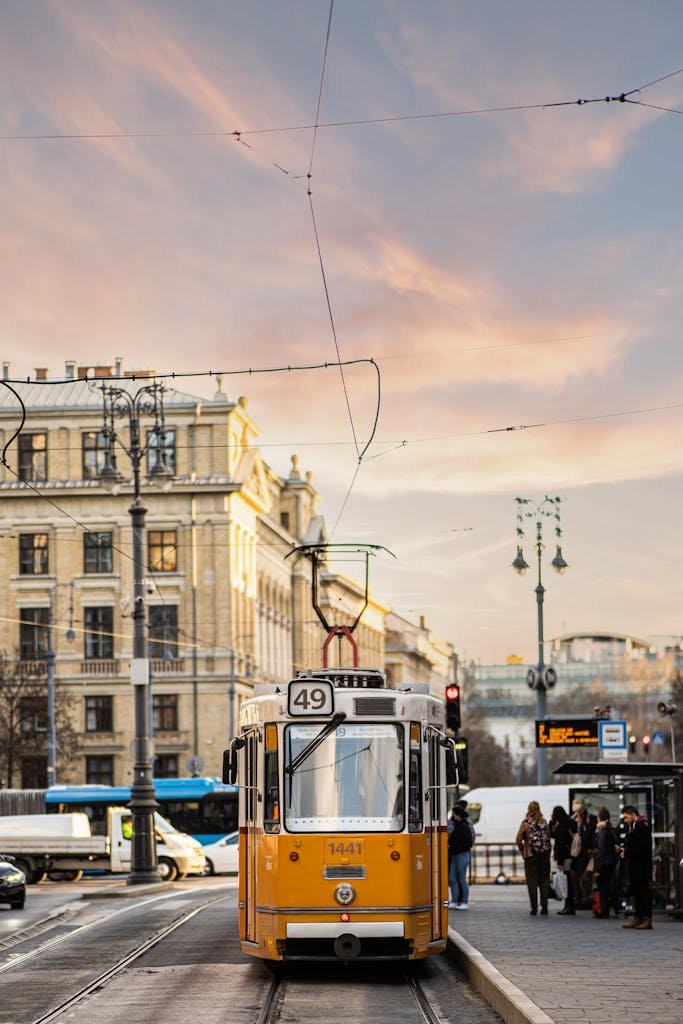
Budapest has an excellent public transportation system that includes metro lines, trams, buses, and trolleybuses. Once you start exploring the city, you will probably use public transport several times a day.
Instead of buying individual tickets every time you travel, I recommend getting a Budapest travel pass.
These passes allow unlimited travel on public transport for a fixed period. Common options include:
- 24 hour travel pass
- 72 hour travel pass
- 7 day travel pass
For visitors staying a few days, the 72 hour pass is usually the most convenient. It allows unlimited rides across the entire network and saves you the hassle of constantly validating new tickets.
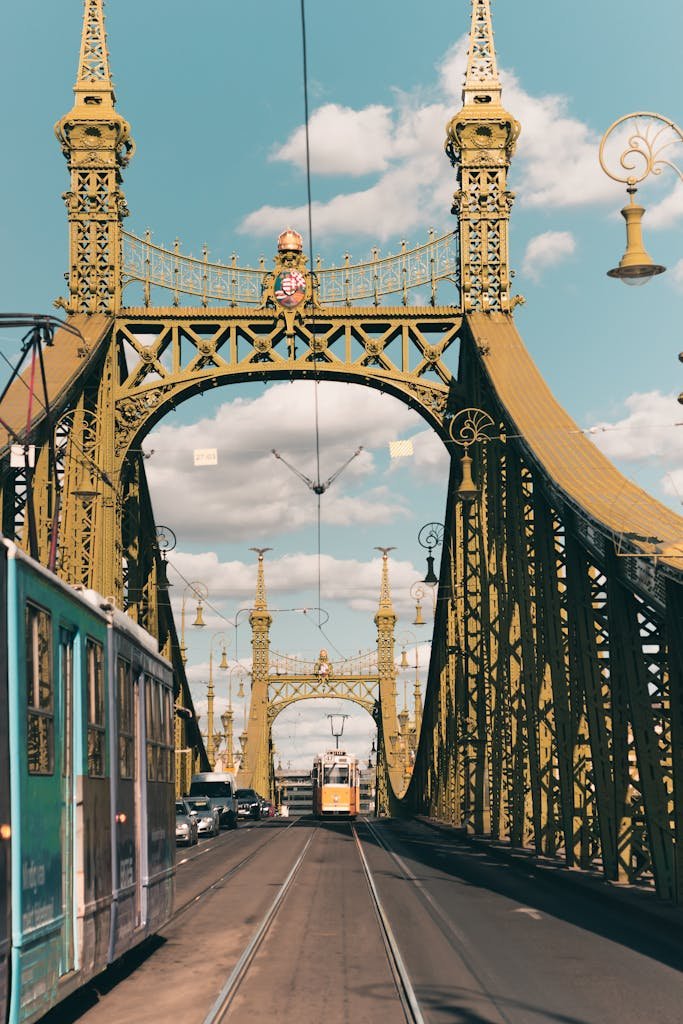
Budapest’s tram lines along the Danube are also surprisingly scenic, so sometimes public transport feels like a mini sightseeing tour.
Final Thoughts on Visiting Budapest
Budapest ended up being one of the most memorable stops of our Central Europe trip. When we first added it to our itinerary, I expected beautiful architecture and maybe a few famous landmarks along the Danube. What I did not expect was how much personality the city would have.
There is something about Budapest that feels dramatic in the best possible way. Grand buildings line the river, hilltop viewpoints reveal sweeping city panoramas, historic cafés look like miniature palaces, and underground caves and thermal baths hide beneath the streets. Every day felt like discovering another layer of the city.
What I loved most was the variety of experiences you can have here. In a single day you can explore castles and churches, walk across historic bridges, relax in mineral rich thermal baths, and end the evening cruising along the Danube while the skyline lights up. Few cities offer such a mix of history, culture, food, and scenery all in one place.
If you are planning a Central Europe trip, Budapest deserves a spot on your itinerary. The city is fascinating, visually stunning, and filled with unforgettable things to do in Budapest that make it one of the most rewarding destinations in the region.
Planning your trip to Budapest?
Save this guide so you have all the best things to do in Budapest, travel tips, and food recommendations in one place. And if you are exploring more of Central Europe, check out my detailed itineraries and travel guides on touroclock.com to help you plan the perfect trip.