

15 Best Things To Do In Brussels Belgium: Tips for first time visitors
When I started planning my trip to Belgium, I did exactly what you are probably doing right now. I opened my laptop and searched for things to do in Brussels Belgium.
Within seconds I was staring at dozens of lists. Grand Place. Manneken Pis. Atomium. Chocolate shops. Museums. Waffles. Fries. Beer. Every guide seemed to repeat the same famous places.
But I had a different question in my mind. I did not just want a checklist of attractions. I wanted to understand what Brussels actually was. What language do people speak there? What is the culture like? Why is the city famous? And most importantly, what does Brussels feel like when you are actually walking through it?
And the deeper I looked, the more fascinating the city became.
Brussels is the capital of Belgium, but it is also the de facto capital of the European Union, which already makes it politically important.
At the same time the city proudly calls itself the comic strip capital of the world, thanks to characters like Tintin and The Smurfs that were created here.
And then there are the unofficial titles that locals would happily add.
Chocolate capital. Beer capital. Waffle capital.
Possibly the only capital city in the world famous for a tiny statue of a boy peeing in a fountain.
Clearly, Brussels wears many identities at once.
When we (Dear Husband and I) finally arrived, after traveling through France and Luxembourg, the city slowly started revealing itself. The historic center turned out to be incredibly walkable. Chocolate shops seemed to exist on every corner. The smell of waffles drifted through the air, and cafés spilled out onto cobblestone sidewalks.
We had originally planned to stay in Brussels for two days. That plan disappeared quickly. Instead, we spent 5 days exploring the city and even made a short trip to Ghent, where my uncle lives.
If you are wondering what to do in Brussels Belgium, the city offers far more than the typical travel lists suggest. In this guide I will walk you through the best places to visit, the neighborhoods worth exploring, and the experiences that helped me understand what Brussels is really about.
Top Things to Do in Brussels, Belgium
Brussels may be the capital of Belgium, but it never feels overwhelming like many European capitals. The historic center is compact. Most of the famous sights sit within a short walking distance of each other.
One minute you are standing in a medieval square surrounded by gilded guild houses and a few minutes later you are in a quiet street that smells like warm waffles and melted chocolate. That contrast is what made the city interesting to me.
If you are wondering what to do in Brussels Belgium, the city blends grand architecture, quirky traditions, museums, and very serious food culture.
In my experience the best way to explore Brussels is simply to walk slowly and let the city unfold. The following places and experiences stood out the most during my time in Brussels.
Read my How to spend 5 Days in Switzerland Guide.
Grand Place (Grote Markt)
The first place everyone ends up in Brussels is Grand Place, or Grote Markt in Dutch.
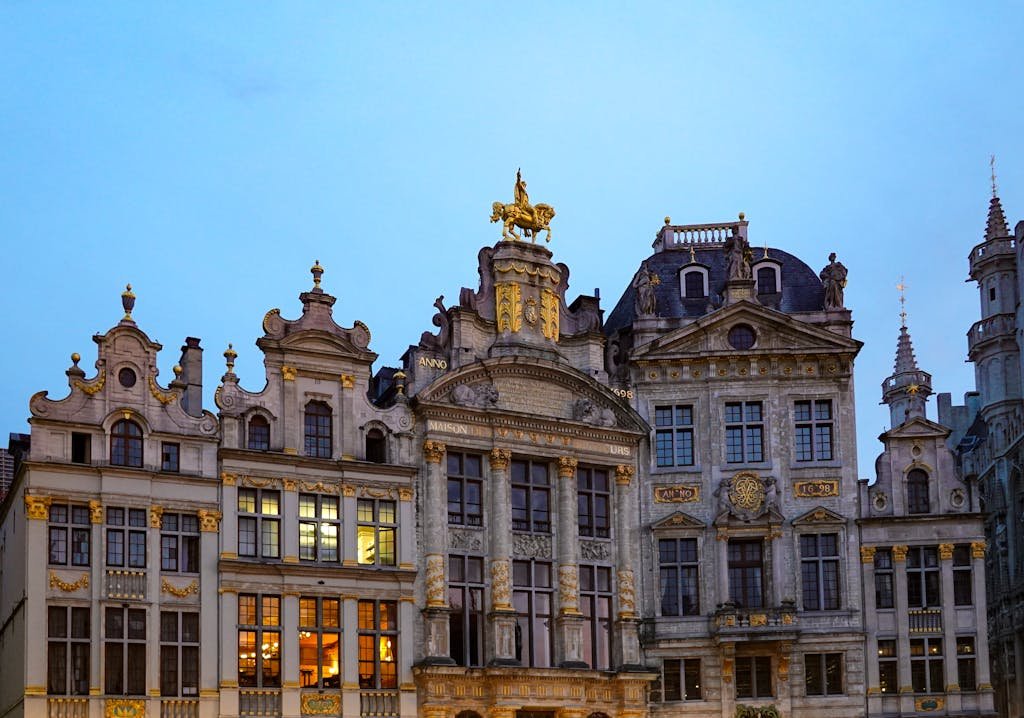
This is the main central square of the city and easily one of the most beautiful squares in Europe. When I walked into the square for the first time, I honestly stopped for a moment because the architecture looks almost theatrical.
Every building around the square is covered with elaborate details, sculptures, and gold accents that glow in the sunlight.
Grand Place is surrounded by magnificent guild houses that once belonged to powerful trade guilds in the 17th century. These houses represent professions like brewers, bakers, and boatmen. Their ornate facades create a continuous wall of architecture that feels almost unreal when you stand in the center of the square.
Two of the most important buildings here are Brussels City Hall (Hôtel de Ville) and the King’s House (Maison du Roi). The City Hall dominates the square with its tall Gothic tower that rises about 96 meters into the sky. Directly opposite stands the King’s House, which today hosts the Brussels City Museum.
Grand Place was recognized as a UNESCO World Heritage Site in 1998, and once you see it in person, it makes perfect sense why. The square represents centuries of Belgian history and craftsmanship.
Of course, it is also a massive tourist magnet.
During the day the square fills with visitors taking photos, tour groups listening to guides, and people sitting at café terraces. The surrounding streets are lined with restaurants and cafés that spill into the square. Prices here are noticeably higher than elsewhere in the city.
In my opinion it is fine to grab a coffee here just to enjoy the atmosphere, but for a full meal you might want to walk a few streets away where prices are much more reasonable.
Grand Place also hosts several important events throughout the year. One of the most famous is the Belgian Beer Weekend, which usually takes place in early September. During this event the square fills with beer stands representing dozens of Belgian breweries.
It becomes a lively celebration of Belgium’s beer culture with tastings and traditional costumes. Unfortunately we were not in Brussels during that weekend, but locals told me it transforms the square into a giant outdoor beer festival.
Another famous event is the Flower Carpet, which happens every two years in August. Thousands of begonias are arranged across the square to create a massive floral design covering almost 1,800 square meters. The display stays for only a few days, but photos of it are spectacular.
Grand Place is also beautiful at night. After sunset the buildings are softly illuminated and the square becomes calmer as day visitors leave.
Brussels City Hall (Hôtel de Ville)
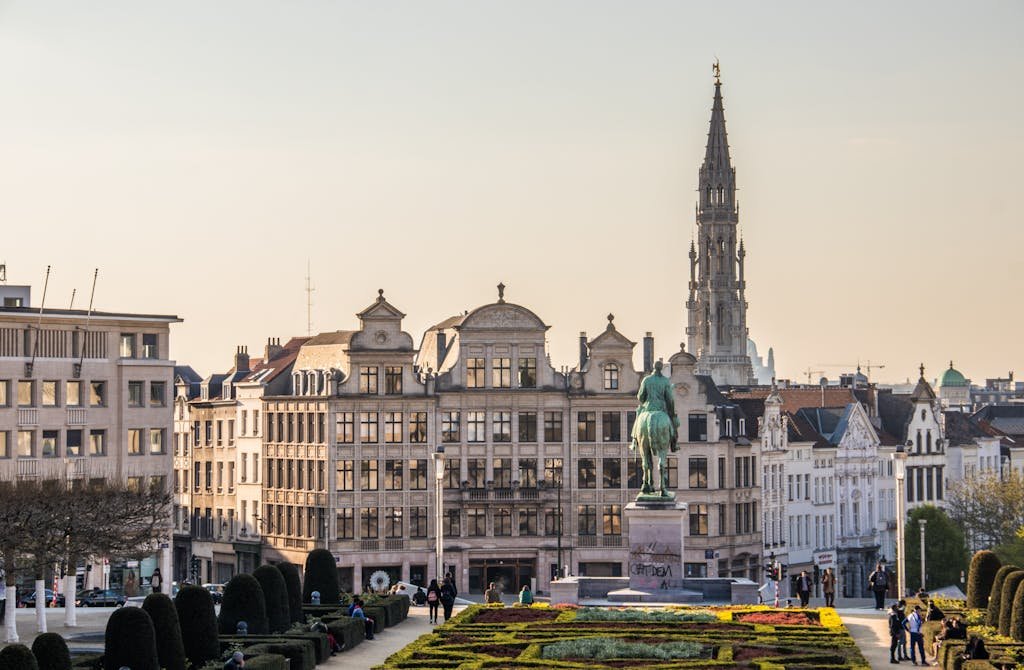
Standing on the southern side of Grand Place is Brussels City Hall, known in French as Hôtel de Ville. This is one of the finest examples of Gothic architecture in Belgium and easily one of the most impressive buildings in the square.
Construction of the City Hall began in 1402 and continued for several decades. The building’s most recognizable feature is the tall tower that rises 96 meters high. At the very top stands a statue of Saint Michael, the patron saint of Brussels, who is shown defeating a dragon.
The façade of the City Hall is covered with dozens of statues representing nobles, saints, and historical figures. It is worth taking a few minutes to look closely at the details because the craftsmanship is remarkable.
Visitors can explore the interior through guided tours or audio tours. The rooms inside are surprisingly grand. One of the most beautiful spaces is the wedding hall, which is used for official ceremonies. The rooms are decorated with tapestries, paintings, and elaborate woodwork that reflect the city’s long history.
To visit the interior you usually need to reserve a time slot in advance. Tickets can be booked online through the official Brussels City Hall website. There are also ticket machines inside the building where you can select your entry time.
If you have the Brussels Card, the visit is included. At the machine you simply select the Brussels Card option and reserve a time slot without paying an additional fee.
Typical visiting hours for City Hall tours are around 10:00 AM to 4:00 PM, though schedules may vary depending on the season. Guided tours generally last about 45 minutes.
Even if you do not enter the building, it is worth standing in the square and observing the tower from different angles. The asymmetry of the building is interesting because one side of the structure was built later than the other, giving the façade a slightly uneven look.
Royal Saint Hubert Galleries (Galeries Royales Saint Hubert)
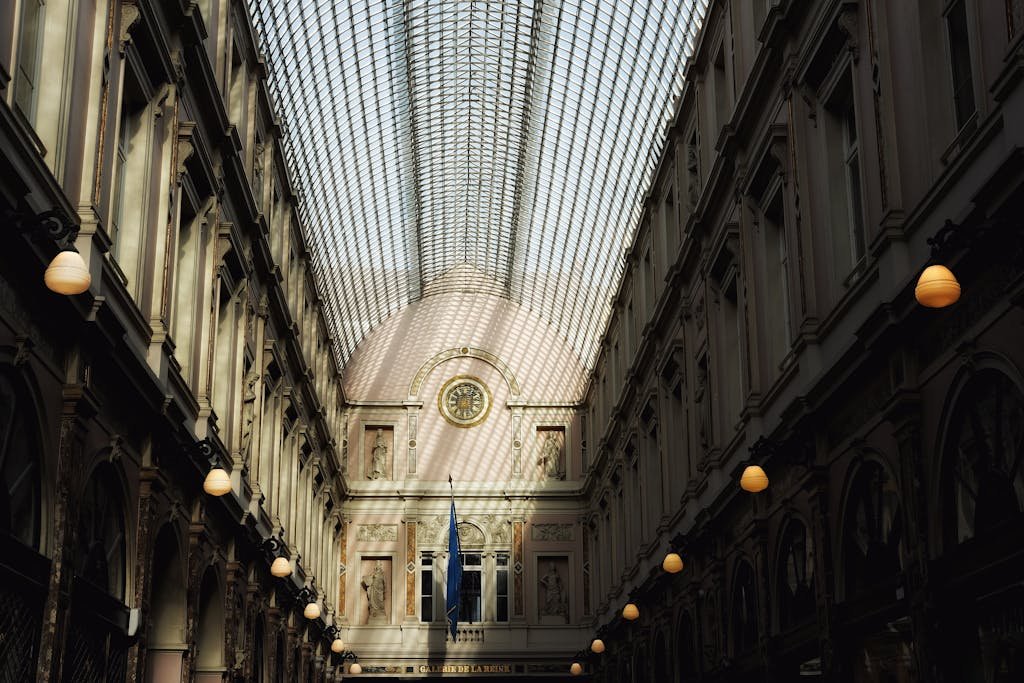
A short walk from Grand Place brings you to the elegant Galeries Royales Saint Hubert, one of the oldest shopping arcades in Europe. The galleries opened in 1847, making them older than many of the famous shopping arcades in Paris and Milan.
The complex is covered by a beautiful glass roof that stretches across three separate galleries. Sunlight filters through the glass ceiling and reflects off marble floors and elegant storefronts. Walking through the galleries feels more like strolling inside a palace than inside a shopping center.
The arcade is divided into three sections: Galerie de la Reine, Galerie du Roi, and Galerie des Princes. Each section is lined with luxury boutiques, chocolate shops, cafés, and small theaters.
Several famous Belgian chocolate makers have stores here, including Neuhaus and Pierre Marcolini. Even if you are not planning to buy chocolate, the displays alone are worth seeing.
The galleries are open daily, generally from 10:00 AM until around 7:00 PM, though cafés and restaurants stay open later.
I enjoyed simply walking through the arcade and watching the mix of tourists and locals. Street musicians sometimes perform under the glass roof, which adds to the atmosphere.
Manneken Pis
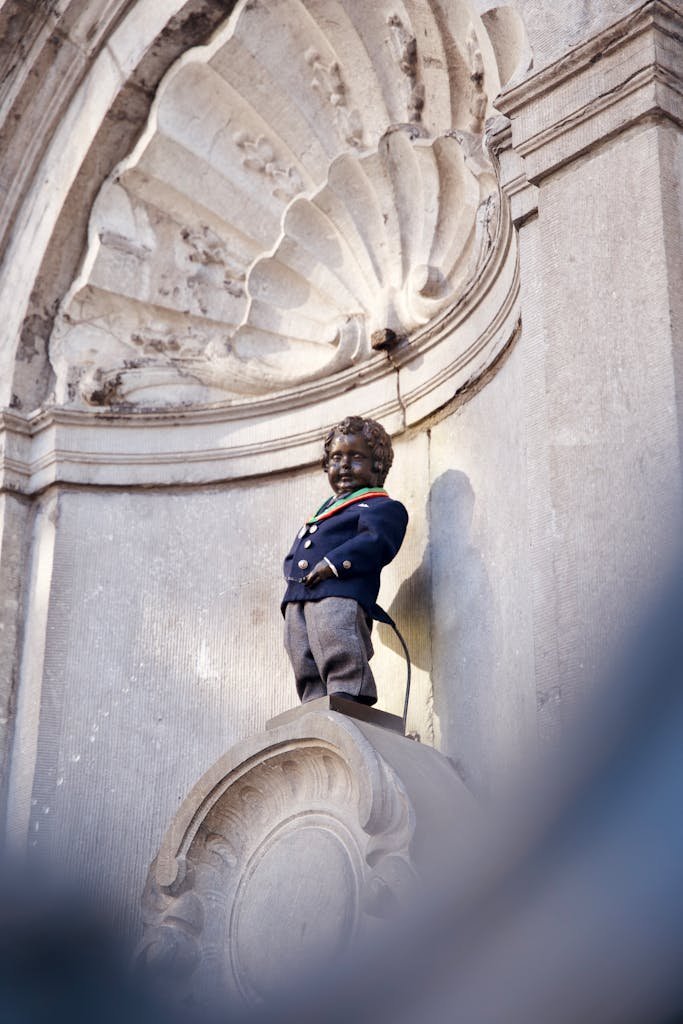
One of the most famous and slightly ridiculous landmarks in Brussels is Manneken Pis, a tiny bronze statue of a boy urinating into a fountain. The statue stands only 61 centimeters tall, yet it has become one of the most recognizable symbols of the city.
The statue was created in 1619 by sculptor Jérôme Duquesnoy. Over the centuries it has developed countless legends. One story says the boy saved the city by extinguishing a burning fuse with his urine.
Another story claims he was a lost child found relieving himself in the street.
Today the statue is located at the corner of Rue de l’Étuve and Rue du Chêne, just a few minutes from Grand Place.
When you arrive you might be surprised by how small the statue actually is. Despite its size, the area around it is almost always crowded with visitors taking photos.
A fun tradition associated with Manneken Pis is his wardrobe. The statue owns more than 1,000 costumes, and it is regularly dressed in different outfits to celebrate events and national holidays. His costume schedule is published by the city and changes throughout the year.
Getting the mandatory photo with Manneken Pis is simply part of the Brussels experience. It is quirky, a little strange, and somehow perfectly fits the playful personality of the city.
Belgian Beer World and The Beer Lab
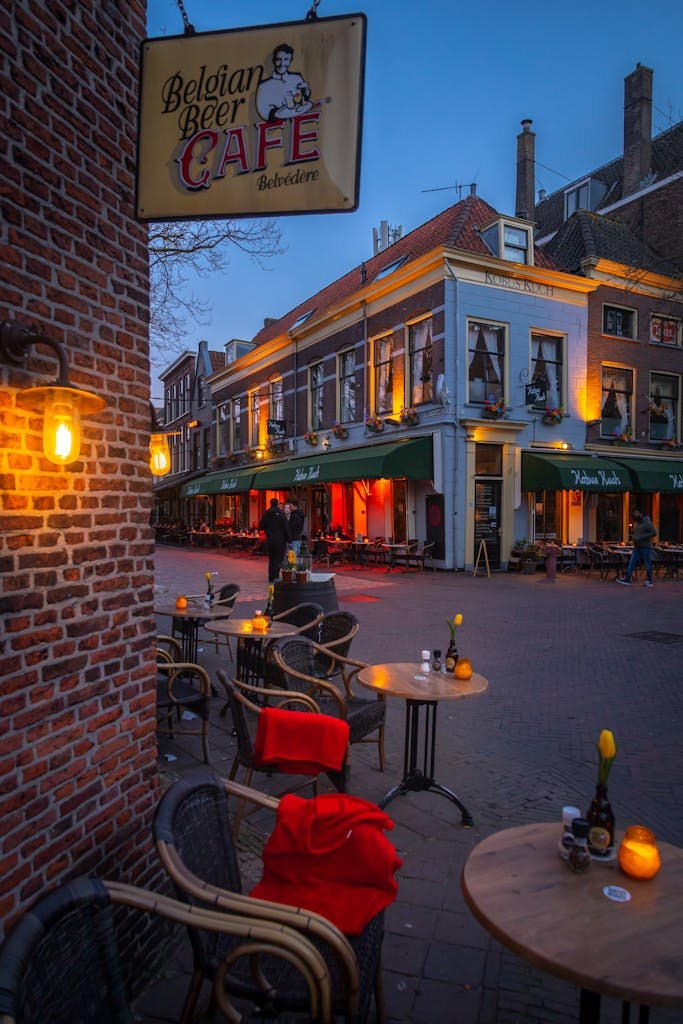
Belgium takes its beer very seriously, and one of the best places to understand that culture is Belgian Beer World, located inside the historic Brussels Stock Exchange building.
This interactive museum celebrates the country’s centuries old brewing tradition. Belgium has more than 400 breweries and over 1,500 different beers, so the subject is taken quite seriously.
Inside the museum you can learn about brewing techniques, ingredients, and the regional diversity of Belgian beer styles. Interactive exhibits explain everything from fermentation processes to the cultural importance of beer in Belgian society.
The highlight for many visitors is the rooftop tasting bar, which offers panoramic views over Brussels. Visitors can sample different Belgian beers while looking out across the city skyline.
General admission tickets cost around 19 euros for adults. The museum is typically open from 10:00 AM to 6:00 PM, though hours may vary depending on the season.
For beer lovers this place is easily one of the most interesting things to do in Brussels Belgium.
Belgian Comic Strip Centre
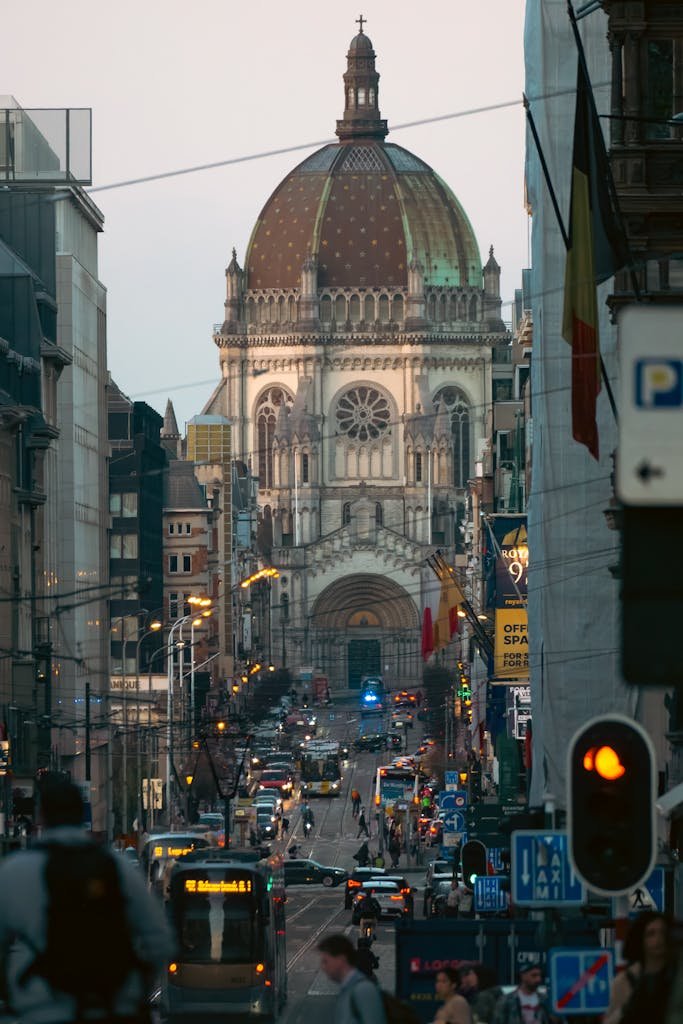
Brussels proudly calls itself the comic strip capital of the world, and the Belgian Comic Strip Centre explains why.
Belgium produced some of the most famous comic characters in Europe, including Tintin, The Smurfs, and Lucky Luke. The museum celebrates this rich comic tradition through exhibitions, original artwork, and interactive displays.
The museum building itself is worth seeing because it was designed by the famous architect Victor Horta, a pioneer of Art Nouveau architecture.
Inside you will find exhibits dedicated to the history of comic art and the artists who shaped the genre. There are original comic pages, sketches, and displays explaining how comics are created.
The museum is open daily from 10:00 AM to 6:00 PM, and tickets cost around 13 euros for adults.
Even if you are not a comic enthusiast, the museum is surprisingly engaging and visually interesting.
Old Masters Museum and Musée Magritte
Art lovers will enjoy visiting the Royal Museums of Fine Arts of Belgium, which includes the Old Masters Museum and the Musée Magritte.
The Old Masters Museum features works from famous Flemish painters such as Pieter Bruegel the Elder, Peter Paul Rubens, and Anthony van Dyck.
Just next door is the Magritte Museum, dedicated to the Belgian surrealist artist René Magritte. His paintings are known for their strange dreamlike scenes and playful visual puzzles.
The museum displays more than 200 works by Magritte, making it the largest collection of his art in the world.
Combined ticket prices are usually around 15 euros, and the museums are typically open from 10:00 AM to 5:00 PM, with extended hours on certain days.
Snack on Belgian Fries
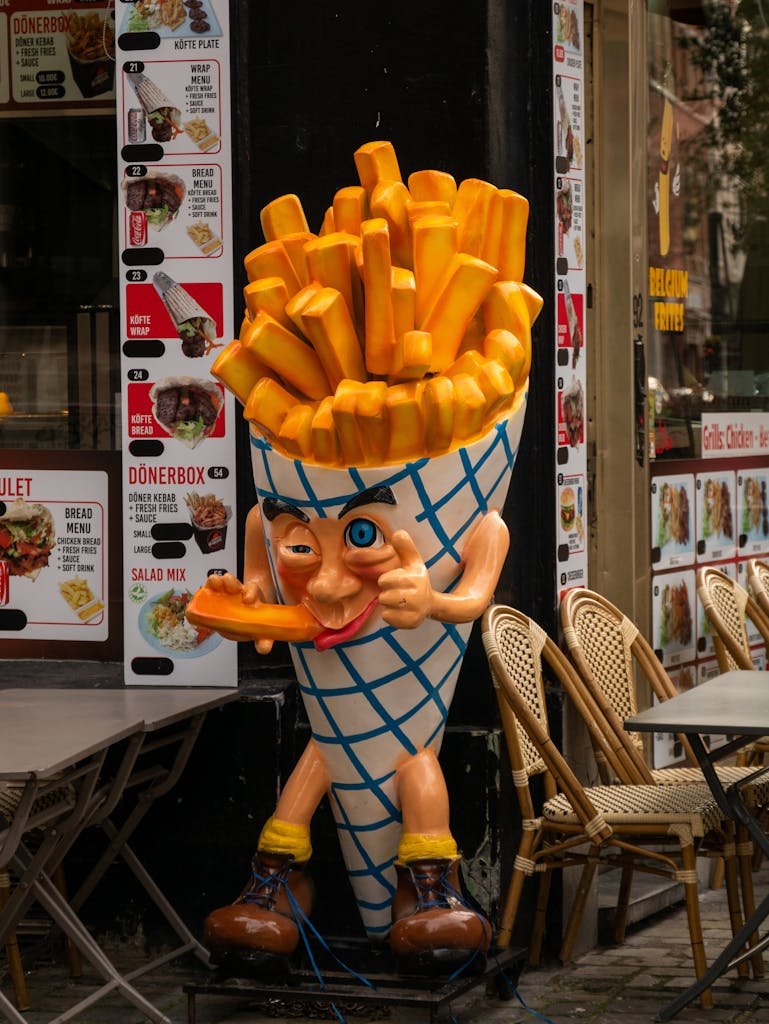
Belgian fries are taken very seriously here. Locals insist that French fries were actually invented in Belgium, not France.
The traditional Belgian method involves frying potatoes twice, which creates a crispy exterior and soft interior. Fries are usually served in paper cones with a wide selection of sauces.
Popular sauces include mayonnaise, andalouse sauce, and samurai sauce.
One famous spot to try them is Maison Antoine near Place Jourdan. A portion of fries typically costs around 4 to 5 euros.
Gorg on Waffles
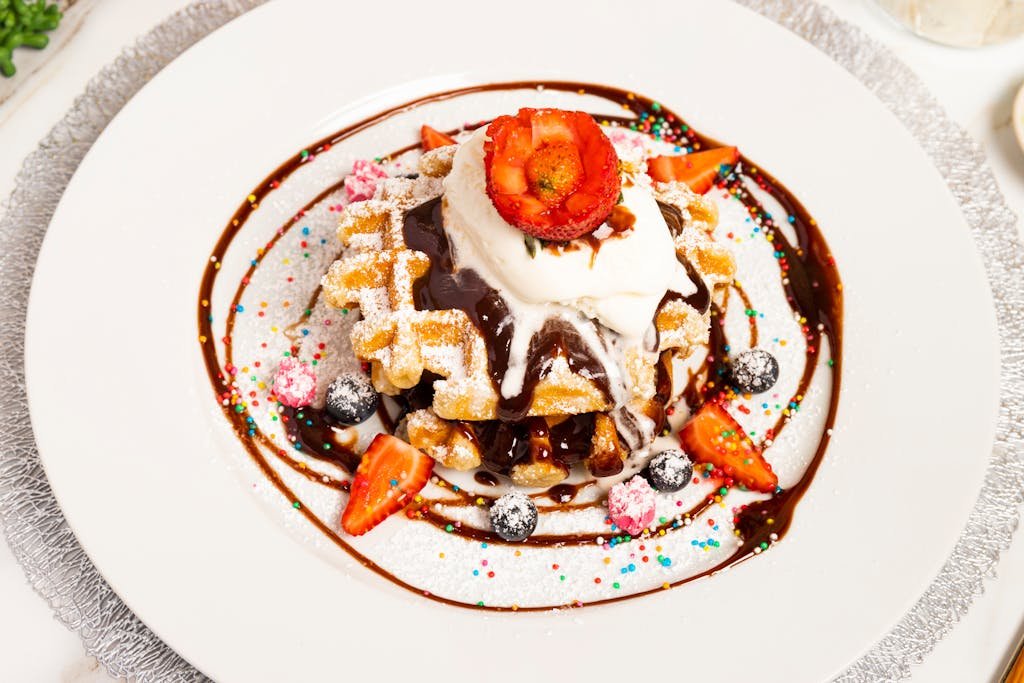
Trying waffles is practically mandatory when visiting Brussels. There are two main styles you will encounter.
The Brussels waffle is rectangular and light with deep pockets for toppings.
The Liège waffle is denser and sweeter with caramelized sugar inside the dough.
One popular place to try them is Gorg on Waffles, known for creative toppings and generous portions.
Prices usually range from 4 to 8 euros depending on toppings.
Chocolate Tasting in Brussels
Belgium is world famous for its chocolate, and Brussels is filled with chocolate shops.
Several companies offer guided chocolate tours where you can taste pralines and learn about the chocolate making process. Many city tour packages include it.
Many tours last about 2 to 3 hours and cost around 35 to 45 euros per person.
Famous chocolatiers to visit include Neuhaus, Godiva, and Pierre Marcolini.
Atomium
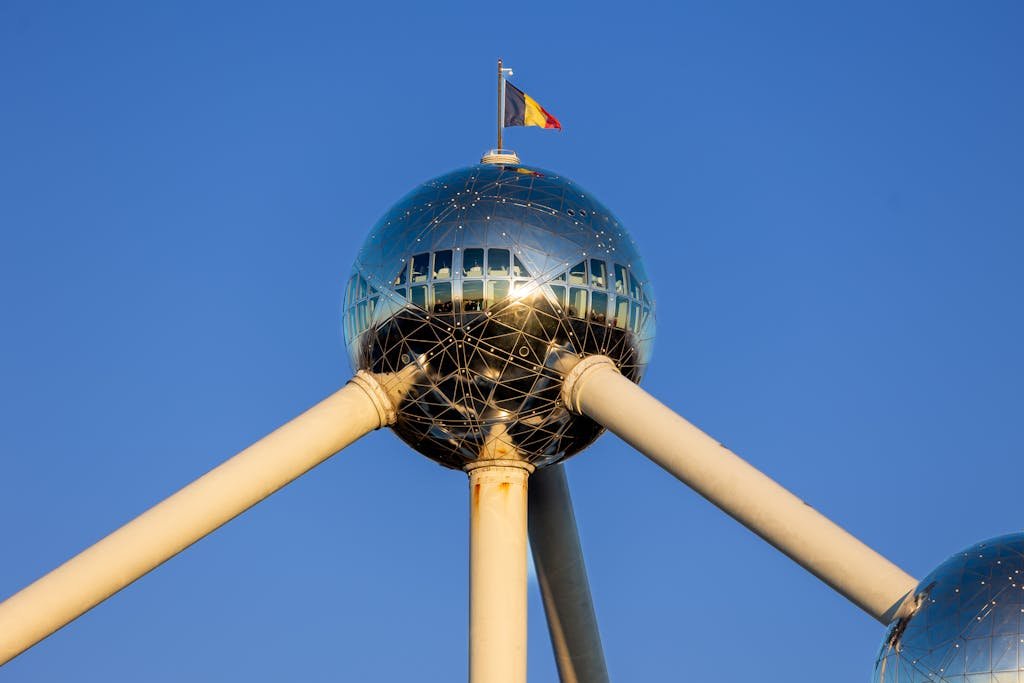
The Atomium is one of the most unusual landmarks in Brussels. The structure represents an iron crystal magnified 165 billion times.
It was originally built for the 1958 Brussels World Expo and stands about 102 meters tall.
Visitors can take escalators and elevators between the giant spheres to reach observation decks and exhibitions.
Tickets cost around 16 euros and the attraction is usually open from 10:00 AM to 6:00 PM.
Cinquantenaire Park (Parc du Cinquantenaire)
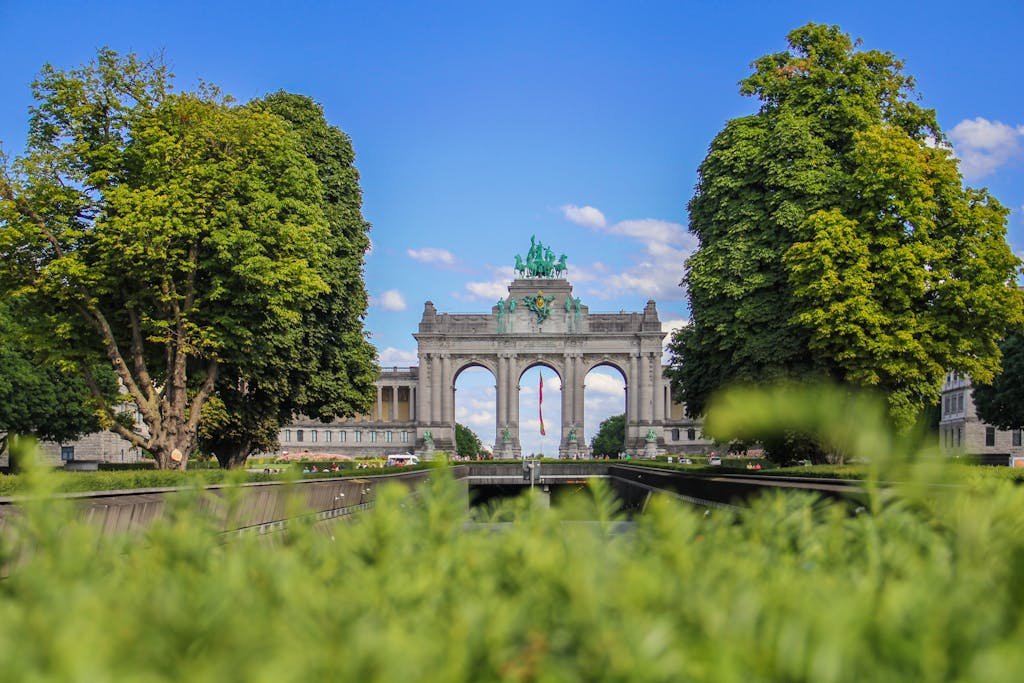
Cinquantenaire Park is one of the largest green spaces in Brussels. The park was built in 1880 to celebrate the fiftieth anniversary of Belgian independence.
The park’s most famous feature is the massive triumphal arch, which resembles a smaller version of the Arc de Triomphe in Paris.
The park is a great place to relax after a day of sightseeing.
It also houses several museums including the Royal Museum of the Armed Forces and the Autoworld Museum.
Nerd Out in the European Quarter
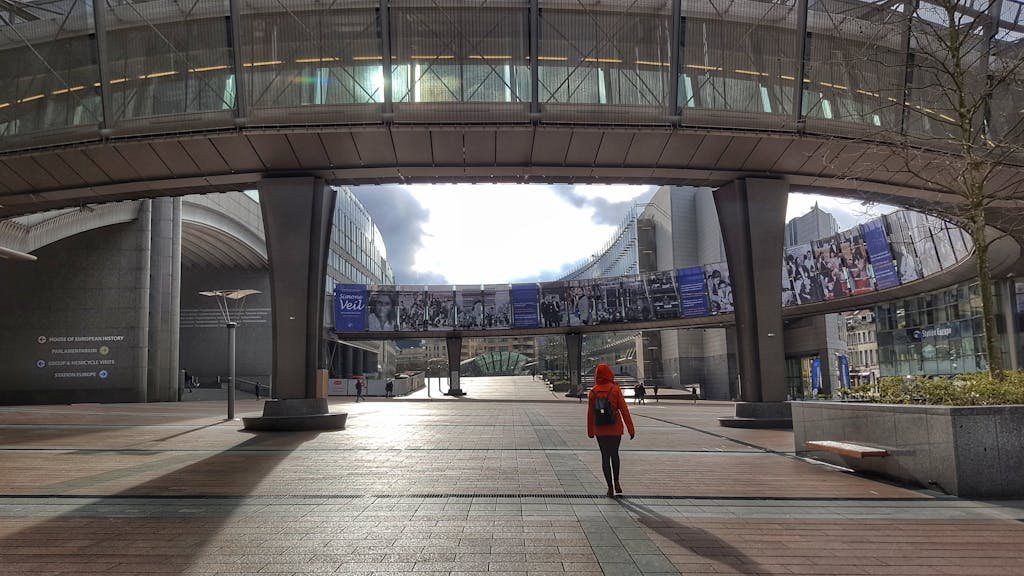
Brussels is the political center of the European Union, and the European Quarter is where many of the EU institutions are located.
You can see buildings such as the European Parliament, the European Commission, and the Council of the European Union.
The Parlamentarium, the visitor center of the European Parliament, offers free interactive exhibitions explaining how the EU works.
It is open daily and admission is free.
Brussels’ Prettiest Bookshop
One hidden gem in the city is Cook & Book, often described as one of the most beautiful bookstores in Brussels.
The shop combines books, themed reading rooms, and restaurants in a creative layout.
Each room has a different design theme, making it a fun place to explore even if you are not planning to buy books.
It is located slightly outside the historic center but worth visiting if you enjoy unique bookstores.
Other Must-see Attractions in Brussels If You Have Time
Even after visiting the major landmarks, you will notice that Brussels still has a long list of museums, churches, and historic buildings waiting quietly around the city.
Some of these places are not always mentioned in short travel guides, yet they add a lot of depth to your visit.
The following attractions may not always be the first things people think about when planning what to do in Brussels Belgium, but they help you understand the city much better.
Brussels City Museum (Maison du Roi / Broodhuis)
Located directly on Grand Place, the Brussels City Museum sits inside the striking King’s House, known in French as Maison du Roi and in Dutch as Broodhuis. The building itself already looks like something from a fairytale with its decorative Gothic façade and tall windows.
Despite the name, the King never actually lived here. Historically this building served various administrative purposes, including bread markets and government offices. Today it houses the museum dedicated to the history of Brussels.
Inside the museum you will find paintings, sculptures, maps, and historical objects that tell the story of how Brussels evolved from a medieval trading town into the modern capital of Belgium and the European Union.
One particularly fun section of the museum displays the wardrobe of Manneken Pis. The tiny statue owns hundreds of costumes donated by different countries and organizations.
Tickets typically cost around 10 euros for adults. If you have the Brussels Card, entry is included. The museum usually opens from 10:00 AM to 5:00 PM, although hours can change depending on the season.
Even if you are not a big museum person, it is worth stepping inside simply because the building stands right on Grand Place and offers an interesting perspective on the city’s history.
St Michael and St Gudula Cathedral
Just a short walk from the historic center stands the impressive St Michael and St Gudula Cathedral, one of the most important religious buildings in Belgium.
The cathedral’s construction began in the 11th century, and the Gothic structure that you see today was largely completed between the 13th and 16th centuries. The twin towers at the front rise nearly 64 meters high, creating a dramatic entrance that immediately catches your attention.
Inside, the space becomes even more impressive. The tall columns and stained glass windows create a calm and almost monumental atmosphere.
The cathedral is known for its beautiful 16th century stained glass windows that depict biblical scenes and historical figures. Sunlight filtering through these windows adds colorful reflections across the interior.
Several Belgian royal weddings and funerals have taken place here, which gives the cathedral additional historical importance.
Entry to the cathedral is free, although donations are welcome. It is usually open daily from around 7:30 AM to 6:00 PM, though some areas may close during services.
If you enjoy architecture and history, this cathedral is one of the most beautiful places to visit in Brussels.
Musical Instruments Museum (MIM)
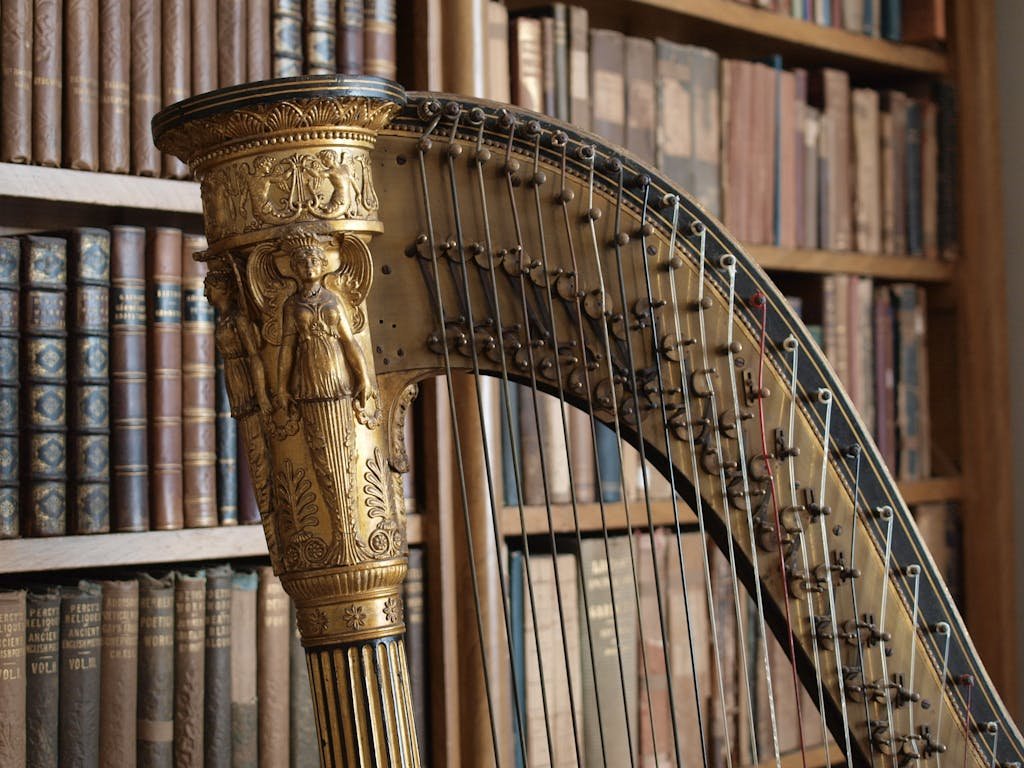
The Musical Instruments Museum, often called MIM, is one of the most fascinating museums in Brussels. Even if you are not particularly interested in music, the experience here is surprisingly engaging.
The museum is housed in the elegant Old England Building, a stunning example of Art Nouveau architecture built in 1899. The building itself is worth visiting just to admire its decorative ironwork and glass façade.
Inside the museum you will find more than 8,000 musical instruments from different cultures and historical periods. What makes the experience special is the audio guide system. Visitors receive headphones that automatically play music when you stand near each display. You can actually hear how the instruments sound while looking at them.
The collection includes everything from ancient instruments and early keyboards to unusual folk instruments from around the world.
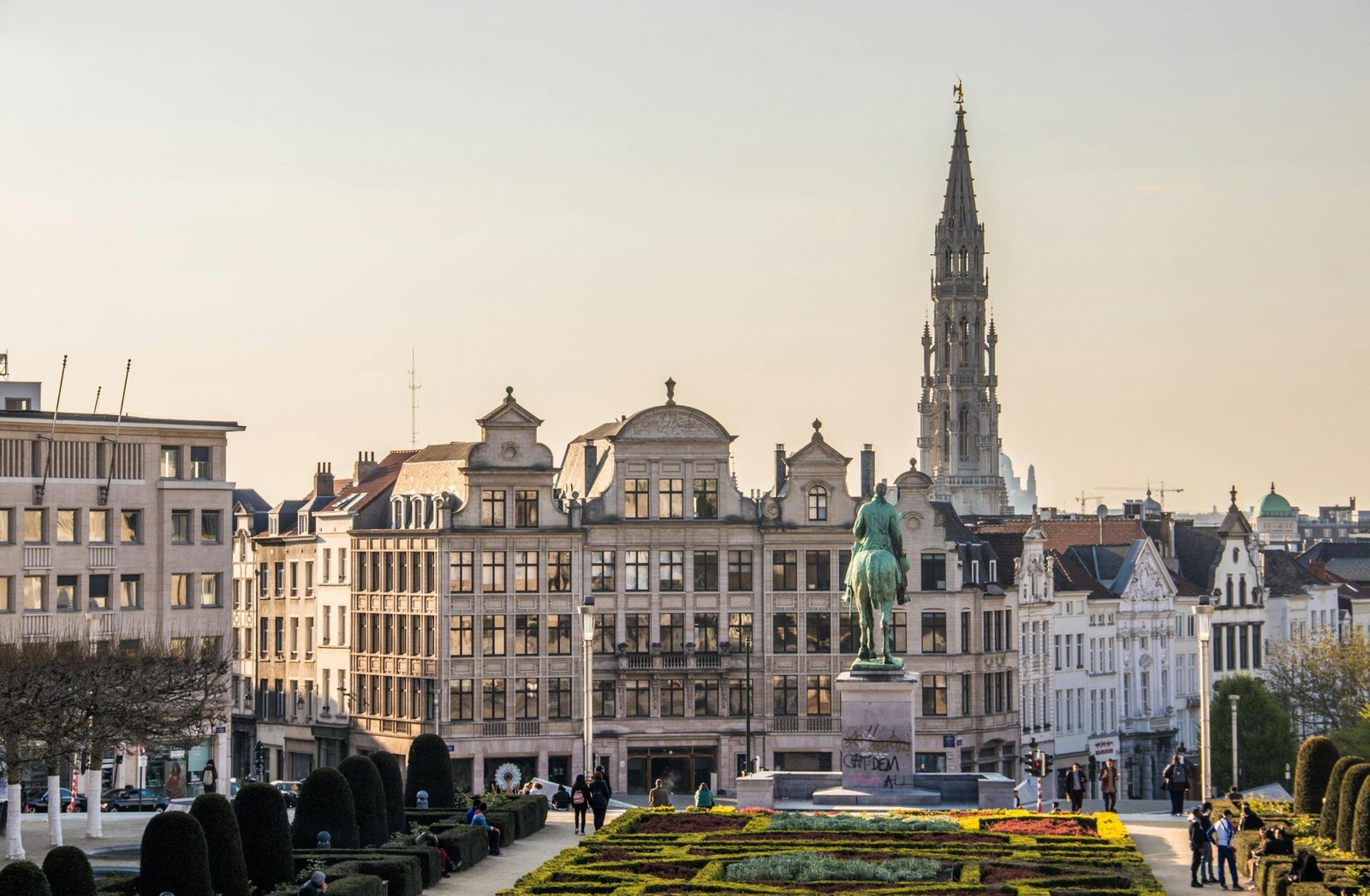
One of the highlights of visiting the museum is the rooftop restaurant and terrace, which offers one of the best panoramic views of Brussels. From here you can see landmarks like Mont des Arts and the city skyline stretching into the distance.
Tickets usually cost around 15 euros, and the museum is generally open from 9:30 AM to 5:00 PM, with slightly different hours on weekends.
Royal Palace of Brussels
The Royal Palace of Brussels stands at the edge of Brussels Park and serves as the official administrative palace of the Belgian monarchy. Although the royal family does not live here, the building is used for official events and ceremonies.
The palace’s elegant neoclassical façade stretches across a large open square, giving the building a very grand appearance.
Visitors can tour the interior of the palace, but only during a limited period each year. The palace opens to the public during the summer months, usually from late July until early September after the Belgian National Day celebrations.
During this period visitors can explore several rooms inside the palace, including reception halls, galleries, and ceremonial spaces decorated with chandeliers and elaborate artwork.
One of the most interesting rooms is the Mirror Room, which features a unique ceiling decorated with thousands of beetle wing cases that create shimmering green reflections.
Admission to the palace during the open season is free, making it one of the most interesting cultural experiences in Brussels if you happen to visit during summer.
Église Notre Dame du Sablon and Square du Petit Sablon
The Église Notre Dame du Sablon is one of the most beautiful Gothic churches in Brussels and sits in the elegant Sablon district.
Construction of the church began in the 15th century, and the building is admired for its delicate Gothic architecture and impressive stained glass windows.
Inside the church you will find tall arches, detailed sculptures, and colorful windows that fill the space with soft light. The atmosphere here feels calm and contemplative compared to the busy tourist areas nearby.
Right across from the church lies Square du Petit Sablon, a small but beautifully designed garden square surrounded by decorative iron fences and statues representing medieval guilds.
The square features 48 small statues symbolizing the historical guilds of Brussels along with statues of famous Belgian figures such as Counts Egmont and Hornes.
This peaceful garden is a lovely place to sit for a few minutes and take a break from sightseeing.
Neighbourhoods and Coffee in Brussels
After visiting the major landmarks and museums, one of the best ways to understand a city is simply to walk through its neighbourhoods.
Brussels is especially good for this because each district has its own personality.
In my opinion, exploring these districts is one of the most enjoyable things to do in Brussels Belgium.
Landmarks show you the history of the city, but neighbourhoods reveal how people actually live there. Antique shops, flea markets, local bakeries, and relaxed cafés give Brussels a much more personal character than the busy tourist streets around Grand Place.
Sablon / Zavel
The Sablon, or Zavel in Dutch, is easily one of the most elegant neighbourhoods in Brussels.
The area feels refined without being overly formal, and it is known for its antique shops, art galleries, chocolate boutiques, and charming squares.
At the center of the district sits Place du Grand Sablon, a beautiful square surrounded by cafés and historic buildings.
On weekends the square hosts a well known antiques market, where collectors and visitors browse through vintage objects, art pieces, and unusual collectibles.
Even if you are not planning to buy anything, the market is fun to explore.
One of the architectural highlights here is the Église Notre Dame du Sablon, a stunning Gothic church dating back to the 15th century. The interior is peaceful and filled with colorful stained glass windows that create a soft glow inside the church.
Sablon is also famous for its chocolate shops. Some of Belgium’s most respected chocolatiers, including Pierre Marcolini, have boutiques here.
Walking through this neighbourhood can quickly turn into a chocolate tasting tour without much effort.
I personally enjoyed this part of Brussels because it feels relaxed and slightly sophisticated. It is a great area to slow down, grab a coffee, and wander without a strict plan.
Marolles
The Marolles district offers a completely different side of Brussels.
While Sablon feels elegant, Marolles feels more raw, local, and authentic. It is a neighbourhood where everyday life unfolds in a way that feels less polished but much more real.
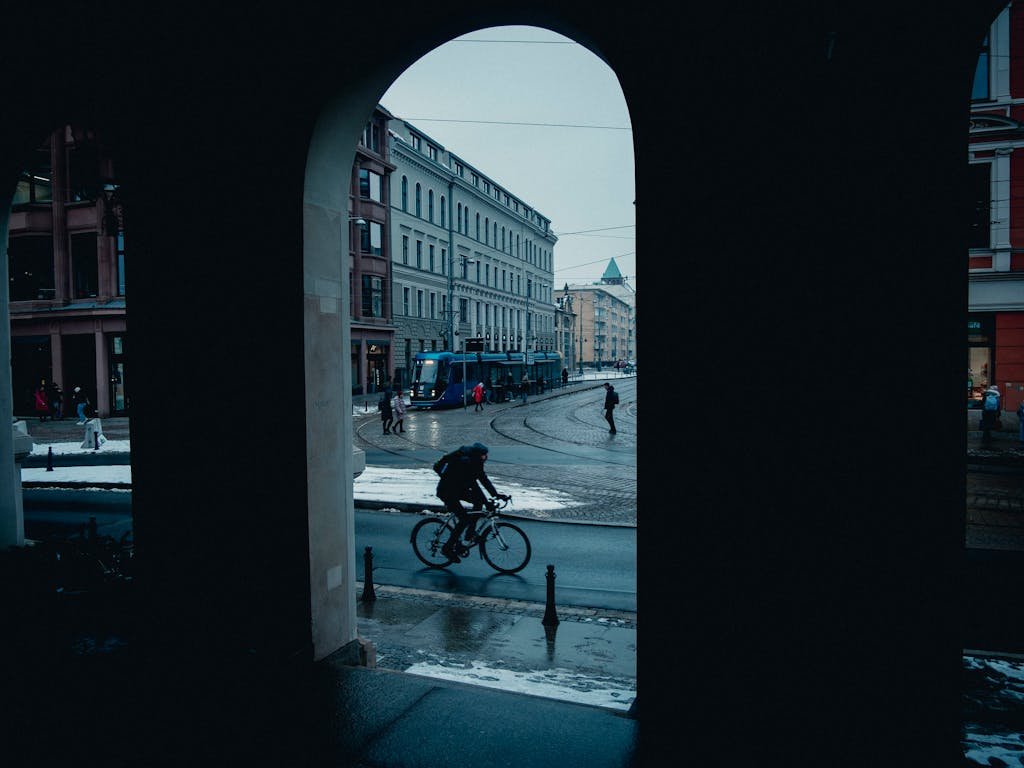
The heart of Marolles is Place du Jeu de Balle, which hosts the city’s most famous flea market. The market operates every morning from around 7:00 AM until about 2:00 PM and is one of the oldest flea markets in Belgium. Vendors sell everything from vintage furniture and old books to rare antiques and second-hand curiosities.
The surrounding streets are filled with small vintage shops, thrift stores, and quirky boutiques. Marolles also has a reputation for street art and creative spaces, giving the area a slightly artistic vibe.
One interesting feature of the neighbourhood is the Palais de Justice, a massive courthouse building that towers above the district. From nearby viewpoints you can also enjoy some great panoramic views of Brussels.
Îlot Sacré
Just a few steps away from Grand Place lies Îlot Sacré, which literally means the “Sacred Isle.” This historic district is one of the oldest parts of Brussels and is known for its maze of narrow streets packed with restaurants.
Many visitors pass through Îlot Sacré without realizing that they are walking through a district that has preserved much of its medieval street layout. The area is filled with small alleys and historic buildings that create a cozy and lively atmosphere.
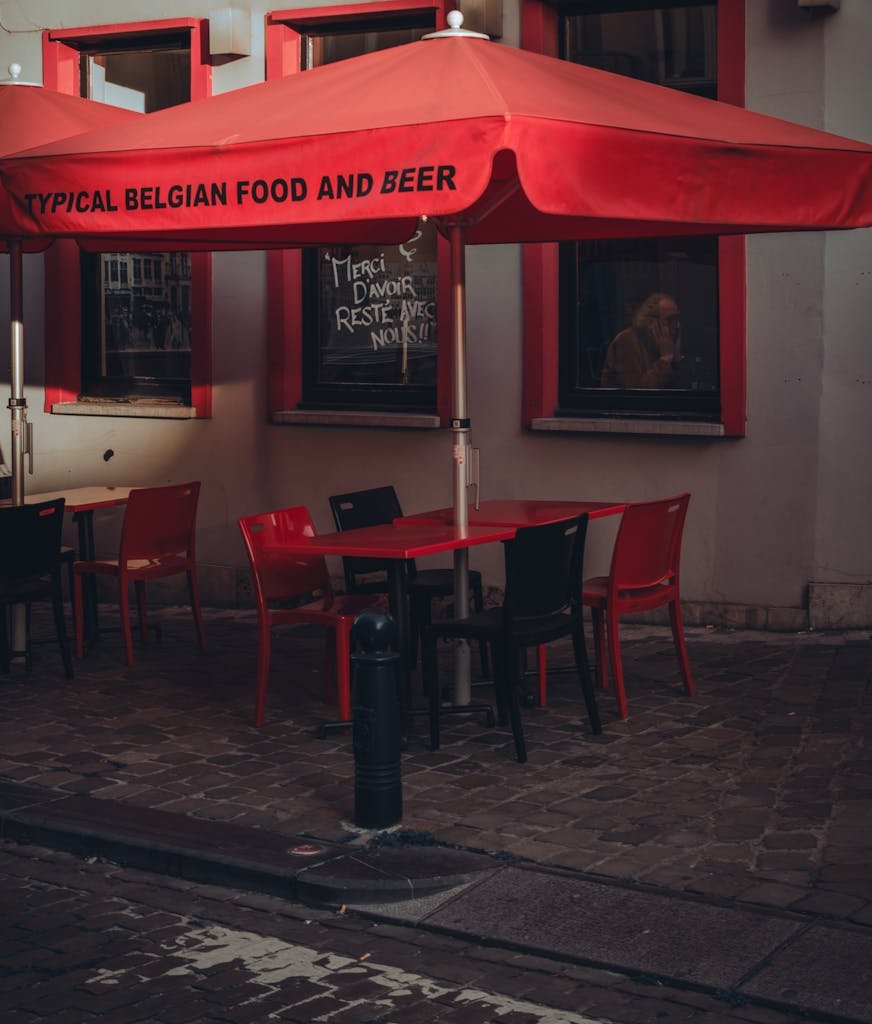
Some of the streets here are famous for their traditional Belgian restaurants. Rue des Bouchers, in particular, is lined with restaurants serving classic Belgian dishes such as moules frites, beef carbonnade, and fresh seafood.
The neighbourhood can feel quite busy, especially during the evening when restaurant terraces fill with visitors. Some restaurants in the area are more tourist oriented, so it is always a good idea to check menus before sitting down.
Even so, the atmosphere of Îlot Sacré is worth experiencing. It captures the lively restaurant culture that many people associate with Brussels.
Saint-Géry
The Saint-Géry district is where Brussels feels young and energetic.
Located near the historic center, this area has become one of the city’s most popular spots for cafés, bars, and nightlife.
At the center of the neighbourhood stands Place Saint-Géry, a square surrounded by lively terraces and restaurants. In the middle of the square is the Halles Saint-Géry, a historic market hall that has been converted into a cultural space hosting exhibitions and events.
During the day, the district feels relaxed with people sitting outside cafés and enjoying coffee or lunch. In the evening the atmosphere changes completely. Bars fill with locals, music drifts through the streets, and the neighbourhood becomes one of the most vibrant areas in the city.
If you enjoy experiencing the social side of a city, Saint-Géry is a great place to spend an evening after exploring the main things to do in Brussels Belgium during the day.
Coffee and Brunch in Brussels
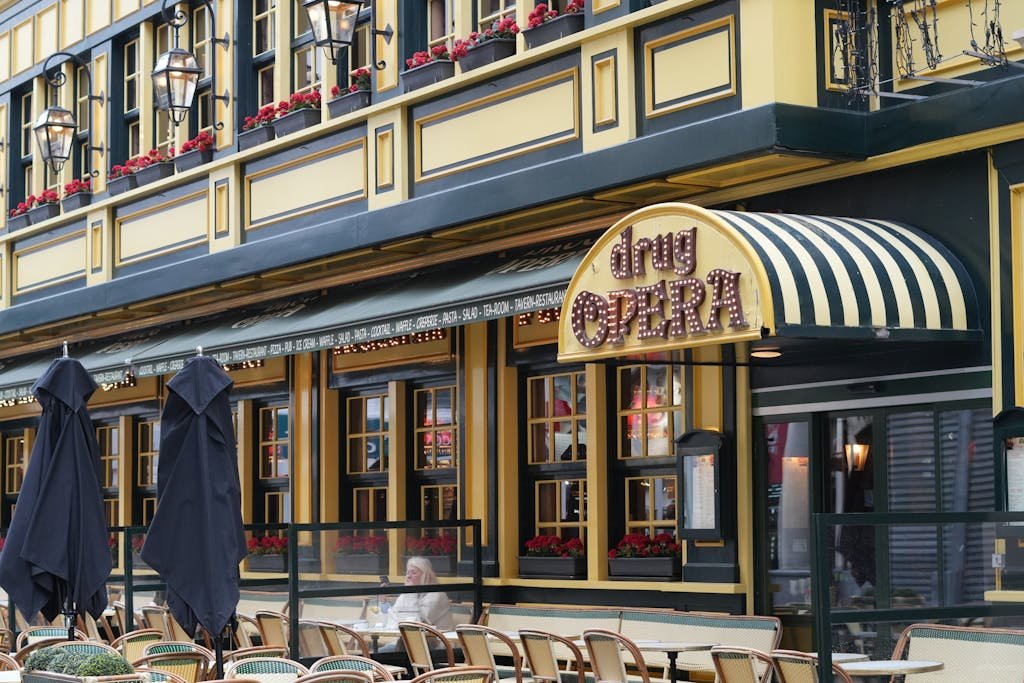
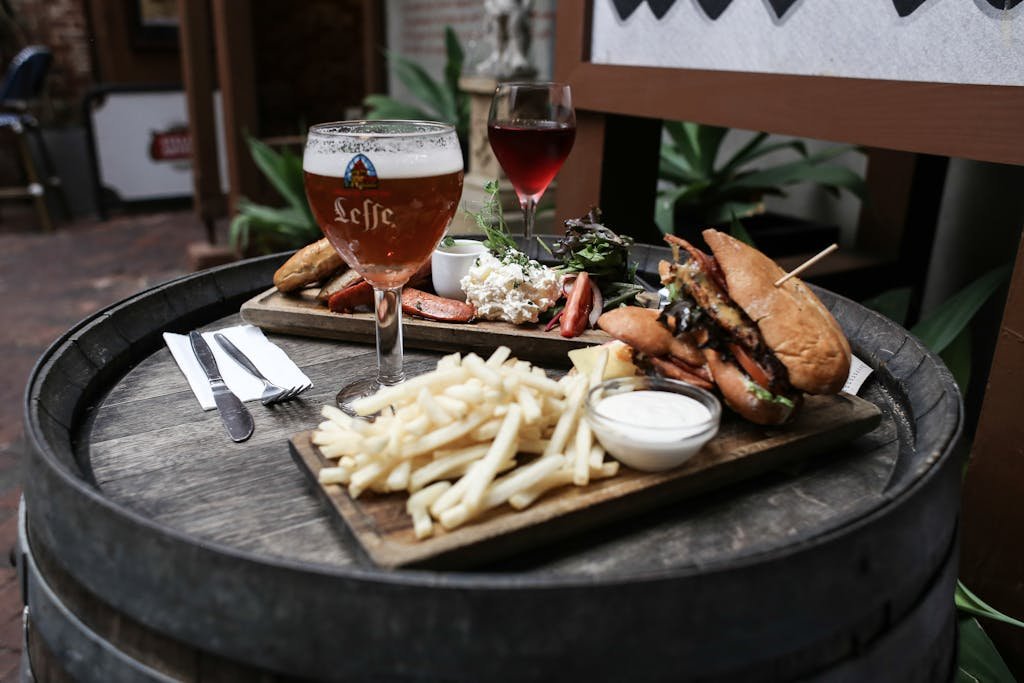
Brussels may be famous for beer and chocolate, but the city also has a growing café culture. In recent years many independent coffee shops and brunch cafés have appeared across the city, creating a relaxed and creative atmosphere.
Coffee in Brussels is not rushed. People often sit for a while, read a book, meet friends, or simply watch the street outside. It fits perfectly with the slower rhythm of exploring the city.
Some popular cafés include Café Capitale, which is known for specialty coffee and a friendly atmosphere. Peck 47 is a well loved brunch spot offering dishes like pancakes, avocado toast, and hearty breakfast plates. Another favorite is OR Coffee, which focuses on high quality beans and minimalist café design.
Many cafés open around 8:00 or 9:00 AM, making them great places to start the day before heading out to explore the city.
Planning and Logistics for Visiting Brussels
Once you have an idea of the best things to do in Brussels Belgium, the next step is figuring out the practical side of the trip.
Brussels is actually one of the easier European capitals to plan because the city is compact, well connected by trains, and very walkable.
Most travelers arrive here while moving between other major European cities like Paris or Amsterdam, which makes Brussels a convenient stop on a Western Europe itinerary.
During my own trip, Brussels worked perfectly as a base for exploring Belgium. The train connections are fast, the city center is manageable on foot, and you can easily take day trips to places like Ghent, Bruges, or Antwerp.
Once you understand a few basics about timing, transportation, and neighborhoods, planning what to do in Brussels Belgium becomes surprisingly simple.
When to Go to Brussels?
Brussels is a year round destination, but the experience can feel quite different depending on the season.
Spring and early summer are probably the most comfortable times to visit.
Between April and June, temperatures usually range from 12°C to 22°C, which makes walking around the historic center very pleasant. Parks and outdoor cafés start filling with people, and the city feels lively without being overwhelmingly crowded.
Summer, especially July and August, is the busiest tourist season. Temperatures can reach around 25°C, though Brussels rarely gets extremely hot. This is also when many cultural events take place, including outdoor concerts and festivals.
The Royal Palace of Brussels opens to the public during the summer months, which makes this a good time to visit if you want to see the interior.
Autumn, particularly September and October, is another great time to visit. The weather is cooler but still comfortable, and tourist crowds begin to thin out. One special event that takes place in early September is the Belgian Beer Weekend at Grand Place, which celebrates Belgium’s famous brewing tradition.
Winter brings a completely different atmosphere to the city. From late November until early January, Brussels hosts Winter Wonders, one of the largest Christmas markets in Belgium. The historic center fills with festive lights, ice skating rinks, and dozens of wooden stalls selling food and gifts. Temperatures in winter usually range between 0°C and 7°C, so warm clothing is essential.
How Long Do You Need in Brussels?
Many travelers assume Brussels can be covered in one day, but in my opinion that would feel rushed. The city may be compact, but there is quite a lot to experience once you start exploring museums, neighborhoods, and food spots.
If your schedule is tight, you can see the main highlights such as Grand Place, Manneken Pis, and the Royal Saint Hubert Galleries in one full day.
Two days in Brussels allows you to add museums like the Magritte Museum or the Comic Strip Centre, visit the Atomium, and explore neighborhoods like Sablon or Saint Géry.
Personally, I spent five days in Belgium, using Brussels as my base. This allowed me to experience the city more slowly and also take a short trip to Ghent. In my opinion, three to four days in Brussels is the ideal amount of time to enjoy the main attractions without rushing.
How to Get to Brussels?
Brussels is one of the best connected cities in Europe, especially by train. Many travelers include it as part of a larger Western Europe route.
The main international train station is Brussels Midi (Bruxelles-Midi / Brussel-Zuid). This station connects Brussels with major cities across Europe through high speed rail networks.
Some common train routes include:
- Paris to Brussels by Thalys train, which takes about 1 hour 25 minutes
- Amsterdam to Brussels by Eurostar, around 2 hours
- London to Brussels by Eurostar, about 2 hours
- Luxembourg to Brussels by regional train, roughly 3 hours
When I arrived in Brussels, I came from Luxembourg City by train after spending a day there. The journey was comfortable and scenic, passing through small Belgian towns and the countryside.
Brussels also has an international airport called Brussels Airport (BRU), located about 12 kilometers from the city center. The train from the airport to Brussels Central Station takes about 20 minutes and costs around 10 euros.
Getting Around Brussels
One of the things I appreciated most about Brussels is how walkable the historic center is. Most of the major attractions sit within a 15 to 20 minute walking radius around Grand Place.
Walking is honestly the best way to explore the city because you constantly discover small streets, chocolate shops, cafés, and hidden corners.
For longer distances, Brussels has a very efficient public transport system operated by STIB-MIVB. The network includes:
- Metro lines
- Trams
- Buses
A single ticket costs about 2.50 euros and is valid for 60 minutes across the network.
Day passes are also available. A 24 hour transport pass costs around 8 euros, which can be useful if you plan to visit places like the Atomium or the European Quarter.
Taxis and ride apps are available but generally not necessary because public transportation works well.
Where to Stay in Brussels?
Choosing where to stay can influence your entire experience in Brussels. The city has several neighborhoods that work well for visitors depending on your travel style.
Brussels City Centre is the most convenient area for first time visitors. Staying near Grand Place means you are within walking distance of many attractions, restaurants, and historic streets. Hotels here tend to be slightly more expensive, but the location is excellent.
Budget travelers sometimes stay near Brussels Midi station because accommodation prices are often lower there, though the area feels less charming than the historic center.
Typical hotel prices in central Brussels range from about 120 to 200 euros per night depending on the season and hotel category. This hotel is my personal pick and it is super affordable.
Is the Brussels Card Worth It?
If you plan to visit several museums, the Brussels Card can be a good investment.
The card provides free entry to more than 40 museums across the city including the Magritte Museum, the Comic Strip Centre, and the Musical Instruments Museum.
Prices for the card are approximately:
- 24 hour card around 39 euros
- 48 hour card around 55 euros
- 72 hour card around 65 euros
You can also combine the Brussels Card with unlimited public transport, which makes it even more convenient for visiting attractions across the city.
Practical Tips for Visiting Brussels
A few practical tips can make your trip smoother and help you enjoy the best things to do in Brussels Belgium without unnecessary stress.
- Belgium has three official languages. In Brussels you will see signs in French and Dutch, but English is widely spoken in tourist areas.
- Many restaurants include a service charge in the bill, so tipping is not strictly required. Leaving small change or rounding up the bill is usually appreciated.
- Tap water is safe to drink in Brussels, though restaurants sometimes charge for bottled water.
- Belgium uses the euro, and most places accept credit cards. However, it is still useful to carry small cash amounts for street food stands or small cafés.
Finally, one of my personal tips for enjoying Brussels is to slow down. Instead of trying to see every attraction quickly, spend time wandering the small streets around Grand Place, sitting in cafés, and tasting the local food.
Is Brussels Worth Visiting?
Before visiting Belgium, I had the same thought many travelers have. Is Brussels worth visiting? After spending several days here, I can confidently say that Brussels deserves much more credit than it usually receives.
One of the things I appreciated most while exploring the best things to do in Brussels Belgium was how compact the historic center is.
Food also plays a huge role in the Brussels experience. Belgian fries are taken very seriously here, waffles appear in every corner of the city, and chocolate shops look almost like jewelry stores with their carefully arranged pralines.
If you are planning a Western Europe itinerary that includes cities like Paris, Amsterdam, or Luxembourg, Brussels fits perfectly in between. Spending two or three days here allows you to experience the highlights of the city while also leaving time for day trips to other beautiful Belgian towns.
I hope this guide helps you decide what to do in Brussels Belgium and gives you a clear starting point for exploring the city.
Brussels rewards curiosity, good walking shoes, and a healthy appetite for waffles, chocolate, and Belgian fries.
Take your time here. Wander without a strict plan.
Have you visited Brussels or discovered a hidden gem I missed? Share your favorite things to do in Brussels Belgium in the comments.