

20 Cheapest Cities in Europe to Visit If You Love Traveling on a Budget
Europe had a reputation in my head. Expensive.
I genuinely thought Europe and budget travel could not exist in the same sentence. But this was before I started travelling to Europe.
And honestly, some of the cheapest places in Europe are actually the most beautiful. You don’t have to sacrifice quality here when choosing a cheap place to visit in Europe.
I will be honest though. I genuinely love the energy of the big European cities.
The constant buzz of London, the romance of Paris, and the dramatic mountain views in Switzerland are unforgettable. It is easy to see why these places sit at the top of so many travel bucket lists.
But they can also drain a travel budget very quickly if you are not careful.
Here is what I realized after way too many midnight searches comparing hotel prices and cheap flights: Europe is only expensive if you pick the obvious cities.
If you shift slightly east or south, everything changes.
The cheapest cities in Europe are not hiding. They are just not screaming for attention like the obvious capitals.
So I did what I always do. I researched. I compared flights. I checked budget hotels. I stalked supermarket prices. I looked at public transport passes. I hope this blog post inspires you to travel in Europe, even if you want to travel in Europe on a budget, by sharing some of the cheapest places to visit in Europe.
Before we jump into the cheapest cities in Europe, one quick note.
This guide focuses mainly on what you will spend once you arrive. Things like accommodation, local food, public transport, and everyday sightseeing costs.
Most of the destinations on this list have well connected international airports, so getting there from different parts of the world is usually straightforward.
Flight prices will always depend on where you are flying from and the time of year, but with a bit of flexibility you can often find great deals. I have shared my full tips in this guide on how to book cheap flights if you want to save money before your trip even begins.
Also remember to check visa requirements in advance, as entry rules can vary depending on your passport.
Now, without further ado, and in no particular order, here are some of the cheapest places to visit in Europe.
20 Cheapest Cities in Europe
1. Kraków, Poland: the first of the cheapest cities in Europe
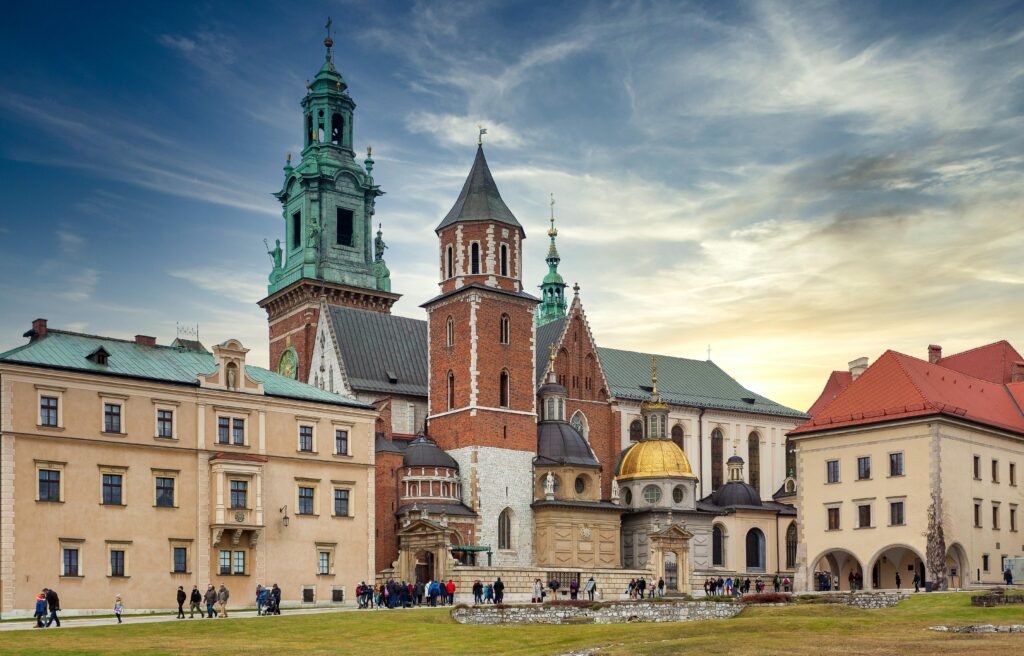
Kraków is often considered one of the most beautiful cities in Poland, and once you start walking through its streets it is easy to understand why.
The historic center of the city is even listed as a UNESCO World Heritage Site, which says a lot about its cultural and architectural importance. Everywhere you walk you will notice layers of history, from medieval squares to churches, castles, and beautifully preserved buildings.
Kraków is not nice enough. It is properly beautiful and considered one of the most affordable destination in Europe.
The heart of the city is Stare Miasto, the Old Town.
At the center of it sits the famous Rynek Główny, the main market square, which is one of the largest medieval squares in Europe. Here you will find the historic Cloth Hall, a market building where you can browse local handicrafts and souvenirs.
Inside the same complex, you can also visit the Polish Art Gallery, which showcases works from the 19th century.
If someone blindfolded me and dropped me in Rynek Główny, I would assume I am about to pay Western Europe prices. Then I check the bill and feel strangely powerful.
This is why Kraków deserves its place on any list of the cheapest cities in Europe.
Budget Snapshot
Budget travelers spend around $33 per day in Kraków, Poland.
Yes. Thirty three dollars.
That covers budget accommodation, food, local transport, and basic sightseeing.
A proper Polish meal in a milk bar can cost around $5 to $8. A hostel bed can range from $12 to $25. A decent private room can fall between $40 to $70 if booked early.
One thing I always check before booking flights is airport distance. Some “cheap” cities destroy your budget with complicated transfers.
Kraków Airport is about 15 km from the city center. Landing and being in the historic center in under 30 minutes. That is my favorite kind of travel math.
If you plan heavy sightseeing, look at the Kraków Card. It combines public transport with entry to dozens of museums and attractions. If you are visiting multiple paid sites back to back, it can save money and mental energy.
If you prefer walking and focusing on free attractions, you might not need it. Kraków is extremely walkable.
If you are building a Central Europe route with Prague and Budapest, start here.
Free Things to Do in Kraków
You can fill an entire day without spending anything.
- Walk Rynek Główny slowly and dramatically. It is one of the largest medieval squares in Europe.
- Explore Wawel Castle grounds and sit by the Vistula River.
- Wander Kazimierz district for history and atmosphere.
- Walk the full Planty Park loop around Old Town, about 4 km.
- Sit somewhere and watch the city. Street watching here is elite.
This is what makes Kraków one of the strongest picks for Europe on a budget.
2. Budapest, Hungary
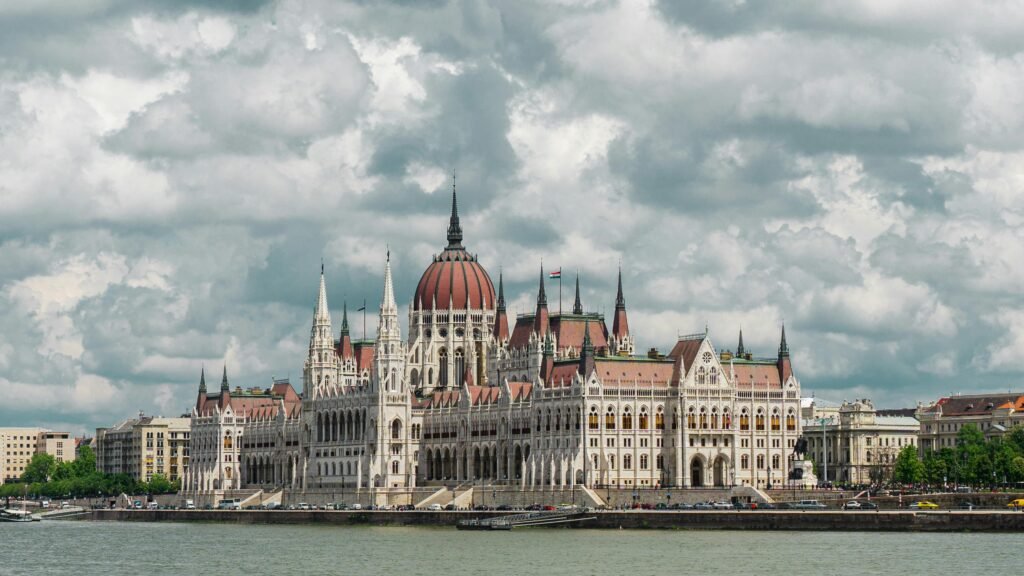
Budapest is the kind of city that looks expensive.
Sweeping views of the Danube, grand architecture, historic bridges, beautiful cafes, and a nightlife scene that people travel across Europe for.
Add delicious Hungarian food to that, and it almost feels surprising that Budapest is still considered one of the cheapest cities in Europe.
Even though it looks as impressive as cities like Rome or Paris, the cost of exploring Budapest is noticeably lower.
Many of the city’s famous attractions are either free or require only a small entrance fee. You can enjoy views from Fisherman’s Bastion, explore the lively Great Market Hall, walk through Hero’s Square, or visit some of Budapest’s quirky museums without spending much.
Some popular attractions do come with slightly higher prices because of their popularity. A good example is the famous Széchenyi Thermal Baths, one of the most photographed places in the city, where entry usually costs around $20 depending on the season and time of day.
The good thing is that Budapest’s overall costs are still low enough that an occasional splurge like this does not ruin your budget. It is easy to balance paid attractions with the many affordable or free things to do around the city.
That is why Budapest confidently sits on my list of the cheapest cities in Europe. You get capital city energy without London-level damage to your bank account.
Two sides. Buda and Pest. One beautiful, affordable experience.
Budget Snapshot
Budget travelers spend around $48 per day in Budapest.
That covers budget accommodation, local transport, food, and basic sightseeing. You can find hostel beds from $15 to $30 depending on season. Budget private rooms can range between $50 to $90 if booked early. A solid local meal like goulash can cost around $6 to $10 in non tourist restaurants.
Coffee does not feel like a financial decision here.
If you are looking for a comfortable but reasonably priced place to stay, Mövenpick Hotel Budapest Centre is a great option to consider. It sits in a quiet area close to Buda Castle and offers easy access to many of the city’s main attractions while still being more affordable than hotels in the busiest tourist zones.
Budapest Airport is about 16 km from the city center.
The Airport Express bus takes around 40 minutes to reach central areas. It is direct and simple.
Budapest public transport is efficient and easy to use. The 72 hour travelcard is popular for short trips. It allows unlimited travel on buses, trams, and metro. If you are moving around a lot, it quickly becomes worth it.
There is also the Budapest Card, which combines transport with discounts and some free entries. If you plan multiple attractions, calculate first. Sometimes it saves money. Sometimes just the transport pass is enough.
Free Things to Do in Budapest
Budapest is generous with views.
- Walk the Danube promenade at sunset. Parliament looks unreal.
- Cross Chain Bridge and take your dramatic photos.
- Fisherman’s Bastion viewpoints from the outside.
- Hike up Gellért Hill for panoramic city views.
- Wander through ruin bars during the day. Even looking around is an experience.
You can fill a full day without entering a single paid attraction. That is how you win at Europe on a budget.
It has the architecture of an expensive capital. It has the pricing of a much smaller city. That combination makes it one of the smartest choices among the cheapest cities in Europe.
Three days here is perfect. Pair it with Kraków and Prague, and you have a Central Europe trip that looks expensive and costs far less than people expect.
3. Prague, Czech Republic
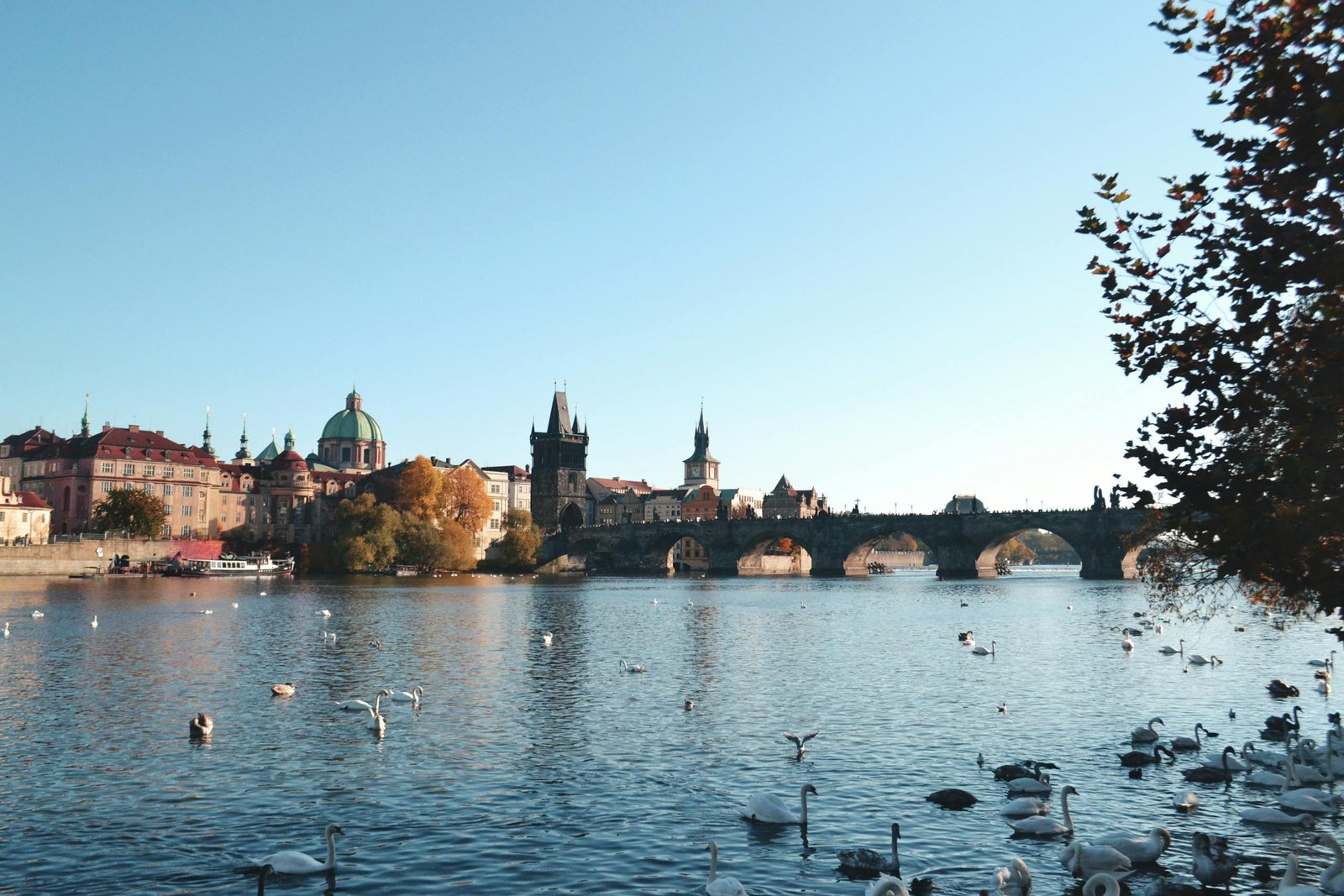
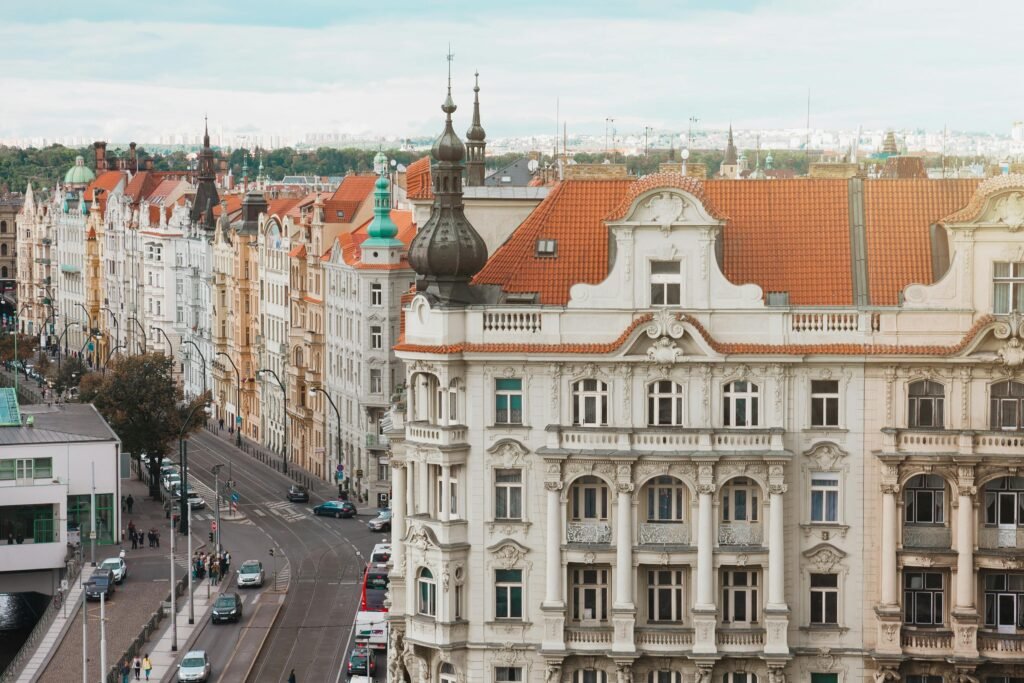
Prague is almost unfair. It looks like a storybook. Gothic towers. Red rooftops. Cobblestone streets. A castle watching over everything like it owns the place.
And yet, compared to Western Europe, it is still very manageable. That is why Prague continues to earn its spot among the cheapest cities in Europe.
Yes, it is more popular than some of the other cities on this list. But if you plan smart, Prague can absolutely fit into a Europe on a budget itinerary.
Budget Snapshot
Budget travelers spend around $62 per day in Prague. That includes budget accommodation, food, transport, and basic sightseeing.
Hostel beds usually range from $18 to $35 depending on the season. A budget private room can fall between $60 to $110 if booked early and slightly outside Old Town.
A casual Czech meal can cost around $8 to $12 in non tourist restaurants. Local beer is famously affordable compared to most European capitals.
Prague is not as cheap as Belgrade or Kraków, but compared to Paris, Amsterdam, or Zurich, it still feels very reasonable.
Prague Airport is about 17 km from the city center. There is no direct metro from the airport, but buses connect you to the metro in about 15 minutes, and from there the metro ride to central Prague takes another 15 minutes.
Prague’s public transport system is excellent. Trams, buses, metro. Everything runs smoothly.
- A 24 hour ticket is around 140 to 150 CZK.
- A 72 hour ticket is around 340 to 350 CZK.
If you are staying two to three days and using trams often, the 72 hour pass makes life easy. No overthinking.
Just tap and go.
If you are mostly walking around Old Town and Malá Strana, you might not need it as much.
I always calculate how many rides I realistically need before buying a pass. That is my golden rule in every cheapest city in Europe.
Free Things to Do in Prague
Prague gives you a lot for free if you are willing to walk.
- Charles Bridge early in the morning. Before 9 am is magic.
- Old Town Square. The buildings alone are entertainment.
- Prague Castle grounds and viewpoints. Entry to interiors costs money, but walking the area is free.
- Lennon Wall. Quick stop, quick photos.
- Letná Park for panoramic views over the city.
- Petrin Hill hike if you want views without paying for the tower.
That is how Prague stays on the cheapest cities in Europe list despite its popularity.
You do not have to eat poorly to save money here. You just have to move slightly away from the crowds.
But if you stay slightly outside the center, use public transport smartly, and focus on free attractions, it still works beautifully for budget travel in Europe.
River Star Hotel, a very affordable hotel just 5.5km away from the city center but only $64.
4. Porto, Portugal
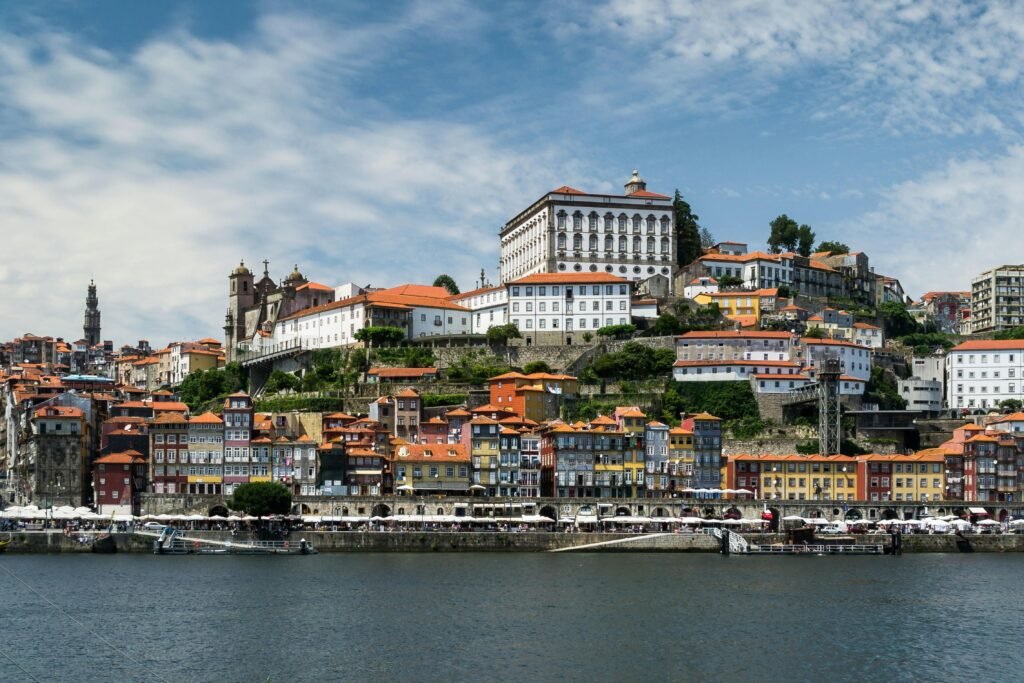
Porto feels romantic without trying too hard. Colorful houses stacked along the river. Tiled buildings everywhere. Bridges that look dramatic at sunset. It gives you big European character without the chaos and cost of some bigger capitals.
Walking through the Ribeira district, crossing the famous Dom Luís I Bridge, admiring the tiled buildings around the historic center, or watching the sunset from Jardim do Morro are all experiences that cost nothing but your time.
Some attractions do charge an entrance fee, such as climbing the Clérigos Tower for panoramic views of the city or visiting one of Porto’s famous port wine cellars across the river in Vila Nova de Gaia. Most tickets usually cost around $5 to $10, which is still very reasonable compared to many European cities.
It is not dirt cheap like some Eastern European cities. But compared to Paris, London, or even parts of Italy, it feels refreshingly manageable.
Budget Snapshot
Budget travelers spend around $80 per day in Porto.
Hostel beds usually range from $20 to $35 depending on the season. Budget private rooms can fall between $70 to $120 if booked early.
A local meal can cost around $10 to $15 if you avoid tourist heavy restaurants. Coffee is usually around $1 to $2.
Pastries are affordable. Dangerous combination.
Porto proves that Western Europe can still fit into a Europe on a budget trip if you choose the right city.
Porto Airport is about 19 km north of the city center. That is one of the most stress free airport transfers you can ask for.
Porto uses the Andante system for metro and buses. You load credit and use it across different zones.
There is also the Porto Card, which combines public transport and discounts on attractions. If you are planning heavy sightseeing, calculate first.
Honestly, Porto is very walkable. The hills are real. Your legs will know. But walking saves money and gives you the best views.
I usually rely on walking plus occasional metro rides. That keeps Porto solidly in the cheapest places to visit in Europe category.
Free Things to Do in Porto
Porto gives you plenty without charging entry fees.
- Wander the Ribeira district by the Douro River.
- Cross Dom Luís I Bridge. Walk the upper level for the best views.
- Watch sunset from Jardim do Morro.
- Explore narrow back streets full of tiles and laundry lines.
- Sit by the river and just exist. It is a full activity.
You can build entire days around views, neighborhoods, and walking routes. That is the secret to keeping Porto affordable.
5. Riga, Latvia: One of the Most Beautiful and Cheapest Cities in Europe
Riga may not be the first city that comes to mind when planning a European trip, but it easily deserves a place among the most beautiful and cheapest cities in Europe.
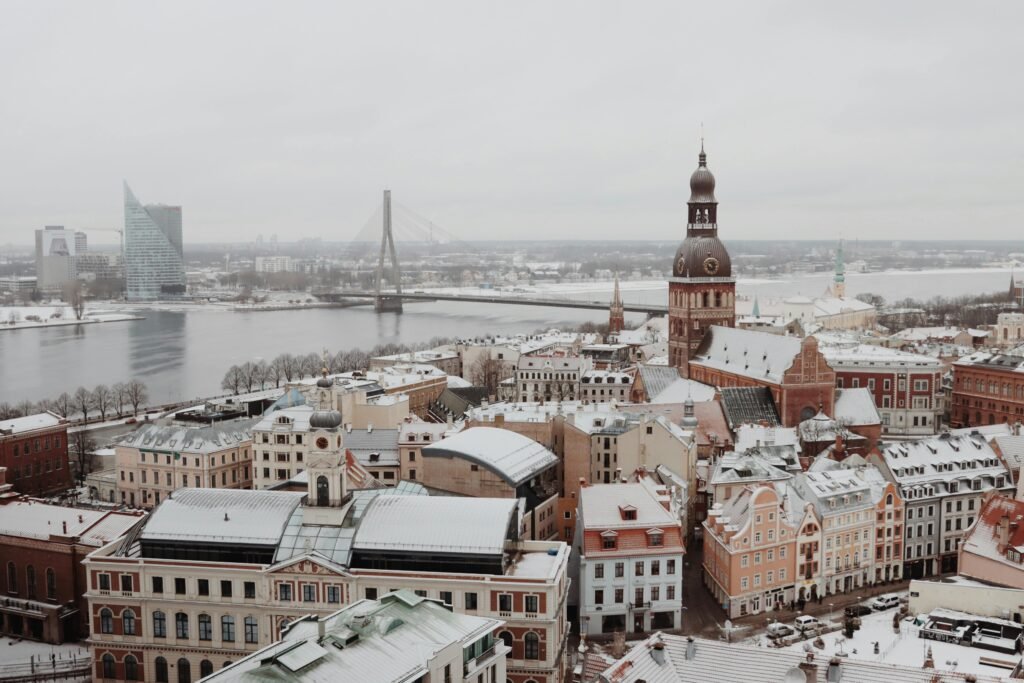
The city’s Old Town, now a UNESCO World Heritage Site, feels almost like stepping into a fairy tale. Gothic church spires rise above winding cobbled streets, while rows of pastel colored buildings and gingerbread style houses line the narrow lanes.
In winter, especially around February when snow often covers the rooftops, the historic center looks even more magical.
At the heart of Riga’s historic center you will find lively squares, charming cafes, and local restaurants that are surprisingly affordable compared to many other European capitals.
Eating and drinking in Riga can be very reasonable, which makes it one of the most attractive budget friendly European destinations.
Beyond the Old Town, Riga is also famous for its impressive Art Nouveau architecture, particularly along Alberta Street, where ornate buildings showcase some of the best examples of this style in Europe. Visitors can also explore the massive Riga Central Market, wander along the Daugava River, or simply spend time exploring the city’s charming neighborhoods.
Budget Snapshot
Budget travelers spend around $57 per day in Riga.
Hostel beds usually range from $15 to $30. Budget private rooms can fall between $50 to $90 depending on location and season.
A proper local meal can cost around $8 to $12. Bakery breakfasts are even cheaper.
Riga Airport is about 10 km from the city center.
6. Vilnius, Lithuania: A Cosmopolitan City Break on a Budget
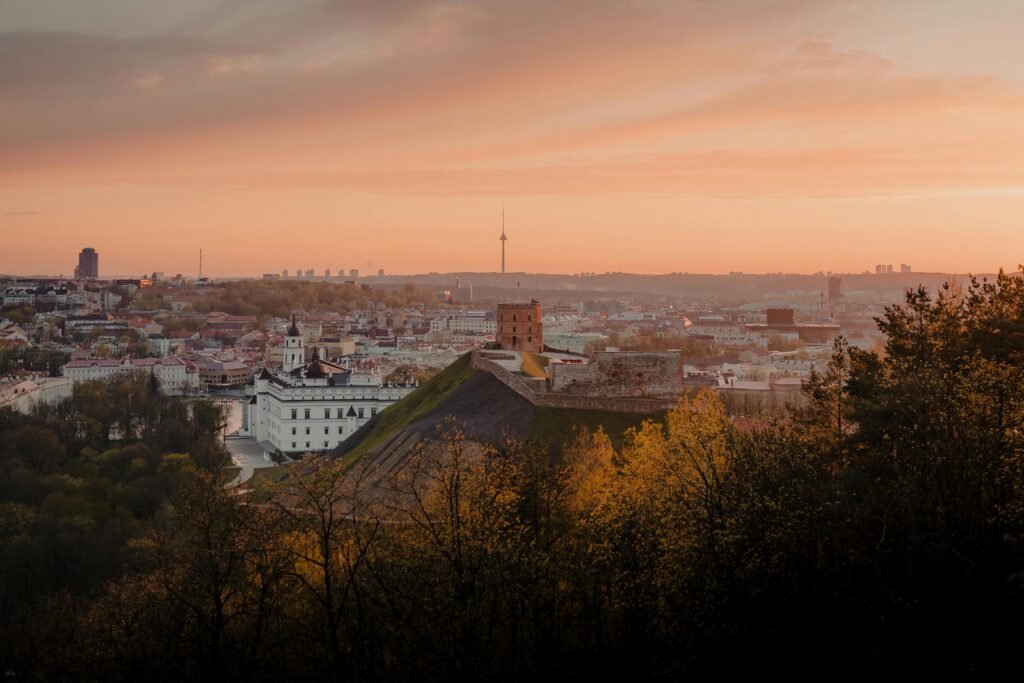
If you are looking for a cosmopolitan city break on a budget, then Vilnius should definitely be on your radar. This Baltic capital often flies under the radar compared to nearby cities like Riga or Tallinn, but it has just as much charm and culture to offer.
Vilnius is also one of the cheapest cities in Europe, making it a great destination for a short getaway or a relaxed long weekend.
The highlight of the city is its Baroque Old Town, one of the largest and best preserved historic centers in Europe. Walking through its narrow streets feels like stepping into a mix of medieval and Baroque architecture, with churches, courtyards, and colorful buildings around almost every corner.
Just across the river from the Old Town you will find Užupis, the city’s quirky and self declared “independent republic.” This bohemian neighborhood is known for its artistic atmosphere, street art, galleries, and creative spirit.
Vilnius also has a growing food and nightlife scene, with new restaurants, cafes, and bars appearing across the city. The best part is that eating and going out here is still very affordable compared to many other European capitals.
With its historic charm, creative neighborhoods, and reasonable prices, Vilnius stands out as one of the most underrated budget friendly cities in Europe
Budget Snapshot
Budget travelers spend around $56 per day in Vilnius.
Hostels range from $15 to $30. Budget private rooms can cost between $50 to $85 if booked early.
Local meals often sit around $7 to $12. Coffee and pastries are very affordable compared to Western Europe.
Vilnius Airport is only about 6 km from the city center.
7. Belgrade, Serbia: Another of the Underrated Cheapest Cities in Europe
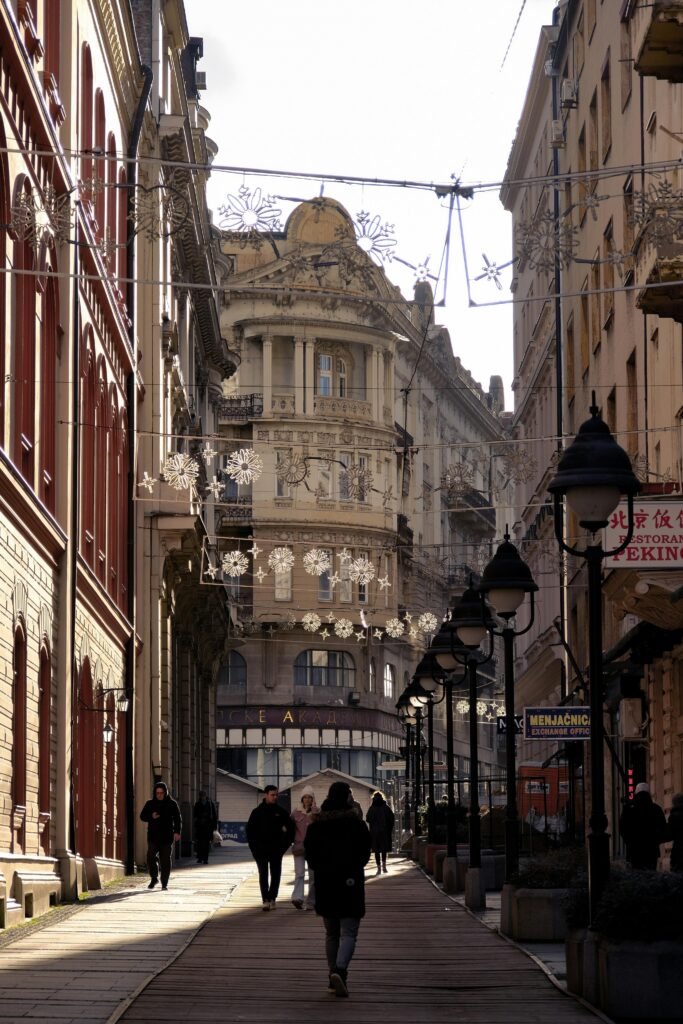
Belgrade easily ticks many of the boxes for a cheap city break in Europe. It is lively, full of history, known for its food scene, and surprisingly affordable compared to many other European capitals.
One thing that often surprises visitors is just how good the food is here. Belgrade’s restaurants are well known across the region, and even some highly rated Balkan restaurants have opened branches abroad.
In places like Washington, D.C., you might easily pay double for a similar meal that you could enjoy in Belgrade for a fraction of the price.
Beyond the food, the city offers plenty to explore. Belgrade Fortress is one of the most impressive historic landmarks, sitting at the point where the Danube and Sava rivers meet. Nearby, you will find the Church of Saint Sava, one of the largest Orthodox churches in the world.
Belgrade also has a unique architectural character. Alongside historic buildings, you will see striking examples of Brutalist architecture, a reminder of the city’s Yugoslav past.
Visitors interested in history can also explore sites connected to former Yugoslav leader Josip Broz Tito, including the museum complex that houses his mausoleum.
With its strong food culture, fascinating history, and low everyday costs, Belgrade remains one of the most underrated cheapest cities in Europe for travelers looking for something different.
Budget Snapshot
Budget travelers spend around $23 per day in Belgrade.
Hostel beds usually range from $10 to $20. Budget private rooms can fall between $35 to $70 depending on season and location.
A full local meal like ćevapi or grilled meats can cost around $5 to $10. Coffee is cheap. Bakeries are cheap. Even casual dining feels manageable.
Belgrade Nikola Tesla Airport is about 18 km from the city center.
Belgrade is fairly spread out compared to Prague or Riga.
Buses and trams are inexpensive. Tickets are cheap compared to Western Europe. Walking works well in central areas, but you will likely use public transport at least a few times.
8. Sofia, Bulgaria: One of the Cheapest Capitals in Europe
Sofia may not always be the first city travelers think of when planning a European trip, but it quietly stands out as one of the cheapest capitals in Europe.
With its long history, mountain views, and relaxed atmosphere, Sofia offers plenty to explore without stretching your travel budget.
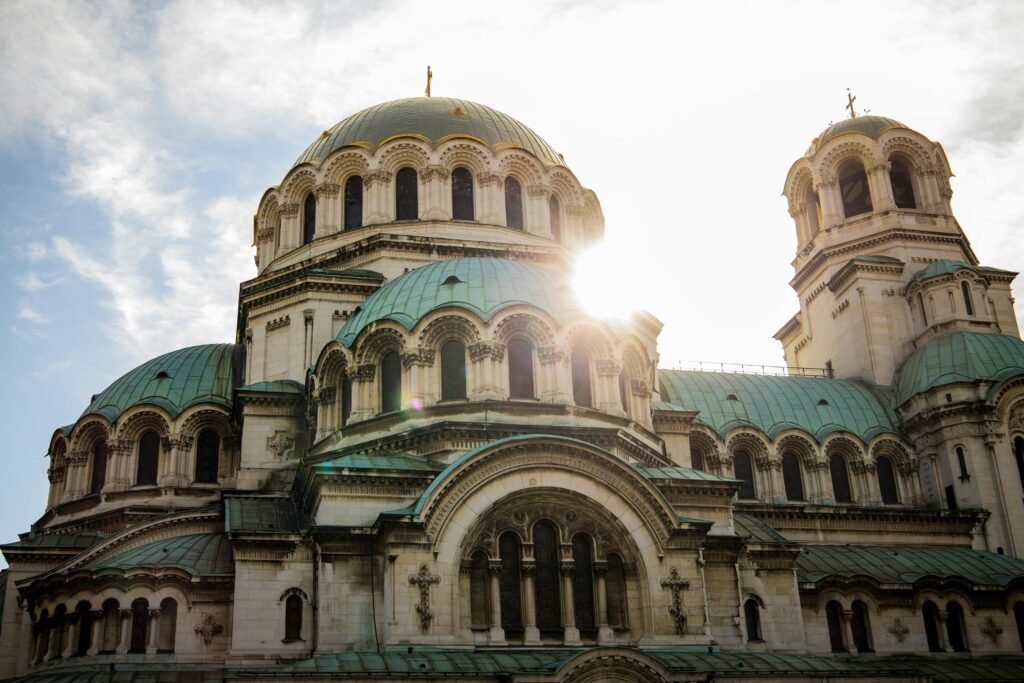
The city is known for its mix of architectural styles and historical layers. Walking through the center, you will see Roman ruins, Ottoman influences, and grand Orthodox churches all within a short distance of each other.
One of the most famous landmarks is Alexander Nevsky Cathedral, an impressive golden domed church that has become one of the symbols of the city.
Another interesting feature of Sofia is how close nature is to the city. Vitosha Mountain sits just outside the capital and offers hiking trails and scenic viewpoints, making it easy to combine city sightseeing with outdoor activities.
Budget Snapshot
Budget travelers spend around $36 per day in Sofia.
Hostel beds usually range from $12 to $25. Budget private rooms can fall between $40 to $80 depending on location and season.
A local Bulgarian meal can cost around $6 to $10 in non tourist restaurants. Bakeries and cafes are even cheaper.
For a capital city, this is extremely reasonable. That is why Sofia remains one of the most reliable cheapest places to visit in Europe.
Sofia Airport is about 10 km from the city center.
Sofia’s metro, buses, and trams are affordable and simple to use.
If you are staying centrally, you can walk to many attractions. The city center is manageable. But having access to cheap metro rides makes it even easier.
If you are planning a Balkan route with Belgrade and Sarajevo, Sofia fits naturally. And if you are building a list of the true cheapest cities in Europe, Sofia quietly earns its spot.
9. Ljubljana, Slovenia: My Favorite of All the Cheapest Cities in Europe
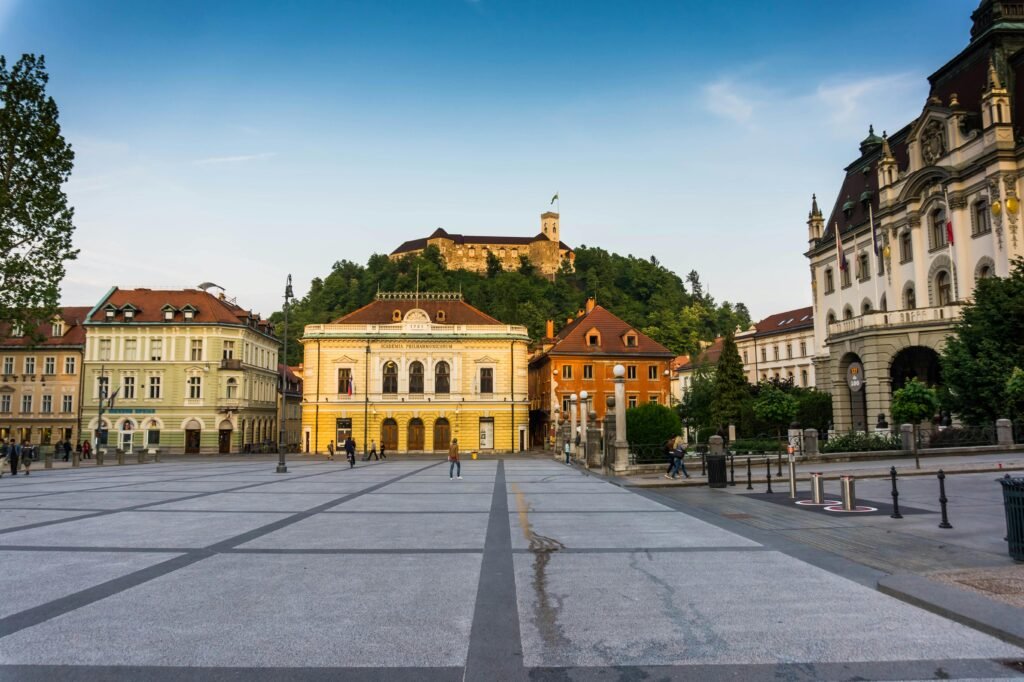
Ljubljana (pronounced lyoo-blyah-nah) is easily my favorite among the cheapest cities in Europe that I have visited. The city has a relaxed charm that is hard to describe until you experience it yourself.
The first thing that stood out to me was the riverside cafe culture. Sitting along the Ljubljanica River, watching people stroll across the bridges while enjoying coffee or dessert, gives the whole city a very calm and welcoming atmosphere.
When I visited in autumn, the soft light and colorful leaves made the entire city feel almost like a fairy tale.
Ljubljana’s Old Town is small but incredibly beautiful. Colorful buildings line the riverbanks, elegant bridges connect both sides of the city, and the iconic Ljubljana Castle sits on a hill above everything, watching over the historic center.
Despite looking like a place that should be expensive, Ljubljana remains surprisingly affordable compared to many other European capitals. With its charming streets, scenic river views, and relaxed pace, it easily became one of my favorite cities in Europe and a wonderful stop for travelers looking for budget friendly European destinations.
Budget Snapshot
Budget travelers spend around $50 per day in Ljubljana.
Hostel beds usually range from $18 to $35 depending on season. Budget private rooms can fall between $60 to $100 if booked early.
A local meal can cost around $8 to $15 in non tourist spots. Coffee prices feel reasonable. Supermarkets are affordable for breakfast and snacks.
For a capital city in Central Europe, this is solid. Not ultra cheap like Belgrade. But very doable for Europe on a budget.
Ljubljana Airport is about 25 km from the city center.
The city center is compact. Most attractions are within walking distance.
Buses are affordable if you need them, but honestly, your legs will do most of the work here.
If you are planning a Central Europe route, Ljubljana fits beautifully between Austria, Italy, or Croatia. And if you are building a proper list of the cheapest cities in Europe, it absolutely earns its place.
10. Valencia, Spain: A Sunny and Affordable Mediterranean City
Valencia is one of those places that feels vibrant and exciting without carrying the high prices of some of Spain’s more famous cities.
While travelers often rush to Barcelona or Madrid, Valencia quietly stands out as one of the cheapest cities in Europe where you can still enjoy beautiful architecture, great food, and a relaxed Mediterranean atmosphere.
The city offers a wonderful mix of old and new.
In the historic center you can wander through charming streets, lively plazas, and traditional markets like the famous Mercado Central, one of the largest fresh food markets in Europe. At the same time, Valencia is also home to the futuristic City of Arts and Sciences, an impressive complex of museums and cultural buildings that has become one of the city’s most recognizable landmarks.
Another reason Valencia is such a great destination is its location by the sea. The city’s long sandy beaches, such as Malvarrosa Beach, are easy to reach from the center and offer a perfect place to relax after a day of sightseeing.
Spanish Food is another highlight here. Valencia is the birthplace of paella, and enjoying a traditional version of this famous Spanish dish is something many travelers look forward to.
With its combination of historic charm, modern attractions, sunny beaches, and reasonable prices, Valencia easily earns its place among the cheapest cities in Europe for travelers looking for a memorable Mediterranean getaway without overspending.
Budget Snapshot
Budget travelers spend around $76 per day in Valencia.
Hostel beds usually range from $18 to $35. Budget private rooms can fall between $60 to $110 depending on season and location.
A proper Spanish lunch can cost around $10 to $15 if you choose wisely. Coffee and pastries are affordable. Supermarkets are your best friend.
Valencia Airport is about 8 km from the city center.
11. Andalusia: Seville and Granada
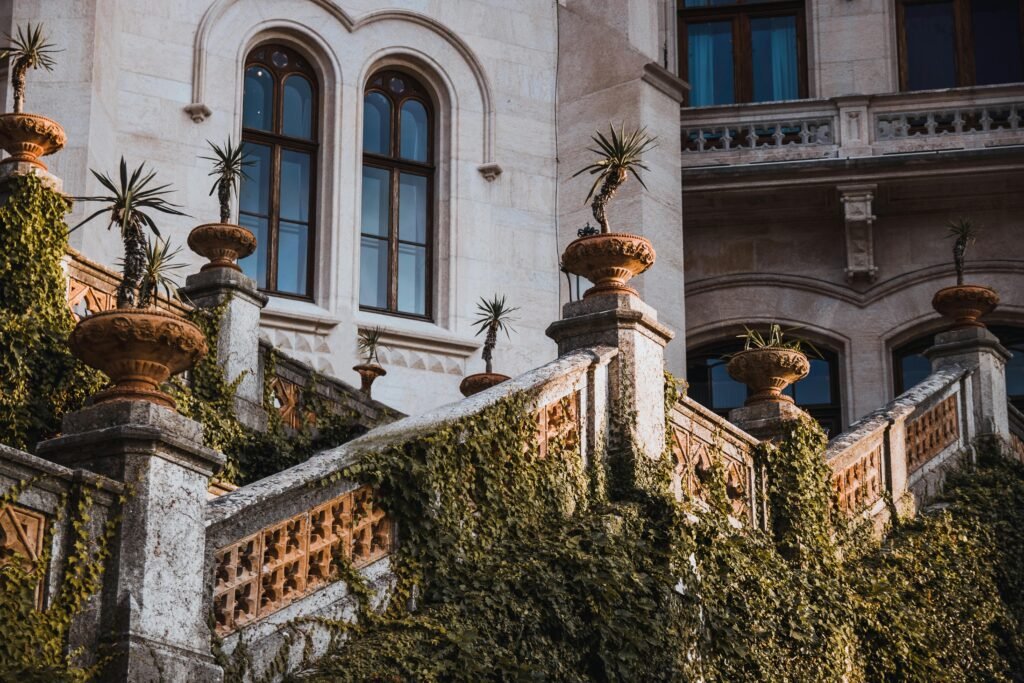
The Andalusia region in southern Spain is famous for its history, architecture, and lively culture, and two of its most beautiful cities are Seville and Granada.
While Spain is often associated with destinations like Barcelona or Madrid, these Andalusian cities offer just as much charm and atmosphere while still being relatively affordable, which is why they deserve a place among the cheapest cities in Europe.
Seville, the capital of Andalusia, is known for its colorful streets, historic plazas, and strong flamenco traditions. Walking through neighborhoods like Santa Cruz feels like stepping into a postcard, with narrow streets, orange trees, and beautiful old buildings. The city is also home to famous landmarks such as the Plaza de España and the impressive Seville Cathedral, one of the largest churches in the world.
A few hours away, Granada offers a different but equally fascinating experience. The city sits at the foot of the Sierra Nevada mountains and is best known for the Alhambra, a stunning palace complex that reflects the region’s Moorish history. Granada’s historic Albaicín district, with its whitewashed houses and hilltop viewpoints, is another highlight that attracts visitors from all over the world.
Both cities are also well known for their food culture. In Granada especially, many bars still serve free tapas with drinks, making it possible to enjoy local dishes while keeping your travel budget in check.
With their historic charm, vibrant culture, and reasonable daily costs, Seville and Granada are excellent destinations for travelers looking to explore Spain while still sticking to a budget friendly European trip.
Budget Snapshot
Seville averages around $66 per day for budget travelers.
Granada averages around $72 per day.
Hostels range from $15 to $30. Budget private rooms can fall between $55 to $100 depending on season.
Meals in local spots can cost around $8 to $15.
For cities this beautiful, these numbers make Andalusia one of the smartest additions to your cheapest cities in Europe list.
Transport Between Cities
Valencia to Seville by train takes around 4 to 5 hours depending on the service.
Seville to Granada takes around 2.5 to 3 hours by train.
Spain’s regional trains are comfortable and reasonable if booked early. Buses can be cheaper but slightly longer.
If you skip the obvious tourist traps and focus on walkable neighborhoods, lunch menus, and smart accommodation choices, Spain can absolutely fit into a Europe on a budget itinerary.
12. Sarajevo, Bosnia: A Charming and Budget Friendly European Capital
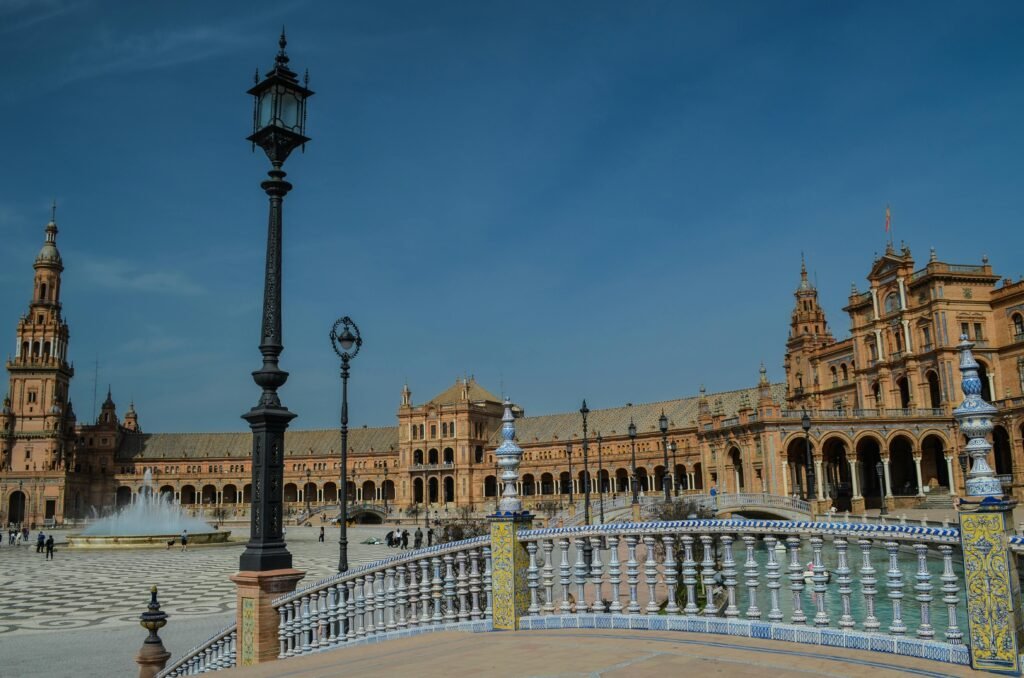
Sarajevo, the capital of Bosnia and Herzegovina, quickly became one of my favorite cities in Europe. It is not only incredibly interesting from a historical perspective, but it is also one of the most budget friendly cities in Europe.
The city’s charming Old Town, Baščaršija, reflects Sarajevo’s unique and complex history. Walking through the streets you will see mosques, churches, and historic buildings standing close to one another, showing the different cultures that have shaped the city over time.
The narrow streets are filled with traditional restaurants, small shops, and lively squares that make the area feel welcoming and full of character.
Sarajevo is also not a very large city, which makes it easy to explore on foot. Most of the main attractions are within walking distance, so there is often no need for taxis.
If you do want to use public transport, the tram system is very affordable, often costing less than one euro per ride.
Accommodation here is also surprisingly inexpensive. Budget stays can start from around 15 euros per night, which makes Sarajevo a great choice for travelers trying to keep their costs low.
And of course, the Bosnian cuisine is another highlight. Traditional dishes like ćevapi, burek, and hearty stews are not only delicious but also very affordable compared to many other European destinations.
With its fascinating history, walkable streets, welcoming atmosphere, and low daily costs, Sarajevo easily earns its place among the cheapest cities in Europe.
Budget Snapshot
Budget travelers spend around $41 per day in Sarajevo.
Hostel beds usually range from $10 to $25. Budget private rooms can fall between $35 to $75 depending on season and location.
A local Bosnian meal like ćevapi or burek can cost around $4 to $8. Coffee is affordable. Bakeries are cheap and everywhere.
For a capital city in Europe, this is extremely reasonable. That is why Sarajevo remains one of the most authentic cheapest places to visit in Europe.
13. Bucharest, Romania: The “New Berlin” of Eastern Europe
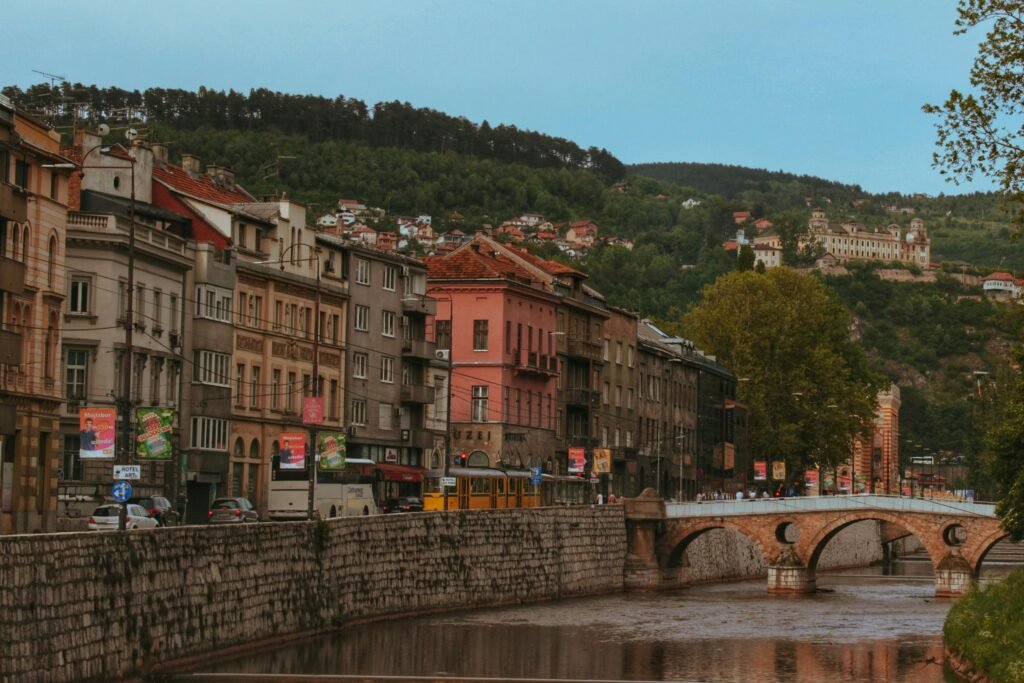
Bucharest is sometimes called the “new Berlin”, and once you explore the city it becomes easy to understand why.
The Romanian capital has a mix of gritty architecture, creative neighborhoods, lively cafes, and a growing food and nightlife scene that gives the city a unique energy.
Like many destinations in Eastern Europe, Bucharest is also very affordable compared to Western European capitals. Travelers from places like London or Paris often find that their money stretches much further here, which is why Bucharest has become one of the cheapest cities in Europe for a city break.
The city is full of contrasts. You will see grand Parisian style architecture lining wide boulevards, a reminder of the time when Bucharest was once nicknamed “Little Paris.” At the same time, there are also bold examples of communist era buildings and striking Brutalist architecture that add another layer to the city’s identity.
Bucharest also has plenty of green spaces, such as large parks and lakes where locals spend time relaxing, especially during the warmer months. Alongside that, the city has a thriving restaurant and bar scene, with many great places to eat and drink at prices that are still very reasonable.
With its mix of history, architecture, nightlife, and affordability, Bucharest stands out as one of the most interesting budget friendly cities in Europe to explore.
Budget Snapshot
Budget travelers spend around $78 per day in Bucharest.
Hostel beds usually range from $15 to $30. Budget private rooms can fall between $55 to $100 depending on season and location.
A proper Romanian meal can cost around $8 to $15 in non tourist restaurants. Coffee and bakery breakfasts are affordable. Supermarkets are budget friendly.
For a European capital, especially one with large architecture and nightlife, this is very manageable. That is why it stays relevant when talking about the cheapest places to visit in Europe.
Henri Coandă International Airport is about 16 to 18 km from the city center.
14. Thessaloniki, Greece: A Coastal City Break That Won’t Break the Budget
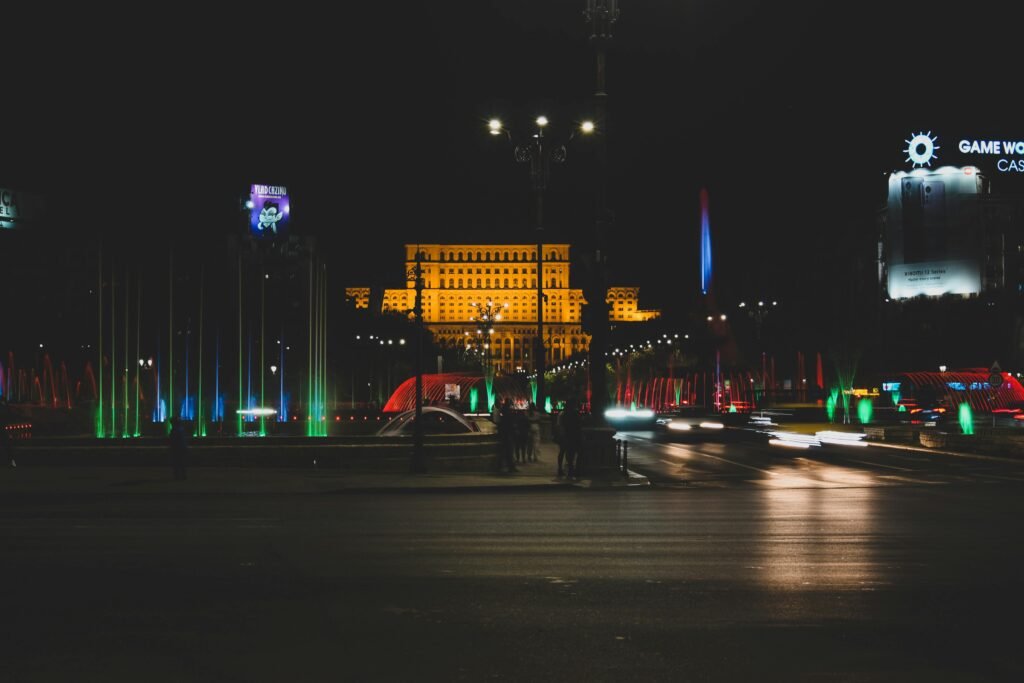
When people think of Greece, they often imagine expensive island destinations like Santorini or Mykonos. But Thessaloniki offers a very different experience. This lively coastal city is full of history, culture, and incredible food, yet it remains one of the cheapest cities in Europe to visit.
Located along the Aegean Sea, Thessaloniki has a beautiful waterfront promenade where locals and visitors gather for evening walks, coffee, and sunset views. The city is also packed with historical landmarks that reflect its long past, including Roman, Byzantine, and Ottoman influences.
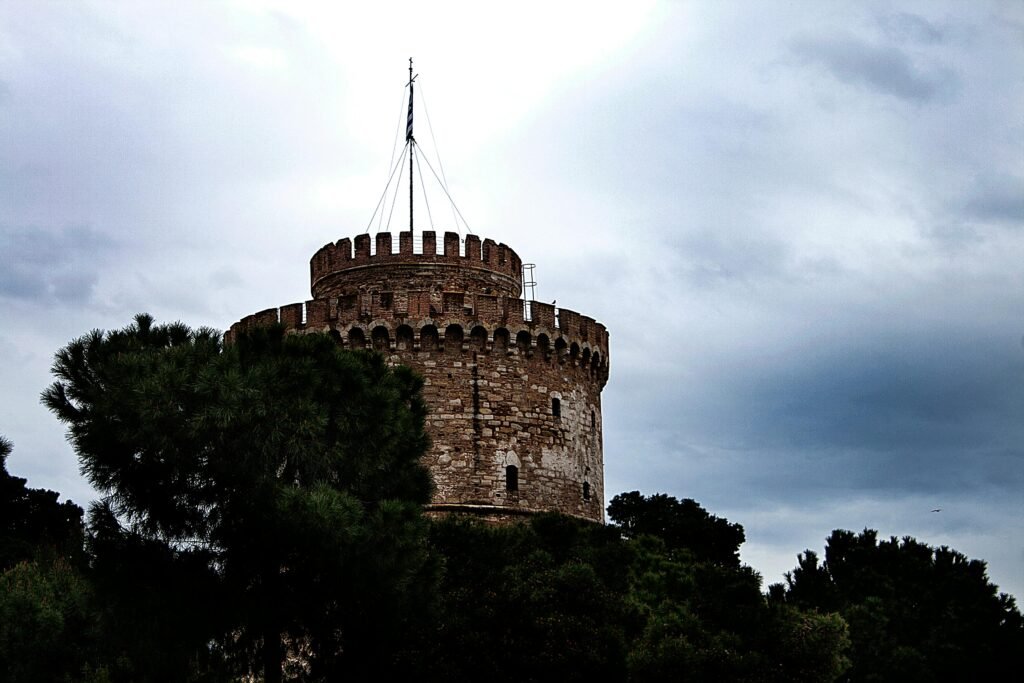
One of the most famous landmarks is the White Tower, which stands proudly along the waterfront and has become a symbol of the city. Nearby, Aristotelous Square is a lively meeting point surrounded by cafes and restaurants.
Thessaloniki is also known for its fantastic food culture. From street food like gyros and souvlaki to traditional Greek tavernas, it is easy to enjoy delicious meals here without spending too much.
With its relaxed seaside atmosphere, historic sites, vibrant food scene, and reasonable daily costs, Thessaloniki is a wonderful destination for travelers looking for a budget friendly European city break while still experiencing the charm of Greece.
Budget Snapshot
Budget travelers spend around $84 per day in Thessaloniki.
It is not as cheap as Belgrade or Sofia. But compared to Greek islands or Western Europe capitals, it is manageable.
Hostel beds usually range from $18 to $35. Budget private rooms can fall between $65 to $120 depending on season and location.
A proper Greek meal can cost around $10 to $15 in local tavernas. Street food like souvlaki can cost $3 to $5. Coffee prices feel normal, not dramatic.
For a coastal city with strong nightlife and food culture, this is still reasonable and keeps Thessaloniki within a smart Europe on a budget plan.
Thessaloniki Airport is about 15 km from the city center.
Central Thessaloniki is walkable.
Buses are inexpensive if you need them, but most highlights sit within walking distance of the waterfront.
15. Budva, Montenegro: A Coastal Gem That’s Still Surprisingly Affordable
Budva is one of those coastal cities that still feels like a hidden bargain. While nearby destinations such as Dubrovnik in Croatia have become known for their high tourist prices, Budva remains a much more budget-friendly alternative on the Adriatic coast.
Even during the busy summer months, accommodation and food in Budva can still be reasonably priced compared to many popular Mediterranean destinations. That makes it a great option for travelers looking for beautiful coastal scenery without spending a fortune.
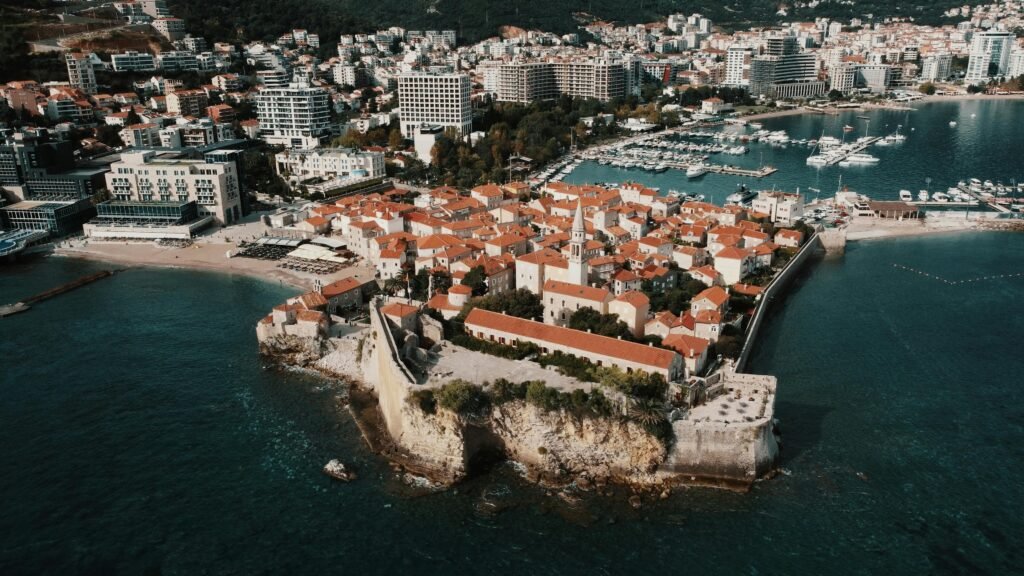
The heart of the city is Budva’s Old Town, a charming historic area surrounded by stone walls and narrow streets filled with small cafes, local restaurants, and boutique shops. Just outside the old town, you will find long sandy beaches and clear blue water that make Budva a perfect place to relax after exploring.
With its mix of historic charm, coastal views, and affordable travel costs, Budva easily earns its place among the cheapest cities in Europe for a seaside getaway.
16. Tirana, Albania: One of Europe’s Most Underrated Budget Destinations
Tirana is one of the least talked about but most affordable capitals in Europe. Albania’s vibrant capital has become increasingly popular with travelers, yet it still remains a surprisingly low cost destination.
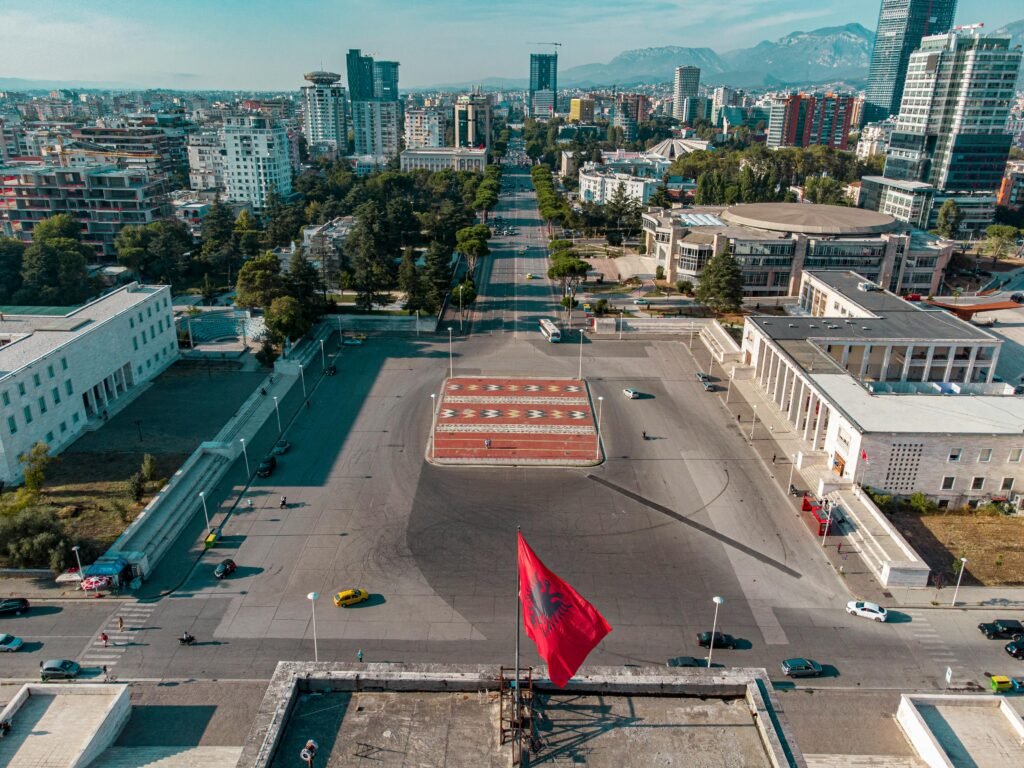
The city has a lively and youthful atmosphere, colorful buildings, and plenty of cafes and restaurants where you can enjoy local food at very reasonable prices. Skanderbeg Square, the heart of the city, is surrounded by important landmarks, museums, and historic buildings.
Tirana is also a great starting point for exploring the rest of Albania, including nearby mountains, lakes, and the beautiful Adriatic coastline. With its energetic culture and affordable daily costs, Tirana is quickly becoming one of the cheapest cities in Europe for travelers looking for something a little different.
17. Chișinău, Moldova: One of Europe’s Quietest and Most Affordable Capitals
Chișinău, the capital of Moldova, is one of the least visited capitals in Europe, but it offers a surprisingly relaxed and affordable city experience.
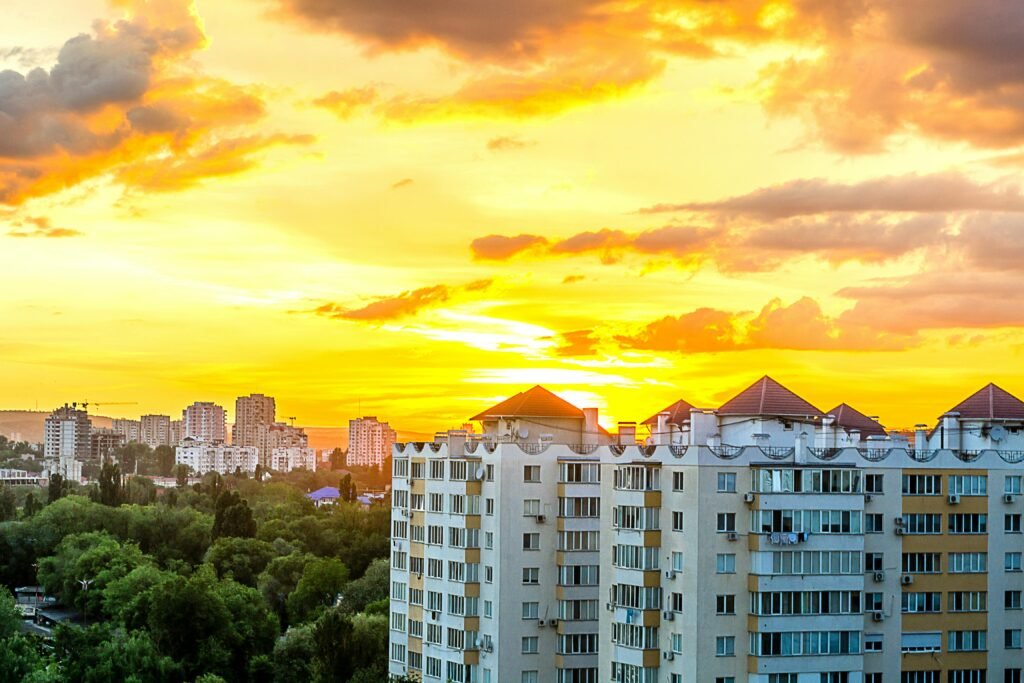
The city is known for its leafy parks, Soviet era architecture, and a slower pace compared to many European capitals. Visitors can stroll through places like Stefan cel Mare Central Park, explore local markets, and enjoy traditional Moldovan cuisine at very reasonable prices.
Chișinău is also close to several well known wine regions, making it an interesting destination for travelers who enjoy wine culture and local food. With low accommodation prices and inexpensive restaurants, it easily fits into a list of the cheapest cities in Europe.
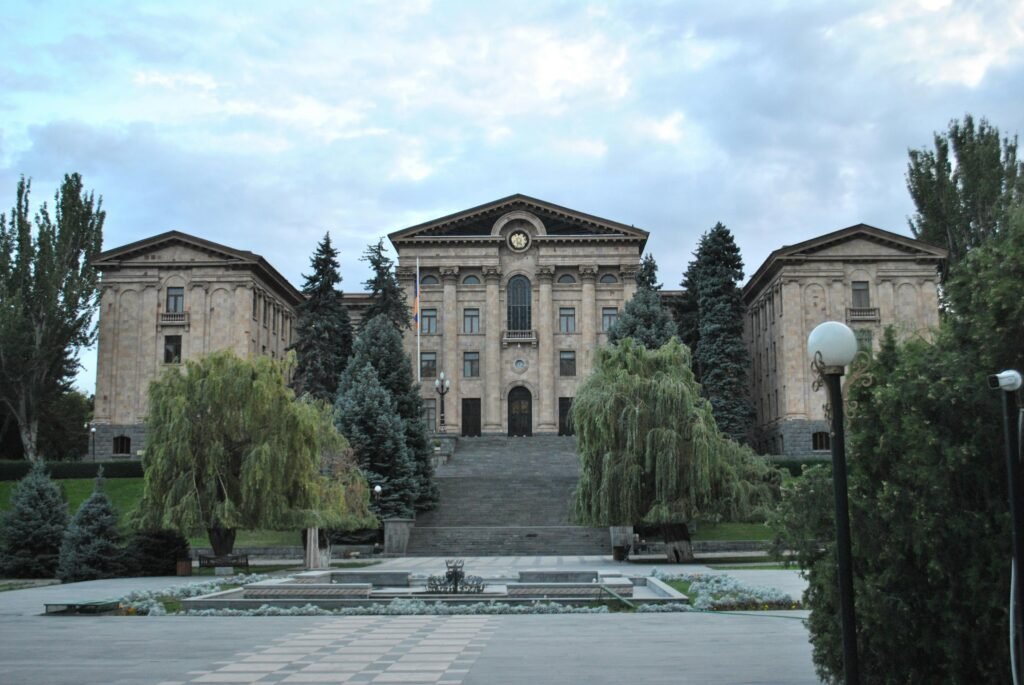
18. Yerevan, Armenia: Ancient Culture and Affordable Travel
Yerevan is one of the oldest continuously inhabited cities in the world, yet it still remains a very affordable destination for travelers. The Armenian capital blends ancient history with a lively modern culture.
The city’s center is built around Republic Square, a beautiful open space surrounded by historic buildings and fountains. Yerevan is also known for its warm hospitality, vibrant cafe culture, and impressive views of Mount Ararat in the distance.
Food is another highlight. Armenian cuisine is flavorful and generous, and many local restaurants serve excellent meals at prices far lower than those in Western Europe. With its rich history and low travel costs, Yerevan stands out as one of the cheapest cities in Europe and the Caucasus region to explore.
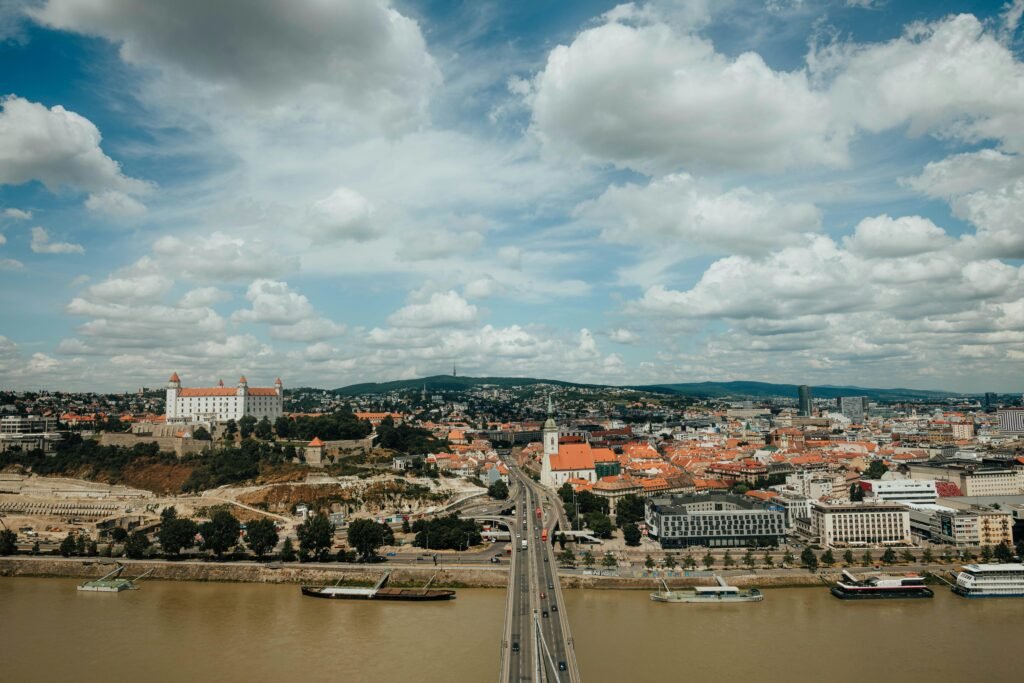
19. Bratislava, Slovakia: A Charming Capital on the Danube
Bratislava may be one of the smaller capitals in Europe, but it offers plenty of charm and history while remaining relatively affordable.
Located along the Danube River, the city is known for its compact Old Town filled with colorful buildings, cozy squares, and lively cafes. Above the city sits Bratislava Castle, which offers great views over the river and surrounding area.
Because Bratislava is smaller than many European capitals, it is easy to explore on foot, which also helps keep travel costs low. The city is also conveniently located between Vienna and Budapest, making it an easy stop on a Central European itinerary.
With its walkable historic center and reasonable prices, Bratislava is another great addition to any list of the cheapest cities in Europe.
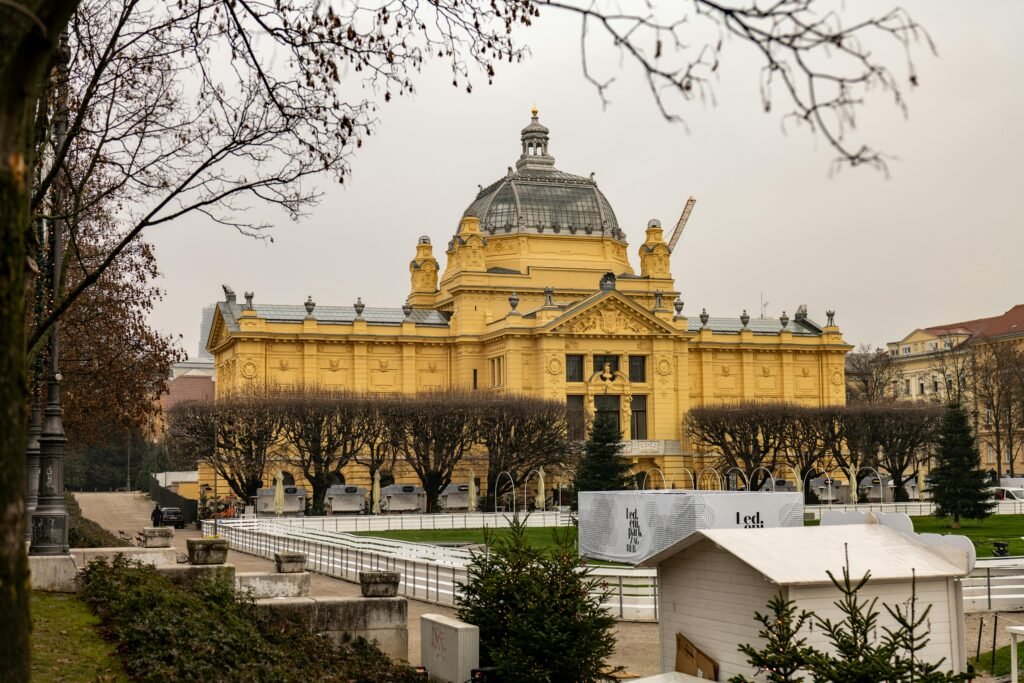
20. Zagreb, Croatia: A Stylish Capital That’s Still Budget Friendly
While many travelers head straight to Croatia’s famous coastal cities like Dubrovnik or Split, Zagreb offers a different and often more affordable experience. The country’s capital is lively, creative, and much easier on the wallet than the popular Adriatic hotspots.
Zagreb has a charming historic center divided into Upper Town (Gornji Grad) and Lower Town (Donji Grad). Upper Town is full of cobbled streets, colorful buildings, and landmarks like St. Mark’s Church with its famous tiled roof. Walking through this area feels relaxed and authentic compared to the busy coastal cities.
The city is also known for its cafe culture. Locals love spending time in outdoor cafes, especially around Ban Jelačić Square, the central meeting point of the city. From here you can easily walk to many of Zagreb’s museums, parks, and historic streets.
Another reason Zagreb fits well into a list of the cheapest cities in Europe is that everyday expenses are still relatively reasonable. Accommodation, food, and public transport tend to cost less than in Croatia’s major tourist destinations along the coast.
With its walkable center, historic charm, and relaxed atmosphere, Zagreb is a great place to experience Croatian culture while still keeping your travel budget under control.
Before I conclude, My Budget Travel Rules for Europe
I am not the traveler who eats one sad granola bar and calls it “a full day.” I like comfort. I like fun. I like good food. I just do not like donating money to overpriced places.
Here is what keeps my Europe on a budget life alive.
How I Find Cheap Flights to Europe?
- I start with flexible dates. Always.
- I compare on Google Flights and Skyscanner.
- I avoid weekend flights when I can.
How I Get the Best Hotel Deals?
- I choose neighborhoods that are one or two stops outside the center.
- I check hotels and apartments, then I compare the same dates across two or three booking sites.
- I look for places with a kitchen. A kitchen is not just a kitchen. It is a money saving weapon.
How I Save on Food and Drinks?
- I do one proper restaurant meal a day.
- Lunch is usually cheaper than dinner in many cities.
- I shop in supermarkets for breakfast and snacks.
- I buy water, fruit, yogurt, pastries, and whatever local thing looks delicious.
- I carry snacks like I am preparing for a light apocalypse.
How I Save on Transport?
- If I am walking a lot, I skip day passes.
- If I am using public transport more than three times a day, I get a pass.
- City cards can be worth it when they include museums plus transport.
- And I always check airport transfers. Some airports are basically a budget trap with wheels.
My Simple “Cheapest Cities in Europe” Itinerary Logic
If you are planning a multi city trip, here is what I do.
For Central Europe
Kraków, Prague, Budapest. This trio is famous for a reason. You can do 10 to 14 days easily.
For the Balkans
Belgrade, Sarajevo, Sofia. This is a budget traveler dream route. It also feels very different from Western Europe in the best way.
For Spain
Valencia plus Andalusia. You get beach and history and food.
For a France detour that does not hurt
Auvergne from Clermont Ferrand. France without the Paris price tag.
Average Daily Budget Comparison
| Region | Average Daily Budget |
|---|---|
| Western Europe | $120–$200 |
| Eastern Europe | $40–$80 |
| Balkans | $35–$70 |
As you can see, Eastern Europe and the Balkans are real budget champions.
If you still think Europe is only for people with unlimited credit cards, I promise it is not.
The cheapest cities in Europe are full of medieval streets, art, music, food, history, and character. You just have to stop following the obvious map like it is a law.
I travel on a budget most of the time. I compare flights. I check hotel prices too many times. I walk everywhere. I shop in supermarkets. I eat local. I skip the overpriced stuff, unless it is truly worth it.
Europe on a budget is possible. These cheapest cities in Europe prove it.
Shift the map. Save your money. Book the flight.
And go.
Have you visited any of these cheapest cities in Europe, or is there another budget friendly destination you think should be on this list?
Let me know in the comments. I always love discovering new places that prove great travel does not have to be expensive.