

21 Free Things to Do in Valletta, Malta (2026)
Valletta may be one of Europe’s smallest capital cities, but honestly, it completely surprised me in the best way possible. If you’re planning a trip, let me help you with my guide to the most incredible things to do in Valletta.
Tiny in size yet overflowing with history, charm, and postcard-worthy corners, Malta’s capital feels like the kind of place that instantly makes you reach for your camera every five minutes.
From honey-colored limestone buildings and iconic wooden balconies to sweeping sea views on both sides, it is one of those cities that looks almost too pretty to be real.
The public bus network is easy to use, and many highlights like Mdina and the Three Cities are simple day trips from the capital.
Sitting proudly between the Grand Harbour and Marsamxett Harbour, Valletta is a city built on history. Founded by the Knights of St John after the Great Siege of 1565, it was Europe’s first planned city, designed with military precision yet somehow still full of warmth and beauty.
Today, it is a UNESCO World Heritage Site with an incredible concentration of churches, palaces, museums, and monuments tucked into less than a square kilometer.
In this guide, I’m sharing the very best things to do in Valletta, from must-see landmarks and hidden streets to nearby places that are absolutely worth adding to your itinerary.
Disclaimer: Affiliate links ahead in this post. Your clicks may earn me a commission at no extra cost to you, which keeps this site online and the ideas coming. Please check out the privacy policy of this website for full disclosure. Thanks!
Best Things to Do in Valletta, Malta
Things to Know Before You Go Valletta
Before diving into the best things to do in Valletta, it really helps to know a little about the city’s backstory because, trust me, once you understand its history, everything starts to make so much more sense.
1. Valletta is the city of the Knights
Valletta is deeply tied to the Knights of Malta, also known as the Knights of St John. Originally founded as a religious order to help pilgrims traveling to the Holy Land, they later became a major military power in the Mediterranean.
After leaving Rhodes, the knights were given Malta in 1530 by Charles V, and the island quickly became their base. You’ll notice their influence everywhere, from grand churches and palaces to statues, forts, and street names.
One of the most important moments in the city’s history was the Great Siege of 1565, when the knights defended Malta against the Ottoman Empire. After surviving the siege, they built the fortified city we now know as Valletta, named after Grand Master Jean Parisot de Valette.
Once you know this, Valletta feels far more than just a pretty city. It starts to feel like a living history book.

2. Malta’s location made it incredibly important
Malta sits right in the middle of the Mediterranean, which made it hugely valuable for trade and military control for centuries.
With deep natural harbours on both sides of Valletta, the island became a key naval base, later used by the British until 1979.
Its location also meant Malta was heavily bombed during World War II. The country showed incredible courage during this period and was awarded the George Cross. Even today, you’ll notice beautifully restored buildings standing beside older weathered facades, which adds even more character to the city.
3. Valletta is a perfect base for exploring Malta
One of the best things about staying in Valletta is how easy it is to explore the rest of the island.
Because Valletta itself is compact, it also works perfectly for shorter stays, whether you’re visiting for a weekend or just a cruise stop.
4. The Three Cities have two names
A little heads-up before you go, because this confused me too.
The Three Cities near Valletta are often referred to by two different sets of names:
- Vittoriosa = Birgu
- Senglea = Isla
- Cospicua = Bormla
Same places, different names. Just something useful to know while planning your itinerary.
You may also like: What to pack for Europe Trip? Ultimate Packing List

21 Things to do in Valletta, Malta
1. Stroll Down Republic Street
If there’s one street you’re almost guaranteed to walk more than once in Valletta, it’s Republic Street.
Running from the City Gate all the way to Fort St Elmo, this nearly one-kilometer-long stretch is the beating heart of the city and one of the top things to do in Valletta.
As you walk along, you’ll pass some of the city’s most important landmarks, including:
- The City Gate
- The Parliament of Malta building
- The ruins of the Royal Opera House
- Palazzo Ferreria
- The Church of St Barbara
- St. Francis of Assisi Church
- The National Museum of Archaeology
- The National Library of Malta
- The House of the National Treasury
- The Grandmaster’s Palace
- Casa Rocca Piccola
Honestly, it feels a bit like Valletta’s grand hallway. Everything seems to connect back here.
That said, it can get seriously busy.
Valletta may be tiny, but once you combine locals, day-trippers, and cruise visitors, Republic Street can feel absolutely packed, especially in the middle of the day.
I definitely found myself weaving through crowds more than once, doing that awkward tourist sidestep shuffle we all pretend we’ve mastered.
Still, it’s absolutely worth walking at least once, preferably early in the morning when the light is soft and the streets are quieter. This is the best time to really appreciate the architecture and grab those beautiful crowd-free photos.
So yes, stroll Republic Street, soak in the landmarks, and then do yourself a favor: get gloriously lost in the side streets too.
You may also like: 15 Best Things To Do In Bratislava, Slovakia: Day Trip Itinerary

2. Step Inside the Jaw-Dropping St John’s Co-Cathedral
I’ll be honest, I’m usually not the first person rushing into churches or cathedrals on a city break. After a few trips around Europe, it can all start to blur into one long montage of domes, candles, and slightly sore feet.
But St John’s Co-Cathedral is the exception.
This is easily one of the absolute best things to do in Valletta.
From the outside, it looks surprisingly simple. In fact, if you didn’t know what it was, you could easily walk right past it without realizing one of Malta’s most spectacular landmarks is hiding behind those stone walls.
And then you step inside.
Honestly, it’s a full-on wow moment.
The interior is an explosion of marble, gold, painted ceilings, and intricate details that make it feel more like a palace than a church. Built by the Knights of St John in the 1570s, it is considered one of the finest examples of Baroque architecture in Europe, and once you look up at that breathtaking ceiling, it’s easy to see why.
The vaulted ceiling is covered in dramatic paintings and elaborate decoration, while the floors are beautifully laid with marble tombstones and intricate patterns. The 24-carat gold leaf detailing catches the light in the most incredible way, making the whole place glow.
One of the highlights inside is The Beheading of Saint John the Baptist by Caravaggio, which is one of the cathedral’s most famous treasures and definitely worth lingering over for a few minutes.
And yes, the name really is honest.
It’s called a co-cathedral because it shares its role with St Paul’s Cathedral in Mdina, Malta’s former capital and the Silent City.
A quick practical tip before you go: this is one of the most popular attractions in Valletta, so queues can get long, especially in peak season and when cruise ships are in port. Booking your ticket online in advance is definitely worth it and can save you a lot of waiting time.
Also, make sure your shoulders and knees are covered before entering, as there is a dress code in place.

3. Step Inside the Grand Master’s Palace
If there’s one place in Valletta that really makes Malta’s history feel alive, it’s the Grand Master’s Palace.
For more than 450 years, this has been the beating heart of the island’s political and historical life. It was originally built as the residence of the Grand Masters of the Knights of St John, later served as the Governor’s Palace during British rule, and today it remains the official office of the President of Malta.
That’s quite the résumé for one building.
And thankfully, visitors can now explore most of it.
After a major restoration project, the palace reopened to the public in 2024, with more than 85% of the building now accessible, and in 2025 even more restored halls were opened for the first time.
From the outside, it’s undeniably elegant, but much like St John’s Co-Cathedral, the real magic begins once you step inside.
It feels every bit as regal as you’d expect from a palace that once housed the most powerful figures in Malta.
One of my favorite parts is the Palace Armoury, which is honestly fascinating even if you’re not usually into military history. You’ll find suits of armor worn by the Knights, cannons, swords, Ottoman weapons, and ceremonial pieces that look like they belong in a period drama.
The courtyards are also beautiful and offer a lovely quieter pause from Valletta’s busy streets, with limestone arches, palm trees, and statues tucked into the sunshine.
If you’re traveling with young children, this may depend on their patience levels. The rooms are stunning, but it is more of a slow, history-rich visit than an interactive attraction.
That said, older kids who love knights, swords, and anything remotely castle-like will probably have a great time.
For anyone putting together a list of the best things to do in Valletta, this is definitely one to include.
You may also like: How to travel Europe on a Budget? A Friendly Guide for Budget Travelers

4. Peek Inside the Elegant Casa Rocca Piccola
If you’ve ever wanted to step inside a real noble home and snoop around a little without actually being rude, Casa Rocca Piccola is the place.
Tucked away on one of Valletta’s oldest streets just off Republic Street, this beautiful 16th-century palace is one of the most fascinating things to do in Valletta.
What makes it extra special is that it isn’t just a museum. It is still privately owned and lived in by the de Piro family, one of Malta’s noble families, which gives it a wonderfully lived-in charm.
Honestly, it feels less like a formal attraction and more like being invited into a very grand family home.
The interiors are rich, colorful, and full of character, with beautiful period pieces and personal objects that make the whole place feel much warmer than a traditional museum.
I loved that it still feels alive.
There’s a lovely central courtyard garden that offers a quiet little pause from Valletta’s busy streets, and beneath the palace you can also visit the World War II bomb shelter, which adds another layer to the city’s story.
If you only have time for one indoor historical visit beyond the cathedral, I would absolutely put Casa Rocca Piccola high on the list.

5. Unwind at the Lower Barrakka Gardens
While most people make a beeline for the Upper Barrakka Gardens, I honestly found myself preferring the quieter charm of the Lower Barrakka Gardens.
Tucked a little further north along Valletta’s bastions, this peaceful little garden offers some lovely views across the Grand Harbour, with clear sightlines toward Fort St. Angelo and the Siege Bell Memorial.
The views may not be quite as famous as those from the Upper Gardens, but sometimes that’s exactly the point.
What I loved most here was the calm.
Unlike some of Valletta’s busier spots, this area felt far less crowded and much more relaxed. No large tour groups, no guides speaking over one another, just a few people sitting quietly in the shade and taking in the view.
At the heart of the garden sits a beautiful neoclassical monument from 1810, a small temple-like structure that gives the space a slightly romantic feel. In front of it, there’s a fountain, some greenery, and just enough benches to sit for a while with a drink or pastry from the nearby kiosk.
Like many things in Valletta, it’s small. Calling it “gardens” almost makes it sound bigger than it is. You can easily walk from one side to the other in just a few minutes.
A small tip: if the Upper Barrakka Gardens feel too crowded when you visit, come here first and head back later. It makes a perfect little pause in your itinerary.
You may also like: 14-day Central Europe Itinerary: An Epic Journey Through Germany To Hungary

6. Visit the Siege Bell Memorial
Just across from the Lower Barrakka Gardens, you’ll find one of the city’s most moving landmarks, the Siege Bell Memorial.
At first glance, it’s striking simply for how dramatic it looks. Designed in the style of a neoclassical temple, the open bell tower stands proudly above the waterfront and houses a huge bronze bell, the largest in Malta.
But this is far more than just a photo stop.
The memorial was built in 1992 to honor the approximately 7,000 people who lost their lives during World War II, when Malta endured relentless bombing because of its strategic location in the Mediterranean.
Standing here, with the sea stretching out in front of you and the city walls behind, it’s hard not to pause for a moment and take in the weight of that history.
I’d definitely recommend walking over from the Lower Barrakka Gardens rather than just viewing it from afar.
It’s one of those quieter things to do in Valletta that might not take long, but it leaves an impression.

7. Visit the Church of Our Lady of Victory
Small in size but huge in historical significance, the Church of Our Lady of Victory is one of the most important places to visit in Valletta.
This is actually the oldest building in the city and stands on the very spot where the foundation stone of Valletta was first laid after the Great Siege of 1565.
That alone makes it feel pretty special.
It was originally built to celebrate the victory of the Knights of St John after the siege, and for a time, Grand Master Jean Parisot de Valette himself was buried here before his remains were later moved to St John’s Co-Cathedral.
For such a small church, it carries an enormous amount of Valletta’s story within its walls.
After World War II, the church took on even deeper meaning and was dedicated to Our Lady of Victory, becoming a symbol of remembrance and resilience for Malta.
It’s an easy stop while exploring the city and one that history lovers will especially appreciate.
You may also like: 20 Cheapest Cities in Europe to Visit

8. Explore One of Valletta’s Museums
For a city this small, Valletta really punches above its weight when it comes to museums.
It was named the European Capital of Culture 2018 for a reason, and if you enjoy history, art, or archaeology, there’s no shortage of places to dive deeper into Malta’s story.
A few of the best options include:
- National War Museum: Perfect if you want to learn more about Malta’s role in World War I and World War II, including the island’s extraordinary resilience during the bombings.
- National Museum of Archaeology: A must if you’re curious about Malta’s ancient past, with archaeological finds dating back thousands of years.
- MUŻA: Valletta’s national museum of fine arts, featuring both Maltese and international artists.
Honestly, you could easily spend an entire afternoon just museum hopping here.
9. Get Lost in Valletta’s Beautiful Streets and Balconies
This was, without question, one of my absolute favorite things to do in Valletta.
Yes, the major landmarks are beautiful, but some of the best moments here happen when you simply wander.
Valletta’s narrow limestone streets, cobblestones, steep little lanes, and quiet corners are made for getting gloriously lost. Thankfully, the city is built on a neat grid system, so even when you think you’ve wandered off course, you somehow always find your way back.
And then there are the balconies.
Honestly, Valletta’s iconic wooden balconies deserve their own fan club.
Painted in rich jewel tones like deep green, blue, red, and mustard yellow, they are one of the city’s most recognizable features and easily one of the most photogenic things to see in Valletta.
Some are open and traditional, while others are enclosed, extending out from the buildings almost like little colorful boxes suspended above the streets.
I loved constantly looking up while walking because every corner seemed to reveal another beautiful row of them.
There’s actually legislation in place to help preserve these historic balconies, which I completely understand because they add so much character to the city.
They almost reminded me of a blend of Mediterranean and North African architecture, full of charm and a little mystery, as if someone might be quietly watching the street below from behind the shutters.
For photography alone, this is one of the best things to do in Valletta.
Sometimes the city’s magic is not in a museum or monument, but in a quiet street with sunlight hitting an old balcony just right.

10. Start With a Walking Tour on Your First Day
I always say this for any city break: start with a walking tour.
It’s honestly one of the smartest things to do in Valletta on your first day because the city suddenly makes so much more sense once someone helps you piece together the streets, landmarks, and history.
A walking tour helps you get your bearings, understand the layout, and figure out which places you want to come back to later.
A free walking tour is ideal if you’re only here for a short stay because it covers most of the main sights in about 2 to 2.5 hours.
I’d especially recommend doing this on day one, then spending the next day revisiting your favorite spots at your own pace.
If free tours are not your thing, there are also some lovely paid options:
The ghost walk idea honestly sounds a bit like Edinburgh, just with better weather and less chance of rain ruining your photos.
11. Take a Grand Harbour Cruise
Valletta’s story is inseparable from the sea, so getting out on the water is one of the best ways to truly appreciate the city.
The Grand Harbour is not just beautiful, it is one of the reasons Valletta exists in the first place.
This is where trading ships arrived, where military fleets once defended the island, and where Malta’s strategic importance shaped centuries of history.
A harbour cruise gives you a completely different perspective of the city walls, forts, and the nearby Three Cities.
Honestly, Valletta looks absolutely stunning from the water.
I’d especially recommend doing this around sunset or in the evening when the city lights begin to glow across the limestone buildings.
Most cruises last around 90 minutes and usually depart from the Sliema Ferries area.
If you can, choose a cruise that includes both the Grand Harbour and Marsamxett Harbour because the views are gorgeous. I recommend booking this Cruise.
This is definitely one of the most relaxing things to do in Valletta.

12. See One of Europe’s Oldest Working Theatres
If you love historic buildings and a little old-world elegance, the Teatru Manoel is absolutely worth adding to your list.
Built in 1731, this beautiful theatre is often said to be one of the oldest working theatres in Europe.
And yes, like half the city, it traces back to the Grand Masters.
From the outside, it’s charming and understated, but the interior is where it really shines with its ornate boxes, gilded details, and intimate old-world atmosphere.
Even if there isn’t a concert, opera, or performance during your visit, it’s still worth doing a short guided tour just to step inside.
You may also like: How to Spend the Perfect 5 Days in Switzerland Itinerary?
13. Enjoy a Drink Along Valletta’s Waterfront
Sometimes one of the best things to do in Valletta is simply to sit down with a drink and admire the view.
The Valletta Waterfront is lined with beautifully restored Baroque warehouses that once stored goods for the Grand Masters and are now home to restaurants, cafés, and bars.
It’s touristy, yes.
But the setting is undeniably lovely.
With the water in front of you, the Three Cities across the harbour, and cruise ships gliding in and out, it’s a perfect place to pause for a while.
I’d especially recommend coming here in the evening when the lights begin to reflect on the water.
Even if you skip dinner here, it’s definitely worth stopping for a drink and a little people-watching.

14. Explore the Lascaris War Rooms and Hidden Tunnels
Even if military history is not usually your thing, the Lascaris War Rooms are genuinely fascinating.
Hidden beneath Valletta, these underground tunnels and rooms were used during World War II as the command center for defending Malta from German and Italian air raids.
Walking through the maze of corridors, maps, communication rooms, and war chambers makes it surprisingly easy to imagine what life must have been like during the 1940s.
Because it’s the real historical setting, it feels much more immersive than a standard museum.
If you enjoy history, this is one of the most unique things to do in Valletta.
Personally, I’d choose this over a traditional war museum any day.
15. Experience Valletta After Dark
Valletta at night has a completely different personality.
As the sun sets, the city becomes even prettier. The warm limestone glows under the lights, the streets become quieter, and the whole place feels almost cinematic.
What surprised me most, though, was just how peaceful it becomes.
For a capital city, Valletta gets surprisingly quiet after around 8 or 9 pm, especially once you leave the main restaurant streets.
At first, it felt almost eerie.
One minute there are tourists everywhere, and the next it feels like you have the entire city to yourself.
Honestly, I kind of loved it.
It’s perfect for a peaceful evening walk, nighttime photography, or simply seeing the streets without the daytime crowds.
If you’re expecting big nightlife, though, it’s worth knowing that most people tend to head toward nearby areas like St Julian’s instead.
Valletta itself is much more about quiet evening charm than late-night energy.
You may also like: 20 Best Things to Do in Budapest, Hungary: An In-depth Travel Guide

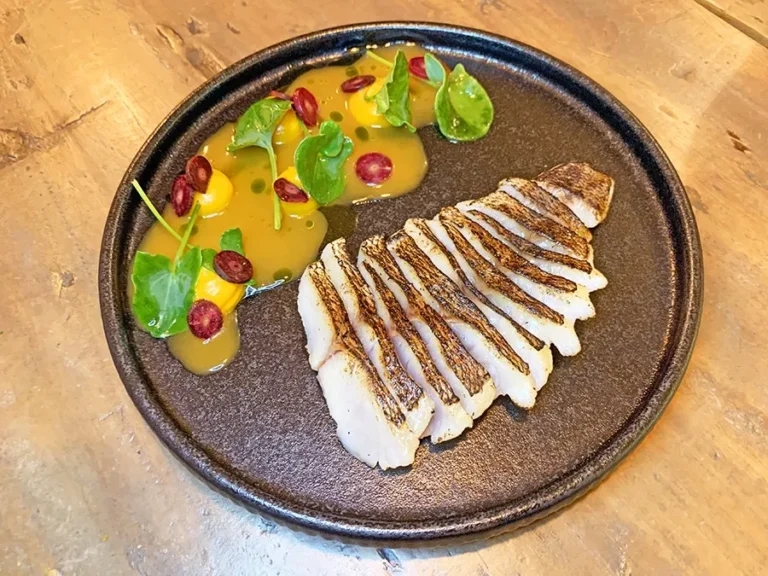
16. Try Traditional Maltese Food at Ta’ Kris
One of my favorite parts of any trip is always the food, and Malta definitely deserves a proper taste test.
If you want to try traditional Maltese cuisine, I’d highly recommend heading over to Ta’ Kris in nearby Sliema. It’s tucked away down a side street and, honestly, the surroundings are not exactly glamorous, but don’t let that fool you.
The food is absolutely worth it.
The portions are generous, everything tastes wonderfully homemade, and it’s a great place to try local dishes. If you eat meat, the rabbit dishes are one of Malta’s most famous specialties and definitely worth ordering.
For me, the standout was dessert.
Anything date-based instantly has my attention, so the trio of tiny date desserts was an easy win. You can book walking food tours online.
17. Try a Local Maltese Craft Beer
If you enjoy discovering local drinks while traveling, Malta has a great little surprise.
One of the best local craft beer options comes from Gozo, Malta’s sister island, with Lord Chambray being the standout local brewery.
If you don’t have time for a day trip to Gozo, you can still find it in some of Valletta’s coolest bars.
A few great places to try it include:
- Wild Honey
- 67 Kapitali
- La Bottega
It’s such a nice way to add a local touch to your evening in Valletta.
You can also book Wine tasting tours online.

18. Climb Valletta’s Famous Stair Streets
Valletta is a city of stairs.
You will discover this very quickly.
And then you will definitely feel it in your legs the next morning.
Because the city is built on a peninsula with steep streets and bastions, stairs are everywhere. They’re part of Valletta’s charm, but also a bit of a workout.
Fun fact for literature lovers: Lord Byron once passed through Malta and was famously unimpressed by the endless steps, even writing about them.
Honestly, he had a point.
By the end of the first day, my calves were definitely reminding me that Valletta may be small, but it is not flat.
Still, wandering these stair-lined streets is one of the most atmospheric things to do in Valletta.
19. Take a Day Trip to Birgu in the Three Cities
If you have a little extra time, one of the best day trips from Valletta is Birgu, one of the famous Three Cities.
In fact, Birgu is older than Valletta itself.
This is where the Knights of St John lived before Valletta was built, which makes it an incredibly historic place to explore.
It’s quieter, less touristy, and honestly one of my favorite areas around the harbour.
The streets here are beautiful, with flowers spilling from balconies, colorful doors, and peaceful little alleyways that feel wonderfully local.
A few things worth seeing include:
- Fort St Angelo
- Malta At War Museum
- St Lawrence’s Church
It’s perfect for a slower afternoon away from Valletta’s busier center.
You may also like: How to Spend 24 Hours in Luxembourg City? An In-Depth Guide

20. Stop for Pastizzi by Birgu Marina
I’m absolutely giving this its own section because it deserves one.
Trying Pastizz is basically a Malta essential.
These flaky pastries are usually filled with ricotta or mushy peas and are one of the island’s most beloved snacks.
And honestly, they are dangerously addictive.
Birgu Marina is the perfect place to stop for one with a tea or coffee while watching the boats bob on the water.
If you want something more filling, try a Ftira, a traditional Maltese ring-shaped bread sandwich with fillings like tuna, onion, or potato.
Simple, local, and absolutely delicious.
Sometimes these small food moments end up being the most memorable parts of a trip.
21. Wander Along Valletta Waterfront
If you fancy a more relaxed side of the city, the Valletta Waterfront is such a lovely place to spend an hour or two.
From the city center, take the Barrakka Lift down to the harbour side and head towards the waterfront promenade. The descent alone is quite fun and gives you beautiful views across the harbour as you come down.
Once at the bottom, you can stroll past the enormous cruise ships and make your way to the beautifully restored waterfront.
This area is lined with the historic Pinto Stores, a row of 19 old warehouses that have been transformed into restaurants, cafés, bars, and shops.
It has a lively atmosphere, especially in the late afternoon and evening, with lovely views across the marina toward the Three Cities.
It’s definitely one of the nicest places in Valletta for an easy waterfront walk and a sunset drink.
22. Take Photos on St Lucia’s Street
If there’s one street in Valletta that practically begs to be photographed, it’s St Lucia’s Street.
Honestly, every corner of Valletta is photogenic, but this one really stands out.
This steep stepped street perfectly captures the charm of the city, with cafés and bars spilling onto the stairs, deep red flags hanging overhead, warm limestone walls, and a gorgeous view stretching all the way down toward the Grand Harbour and the Three Cities.
I could honestly spend ages here just sitting with a drink and people-watching.
Some locals and visitors even sit casually on cushions placed on the steps, which gives the whole place a wonderfully laid-back feel.
If you love photography, this is easily one of the best photo spots in Valletta.
Come earlier in the morning or close to sunset for the prettiest light.
You may also like: 30 Essential Travel Packing Hacks I Swear By After Years of Traveling
23. Grab Lunch at Valletta Food Market
If you want a little break from walking and fancy something casual, the Is-Suq Tal-Belt food market is a great stop.
This beautiful 19th-century cast-iron market hall feels a bit like a cross between a historic market and a modern food hall.
The architecture alone is worth seeing.
Inside, you’ll find everything from fresh produce and baked bread to a food court serving pizza, burgers, tacos, and local Maltese dishes.
It’s ideal if you’re traveling with others who all want different things to eat.
I always love places like this because they give you a glimpse of everyday life alongside the tourist side of the city.

24. Escape to Ghajn Tuffieha Beach
If you’re spending more than a day in Valletta, I’d really recommend escaping the city for an afternoon and heading to Ghajn Tuffieha.
Because yes, Malta does have sandy beaches.
There’s this strange idea that Malta is all rocky coastline, but Ghajn Tuffieha proves otherwise.
This is one of the most beautiful sandy beaches on the island, with golden sand, turquoise water, and dramatic cliffs surrounding it.
You can easily reach it by bus from Valletta in about 45 minutes, making it a perfect half-day trip.
There are some stairs down to the beach, but the views on the way are absolutely worth it.
This is such a lovely contrast to the city and a great way to add a beach moment to your Malta itinerary.
25. Spot Valletta’s British Legacy and Classic Red Phone Boxes
One of the things that surprised me most while wandering around Valletta was just how many little reminders of Britain still remain.
From 1800 until 1964, Malta was under British rule and served as an important naval stronghold in the Mediterranean. That legacy is still very much visible today, and it’s one of those fascinating details that makes the city feel even more layered.
You’ll notice it in the little things first.
Cars still drive on the left, English is one of Malta’s official languages, and scattered around the city you’ll spot those instantly recognizable red telephone boxes and post boxes that feel like they’ve been lifted straight from London.
For me, it was one of those slightly surreal travel moments.
You’re surrounded by honey-colored Baroque buildings, palm trees, Mediterranean sunshine, and then suddenly there’s a classic British phone box standing in the middle of it all.
If you love photography, some of the best spots to capture this contrast are around Victoria Gate and near Bridge Bar, where the red phone box makes for a brilliant photo against Valletta’s historic streets.

Best Time to Visit Valletta
The best time to visit Valletta is spring (March to May) and autumn (September to November), when the weather is warm, sunny, and perfect for sightseeing without the intense summer heat.
Malta enjoys sunshine almost year-round, but these months offer the most comfortable temperatures for walking around the city and exploring its attractions.
Getting to and around Valletta, Malta
Most international travelers arrive in Malta either by flying into Malta International Airport or as part of a Mediterranean cruise.
If you’d rather avoid flying within Europe, you can also travel via Italy. It’s easy to combine train and ferry routes through the country to reach Sicily, and from there you can take the daily ferry service to Malta.
The easiest and most budget-friendly way to get from the airport to Valletta is by public bus. The X4 bus runs directly to Valletta, and a single journey costs around €2. You can usually pay by card or cash on board. It stops at the main Valletta bus station near the Triton Fountain, which is within easy walking distance of most parts of the city.
Public buses from across Malta also connect to this same bus station, so it really does feel like all roads lead to Valletta.
If you’re coming from Sliema or the Three Cities, the public water ferry is one of the nicest ways to arrive. It runs throughout the day and gives you beautiful views of the harbour as you approach the city.
For a quicker and easier option, taxis are widely available, including the official white taxis and the Bolt app. This can be especially helpful if you’re carrying luggage, as many of Valletta’s streets are narrow, steep, and pedestrian-only.
I wouldn’t recommend hiring a car for Valletta itself. Parking is limited, many streets are closed to vehicles, and honestly the city is much better explored on foot. Cycling is possible, but the hills and stairs make walking the more practical choice.
Where to Stay in Valletta, Malta?
Valletta has some lovely places to stay, from stylish boutique hotels to more budget-friendly apartments. Here are my top picks depending on your budget:
Treat yo’self
If you’re celebrating something special or just fancy a little luxury, The Republic Boutique Hotel is a beautiful choice. Expect stylish interiors, a central location, and boutique-hotel charm. Prices are usually around €230 per night, depending on the season.
Mid-range
For something comfortable without going full splurge, 55 A La Valletta is one of the best places to stay in Valletta. It’s in a fantastic location for walking to all the main sights and has excellent reviews for spacious rooms and friendly staff. Prices are usually around €150 per night.
Budget
Valletta isn’t the cheapest city in Europe, Valletta Apartment is a great budget-friendly option that still keeps you right in the heart of the city. It’s usually around €80 per night and is within easy walking distance of the Upper Barrakka Gardens and Republic Street.

Sustainable Travel Tips for Valletta
Valletta is actually a really easy city to explore more sustainably, and a few small choices can make a big difference during your trip.
- Walk as much as possible
One of the best things about Valletta is how compact it is. Most attractions are within walking distance, so you can easily explore the city on foot. For places further away, use the public bus system or the ferries to Sliema and the Three Cities. - Choose eco-conscious accommodation
When booking your stay, look for hotels and guesthouses that mention sustainable practices such as reduced plastic use, water-saving systems, or local sourcing. Many booking platforms also let you filter for more sustainable properties. - Drink tap water when possible
Tap water in Malta is safe to drink. It comes from desalinated seawater, so the taste can be slightly different, which is why many locals prefer bottled water. To reduce plastic waste, I’d recommend carrying a reusable bottle and refilling it with tap water. - Be mindful of water use
Malta has very limited natural freshwater resources, so it’s worth being extra conscious with showers, towel changes, and daily water use, especially during the hotter months. - Use air conditioning responsibly
Summers can be hot, so air conditioning is often necessary, but try to use it mindfully. Closing shutters during the day and opening windows at night can help keep rooms cooler naturally. - Support local food and businesses
When eating out, try local Maltese dishes made with seasonal produce, locally caught fish, and regional ingredients. Supporting family-run restaurants and local cafés is one of the easiest ways to travel more sustainably. - Visit outside peak summer
Valletta is a year-round destination, but visiting in spring, autumn, or even winter helps reduce over-tourism while giving you fewer crowds and often better prices.
Have I included all the best things to do in Valletta, Malta?
If you’re planning a Malta itinerary, I’d love to know which spot you’re most excited to visit first. Drop it in the comments below and let me know if you’ve found any hidden gems in Valletta that deserve a place on this list.