


14-day Central Europe Itinerary: An Epic Journey Through Germany To Hungary
For my husband and me, travel isn’t just a hobby, it’s an annual tradition we budget for, save for, and relentlessly look forward to. It’s our favorite form of escape and reconnection.
I am going to share tips and stories from our recent 14-day Central Europe Itinerary. But first, a little context.
Our international journey began in 2021 with a delayed honeymoon to Turkey (thanks, COVID!), eight months after we were married. Since then, we’ve covered significant ground, tackling Western Europe,the UK, and Japan, with no intention of slowing down. This latest trip marked our fourth European adventure.
This time, the focus was Central Europe, a region defined by imperial history, dramatic architecture, and a melting pot of cultures.
The seed for this trip was planted years ago: my obsession with Prague started back in 2016 after watching the Bollywood movie Rockstar, while my husband always had Budapest on his must-see list.
From there, the itinerary grew, with me adding Vienna and him championing Berlin.
The planning commenced in earnest in July, 2025.
After swiftly securing our visas in a mere seven days, the real fun began: booking flights. We opted for the comfort and convenience of Qatar Airways for our journey, flying into Frankfurt and departing from Budapest.
Over the next 14 days, we navigated five countries: Germany, Czech Republic, Slovakia, Austria, and Hungary, relying exclusively on FlixBus for inter-city travel and seamless public transport for within the countries. We embraced local living with Airbnbs and stayed connected with a reliable Holafly SIM card.
In this article, you will find everything you need to recreate this incredible Central European tapestry: from city-specific must-see experiences and the complete cost breakdown (flights, accommodation, food, and transport), to the exact moment one particular capital city completely stole my heart.
Weather Surprises
When we landed in Frankfurt, it felt like summer had followed us across Europe. I immediately regretted packing those warmer layers, I had imagined chilly evenings, but the sun was shining, and the air was pleasantly warm.
We travel light, so all our clothes fit into a single 25kg luggage for both of us, plus a small backpack for snacks and airport essentials. It was perfect… except for my initial overestimation of how much warmth we’d actually need.
By the time we reached Berlin, we had finally adjusted our minds (and bodies) to Central European time after a solid 8–9 hours of sleep.
Next morning, I confidently wore a dress shirt and pants, thinking I had nailed the “European chic” look.
But the moment we stepped out and reached at the corner of our Airbnb street, a chilly breeze hit me like a mini Arctic welcome committee.
My husband, of course, saw right through it, and we exchanged a look that said it all, no words needed. We rushed back, dug out sweaters, scarves, and layered everything we had like two overstuffed Russian dolls.
Late September in Germany can be unpredictable. Frankfurt may greet you with warm, sunny skies, but by the time you reach Berlin, Dresden, or northern areas, mornings and evenings are crisp and require light jackets or sweaters.
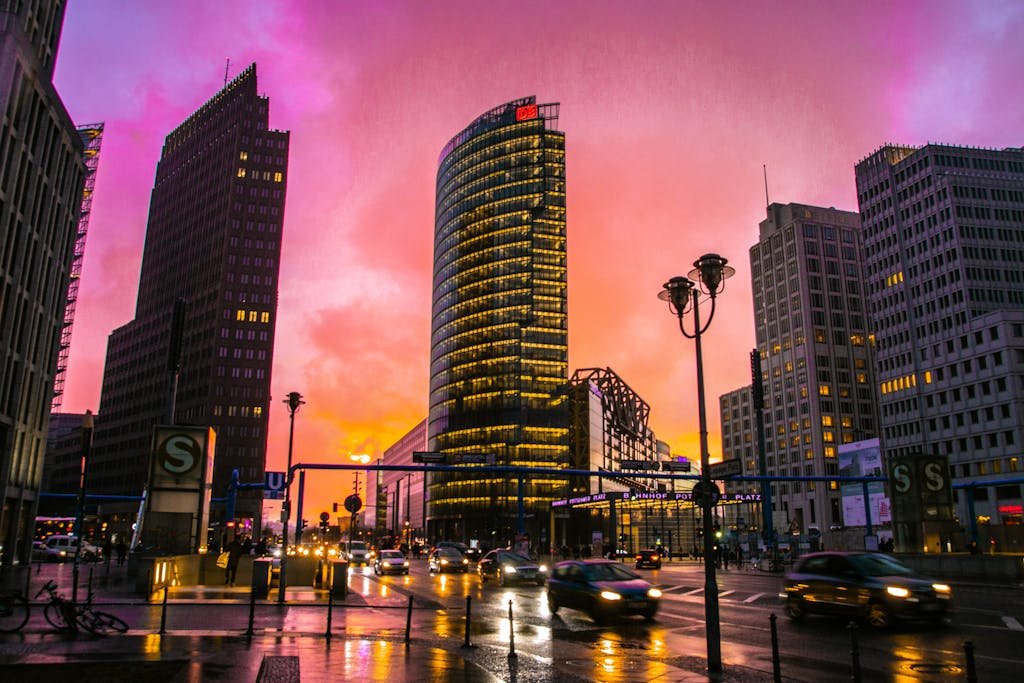
From Berlin onward, the weather decided to fully embrace autumn. Dresden was crisp, with morning that made you glad for every layer, and afternoons that felt just warm enough to take off a scarf.
Prague greeted us with chilly air that made the sun feel like a rare, delightful friend, and every walk through its cobblestone streets was an excuse to snuggle into our jackets.
Bratislava’s wind was playful and persistent, so light scarves became our constant companions. Vienna offered a similar story, cool mornings and evenings with golden, comforting sunlight during the day that made exploring the city a joy.
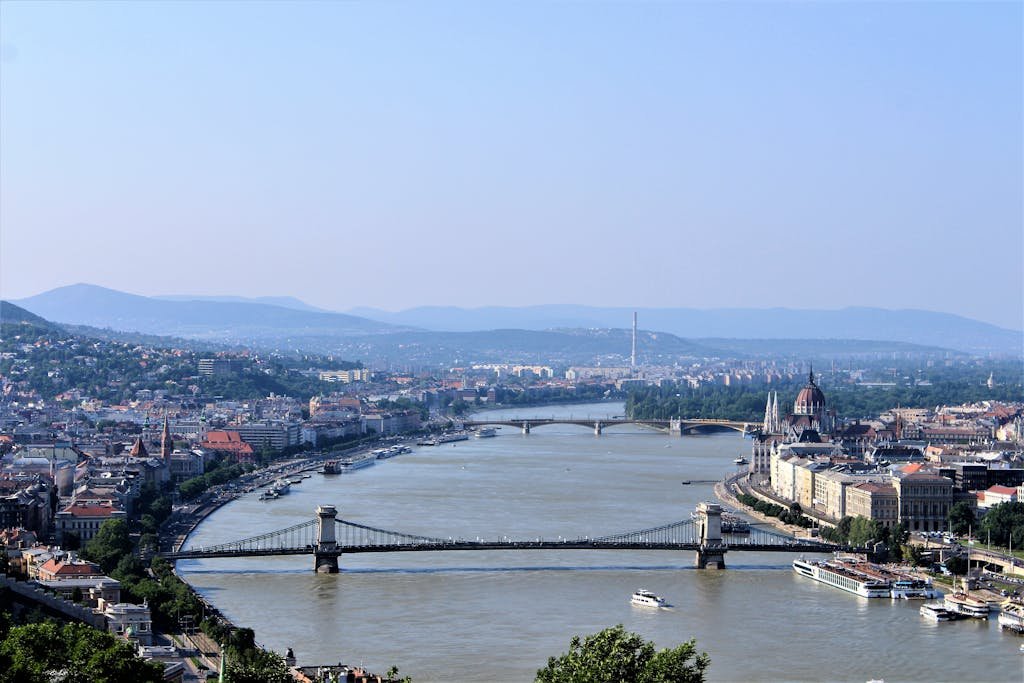
Finally, Budapest was cold enough to make you reach for your jacket but sunny enough at times to feel like a gentle hug from the late September sun.
Late September in Central Europe is all about contrasts: warm sun that teases you during the day, followed by crisp, chilly evenings. Light jackets and scarves are your best friends, making it easy to enjoy every city without being weighed down by heavy coats.
Flying Light (Well, Mostly): Our Central Europe Packing Strategy
Packing for a 14-day, multi-country trip across diverse climates and cultures is always a puzzle.
For us, it became a balancing act between fashion, emergency preparedness, and the absolute necessity of a good cup of tea!
I packed 12 shirts because, of course, I didn’t want to repeat outfits and wanted to experiment a little style (a girl thing, you know). Along with that, I had 2 coats, 4 pairs of jeans, 2 tights, 8 pairs of socks, 4 night suits, 1 scarf, 1 pair of joggers, and 1 pair of pumps. Basically, I was prepared for every fashion emergency.
My husband, on the other hand, kept it minimalistic yet functional: 4 sweatshirts, 4 t-shirts, 4 jeans, 2 night suits, 1 scarf, and 8 pairs of socks. The ultimate lesson in “less is more,” and somehow he always manages to get it right.
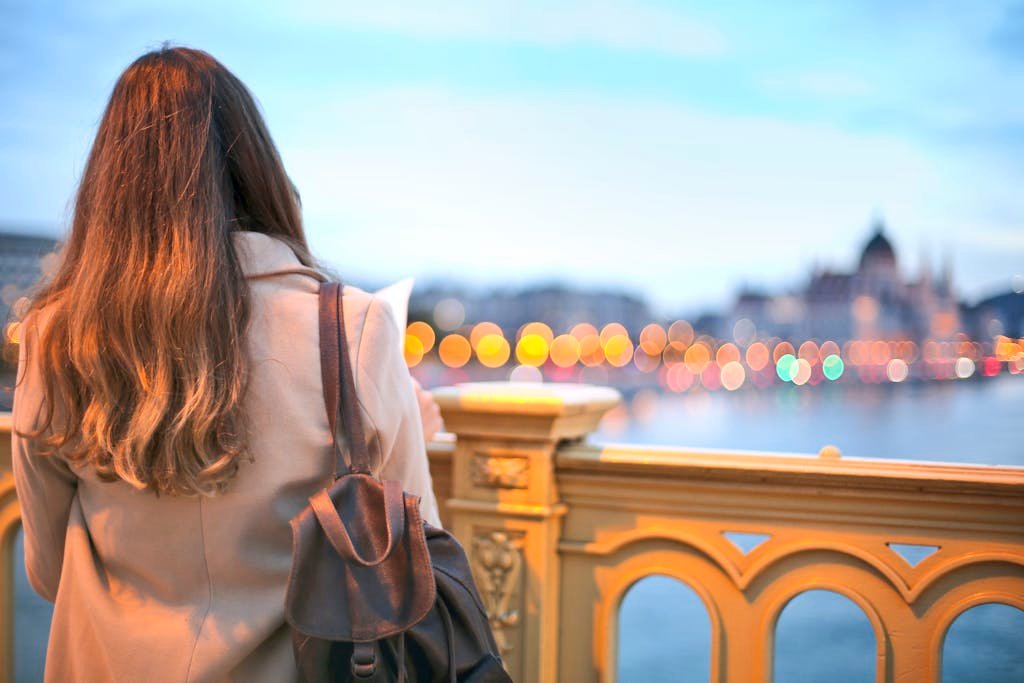
The Emergency & Comfort Kit
Beyond the clothing, we carried several essential, non-negotiable items that made a huge difference to our trip:
- The Mobile Pharmacy: Having gotten seriously sick on two previous international trips (a funny story for another day!), I came prepared for every eventuality. We packed a comprehensive selection of medicines, covering everything I could possibly catch or have, from headaches and common colds to antivirals and even emergency antibiotics, just in case of bed bugs or other travel ailments.
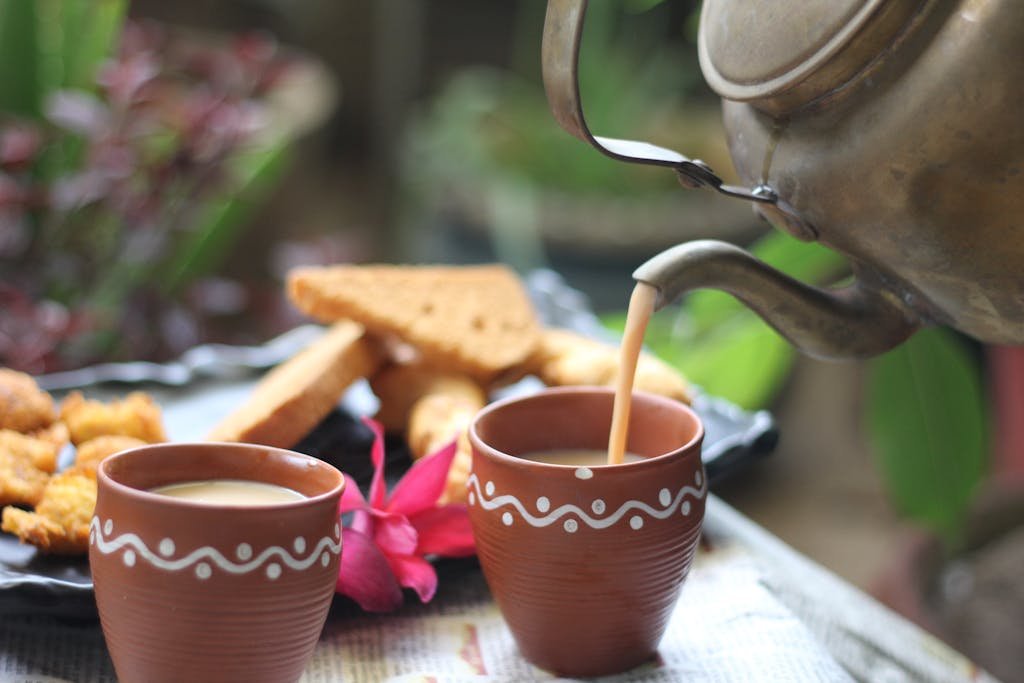
- The Tea Fix (Karak Chai Essentials): This is non-negotiable for any milk tea addict! We packed everyday powder milk, tea, and Stevia. Finding authentic, strong, milky tea in Europe is often difficult, if not impossible, or incredibly pricy. Anyone addicted to milk tea knows exactly what I mean, this small kit guaranteed a comforting, familiar start or end to every single travel day.
- Essentials for the Road: A selection of snacks and chocolates proved invaluable for the long FlixBus journeys and late-night check-ins. We also ensured we had all our mobile accessories (international adapters, power banks, and charging cables) to keep our navigation running. Finally, we tucked in an extra bedsheet for added safety and peace of mind when staying at Airbnbs across different cities.
This packing strategy ensured we were prepared for both the unexpected and the highly anticipated, making our 14-day Central Europe Itinerary possible and comfortable.
Getting Around Central Europe
The Air Miles: Our Gateway and Exit Flights
Securing the right flights is the first major step in any international adventure, and we knew we wanted a reputable airline for our long-haul journey from Pakistan. We opted for Qatar Airways, flying into Frankfurt and returning from Budapest.
This “open-jaw” itinerary, flying into one city and out of another, was key to maximizing our two weeks without wasting time backtracking.
We managed to snag our economy tickets for an impressive $300 per person one side, a testament to booking early and being flexible with our travel dates.
When budgeting for your own trip, remember that finding a similar price will often mean booking 4–6 months in advance and keeping an eye on sales!
The Ground Game: Mastering Central European Transit
While we loved the comfort of Qatar Airways, the true heroes of our 14-day trip were the ground transportation options. Our strategy centered on being budget-friendly and flexible:
Intercity Travel: The FlixBus Life
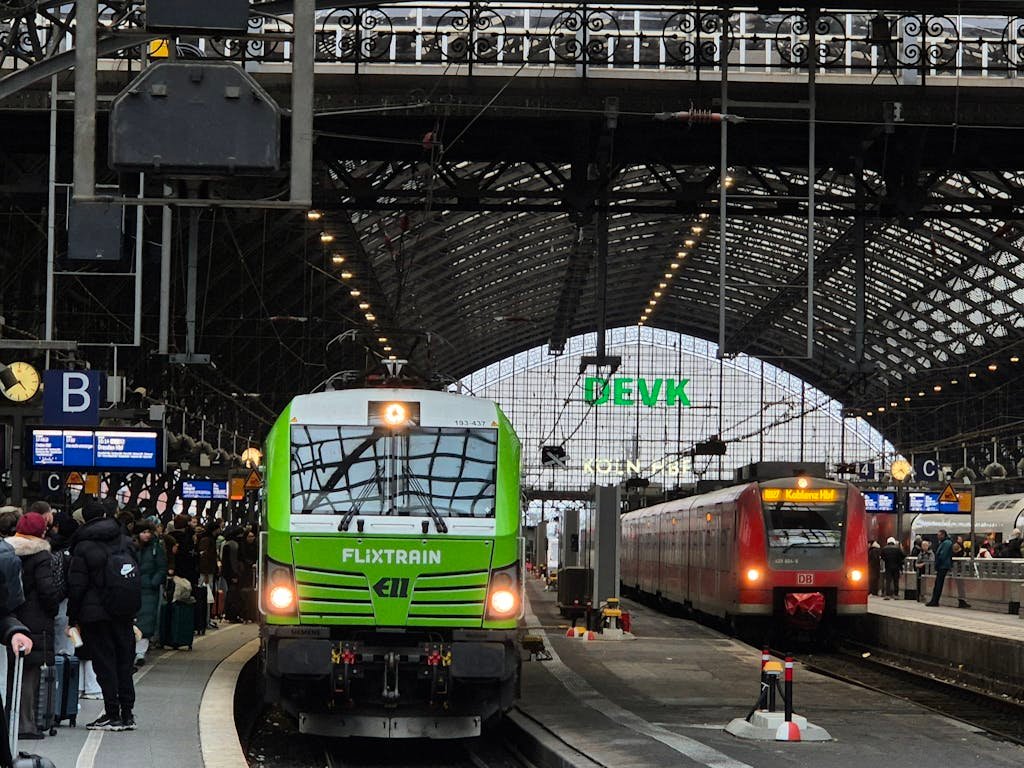
The undisputed champion for our cross-border journeys was FlixBus. We used the distinctive green buses for every intercity hop except Frankfurt to Berlin, we used long-distance regional train for this route. It costed $29 per ticket.
The Cost Savings: This was our major win. By booking weeks in advance, we secured tickets for routes like Prague to Vienna for as low as €15 per person. This single choice saved us hundreds of Euros overall.
The Reality Check: While cheap and efficient, you must be prepared for the time commitment. These long rides are best approached as a necessary part of the adventure. We used the free on-board Wi-Fi (where available) to plan the next city’s itinerary or simply catch up on rest.
Within Cities: The Public Transit Magic
Once in a city, we relied exclusively on the local public transport—U-Bahn, S-Bahn, trams, and buses. This is where Central Europe truly shines.
Cost-Effectiveness: Purchasing 24-hour day tickets or group passes (especially in Frankfurt and Berlin) was the key. These passes usually cost between €7 and €11per person per day and allow unlimited travel, saving the hassle and expense of multiple single tickets.
The ‘Honor System’ Rule: We quickly learned the importance of ticket validation, especially in Prague and Vienna, where the system runs on trust. Always validate your ticket upon first entry to avoid hefty fines!
Staying Connected: The Holafly Lifeline
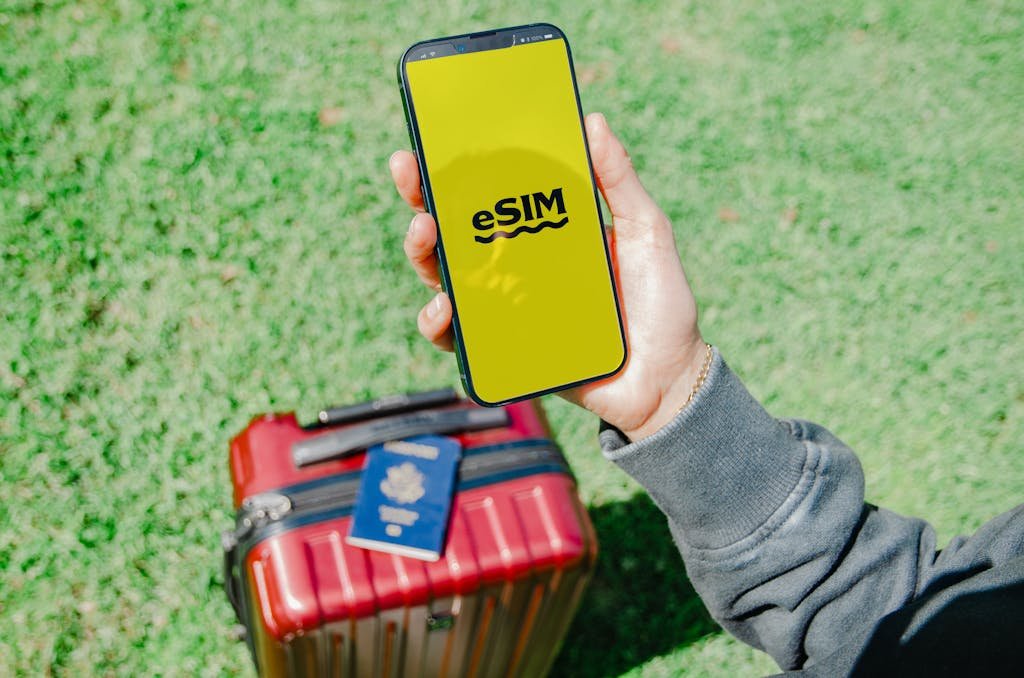
A successful trip hinges on reliable data for navigation and last-minute bookings. We purchased a regional Holafly eSIM online before we left, and it worked flawlessly in all six countries we visited. It costed us €30.
Having consistent high-speed data from Germany to Hungary, without ever having to swap a physical SIM card, was invaluable and eliminated any travel stress related to connectivity.
Accommodation: Staying Local with Airbnb
For a 14-day, multi-city route like ours, we knew we didn’t want the impersonal, standardized experience of a chain hotel. Our entire trip was anchored by the decision to book Airbnbs in every country where we spent the night.
This choice was about more than just finding a bed; it was about living like a local, giving us a more authentic, neighborhood-level perspective on each city.
The Airbnb Advantage for a Multi-Country Trip
Booking entire apartments through Airbnb offered several distinct benefits that were crucial for our style of travel:
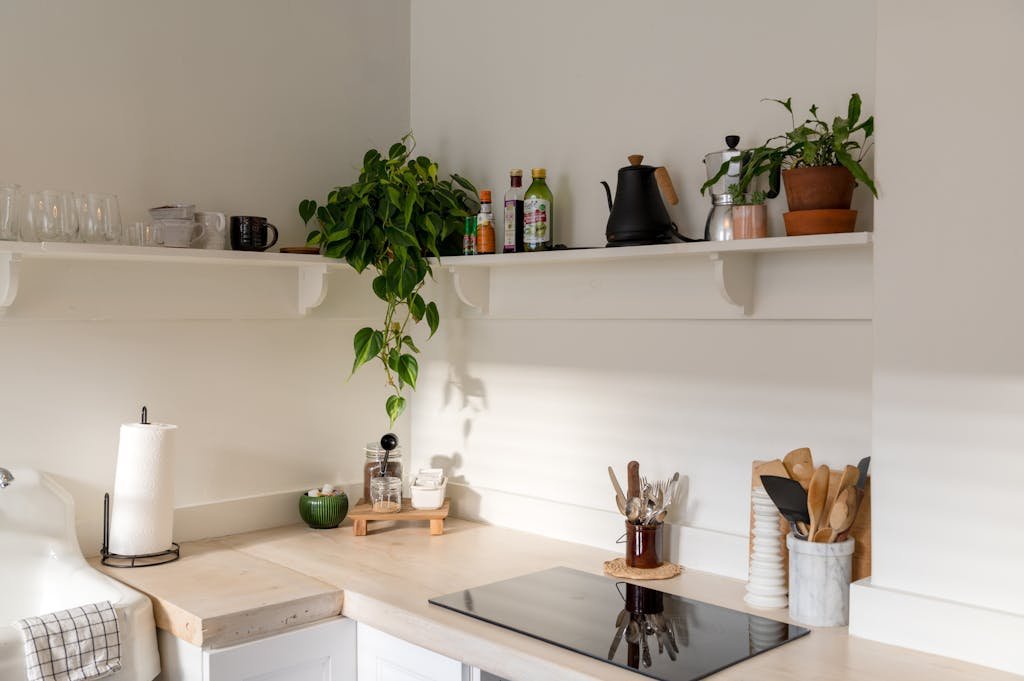
- Space and Comfort: After long days of sightseeing and intercity bus travel, having a full apartment meant we had room to stretch out, cook a simple meal, and truly relax.
- The Kitchen Freedom: As milk-tea addicts, the kitchen was my headquarters! Having a stove and fridge meant we could make our breakfast every morning, completely sidestepping the expensive and often disappointing European café options.
- Local Neighborhood Vibe: Our hosts provided invaluable tips, and staying off the main tourist strips meant we discovered amazing local markets, hidden parks, and, of course, those fantastic, affordable Iranian, Arabic, and Turkish eateries.
The Accommodation Cost Breakdown
One of the great things about Central Europe is that housing costs, while variable, are generally more manageable than in Western Europe (like Paris or London). Our Airbnbs were always secured in locations with easy access to the main public transport lines.
We experienced a clear cost gradient across the six stops:
- Frankfurt & Berlin (Germany): As the most developed economies on our route, these cities represented the higher end of our budget, averaging €90 – €110 per night for a well-located, private apartment.
- Vienna (Austria): This felt comparable to the German cities, generally in the €85.
- Prague & Budapest (Czech Republic & Hungary): These cities offered the best value. We were able to find stunning, spacious, and centrally located Airbnbs for an average of €65 – €75per night. This significant saving allowed us to allocate more of our budget to food and activities.
The Central Europe Itinerary: A Country-by-Country Breakdown
Germany (5 Days): From Financial Hub to History’s Heart
Germany was our first point of contact with Central Europe, and it set the rhythm for the entire trip. These five days were about adjustment, adjusting to time zones, to a new pace of life, and to the quiet efficiency that Germany is known for.
From Frankfurt’s modern skyline to Berlin’s heavy history and Dresden’s artistic beauty, Germany felt like a journey through contrasts. It was structured yet emotional, calm yet deeply thought-provoking, and the perfect place to begin a 14-day, multi-country adventure.
Frankfurt (2 Days): The Gateway City
Frankfurt was not a city we had romanticized before the trip. For us, it was the landing point—the place where Europe officially began this time. After a long flight, stepping out into Frankfurt felt grounding rather than overwhelming, which is exactly what we needed.
We spent our first two days here deliberately slow. Jet lag was real, and instead of rushing through tourist checklists, we allowed ourselves to ease into the city.
Frankfurt surprised us. Often labeled as just a financial hub, it quietly revealed layers beyond glass skyscrapers and corporate offices.
One of our first walks was through Römerberg, the heart of Frankfurt’s Old Town. The contrast between the historic half-timbered houses and the modern skyline in the distance was striking.
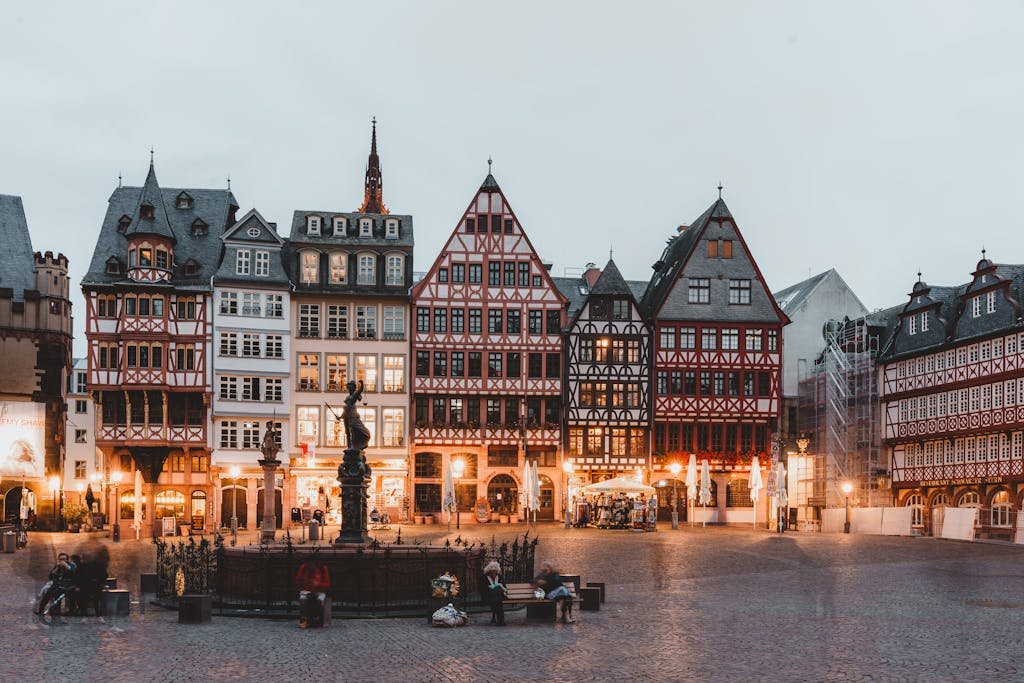
Standing there, we both felt that familiar travel excitement, that moment when you realize you’re finally here. The city felt clean, orderly, and calm, which instantly put us at ease.
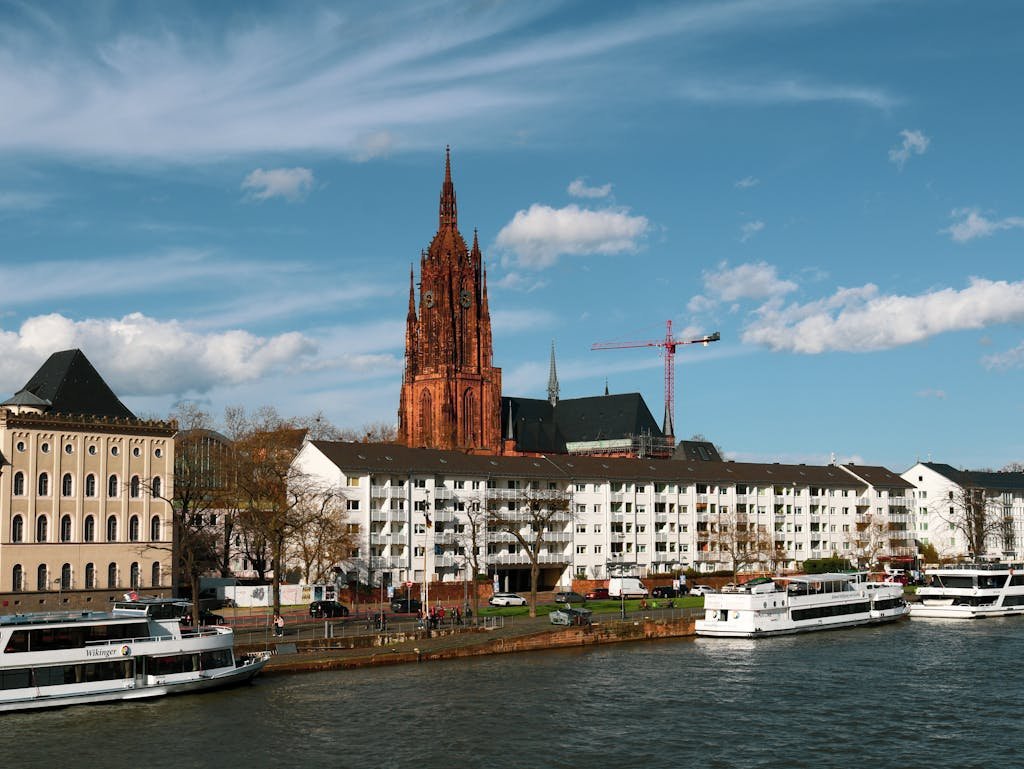
Walking along the River Main became one of our favorite simple pleasures. There was something soothing about watching locals jog, cycle, or sit quietly by the water while the city moved at its own measured pace.
These moments helped us shake off the exhaustion of travel and gently transition into “Europe mode.”
Frankfurt Cathedral (Kaiserdom) left a quiet impression on us. It wasn’t crowded or flashy, but it carried a sense of history that made us pause longer than expected. We noticed how often Germany invites reflection rather than spectacle, and that theme stayed with us throughout the country.
Food-wise, Frankfurt gave us our first taste of how easy it is to eat well in Europe, even without planning. Between casual bakeries, local eateries, and international food options, meals felt satisfying without being heavy on the pocket. We also noticed how multicultural the city felt, something we appreciated deeply.
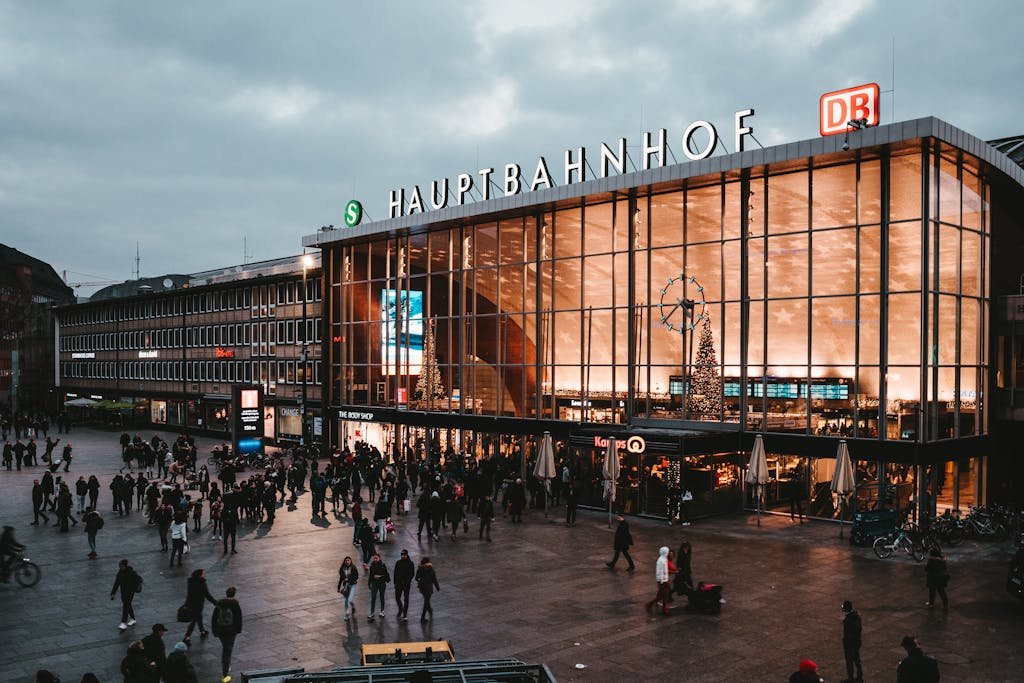
Public transport was effortless. Clear signage, punctual trains, and walkable neighborhoods made moving around stress-free. For a first city on a long itinerary, that mattered a lot. It allowed us to focus on each other and the experience rather than logistics.
Frankfurt may not steal hearts the way Prague does, but it plays a crucial role. It gently welcomes you, helps you settle, and prepares you for what lies ahead. For us, it was the perfect gateway, not just into Germany, but into two unforgettable weeks across Central Europe.
Berlin (3 Days): Modernity, Memory, and Meaning
Berlin was not an easy city, and that’s exactly why it stayed with us. Unlike cities that try to charm you instantly, Berlin asks you to slow down, pay attention, and sit with discomfort. Over three days, we realized this wasn’t a place to simply see; it was a place to feel.
From the beginning, Berlin felt vast. Bigger than Frankfurt, louder in some places, quieter in others, and layered in a way that made us constantly pause. Every neighborhood felt different, every street seemed to carry a story.
We relied heavily on public transport, and despite the city’s size, moving around was seamless. Trains arrived on time, connections made sense, and the system quietly supported our packed days.
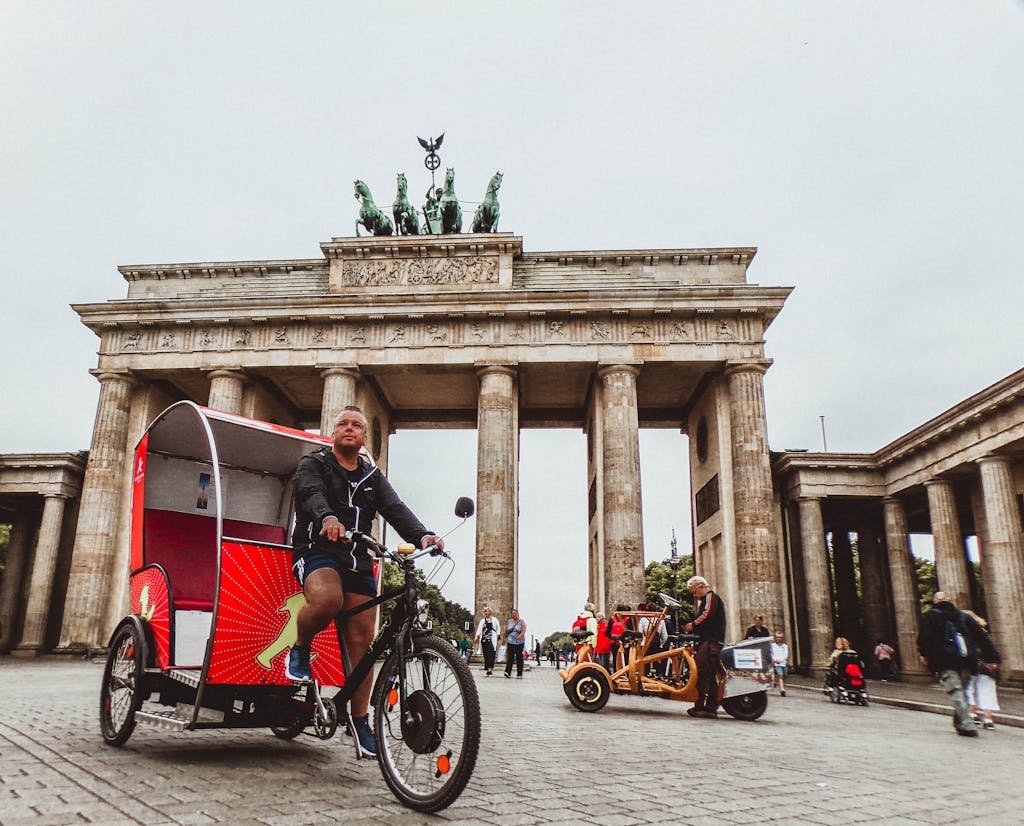
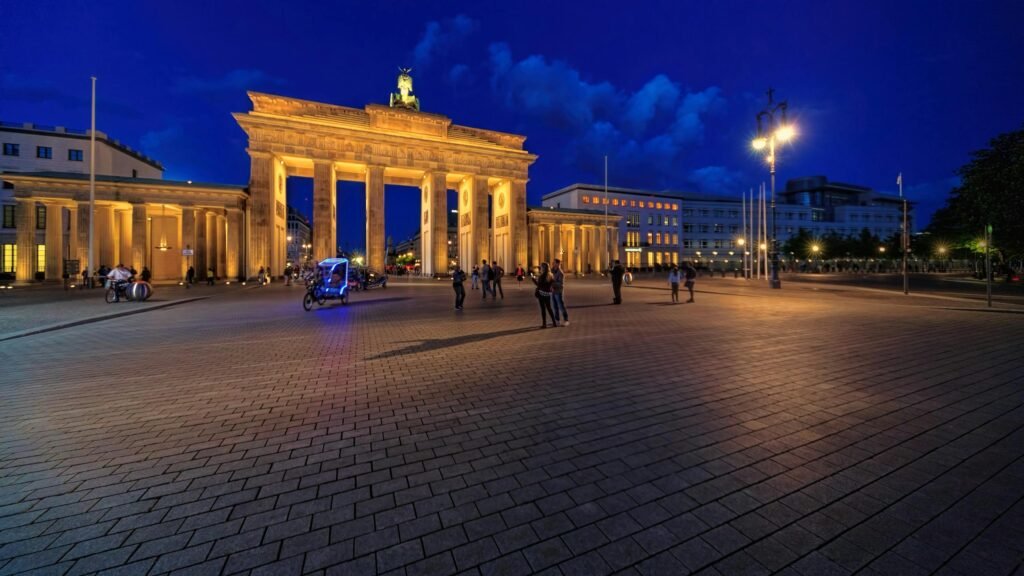
One of our first stops was the Brandenburg Gate. Standing there together, we felt the weight of history without a single word needing to be said. It’s one of those places you’ve seen a thousand times in pictures, yet standing in front of it feels strangely grounding.
Around us, people clicked photos, but there was a quiet respect in the air, something we noticed again and again in Berlin.
The Berlin Wall Memorial and the East Side Gallery were emotionally heavy. Walking alongside the remnants of the wall, reading stories, and seeing how art has transformed pain into expression was overwhelming.
At one point, we slowed down without even realizing it, both of us reading silently, occasionally exchanging looks that said more than words could. Berlin doesn’t allow you to romanticize history, it confronts you with it honestly.
The Holocaust Memorial was one of the most intense experiences of the trip. Rows of concrete slabs, uneven ground, and an unsettling silence that grew deeper as we walked further in. It wasn’t a place for photos or conversation.
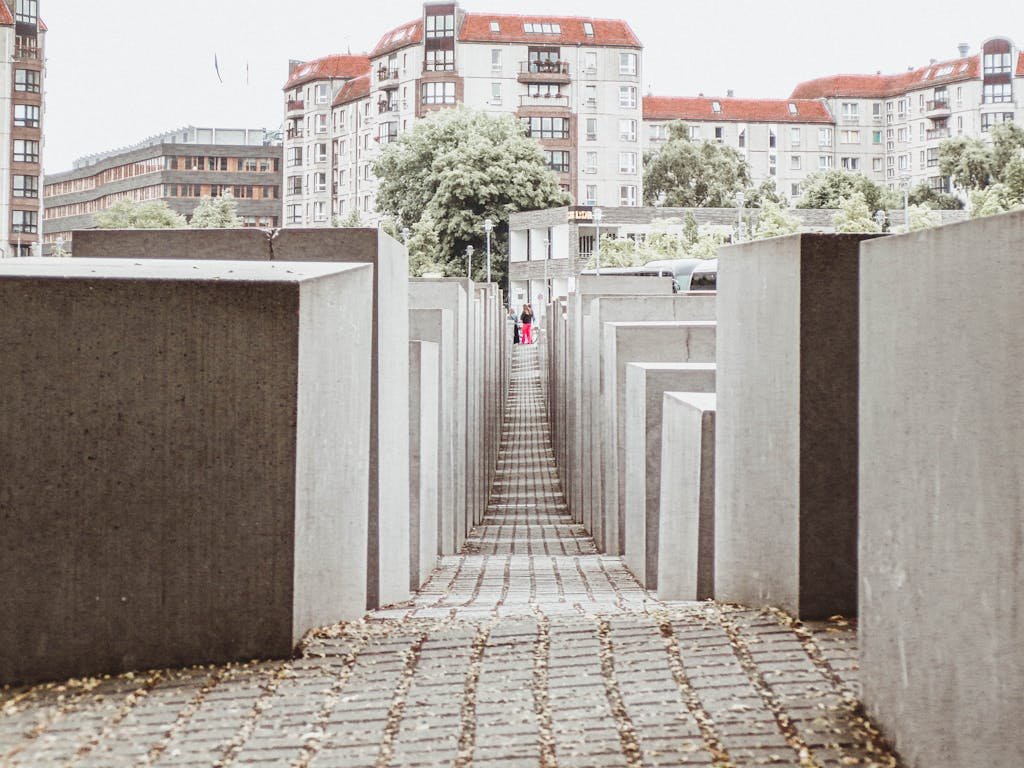
We walked through quietly, separately but together, each processing it in our own way. That moment stayed with us long after we left.
What struck us most about Berlin was how the past and present coexist so unapologetically. Just when a place would feel heavy, we’d turn a corner and find a vibrant café, street art splashed across old buildings, or young locals laughing over coffee. Berlin isn’t stuck in its past, it carries it while still moving forward.
Food in Berlin was an experience in itself. The city felt incredibly international, and we loved how easy it was to find Middle Eastern, Turkish, and other global cuisines alongside local favorites.
Meals often turned into long conversations about what we had seen that day, how it made us feel, and how different Berlin was from the other European cities we’d visited before.
By the third day, Berlin felt familiar yet unresolved. It wasn’t a city we “completed,” and we didn’t want to. Instead, it left us thoughtful, a little heavy, and deeply respectful. It challenged us emotionally more than any other city on the trip, and in doing so, it added depth to our journey.
Berlin didn’t steal our hearts, but it earned our respect. And sometimes, that stays with you even longer.
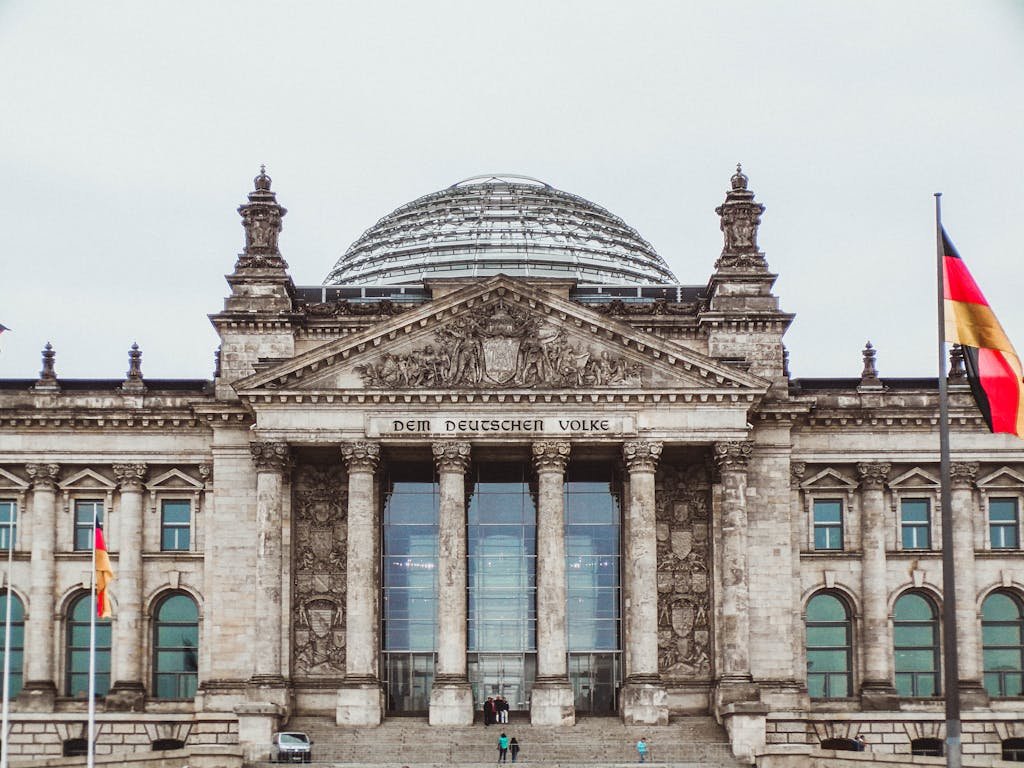
Dresden (Day Trip): Baroque Beauty
Dresden felt like a deep exhale after Berlin.
We took this as a day trip, and even before arriving, the change in mood was noticeable. The journey itself was smooth and unhurried, and as soon as we stepped into the city, everything felt softer, quieter, with streets that were lighter and an elegance that revealed itself gradually.
Often called “Florence on the Elbe,” Dresden lives up to its reputation, but in a way that feels understated rather than dramatic. The city doesn’t try to impress you loudly. Instead, it draws you in with balance, symmetry, and a sense of calm that stays with you as you walk.
The Old Town (Altstadt) was where we spent most of our time, and it felt like stepping into a painting. Baroque buildings lined wide squares, each structure carefully restored, each detail demanding attention.
The Zwinger Palace was one of those places where we instinctively slowed down. Its courtyards, fountains, and architecture made us pause repeatedly, not to take photos, but simply to look.
The Frauenkirche was another moment of quiet awe. Knowing its history, destroyed during the war and later rebuilt stone by stone, added depth to the experience. Standing inside, we felt a sense of resilience rather than sadness.
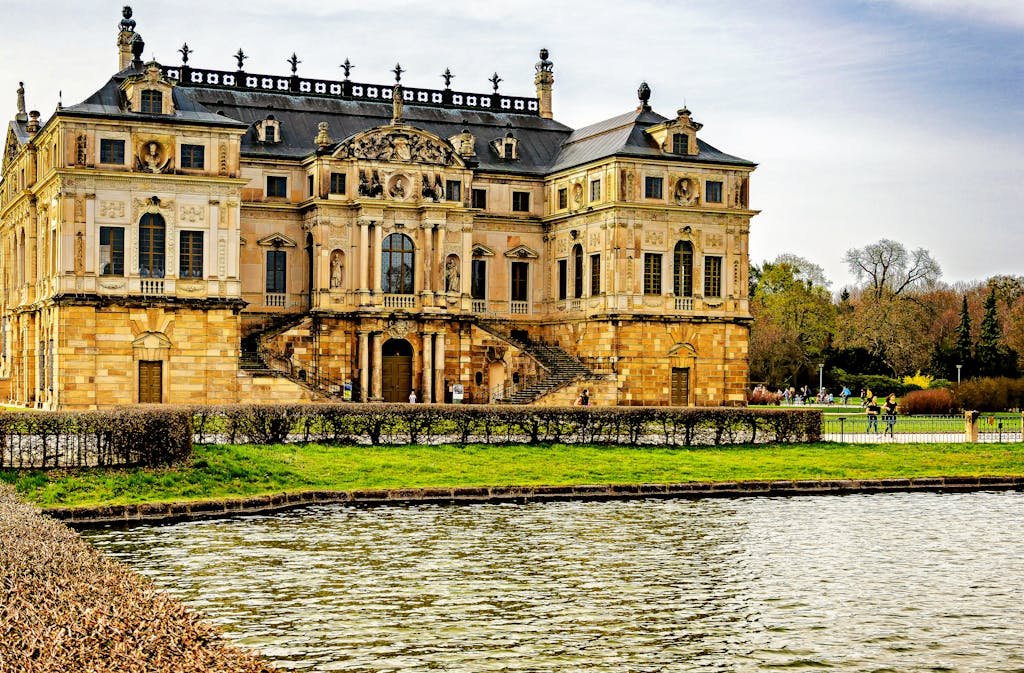
Dresden doesn’t erase its past; it rebuilds with intention.
Walking along the Elbe River was one of the most peaceful moments of our entire trip. There was no rush, no agenda. We leaned against the railing, watched boats pass, and talked about how different this felt from Berlin, how Germany itself had surprised us by offering such contrast within a few hours’ distance.
One thing we both noticed was how uncrowded Dresden felt compared to major European capitals. It allowed us to enjoy the city without constantly navigating through tourists.
Cafés felt relaxed, streets felt open, and even popular landmarks didn’t feel overwhelming. It was refreshing.
Food was simple and comforting that day. Nothing extravagant, but exactly what we needed, warm meals, quiet seating, and time to rest our feet. Dresden wasn’t about ticking boxes; it was about being present.
By late afternoon, as the light softened and the city seemed to glow, we realized how glad we were that we hadn’t skipped this day trip. Dresden added a layer to our understanding of Germany, one of beauty, restoration, and quiet strength.
As we headed back, tired but content, Dresden stayed with us not as a highlight in the loud sense, but as a memory we both kept returning to. It reminded us that sometimes, the places you expect the least from end up giving you exactly what you didn’t know you needed.
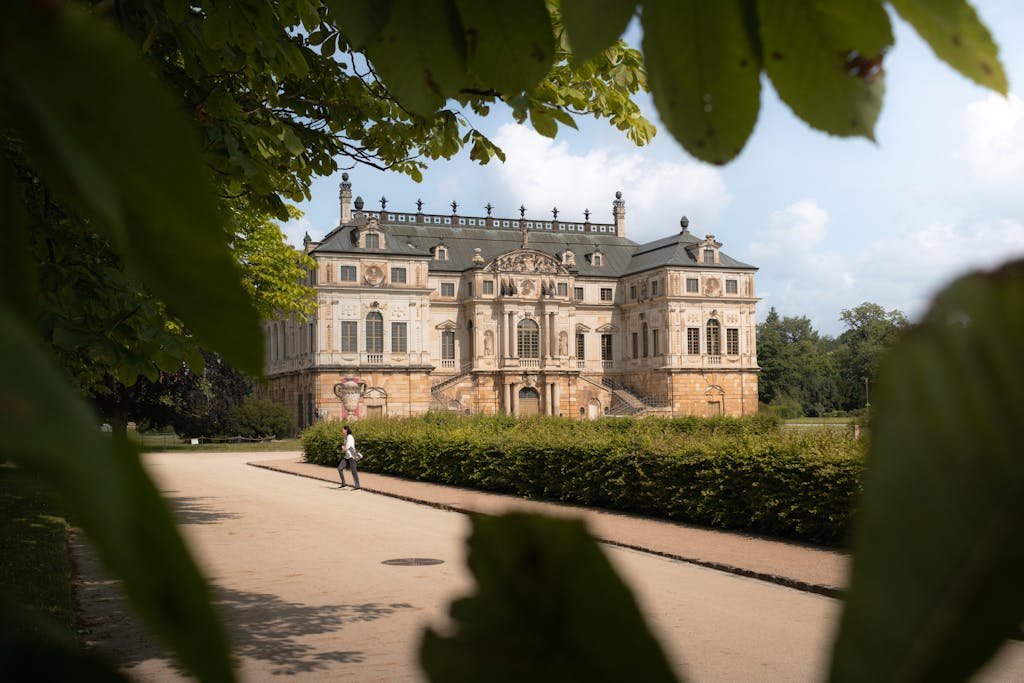
Czech Republic (2 Days): Prague- The City That Stole My Heart
Some cities impress you. Some entertain you. And then there are cities like Prague, cities that quietly, almost unexpectedly, take a permanent place in your heart.
I had carried Prague in my imagination for years, long before this trip ever took shape. Somewhere back in 2016, after watching Rockstar, the idea of Prague lodged itself in my mind.
I didn’t know when I’d come, or how, but I knew I wanted to see it one day. Walking into the city with my husband all these years later felt surreal, like stepping into a long-held promise.
From the moment we arrived, Prague felt different. Warmer. More intimate. The kind of city that invites you to walk without direction. Cobblestone streets, pastel buildings, soft light, it all felt effortless, as if the city didn’t need to try too hard to be beautiful.
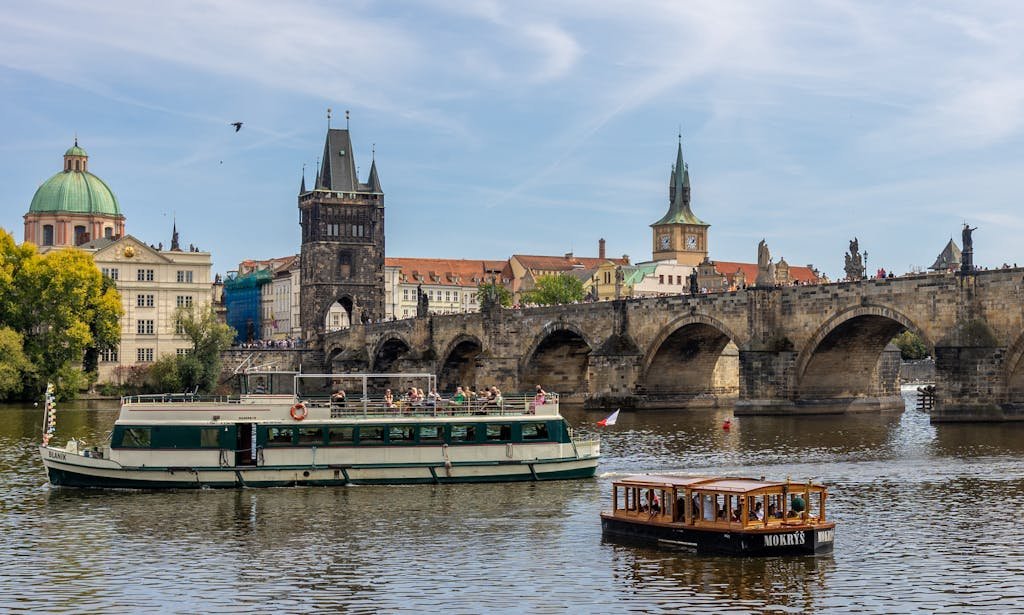
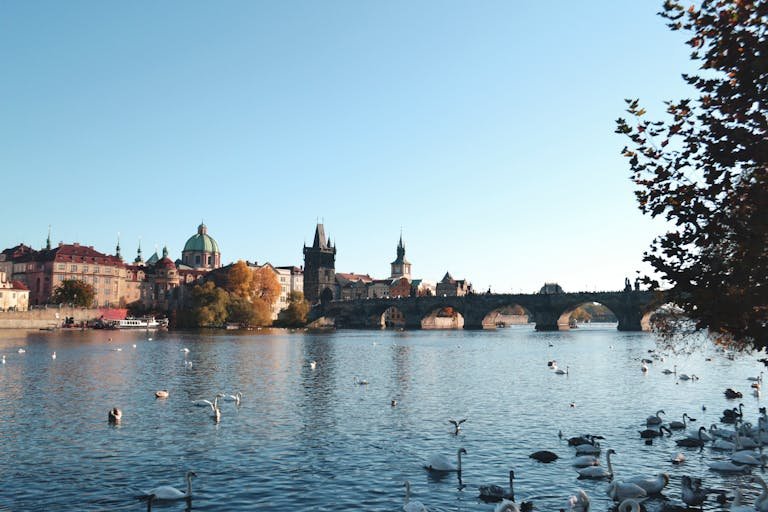
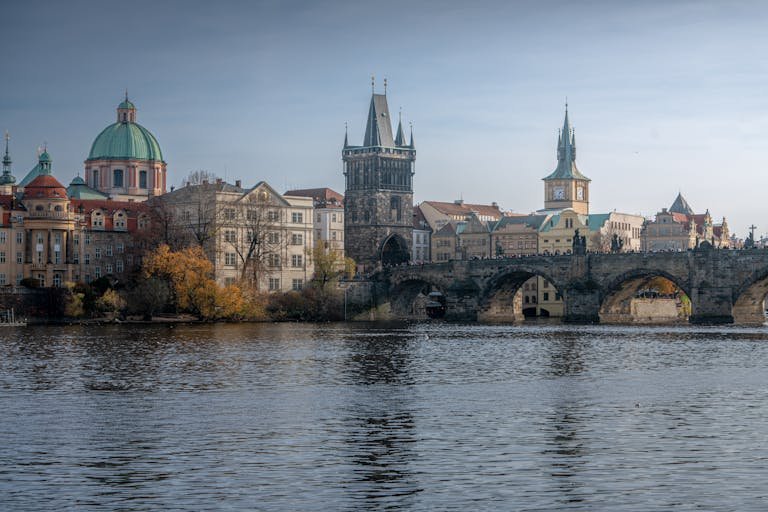
One of our earliest mornings, we made our way to Charles Bridge at sunrise. That quiet walk remains one of my most cherished memories of the entire trip.
The bridge was nearly empty, the city still waking up, and the Vltava River flowing calmly beneath us. We walked slowly, barely speaking, just absorbing the moment. It felt romantic in a way that was calm and real, not dramatic, just deeply peaceful.
Old Town Square was lively in contrast. The Astronomical Clock drew crowds, but even there, Prague didn’t feel chaotic. We wandered, stopped for coffee, watched street performers, and let time stretch.
Unlike bigger cities where we were constantly aware of schedules, Prague allowed us to move at our own pace.
Prague Castle and St. Vitus Cathedral were breathtaking, not just for their scale, but for the views they offered over the city.
Standing there, looking out over red rooftops and winding streets, I remember thinking how complete everything felt. My husband, who usually focuses on logistics and routes, lingered longer than usual, quietly taking it all in.
Evenings in Prague were magical. The city glowed after sunset, reflections dancing on the river, bridges lit softly, streets humming without being loud. We walked aimlessly, crossed bridges just because they were there, and talked about nothing important and everything at once.
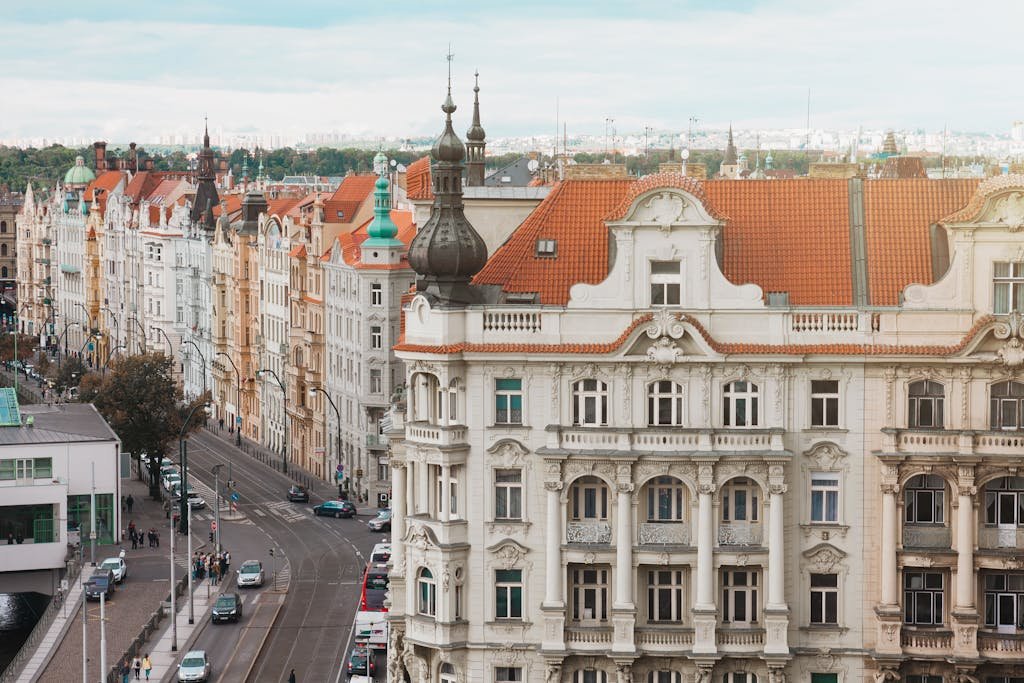
Food in Prague was comforting and satisfying. Simple meals, warm flavors, and cozy spaces made dining feel intimate rather than transactional. We weren’t chasing famous spots—we were enjoying moments.
What made Prague special wasn’t just its beauty; it was how it made us feel. Safe. Calm. Connected. It was the city where we slowed down the most, laughed the easiest, and felt most present with each other.
When we left Prague, I knew something had shifted. Out of all the cities we visited on this trip, Prague wasn’t just a destination, it became a feeling. And even now, thinking back, it’s the city I find myself returning to in my mind, again and again.
Prague didn’t just steal my heart. It kept it.
Bratislava, Slovakia (Day Trip): A Pause Between the Capitals
Bratislava came to us quietly, almost as an afterthought—and that’s exactly how it was meant to be experienced.
Wedged between Vienna and Budapest, it wasn’t a city we had built expectations around. We didn’t arrive with a long checklist or a sense of urgency. Instead, Bratislava was a pause—a moment to slow down between two grand capitals, to breathe, and to simply be present.
From the moment we arrived, the scale felt different. Smaller streets, fewer crowds, a gentler rhythm. After the emotional weight of Berlin and the romance of Prague, Bratislava felt light and unassuming.
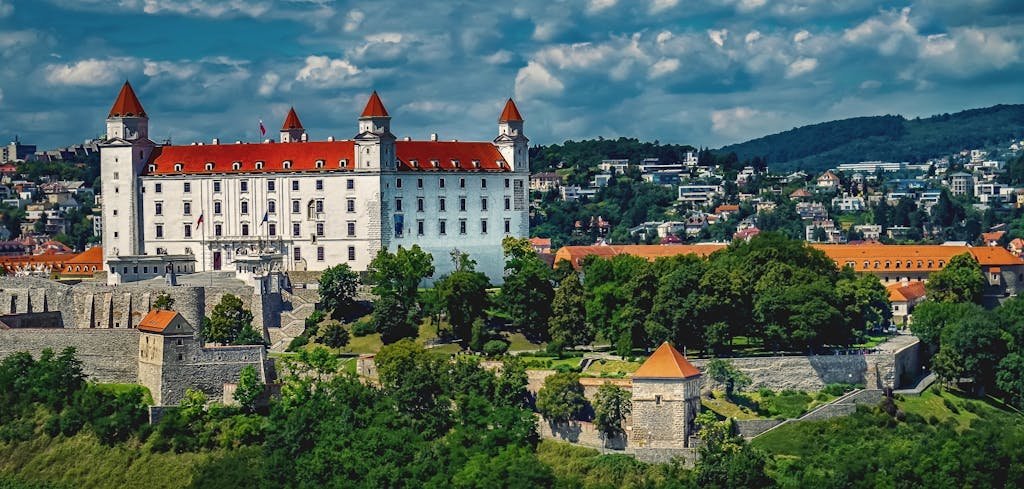
We walked more than we planned, not because there was so much to see, but because everything felt close and approachable.
The Old Town (Staré Mesto) was charming in a way that didn’t demand attention. Colorful buildings, quiet squares, and cafés tucked into corners made it easy to wander without purpose.
We found ourselves walking side by side, talking about the trip so far, what had surprised us, what had stayed with us, and how quickly time seemed to be moving.
Bratislava Castle sat above the city, offering a calm, expansive view of the Danube. Standing there, looking out over the river, we felt the stillness of the moment more than the excitement of sightseeing.
It was one of those places where you don’t rush to take photos, you just stand and take it in.
What I appreciated most about Bratislava was how unpressured it felt. No rushing from landmark to landmark. No long queues. No sense of missing out.
We stopped when we felt like it, sat when we were tired, and let the day unfold naturally. After several fast-paced days, that simplicity felt like a gift.
We grabbed food without much planning, choosing comfort over curiosity. Sitting together, sharing a meal, and watching the city move slowly around us felt grounding. Travel isn’t always about intensity; sometimes it’s about balance, and Bratislava offered that perfectly.
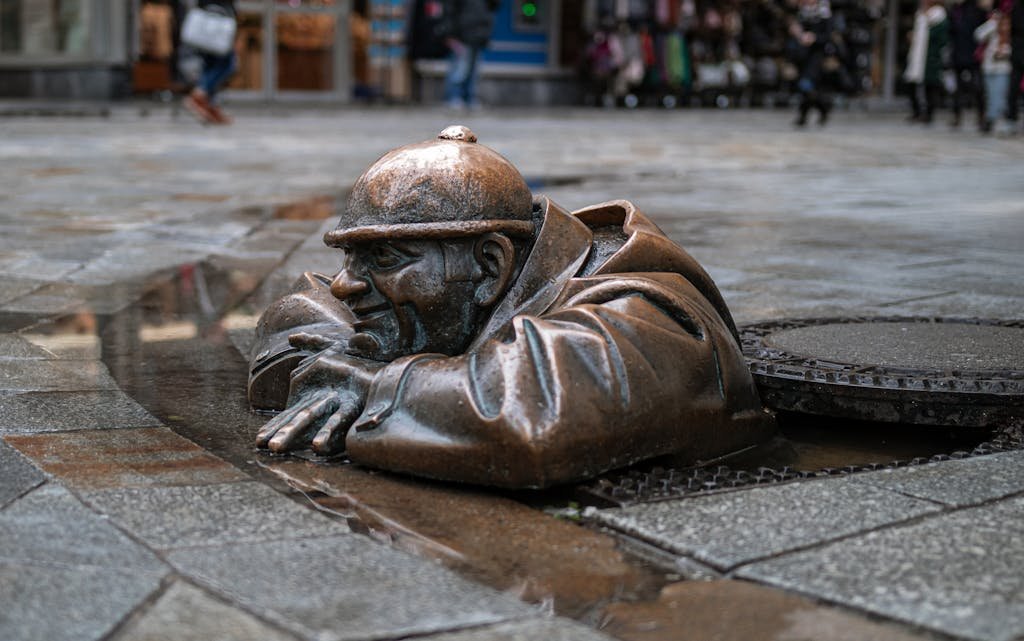
By mid-afternoon, we realized we had seen most of what we wanted to see, and that felt okay. Bratislava wasn’t meant to overwhelm us or compete with Vienna or Budapest. It existed in its own space, offering calm where others offered grandeur.
As we left, neither of us felt like we needed more time there, and that, in a way, was the point. Bratislava did exactly what it was supposed to do. It gave us a gentle break, a mental reset, and a quiet memory nestled between two larger chapters of our journey.
Not every stop on a trip needs to be unforgettable. Some just need to be right. And Bratislava was exactly that.
Austria (2 Days): Vienna’s Imperial Grandeur
Vienna felt composed.
After the softness of Bratislava, arriving in Vienna was like stepping into a city that knew exactly who it was and had nothing to prove. Everything felt deliberate, the architecture, the streets, the pace. It carried itself with a quiet confidence that immediately set it apart from the other cities we had visited so far.
From the start, Vienna felt refined and orderly. Public transport worked flawlessly, and moving around the city felt almost effortless. There was a sense of polish everywhere, from well-maintained streets to elegant buildings that seemed untouched by time. Even the crowds felt calmer, more measured.
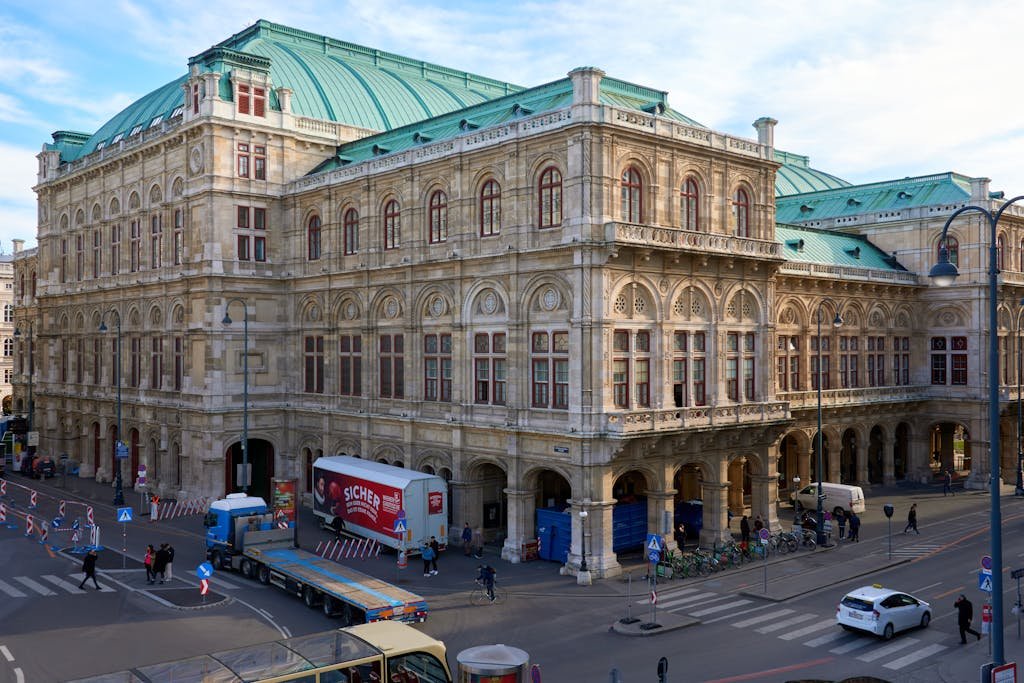
Schönbrunn Palace was one of our main stops, and it lived up to its reputation. The scale of it was impressive, but what stayed with us was the sense of history layered into every room and corridor.
Walking through the palace grounds, we imagined the lives once lived there, structured, ceremonial, and worlds away from our own. My husband, usually quick to move on, slowed his pace here, taking in details quietly.
St. Stephen’s Cathedral was another moment of pause. Standing inside, surrounded by towering arches and intricate detail, we both felt the weight of centuries. Vienna has a way of making you feel small, not insignificant, but humbled.
What surprised us most was Vienna’s coffee culture. Cafés weren’t just places to eat; they felt like institutions. We spent longer than planned sitting, talking, and watching the city move outside large windows.
These moments of stillness became some of our favorite memories. There was no rush to leave, no pressure to move on.
Food in Vienna leaned toward comfort and tradition. Meals felt hearty and familiar, grounding us after long days of walking. While Vienna was slightly more expensive than some other stops on our itinerary, it felt justified. The city offered quality, whether in food, transport, or experience.
Evenings in Vienna were calm and elegant. Streets glowed softly under warm lights, and everything felt safe and settled. We took long walks, often without a destination, letting the city reveal itself slowly. Vienna wasn’t trying to charm us with spontaneity, it invited us to appreciate structure and beauty.
By the end of our two days, Vienna had left a strong impression. It wasn’t playful like Prague or emotionally heavy like Berlin. Instead, it stood tall, dignified, and self-assured. It showed us a different side of Europe, one rooted in legacy, culture, and grace.
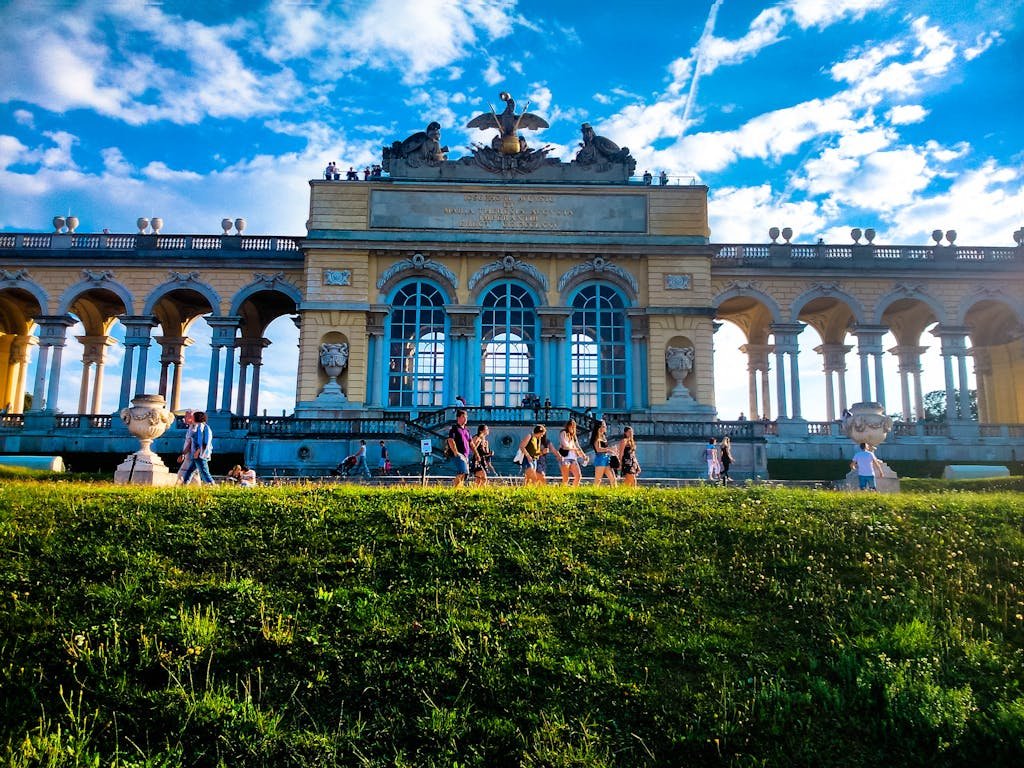
Vienna reminded us that travel isn’t just about variety of places, but variety of feelings. And Vienna offered elegance, balance, and quiet admiration.
Hungary (2 Days): Budapest – The Pearl of the Danube
Budapest felt like a finale.
By the time we arrived, we were already carrying two weeks of memories, early mornings, long walks, packed transport days, and countless conversations. Budapest didn’t demand energy from us; it met us where we were. Grand, dramatic, and welcoming, it felt like a city that knew how to close a chapter beautifully.
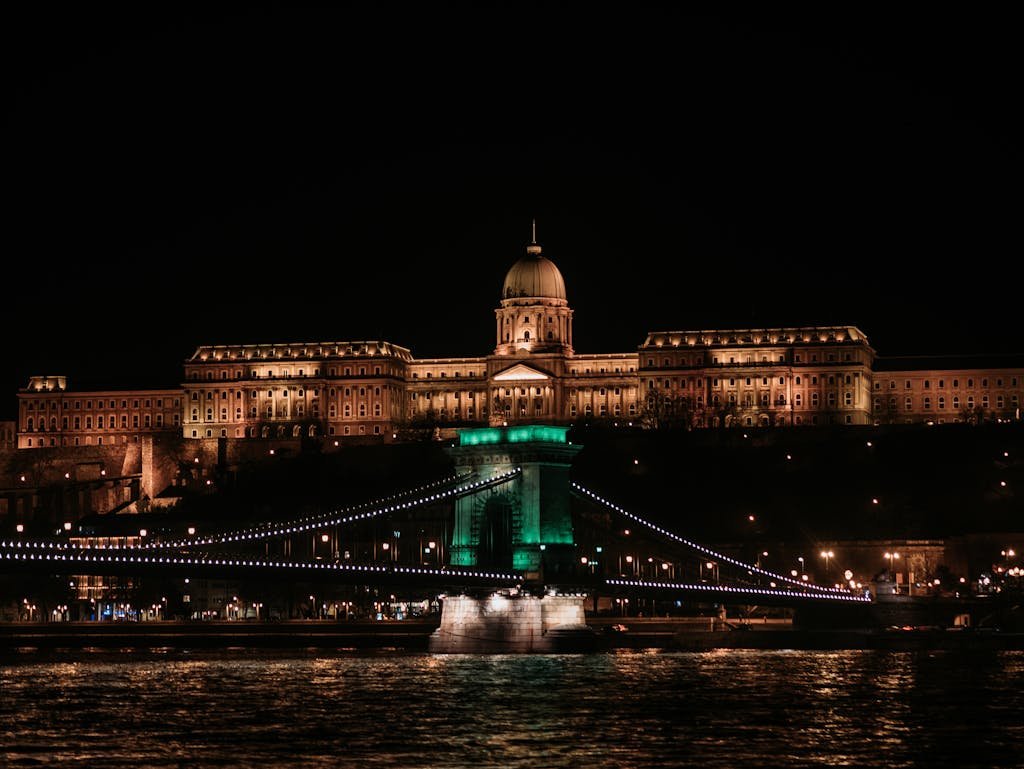
Split by the Danube into Buda and Pest, the city immediately felt layered. There was history, elegance, and a sense of quiet drama in the way buildings rose along the river. We spent much of our time walking, crossing bridges, pausing often, and letting the city reveal itself slowly.
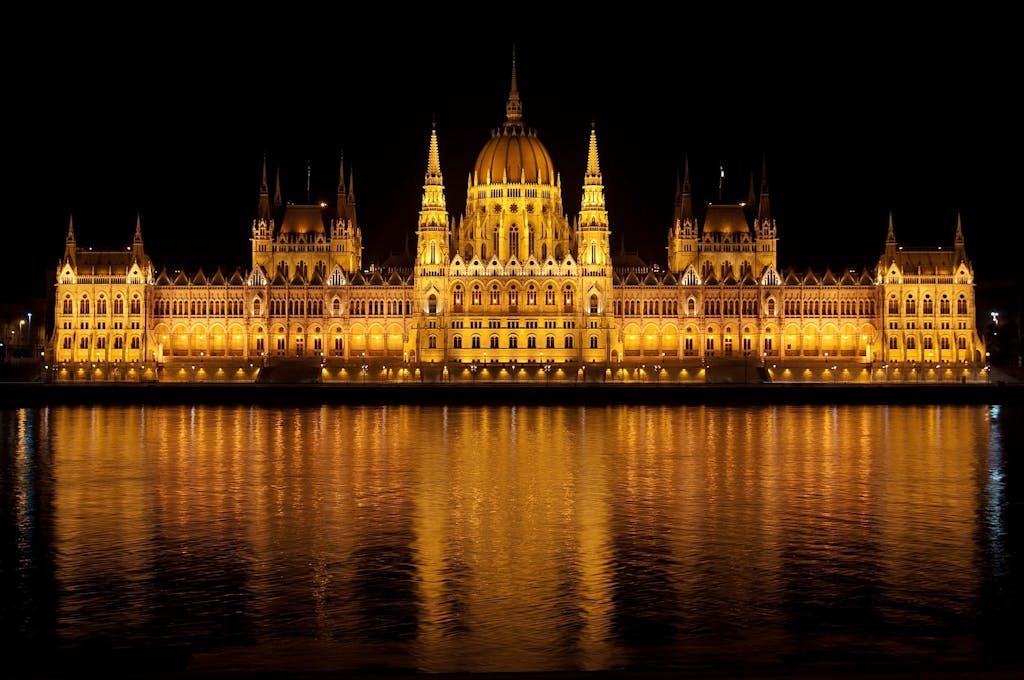
Buda Castle and Fisherman’s Bastion offered some of the most breathtaking views of the entire trip. Standing there together, looking out over the Parliament building and the river below, we both went quiet.
It was one of those shared silences that felt complete. After days of moving constantly, Budapest gave us space to reflect, not just on the city, but on the journey itself.
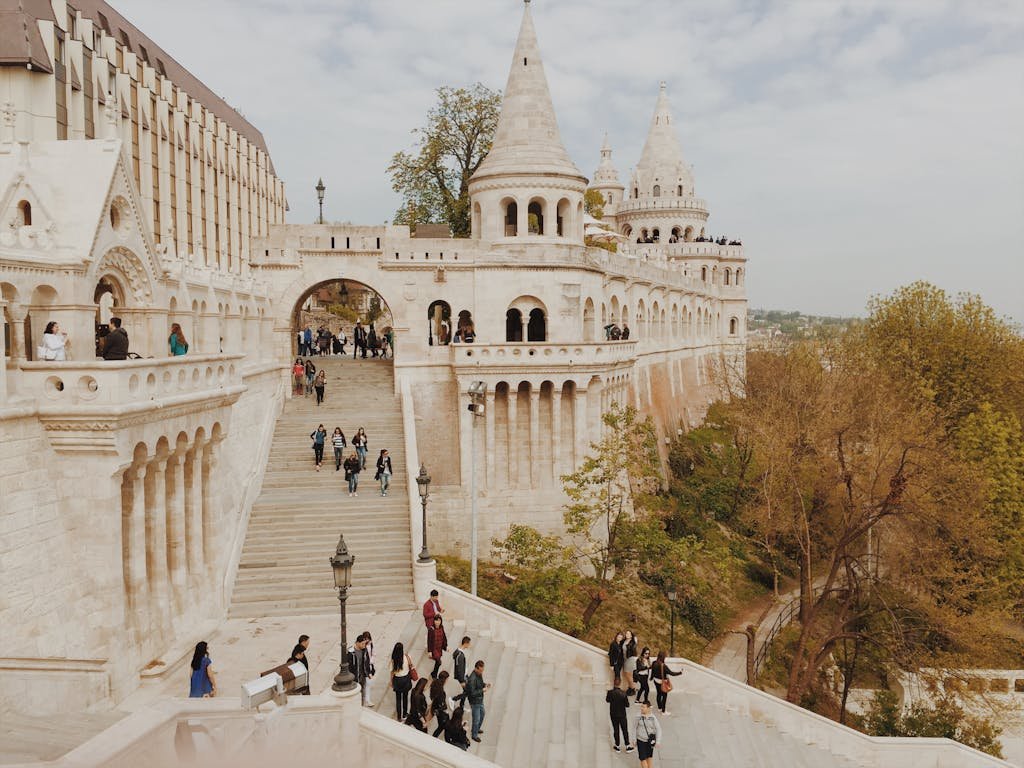
The Parliament building was impossible to ignore. Whether seen from across the river or up close, it carried a grandeur that felt both regal and approachable. Budapest has a way of being impressive without feeling distant, and that balance stayed with us throughout our time there.
One evening, we took a Danube River cruise, and it became one of the most memorable moments of the trip. As the city lit up around us, bridges glowing and buildings reflecting on the water, everything felt cinematic.
Sitting side by side, watching Budapest pass quietly, we realized how far we had come, from Frankfurt’s calm beginnings to this luminous ending.
Budapest’s thermal baths were another highlight. After weeks of walking and traveling, soaking in warm water felt like a reward. It wasn’t just relaxing, it was restorative. Travel can be exhausting in the best way, and Budapest acknowledged that.
Food in Budapest felt generous and comforting. Portions were hearty, flavors bold, and meals felt unhurried. We noticed how affordable the city was compared to other capitals, which made enjoying it even easier. There was no constant mental calculation, just enjoyment.
What stood out most was Budapest at night. The city transformed. Lights reflected on the Danube, bridges became landmarks of their own, and everything felt alive yet calm. We found ourselves lingering longer, walking slower, reluctant to let the trip end.
Flying back from Budapest airport felt surprisingly smooth, almost symbolic of how well the city wrapped everything up. There was no rush, no chaos, just a quiet sense of completion.
Budapest didn’t just end our trip; it honored it. It gave us beauty without pressure, reflection without heaviness, and memories that felt like punctuation marks at the end of a long, meaningful sentence.
If Prague stole my heart, Budapest gave it a graceful farewell.
The Culinary Journey Across Central Europe
No trip is complete without the food, and on our 14-day Central Europe adventure, eating became its own kind of exploration. Every city, every street, every cozy café added a layer to our memories. Some meals were adventurous, some comforting, and some surprisingly reminded us of home.
From local delicacies to international flavors, our culinary journey was as varied as the cities themselves. Here’s how we navigated tastes, textures, and traditions across six countries.
Beyond Schnitzel: Must-Try Local and Global Flavors
1. Germany: Sausages, Pastries, and Bakeries
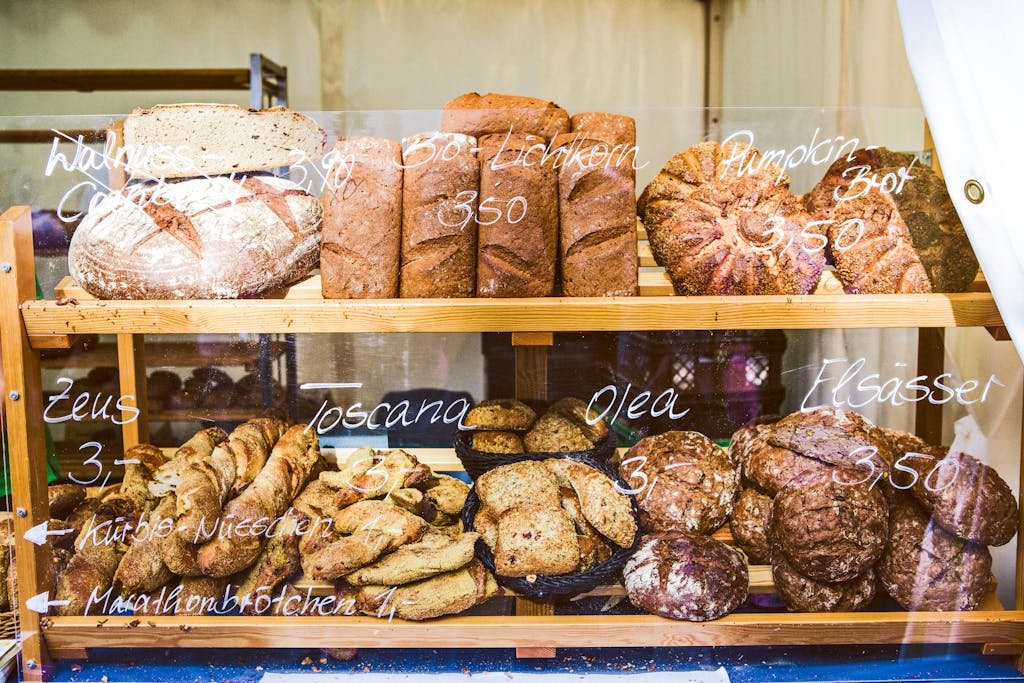
Ah what can I say? Warm pretzels, fresh croissants, and buttery pastries from tiny local bakeries became our morning ritual. Each bite paired perfectly with coffee while we watched the city slowly wake up. In Berlin, street food markets were a playground, with currywurst, bratwurst, and surprisingly good international options too. We also found a Lebanese café near our Airbnb; falafel and shawarma reminded us of home and felt like a little comfort after long sightseeing days.
2. Czech Republic: Goulash, Dumplings, and Hidden Gems
Rich goulash served in bread bowls, savory dumplings, and sweet Czech pastries were everyday indulgences. Because my husband loves Iran, We also discovered a small Iranian restaurant near the castle district. Sharing meals here felt nostalgic and playful, proof that Prague could surprise us even after two busy days of exploring.
3. Slovakia: Light Bites in a Compact City
Day trips mean simpler meals, and we made the most of it in Bratislava. Fresh sandwiches, pastries from local cafés, and riverside snacks were perfect for our quick stop. The calm pace of Bratislava made meals feel leisurely, almost meditative compared to the bustling capitals.
4. Austria: Elegant Cafés and Sachertorte
Coffee culture in Vienna is not just a trend; it’s a ritual. Sitting for hours over espresso and Sachertorte became one of our favorite daily routines. Pastries were airy, delicate, and shared between us slowly, giving us a moment to pause amidst sightseeing.
5. Hungary: Bold Flavors Along the Danube
Paprika-spiced stews, hearty breads, and comforting local dishes gave us energy for long days walking along the Danube. Hidden Syrian cafés in Budapest allowed us to savor flavors of home even far away, creating cozy, shared moments after busy city exploration.
6. Global Flavors in Central Europe
While we loved trying local dishes, one recurring theme was discovering Middle Eastern and Mediterranean food in unexpected corners.
Why it mattered: It gave us comfort, reminded us of home, and allowed us to slow down in each city. Whether it was falafel in Berlin, shawarma in Budapest, or Iranian dishes in Prague, these meals often turned into the quiet highlights of our days.
Takeaway from the Culinary Journey
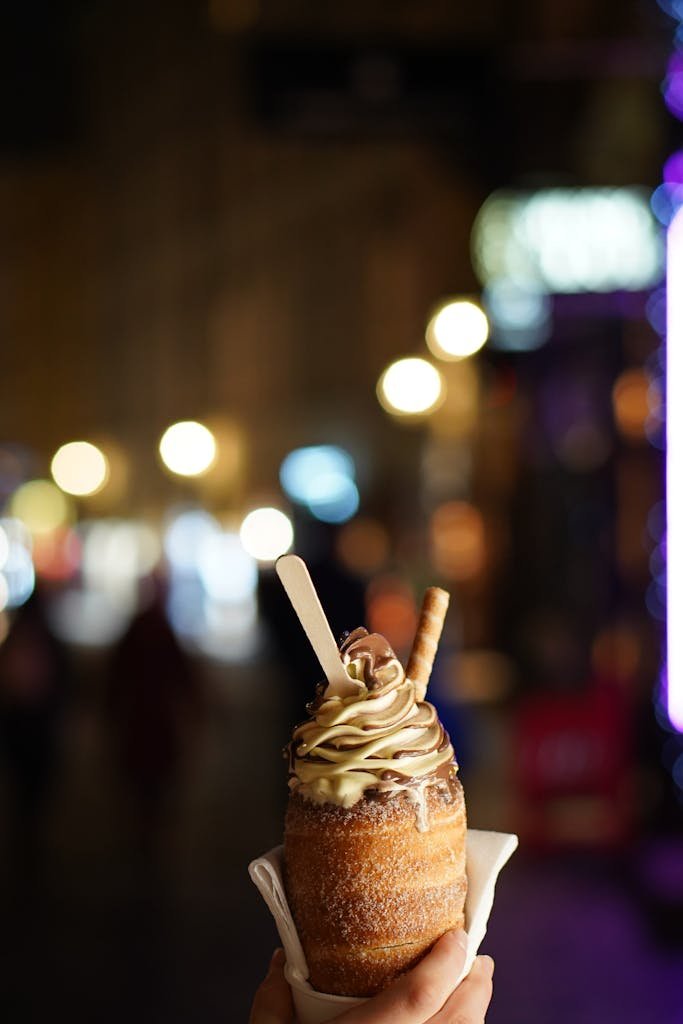
Food wasn’t just fuel, it was memory, comfort, and connection.
Every meal, local or global, became part of our shared story. From casual bakeries to elegant cafés, hearty street food to familiar Middle Eastern flavors, eating together helped us experience each city fully and personally.
Our Total 14-Day Central Europe Itinerary Cost Breakdown
Planning a 14-day trip across six countries always feels like a balancing act between experiencing as much as possible and staying mindful of your budget.
For us, travel is a mix of comfort and adventure, we don’t want to compromise on memorable experiences, but we also like to know what we’re spending along the way.
Here’s how our journey in Central Europe shaped up financially.
Flights: The Big Picture
We flew into Frankfurt and out of Budapest with Qatar Airways.
Booking early and choosing multi-city tickets helped us save both time and money. For two people, the flights cost around $1,200, which included checked luggage and a couple of seat upgrades for comfort on the long-haul flight.
The convenience of landing in one city and departing from another was priceless, it saved us hours of backtracking and let us maximize our 14 days.
Germany: Frankfurt, Berlin, and Dresden
Accommodation: Our Airbnbs were cozy and centrally located. Two nights in Frankfurt and three in Berlin came to around $600 total, averaging about $120 per night.
Dresden, being a day trip, didn’t require a stay.
Food: Eating locally and occasionally grabbing Middle Eastern meals, we spent roughly $25–30 per person per day, which included pastries, casual meals, and coffee breaks.
Transport: FlixBus and city public transport were seamless. Berlin’s public transit was about $15–20 per person for three days, and Dresden’s return bus tickets cost around $25 per person.
Germany subtotal: Approximately $1,200 for two for five days, covering accommodation, food, and transport.
Czech Republic: Prague
Accommodation: Two nights in a charming Airbnb near Old Town cost $250.
Food: Sampling goulash, dumplings, pastries, and a couple of international meals, we spent $30 per person per day.
Transport: We mostly walked around the city because it’s worth watching every corner of the city. Prague’s public transport is affordable and efficient, roughly $10 per person for two days.
Prague subtotal: Around $350 for two, and honestly, Prague felt worth every cent.
Slovakia: Bratislava (Day Trip)
Transport: Round-trip FlixBus tickets from Vienna to Bratislava were $30 per person.
Food & Snacks: Casual bites & Arabic shawarmas during the day came to $20 per person.
Bratislava subtotal: About $100 for two, short, simple, and sweet.
Austria: Vienna
Accommodation: Two nights in a centrally located Airbnb totaled $280, slightly higher than Prague but with larger, elegant apartments.
Food: Breakfast pastries, Sachertorte in cafés, and dinners averaged $35 per person per day.
Transport: A two-day transport pass for two people came to $20.
Vienna subtotal: Roughly $400 for two.
Hungary: Budapest
Accommodation: Two nights in a well-rated Airbnb near the Danube cost $220.
Food: Hearty local dishes and Middle Eastern meals averaged $30 per person per day.
Transport: Budapest’s metro and bus system was very affordable, around $12 per person for two days.
Budapest subtotal: Approximately $300 for two.
Grand Total: What We Spent for 14 Days in Central Europe
Note: This is the budget for 2 people.
Category | Cost ($) |
Flights | 1200 |
Country Wise | |
Germany | 1200 |
Czech Republic | 350 |
Slovakia | 100 |
Austria | 400 |
Hungry | 300 |
Grand Total | 3550 |
This total covers all essentials: flights, intercity travel, public transport, Airbnb stays, and most meals.
Of course, souvenirs and optional excursions aren’t included, but it gives a clear idea of what a comfortable yet adventurous 14-day Central Europe trip costs.
Final Thoughts: Why Central Europe Should Be Your Next Trip?
Looking back on these 14 days, it’s hard not to feel a little overwhelmed, in the best way possible.
From the bustling streets of Frankfurt to the calm beauty of Bratislava, from the fairy-tale charm of Prague to the imperial elegance of Vienna, and finally, to the luminous riverbanks of Budapest, Central Europe offered us everything we hoped for… and more.
Traveling with my husband through six countries in two weeks was both exhilarating and grounding.
Each city had its own personality, its own pace, and its own flavor, and yet together they created a cohesive journey, a mosaic of experiences, sights, tastes, and emotions.
We learned to move at different rhythms: fast-paced exploration in Berlin, reflective strolls in Dresden, romantic mornings in Prague, and relaxed afternoons in Vienna cafés.
What made this trip so special wasn’t just the iconic landmarks or the stunning architecture, it was the moments in between.
The shared croissants in Frankfurt, the quiet pauses on Charles Bridge at sunrise, the simple dinners in hidden cafés, and even the long train and bus rides where we planned the next day’s adventure, all of these became part of the story we’ll tell for years to come.
Prague, undeniably, stole my heart.
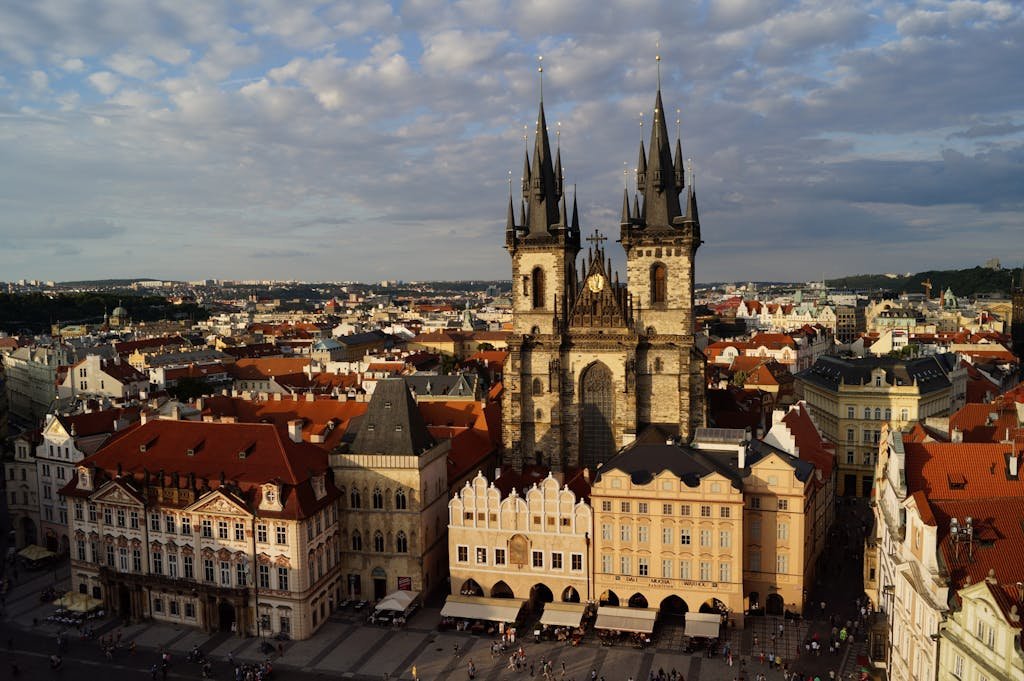
But Budapest gave us a perfect farewell; Berlin challenged us emotionally, Dresden soothed us with beauty, Vienna offered elegance, and Bratislava reminded us that sometimes, the quietest stops are the ones that matter most.
Together, they painted a vivid picture of Central Europe, its history, culture, and warmth, through our own eyes.
For anyone planning a first-time trip to this region, we hope our journey serves as inspiration.
Central Europe is incredibly accessible, varied, and welcoming, whether you’re chasing history, architecture, culinary adventures, or simply time together.
With efficient public transport, affordable accommodations, and cities that balance charm and practicality, it’s a region that allows you to experience a lot without ever feeling rushed.
If there’s one piece of advice we’d give fellow travelers, it’s this: embrace both the highlights and the quiet moments.
Don’t just tick off landmarks, linger, wander, taste, and let the cities speak to you in their own way. That’s when travel becomes more than sightseeing, it becomes a memory that stays with you long after the flight home.
For us, this trip reinforced what we’ve always believed: travel is more than visiting places.
It’s about experiencing life together, discovering both the world and each other, and collecting moments that make your heart full. Central Europe, with its mix of history, culture, beauty, and warmth, gave us exactly that, and we can’t wait to return.
What about you? If you could pick one city in Central Europe to explore first, which would it be, and why?

Really loved reading it!
Glad you liked it.