

14 Best Things To Do In Hunza Valley: The Ultimate Guide
Disclaimer: Affiliate links ahead in this post. Your clicks may earn me a commission at no extra cost to you, which keeps this site online and the ideas coming. Thanks!
Hunza Valley, the heaven on earth(Literally), has my heart for forever.
It’s one of the most magical places I’ve ever been to, and the kind of place I know I’ll keep returning to whenever life gives me a reason (or even when it doesn’t).
Located in Gilgit-Baltistan reigon of Pakistan, this former princely state feels less like a destination and more like a world of its own.
Just to give you a little perspective, Gilgit-Baltistan is divided into three Divisions, namely Gilgit, Baltistan, and Diamer. Hunza Valley falls in the Gilgit Division along with the other popular tourist destinations, Gilgit City and Nagar.
Getting here is an adventure in itself. You can fly into Gilgit or Skardu and continue by road, or travel from Islamabad via the Karakoram Highway, watching the landscape transform mile by mile.
I came to Hunza out of pure curiosity, with a rough plan and far too many unanswered questions.
So, is Hunza Valley really worth the journey?
Honestly? It disarmed me.
This Ultimate Hunza Valley guide is my attempt to share everything I learned, the beauty, the culture, the logistics, the food, the costs, and yes, even the challenges like weather and electricity issues, so that travelers from anywhere in the world can arrive prepared, informed, and ready to fall in love with this place just like I did.
Understanding Hunza Valley: Upper, Central, and Lower Hunza
Geographically, Hunza Valley is divided into three distinct regions.
Lower Hunza follows the flow of the Hunza River. Central Hunza is the heart of the valley, where Karimabad sits proudly, surrounded by history and mountain views.
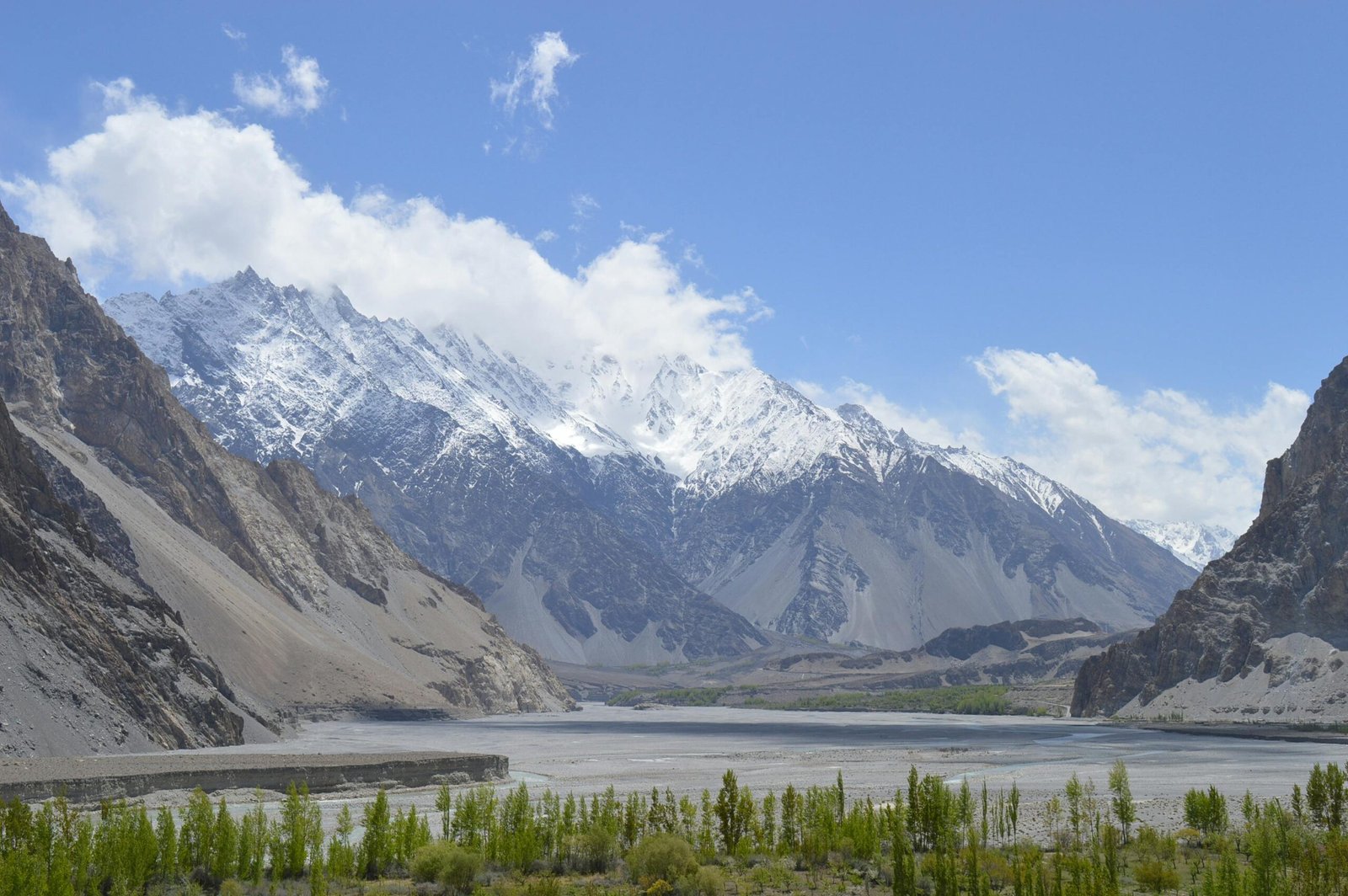
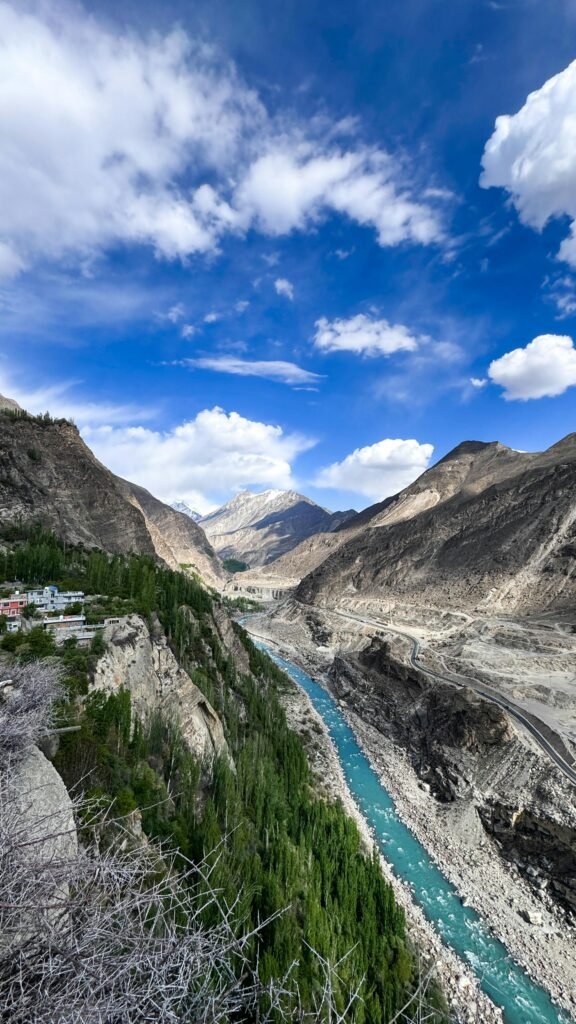
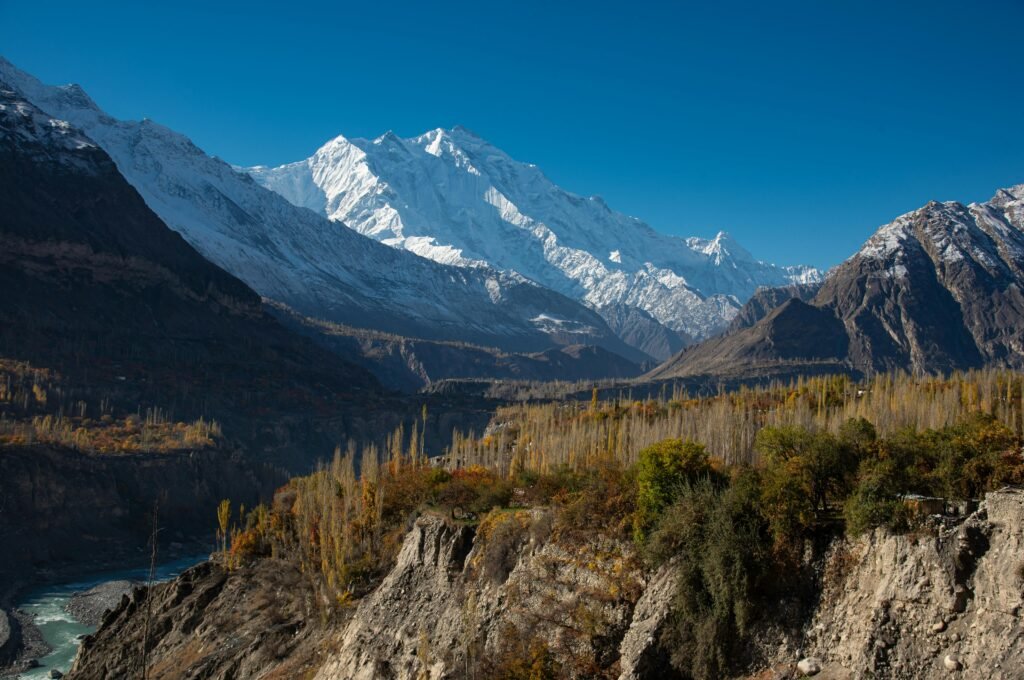
Upper Hunza, known as Gojal, rises dramatically toward the Khunjerab Pass, brushing borders with China, Afghanistan, and nearby India. This high-altitude region is guarded by some of the world’s most striking peaks, including Rakaposhi (7,788 m), Ultar Sar (7,388 m), and the unmistakable Ladyfinger Peak.
Hunza is home to centuries-old cultural heritage: ancient watchtowers, historic mosques, lively polo grounds, and iconic landmarks like Altit Fort and Baltit Fort. Every corner whispers stories of the past, yet the valley feels deeply alive in the present.
Hunza, in particular, stands out not just for its scenery but for its way of life. The literacy rate here is nearly 100%. Women move freely, run businesses, and feel safe. Crime is almost nonexistent, street harassment is unheard of, and hospitality isn’t a gesture, it’s a culture.
Culturally, linguistically, and even visually, Hunza valley stands apart. Previously, I was this much impressed with Japanese Culture.
The people, the food, the history… everything invites curiosity.
Hunza is also tied deeply to ancient trade routes. What was once part of the Silk Road later became the Karakoram Highway, opened in the late 1970s with Chinese collaboration.
Today, it’s considered one of the most scenic drives on Earth, linking China to Pakistan and, ultimately, to the Arabian Sea through Gwadar Port.
What Languages are Spoken in Hunza?
Hunza is linguistically rich. Several local languages are spoken, often side by side, depending on the village and community.
The most common ones include Burushashki, Wakhi, and Shina, ancient languages with deep regional roots.
Urdu functions as a national bridge language, and almost everyone understands it.
One thing that genuinely surprised me in Hunza Valley, was how widely English is spoken. Shopkeepers, café staff, hotel owners, guides… most people not only understand English but speak it comfortably.
Conversations felt easy and natural, even in small villages. For a remote mountain region, that level of ease was unexpected, and honestly, impressive. Language is never a problem for me, thanks to Google Translate. I travel to Europe often, and countries like France, Germany, and the Netherlands made me discover ways to communicate with people (Many people do not understand English, yes.)
That said, learning a few local words goes a long way.
In Central Hunza, the local language is Burushashki, and using even one or two phrases instantly changes the energy of an interaction. Smiles get wider, conversations slow down (in a good way), and you’re no longer just a tourist, you’re someone making an effort.
Here are a few useful Burushashki words and phrases you’ll hear, and can use, in Hunza:
- Hello: Assalam-o-alaikum (widely used and always appropriate)
- Goodbye: Khuda Say Hawaala
- Thank you: Ju na
- How are you?: Be haal bila?
- I’m fine: Shuwa ba
- How much is it?: Gusay berum a bi?
- Okay / fine: Iw she anwe
- Yes: Awa
- No: Bey yah
- Very good: But theek
You don’t need perfect pronunciation, effort matters more than accuracy here. Even a simple Ju na after buying fruit or paying for tea feels warmly received.
English will take you far in Hunza, but a few Burushaski words will take you straight to people’s hearts.
How to Reach Hunza Valley?
Getting to Hunza is part of the experience, and I don’t mean that in a poetic way.
It takes effort, patience, and a bit of flexibility, especially if you’re coming from outside Pakistan.
There’s no quick hop, no seamless connection, and definitely no “I’ll just pop over for the weekend” energy here. But once you understand the routes and plan accordingly, it becomes manageable, and even rewarding.
Before I went, this was the part that felt most confusing. Flights, cancellations, road conditions, travel times, everything sounded vague online. So here’s how it actually works, without sugarcoating it.
Flying to Gilgit: The Fastest (But Least Predictable) Option
The closest airport to Hunza is Gilgit Airport. Flights operate from Islamabad, the Capital of Pakistan, and on paper, it’s the easiest way to reach the region, about an hour and 15 minutes in the air. Then, you can take a taxi ($20-$25) or hire a car ($15-$20) to reach Karimabad (Main Hunza Area) in 1.5-2 hours.
In reality, these flights are heavily weather-dependent. Mountains dictate everything here. Clear skies mean a spectacular flight with views you’ll never forget.
Clouds or wind mean delays or cancellations, sometimes for days. This isn’t poor planning, it’s geography.
From Gilgit, Hunza is about a 2–3 hour drive depending on where you’re staying. The road is scenic, smooth in many parts, and gradually introduces you to Hunza’s landscape without overwhelming you.
My take: Fly if you’re short on time, but always have buffer days. Never schedule something important right after your planned arrival.
Traveling by Road: Slower, Longer, and Far More Grounded
Most travelers eventually experience Hunza by road, either by choice or necessity. The journey usually starts from Islamabad and follows the Karakoram Highway north(open year-round). There is another route from Islamabad to Naran/Babusar, but it is open only from May to October.
This is not a one-day drive unless you enjoy exhaustion.
Realistically, it takes:
18–24 hours total driving time Usually split into 2 days with an overnight stop
You can travel by:
Private car with a driver Shared or private bus services Small group tours
The road journey is long, but it’s also revealing. Landscapes change gradually. Cities thin out. Rivers widen. Mountains rise slowly until they dominate everything. By the time you reach Hunza Valley, you’ve already transitioned mentally, which I think helps.
Buses vs Private Transport
Buses are cheaper and surprisingly comfortable on some routes, but they run on fixed schedules and aren’t flexible. Private transport costs more but gives you freedo, stops for photos, food, or simply breathing in the scenery.
If you’re traveling internationally and short on time, I’d recommend a private car or a well-reviewed local driver. It reduces stress and gives you space to absorb the journey instead of enduring it.
Border Crossings and China Connections (Realistic Expectations)
Because Hunza sits near the China border, some travelers assume they can easily cross overland from China.
While technically possible via the Khunjerab Pass, this route involves visas, permits, seasonal closures, and long travel days.
It’s doable, but it’s not spontaneous. If you’re coming from China, plan well in advance and don’t expect a casual border crossing. For most international visitors, entering Pakistan via Islamabad remains the simplest route.
Getting Around Hunza Once You’re There
Getting around Hunza Valley isn’t difficult, but it works very differently from cities or even other tourist regions.
I quickly learned that planning too tightly here doesn’t make sense.
Distances in Hunza: Short on Maps, Longer in Reality
Villages in Hunza are spread along the valley rather than clustered together. What looks like a quick hop between places can take longer due to winding roads, steep climbs, or simple traffic slowdowns caused by livestock or construction.
Walking is possible, and often pleasant, within villages like Karimabad or Altit.
But walking between villages isn’t always practical unless you enjoy long uphill stretches and have the time and stamina for it.
Taxis, Cars, and Hiring a Driver
There are no ride-hailing apps here. Transport is arranged locally, through hotels, guesthouses, or direct conversations with drivers.
There are car and taxi hiring local companies such as Hunza Wheels, Hunza Tour, and rent a car, among others. Prices aren’t standardized, but they’re generally fair, especially if you agree beforehand.
Hiring a local driver for a day turned out to be one of my best decisions. Not just for convenience, but for context. Drivers often double as informal guides, pointing out places you’d otherwise miss, a small village, a hidden viewpoint, a fruit orchard worth stopping at.
If you’re self-driving, it’s doable, but I’d only recommend it if you’re comfortable with mountain roads, blind turns, and occasional rough patches.
Local Jeeps and Shared Transport
In more remote areas, especially beyond central Hunza, local jeeps are common. They’re sturdy, practical, and designed for this terrain. Shared rides exist, but they operate on local schedules and can involve waiting.
For international travelers on limited time, shared transport can feel unpredictable. It’s fine if you’re traveling slowly and open-ended. Otherwise, private arrangements save both time and energy.
Practical Tips I Learned Quickly
Always ask your accommodation to help arrange transport, they know reliable drivers Start early in the day; daylight matters in the mountains. Don’t underestimate uphill walks. Keep small cash handy; ATMs are limited
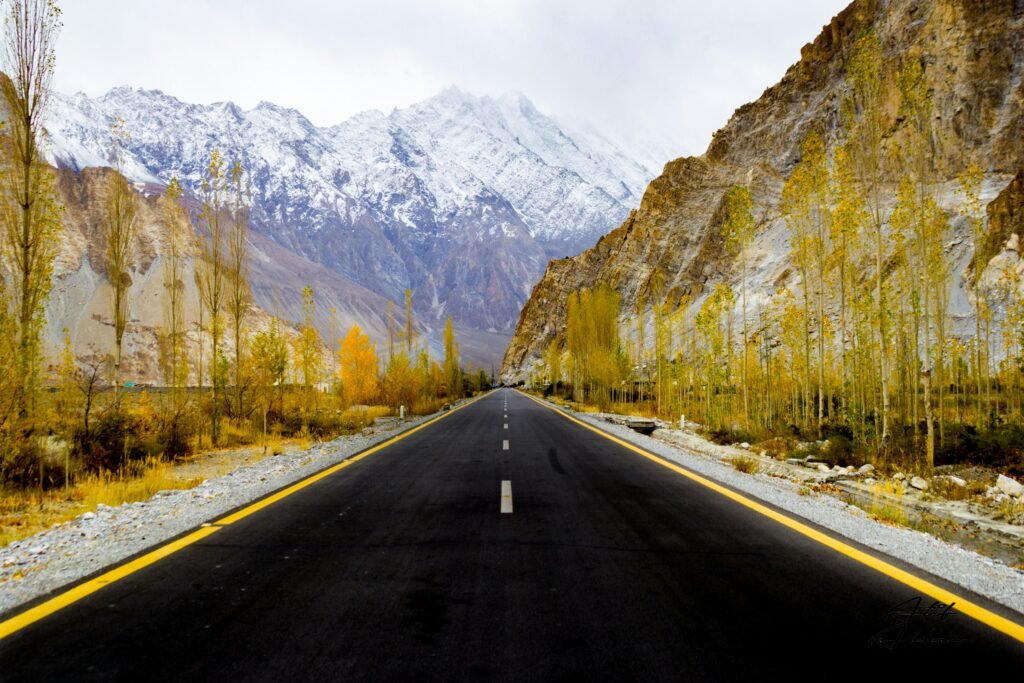
14 Best things to do in Hunza Valley
Hunza isn’t a place you “tick off.”
I realized this quickly.
Instead of listing places as must-sees, I want to tell you how each one felt to me, because that’s what helped me understand Hunza beyond postcards.
1- Karimabad: Where Everything Begins
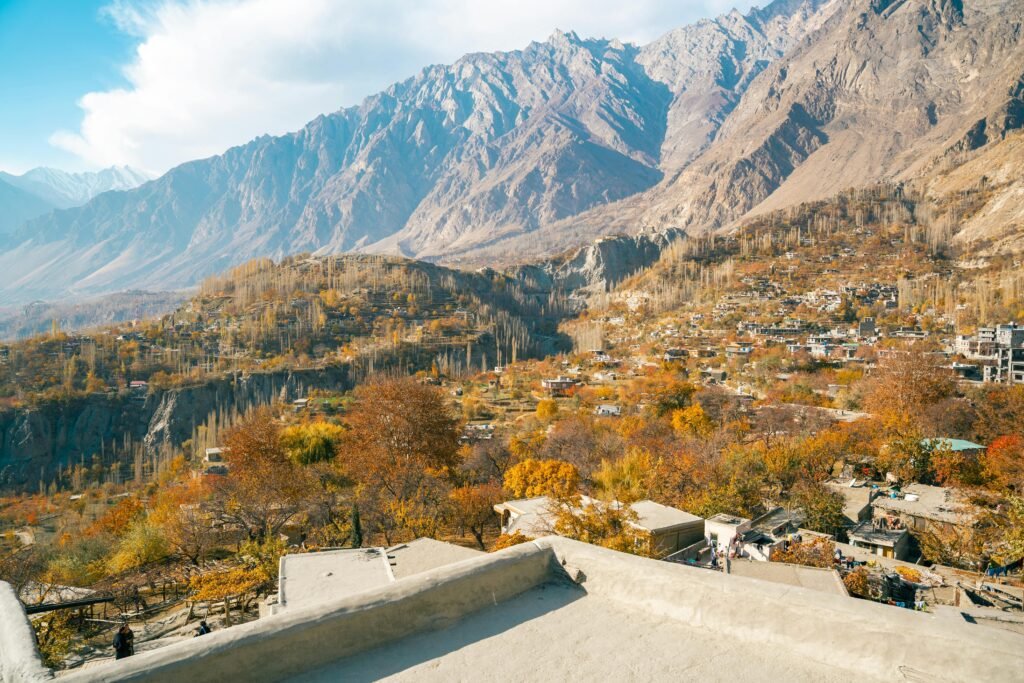
Most journeys in Hunza pass through Karimabad, and it makes sense why. It’s lively without being loud, touristic without feeling artificial. Small shops, cafés, guesthouses, and viewpoints are woven into everyday life rather than separated from it.
Karimabad also carries a quiet sense of legacy. Members of Hunza’s former royal family still live in the village, and that connection to the past feels very real here.
Throughout the year, Karimabad hosts cultural events, music, art, and craft traditions that reflect Hunza’s deep-rooted identity.
If Hunza Valley has a soul, Karimabad is where you’ll feel it first.
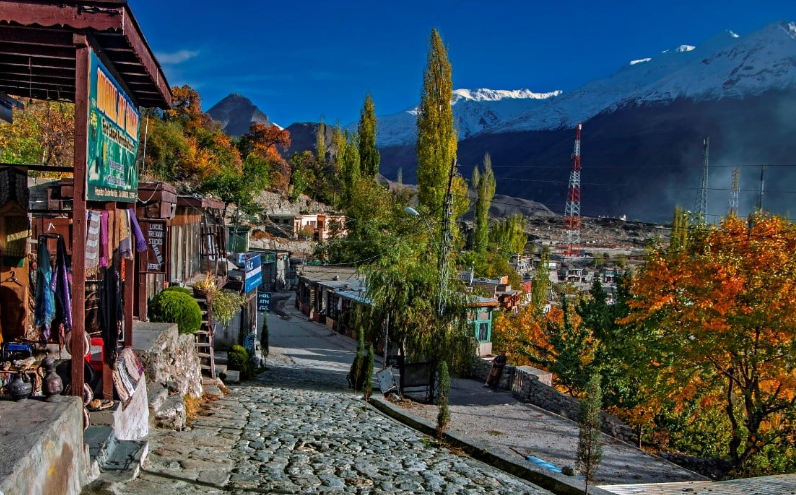
2- Baltit Fort: History With a View
Towering above the Karimabad is the legendary Baltit Fort, believed to have been built in the 8th century. For centuries, it served as the residence of the Mir of Hunza and the royal family who ruled this mountain kingdom until the 20th century.
Walking through the fort helped me understand how survival shaped architecture here. Narrow corridors, defensive layouts, thick wooden beams, everything had a purpose.
Opening hours: Typically open 9:00 AM – 5:00 PM (hours may vary slightly by season).
Entry fee: Usually around $5 for foreigners, $2 for locals
Best time to visit: Late afternoon, softer light, cooler weather, and stunning valley views.
How to get there: A 10–15 minute uphill walk from Karimabad Bazaar; accessible on foot or by local transport to the base.
Even if you’re not a history lover, Baltit Fort is worth it, for the stories, the architecture, and the view that quietly reminds you how extraordinary Hunza really is.
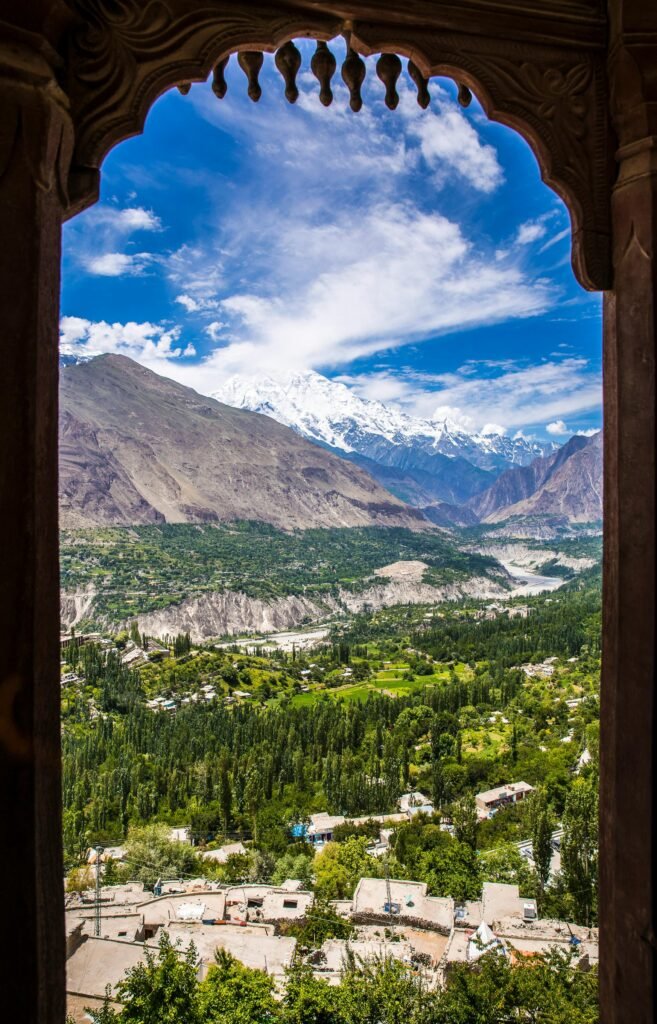
3- Altit Fort: Quieter, Older, and More Reflective
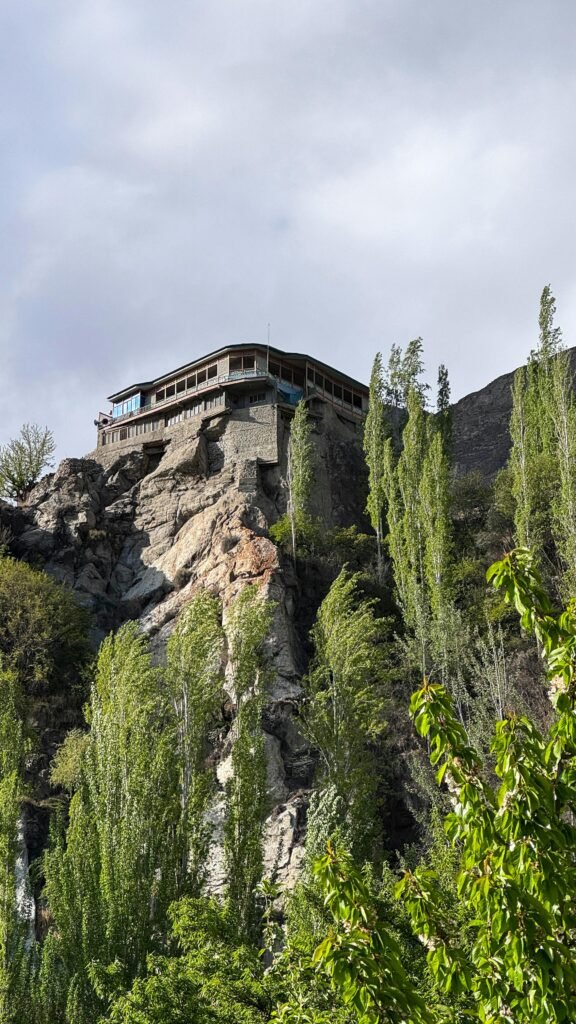
If Altit Fort feels older, quieter, and a little more mysterious than anything else you’ll see in Hunza, that’s because it truly is. Built around the 11th century, this fort is considered the oldest surviving monument in the entire Gilgit-Baltistan region.
Long before nearby forts rose to prominence, Altit Fort served as the original royal residence of the Mirs of Hunza, the rulers of this mountain kingdom.
Standing on a rocky ledge above the Hunza River, the fort’s thick stone walls, narrow wooden passages, and watchtower reflect centuries of strategic planning.
It survived invasions, harsh winters, and even earthquakes, a testament to traditional engineering techniques that allowed these structures to endure in a seismic landscape.
In 2011, Altit Fort received the UNESCO Asia-Pacific Heritage Award for Cultural Heritage Conservation, recognising the meticulous restoration led by the Aga Khan Trust for Culture.
One of the most talked-about spots here is Execution Rock, a dramatic cliff edge where, according to local stories, criminals were once punished by being pushed over the edge into the valley below.
Outside the fort, the Royal Garden softens the atmosphere completely. In spring (March–April), the orchards burst into pink and white apricot blossoms, turning the area into one of the most naturally decorated corners of Hunza.
And here’s something special: you can actually stay in this 11th-century fort at the Serena Altit Fort Residence.
I stayed there for one night during my trip (my budget politely reminded me it wasn’t a ten-night situation 😅), but honestly, waking up surrounded by apricot trees and ancient stone walls felt unreal.
Maybe when this blog takes off, I’ll be back for a longer stay, manifesting that now;)
Opening hours: Daily, approximately 9:00 AM – 5:00 PM
Entry fee: About $5 for foreigners and $2 for locals (subject to change)
Best time to visit: Early morning or late afternoon for softer light and fewer crowds
How to get there: A short walk downhill from Baltit Fort or via a direct route from Karimabad Bazaar
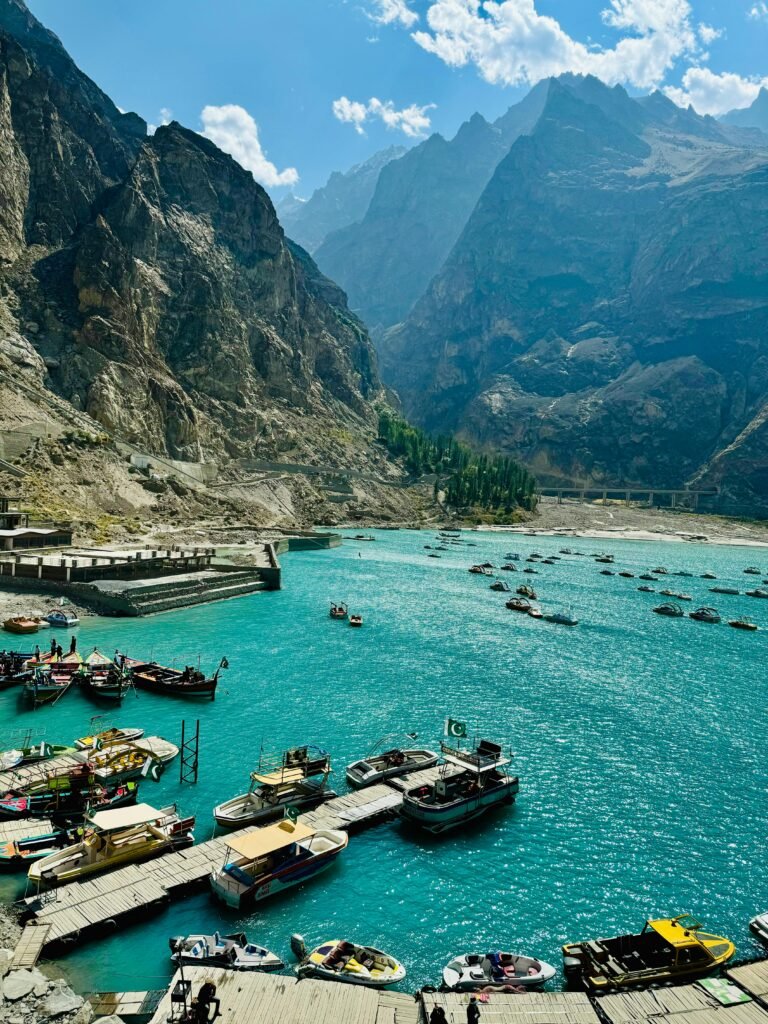
4- Attabad Lake: Beauty Born From Disaster
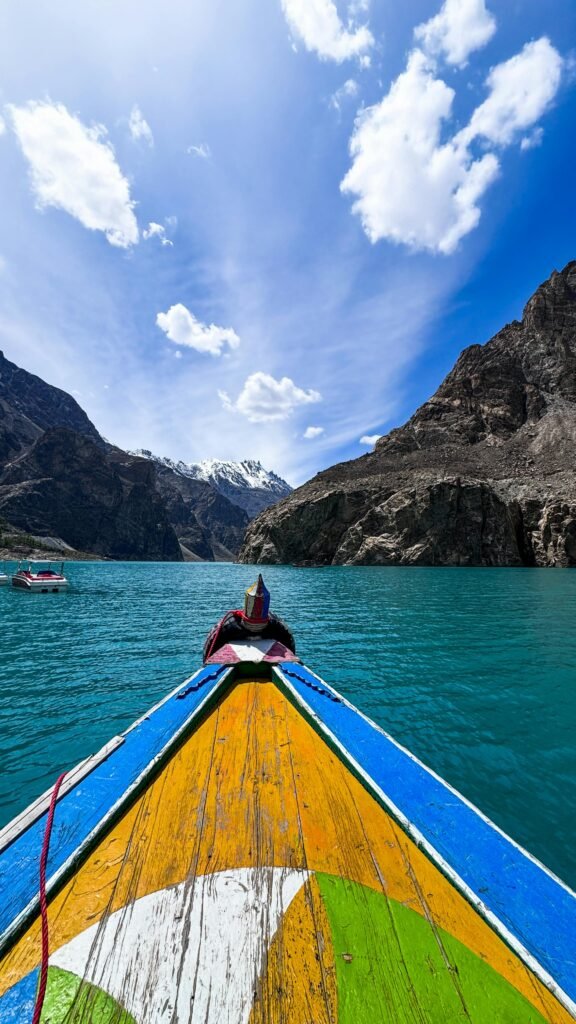
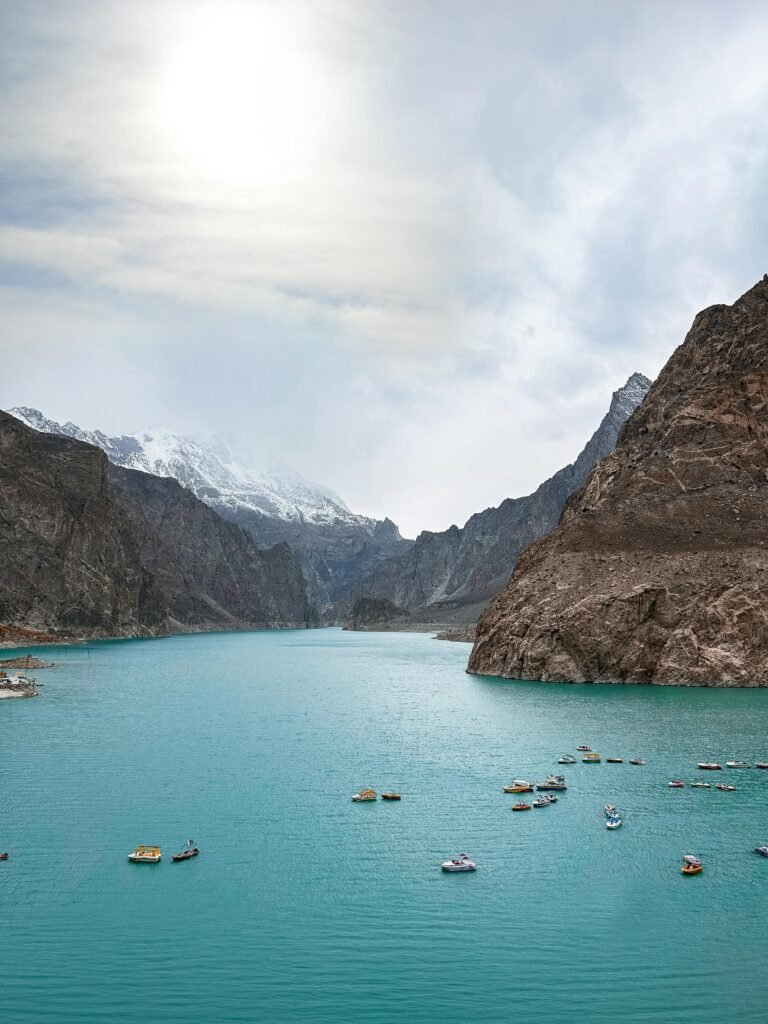
Attabad Lake is stunning, but its origin is sobering. Formed after a massive landslide in 2010, the lake submerged villages and cut off the Karakoram Highway for years.
Standing by its unreal blue waters, it’s easy to forget that this beauty came from loss. Boats glide across the surface now, tourists take photos, and life has adapted, but locals remember what was sacrificed.
For me, Attabad wasn’t just scenic. It was a reminder of how fragile life in the mountains can be, and how resilience here isn’t abstract, it’s lived.
Additionally, it measures 13 miles in length and has a depth of almost 358 feet. It is one of Pakistan’s best lakes due to its beauty.
5- Passu Cones & Passu Glacier: Hunza’s Most Dramatic Mountain Views
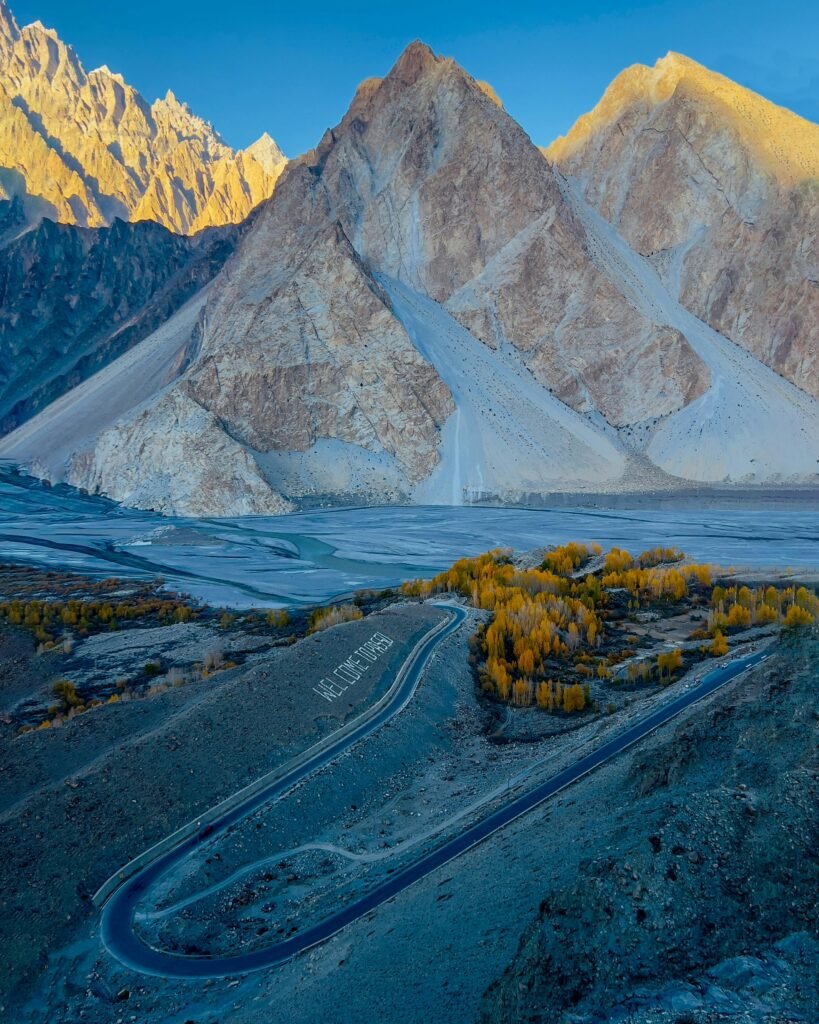
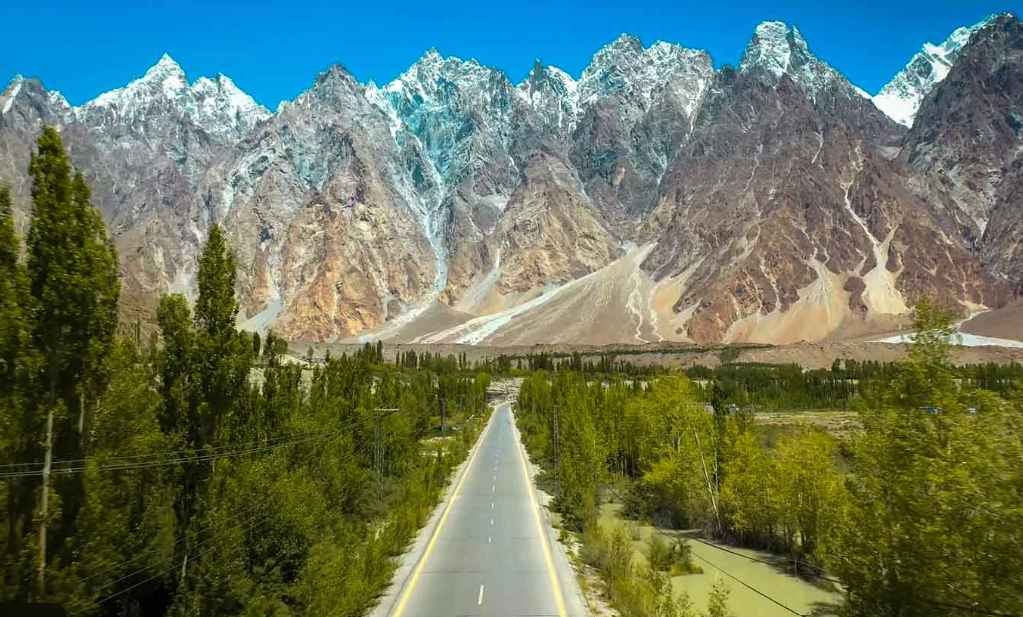
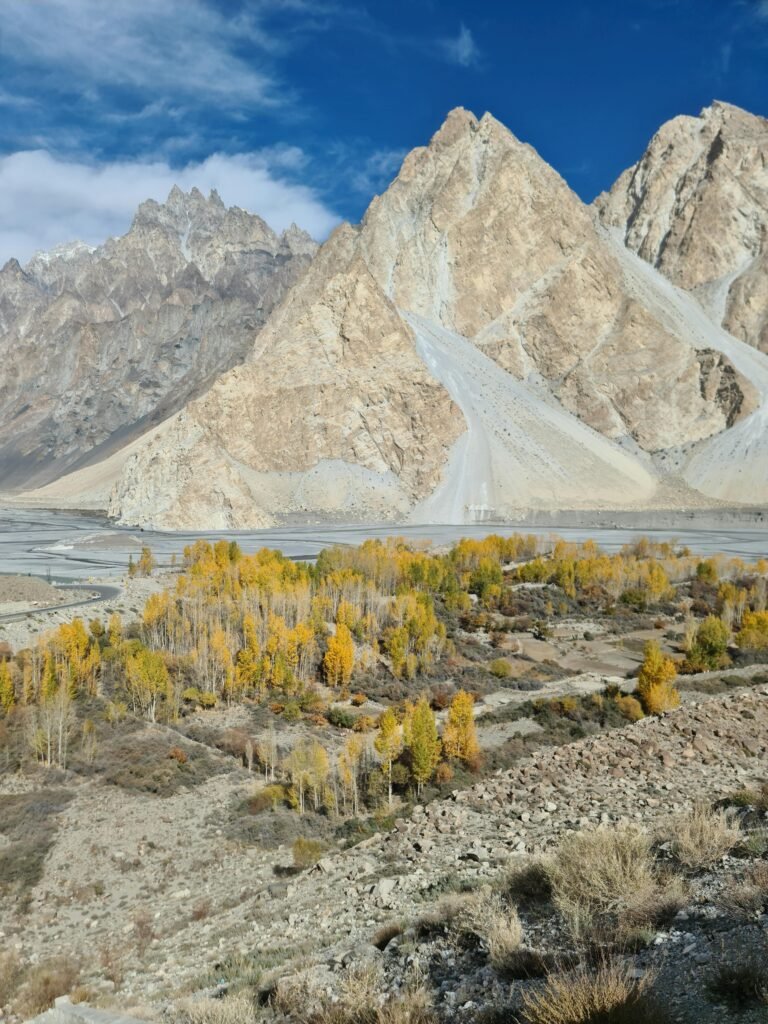
The moment you enter Passu, the landscape shifts, sharper, wilder, almost surreal. Rising like a row of stone blades behind the village are the famous Passu Cones, locally called Tupopdan, standing around 6,106 meters high.
You don’t even have to hike far to admire them; some of the most iconic views appear directly from the Karakoram Highway, making this one of the easiest “wow” moments in Hunza.
What I loved most here wasn’t just the mountains, it was the life happening beneath them. Local kids and young men often play cricket on rough patches of ground with no proper field, no stadium, just pure passion surrounded by giants of rock and ice.
And if you’re hungry after chasing views, don’t miss Yark Grill, one of Hunza’s most talked-about restaurants and, honestly, one of my personal favorites. Known for its flavorful Yark steak, it sits close to the cones and makes a perfect food stop while exploring Upper Hunza. Good food, unreal views, not a bad combination.
Just beyond the cones lies another powerful reminder of Hunza’s raw beauty, Passu Glacier.
Many travelers pair a visit to Passu Glacier with nearby suspension bridges or village walks, turning it into a relaxed half-day adventure. The best time to explore is morning or early afternoon, when light falls directly on the ice and the weather tends to be more stable.
6- Cross the Hussaini Bridge & Visit Borith Lake
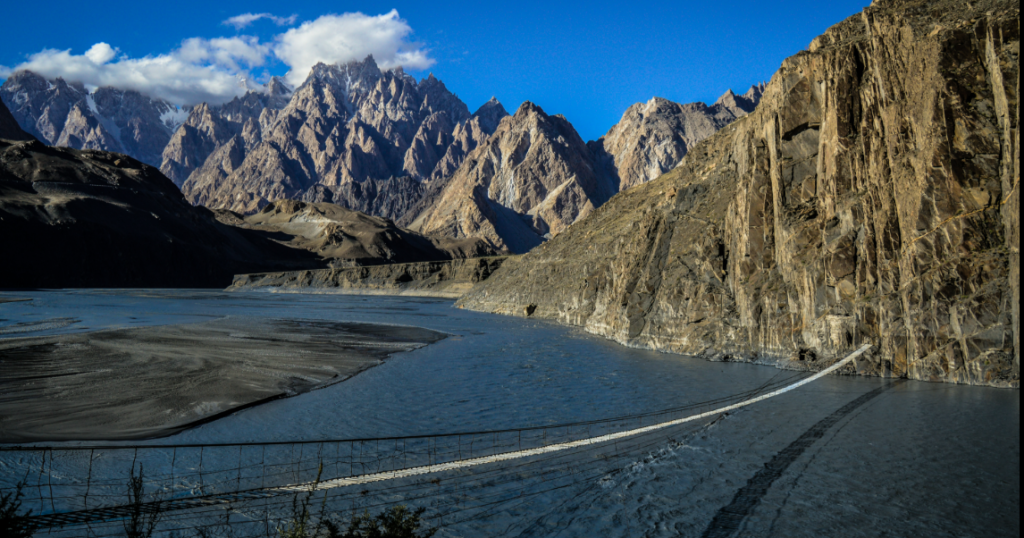
The famous Hussaini Suspension Bridge is one of those places that instantly raises your heartbeat, equal parts adventure and scenery.
I debated with my husband whether to cross the Hussaini Suspension Bridge, and that hesitation was part of the experience.
The bridge sways, planks are uneven, and gaps are very real. Locals crossed effortlessly, smiling at my careful steps. That contrast said a lot about perspective.
Stretching across the Hunza River, this swaying bridge connects the villages of Hussaini and Zarabad, acting as both a local crossing and an unforgettable experience for travelers.
Crossing the bridge opens up a quieter side of Upper Hunza.
Not far away lies Borith Lake, a peaceful high-altitude lake known for its still waters and migratory birds. During spring and autumn, birdwatchers often visit to spot rare species resting along the water.
This area is also a great base for exploring the Passu Glacier trekking routes, and you’ll find incredible viewpoints of the Passu Cones from different angles along the way. Because everything is relatively close, the bridge, the lake, glacier trails, and village walks, you can easily plan a full-day adventure here without rushing.
A few extra tips from my experience:
- The bridge can feel intimidating at first, but take it slow and hold the side ropes, locals cross it daily.
- Wear sturdy shoes; the wooden planks can be uneven.
- Late afternoon light near Borith Lake is magical, especially when the mountains reflect on the water.
- Small cafés and local homes nearby sometimes serve simple tea and snacks, perfect after a walk.
7- Eagles Nest Sunrise and Sunset
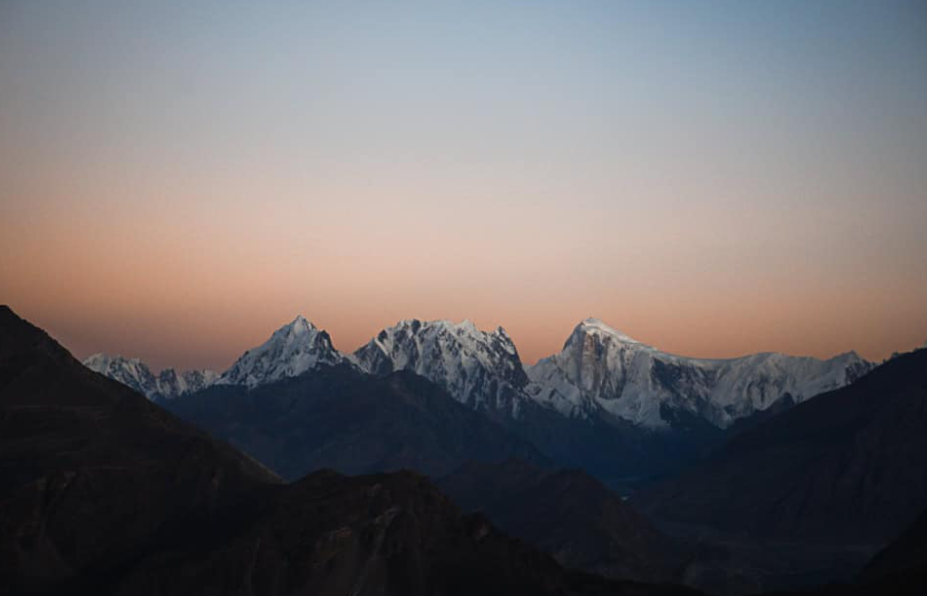
Perched high above Karimabad in the peaceful village of Duikar, Eagle’s Nest is easily one of the best viewpoints in all of Hunza Valley.
Sunrise here feels almost unreal. The first light slowly touches some of the most iconic mountains in the Karakoram range, including Rakaposhi, Ultar Sar, and the elegant Ladyfinger Peak.
Sunset, on the other hand, brings softer colors, pink hues on the snow, long shadows across the villages, and a calm atmosphere that makes you want to stay longer than planned.
The drive from Karimabad takes around 20–30 minutes uphill, or you can hike if you’re feeling adventurous.
Many travelers visit just for golden hour, but honestly, staying a little longer and watching both sunrise and sunset gives you two completely different moods of the same landscape.
8- Gulmit Village & Ondra Poygah Stairs
Tucked in the heart of Upper Hunza valley, Gulmit feels quieter, more traditional, and deeply rooted in local culture.
This village is home to the Wakhi people, known for their warmth, hospitality, and strong sense of community.
One of the most unique experiences here is the Ondra Poygah stairway, often called the longest stairwell in Pakistan. Stretching roughly 1.3 kilometers with about 1,655 steps, the trail climbs gradually above the village toward panoramic viewpoints.
What makes it even more special is the story behind it, in 2021–2022, local residents built these stairs in just about 60 days, not only to encourage tourism but also to help preserve and highlight the archaeological heritage of Upper Hunza.
From the top, you get stunning views of the sharp Passu Cones, sweeping valleys, and an incredible overlook of Attabad Lake glowing turquoise in the distance.
9- Ganish Old Village
The Ganish Old Village is considered one of the oldest surviving settlements along the ancient Silk Route between China and Afghanistan in Hunza Valley.
Ganish holds deep historical importance and has received recognition under UNESCO-supported cultural heritage conservation initiatives, particularly through restoration projects led by the Aga Khan Trust for Culture.
The focus here wasn’t just on saving buildings, but on preserving traditional ways of life, wooden architecture, carved balconies, and centuries-old communal spaces that tell the story of Hunza’s past.
One of the most striking features of the village is its collection of historic mosques, each reflecting a different architectural style influenced by Central Asia and the Karakoram region. Unlike grand urban mosques, they carry a simplicity that reflects the mountain culture.
You’ll also notice the ancient watchtowers scattered around the village. These towers once served as defensive structures, guarding the Silk Route and protecting the community from potential invasions.
10- Khunjerab Pass and Khunjerab National Park
Reaching Khunjerab Pass feels like arriving at the edge of the world or maybe above it.
Sitting at an altitude of about 4,693 meters (15,397 ft), this is one of the highest paved international border crossings on Earth, marking the point where Pakistan meets China along the legendary Karakoram Highway.
The drive itself is unforgettable: wide open valleys, icy winds, and landscapes that feel almost lunar.
The famous border gate, painted in bold colors, stands against a backdrop of endless mountains, a popular photo stop, but also a reminder of how remote and powerful this region truly is.
Surrounding the pass is Khunjerab National Park, a high-altitude protected area known for its fragile ecosystem and rare wildlife.
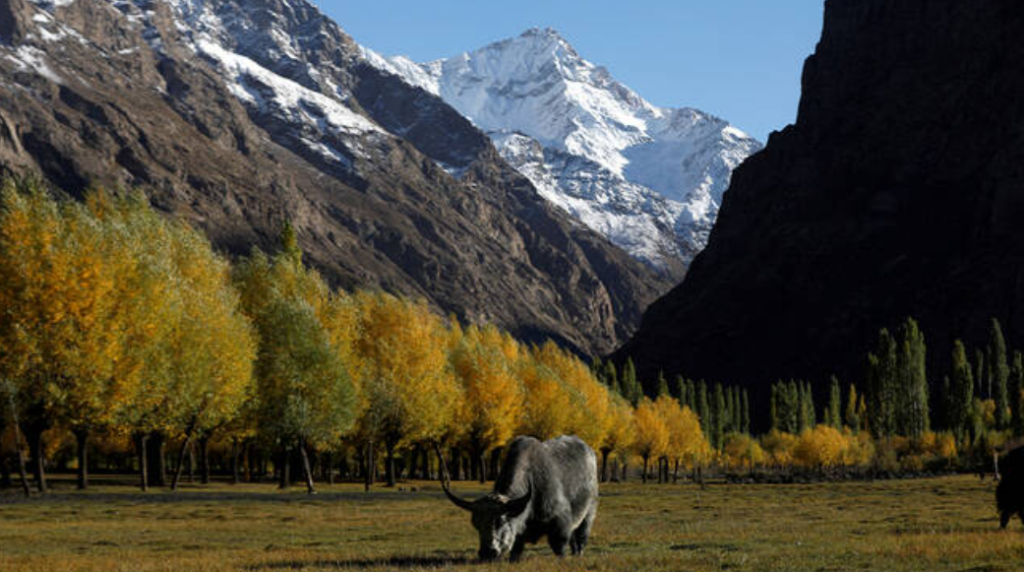
If you’re lucky, you might spot yaks grazing, marmots crossing the grasslands, or even the elusive snow leopard that roams these mountains (though sightings are rare).
The park was established to preserve the natural beauty and biodiversity of the Karakoram region, and you’ll notice strict rules to protect the environment.
It’s good to know that you will have to pay an entry fee of USD 20 if you want to visit the Khunjerab Pass as a foreigner.
11- Shimshal Valley
If you want to see a raw, untouched side of Hunza, Shimshal Valley is where the journey truly begins to feel adventurous.
Often called the Valley of Mountaineers, Shimshal sits at an altitude of around 3,100 meters, making it one of the highest permanent settlements in the region.
Unlike the more popular stops in Hunza, Shimshal feels deeply remote and authentic. The local community lives a traditional mountain lifestyle, balancing farming, herding, and mountaineering culture.
Many of Pakistan’s renowned climbers come from this valley, and you can sense that strong connection to the mountains everywhere, from simple homes to stories shared by locals.
One of the highlights beyond the village is Shimshal Pamir, a vast high-altitude plateau often reached through trekking.
Here you’ll find wide open landscapes, grazing yaks, and silence that feels almost surreal. Even if you don’t venture all the way to the Pamir, the valley itself offers peaceful walks, glacier views, and a slower rhythm of life.
Travel tips:
- The road to Shimshal is long and rough, a 4×4 vehicle and experienced driver are highly recommended.
- Carry snacks, water, and essentials; facilities are limited compared to central Hunza.
12- Chapursan Valley
Far beyond the popular stops of Upper Hunza lies Chapursan Valley, a quiet and lesser-known corridor that stretches toward the borders of Afghanistan and China.
The valley is home to Wakhi communities whose lifestyle reflects centuries of mountain traditions. Small villages, stone houses, and grazing pastures create a scene that feels simple yet incredibly authentic.
One of the most meaningful stops here is the Baba Ghundi shrine near Zoodkhun, a spiritual site visited by locals and travelers alike. Even if you’re not religious, the setting, surrounded by vast mountains and open sky, carries a quiet sense of calm.
Along the way, you’ll also notice glaciers, high-altitude streams, and viewpoints that rarely feel crowded.
13- Misger Valley
Hidden away near the northern edge of Hunza, Misgar Valley feels like a place few travelers reach, and that’s exactly its charm.
Sitting close to the border regions of Afghanistan and China, Misgar has long been a strategic village along ancient trade and migration routes. Today, it remains peaceful, traditional, and beautifully remote.
The journey to Misgar takes you off the main Karakoram Highway onto quieter mountain roads where the scenery feels wider and more untouched.
One of the most interesting landmarks is the old Misgar Fort, a historic structure that once guarded routes leading toward Central Asia.
Though simple compared to Baltit or Altit Fort, it carries an atmosphere of history shaped by isolation and resilience. Around the village, you’ll also find open fields, grazing animals, and wide valley views that make the area feel almost cinematic.
14- Trek to Rakaposhi Basecamp
If you want to experience Hunza beyond viewpoints and highways, the trek to Rakaposhi Basecamp is one of the most rewarding adventures in the region.
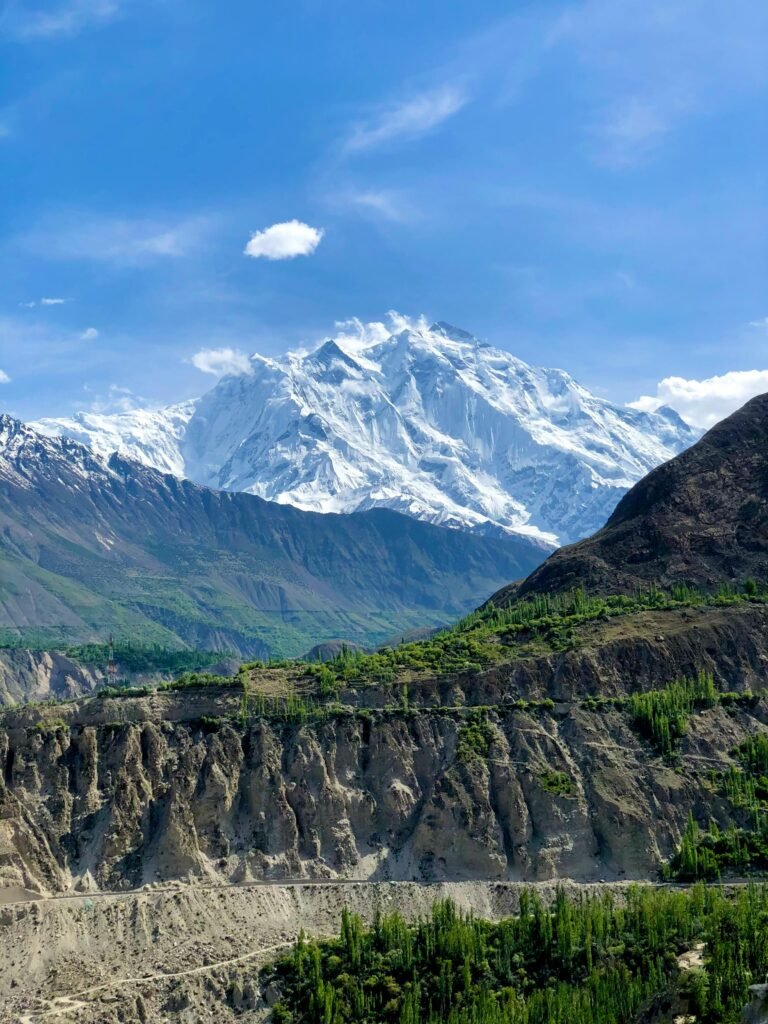
Rising to 7,788 meters, Rakaposhi dominates the skyline, and this trek gives you a chance to walk right into its presence rather than just admire it from afar.
The journey usually begins from Minapin Village, a peaceful settlement surrounded by orchards and traditional homes.
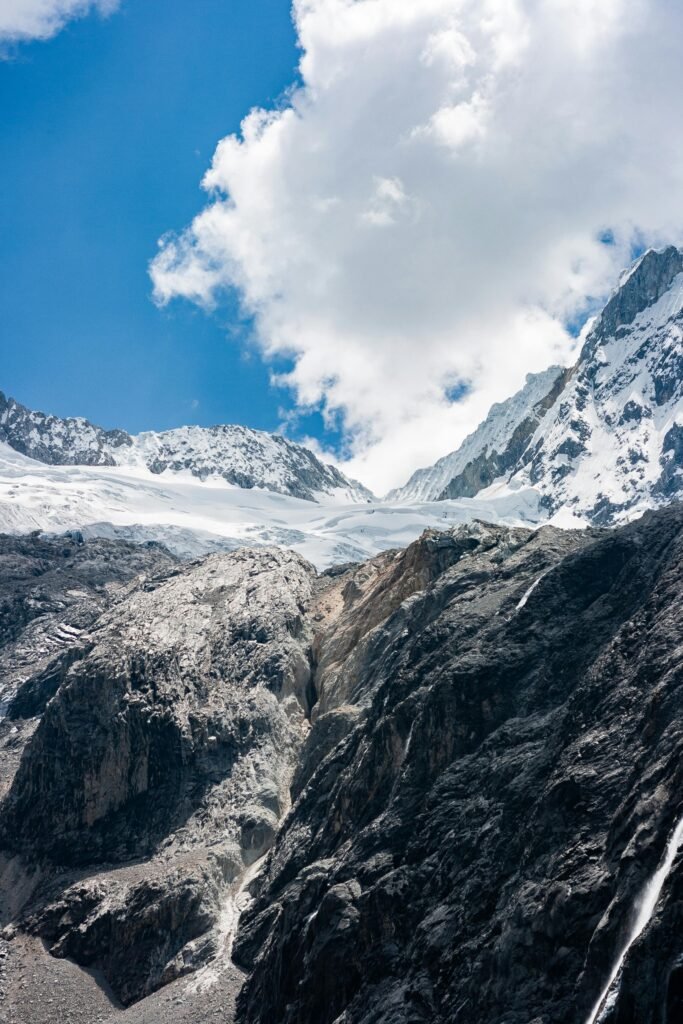
The trail climbs steadily through forests, wooden bridges, and open meadows before reaching the famous basecamp viewpoint, often called Taghaphari. As you gain elevation, the landscape shifts from green valleys to dramatic glacier views, and suddenly the massive wall of Rakaposhi feels incredibly close.
The hike itself is moderate to challenging depending on your pace, but it’s achievable for most travelers with reasonable fitness.
Many people complete it as a full-day trek, while others prefer to stay overnight in simple camps or huts to watch sunrise over the mountain, a moment that feels almost unreal.
What makes this trek special:
- A direct face-to-face view of Rakaposhi’s immense snow-covered slopes
- Quiet alpine meadows that feel untouched
- A strong sense of accomplishment without needing technical climbing skills
Helpful tips before you go:
- Start early in the morning to avoid afternoon weather changes.
- Carry plenty of water, snacks, and layered clothing, conditions shift quickly.
- Hiring a local guide from Minapin is helpful, especially if it’s your first trek in Hunza.
- Good hiking shoes are essential; parts of the trail can be steep.
Where to Stay in Hunza Valley?
The hotels in Hunza Valley genuinely surprise you, not just in comfort, but in setting.
Hunza has everything from high-end hotels with polished interiors, heating, and thoughtful service, to charming family-run stays that feel warm and personal. Whether you’re looking for a luxurious mountain retreat, a comfortable mid-range stay, or a simple budget guesthouse, Hunza caters to all kinds of travelers.
Here, your room is part of the experience. Think snow-capped peaks outside your window, sunrise hitting the mountains, and evenings spent watching the light change over the valley.
Best Hotels to Stay In Hunza
Here are some of my recommendations;
- Hunza Serena Hotel: It is located in Karimabad (a 5-star hotel) and provides facilities like sauna, fitness centre, garden, terrace, restaurant, and free WiFi. It is just 96km from Gilgit Airport. It costs almost $90-$100/night for a Deluxe Twin room. You can also book a suite if you have money:p
- Farmree Resort Hunza: Famree Resort Hunza in Hunza offers beachfront access, a sun terrace, and a lush garden. It is near Attabad Lake Gojal and almost every room provides stunning lake views, while the surrounding mountains enhance the serene environment. It costs $90-$95/night.
- Dumani Nagar Hotel & Resort: Located 57 km from Gilgit airport, the resort offers scenic views of Rakaposhi and Nagar Valley. It costs $95 per night.
- Best western premier Hunza: This is very premium hotel and located on Main Kkh Road. The hotel is near Karimanad Square and Ganish. Gilgit Airport is 89 km away. It costs $110-$120 per night.
Budget Options
- Tourist Cottage Hunza: It costs only $10/night. Its location is a plus point as, the hotel is near Sarena Hotel Hunza and offers easy access to local attractions. Only 96Km rom Gilgit Airport.
- Hikal Guest House: It costs $20/night. This place is located 57 km from Gilgit Airport, also near to Rakaposhi View Point and Nagar Valley.
The Best Areas to Stay
Most travelers end up in or around Karimabad, and for good reason. It’s central, walkable, and close to Baltit Fort, restaurants, and shops. If it’s your first time in Hunza and you want convenience without feeling rushed, Karimabad makes sense.
Altit Village feels quieter and more residential. Staying here gives a stronger sense of daily life, early mornings, school routines, and slower evenings. It’s ideal if you want calm without isolation.
Then there’s Duikar, near Eagle’s Nest. This area is all about views. Sunrises and sunsets here are dramatic in a way that almost feels unfair.
The trade-off? Distance.
You’ll rely more on transport, and evenings are very quiet.
Food in Hunza: Where to eat in Hunza?
Hunza’s food scene is surprisingly diverse. You’ll find plenty of cafés and restaurants serving familiar meals, from Pakistani favorites to continental dishes, and simple comfort food you probably eat in daily life. So if you’re craving something familiar, you won’t struggle to find it.
But honestly, when you’re in Hunza, I would really suggest trying at least few traditional local dishes. The flavors here feel authentic, simple, and deeply connected to the region’s culture.
During my time in Hunza, locals recommended a few classic dishes, and I made it a point to try them, and they quickly became some of my favorite food memories from the trip.
Below, I’ve shared the local dishes that stood out to me the most, the ones that truly reflect Hunza’s culinary identity.
And don’t worry, if you ever feel like mixing it up, many restaurants also offer continental options, Chinese-style meals, and other international cuisines alongside traditional Hunza food, so you’ll always have choices.
Traditional Hunza Breakfast You Shouldn’t Miss
One of my favorite ways to understand Hunza was simply through its breakfast table.
Gyal – A Classic Hunza Morning Dish
Gyal is one of those local breakfasts that feels both humble and incredibly satisfying. These wheat-based pan-fried cakes are usually served with honey, homemade fruit jam, or the region’s signature ingredient, apricot oil.
The apricot oil gives the dish a soft, nutty aroma that pairs beautifully with the smoky taste from traditional wood or charcoal cooking. It’s warm, hearty, and exactly the kind of meal that makes you want to sit a little longer with a cup of hot milk tea.
Local Oats & Nut Mix
Another breakfast option I genuinely loved was the local-style oats (locally called muesli). It’s not the packaged version you might expect, instead, it’s a rich mix of roasted almonds, walnuts, flaxseeds, apricot kernels, and grains like barley or local wheat.
Often topped with fresh yogurt, cream, or a drizzle of honey, it feels nourishing without being heavy. Every bite tastes earthy and fresh, like it belongs to the mountains.
Traditional Hunza Lunch & Dinner
Lunch and dinner in Hunza feel just as comforting as breakfast, honest, nourishing meals made with local ingredients and recipes passed down through generations.
Chapshuro – Hunza’s Famous Meat Pie
Chapshuro is probably the most well-known local dish you’ll come across, and for good reason.
Think of it as a baked flatbread stuffed with minced meat, onions, herbs, and mild spices. It’s crispy on the outside, juicy inside, and incredibly filling, perfect after a long day of exploring.
Many small cafés and family kitchens make their own versions, and each one tastes slightly different.
Dowdo Soup
When the weather turns cold (which happens often in Hunza), locals turn to Dowdo, a thick noodle soup cooked with vegetables, herbs, and sometimes meat.
Diram Fitti – Apricot Oil Flatbread
Diram Fitti is another traditional favorite made from wheat flour and apricot oil. Slightly sweet and aromatic, it’s often served with tea or alongside savory dishes.
Local Trout & Mountain Cooking
Because of the region’s clear streams, fresh trout is a popular option in many restaurants.
Usually grilled or lightly fried, it’s served simply so the natural flavor stands out. Pair it with fresh salad or warm bread, and you have a meal that feels both light and satisfying.
Other Dinner Favorites You Might See
Depending on where you eat, you’ll also find dishes influenced by nearby regions, dumplings, noodle dishes, and slow-cooked meats.
Where to eat in Hunza Valley?
Here are my top recommendations,
1- Cafe de Hunza
Must-try Dishes: Walnut cake, Spanish omelette and a special dish called Rosti
Open Hours: 7am-10Pm (All Week)
Location: Google Maps
2- Mud House Hunza for cherry picking
3- Cloud nine and a Half: for best best Chinese food in Hunza Valley
Tea Culture and Slow Evenings
Tea plays a quiet but constant role in Hunza. Green tea, herbal infusions, and simple milk tea appear throughout the day.
Some of my calmest moments were spent with a cup of tea in hand, watching the light fade over the mountains, with no sense of needing to be elsewhere.
Internet, SIM Cards, and Connectivity in Hunza (The Honest Reality)
If you’re coming to Hunza expecting seamless connectivity, this is where expectations need a gentle reset. Internet and mobile networks do exist here, but they function on mountain logic, not city standards.
Local SIM cards are essential if you want any level of independence. I used a Telenor SIM, and it worked just fine, if not perfectly. Locals recommended Telenor and SCOM SIMs mostly.
Wi-Fi exists in most hotels and guesthouses, but speed and stability vary wildly. Some days it worked well enough for emails and uploads. Other days it barely loaded a webpage.
Video calls were hit or miss. Large uploads required patience, or postponement. I stopped trying to fight this reality and instead adjusted how and when I went online.
Once I did that, the frustration disappeared.
If staying connected matters to you, ask your accommodation directly about their network experience before booking.
Best Time to Visit Hunza Valley (Season by Season)
The valley changes dramatically with the seasons, not just visually but emotionally. The pace, the crowds, the access, even how people interact with you, all of it shifts.
I realized that asking “When is the best time?” is the wrong question. The better one is: What kind of experience am I looking for?
Spring (April to May)
Spring in Hunza feels tender. Snow begins to retreat, rivers swell with meltwater, and apricot blossoms briefly transform the valley into something soft and almost unreal.
Fewer tourists, quieter villages, and a sense of renewal everywhere.
Days are cool, nights still cold, and some higher routes may remain inaccessible, but the calm is worth it.
Summer (June to August): Lively, Accessible, and Social
Summer is Hunza at its most alive. Roads are open, skies are generally clear, and the valley fills with both domestic and international travelers. This is when Hunza feels most connected, culturally, socially, and logistically.
The weather is comfortable during the day, especially compared to Pakistan’s cities, and evenings are pleasantly cool.
More guesthouses, cafés, and transport options are available.
The downside? Crowds.
Still, if it’s your first time and you want ease, summer is the most straightforward option.
Autumn (September to October): Color, Calm, and Clarity
I had visited Hunza Valley in Autumn as well as in the end of spring, and if I had to choose between these two seasons, I would choose Autumn.
Here is why,
The trees turn gold, orange, and deep red. The air becomes crisp. Tourist numbers drop. The mountains feel sharper, more defined. Everything slows again, but with clarity rather than freshness.
Autumn felt reflective. Days were ideal for walking. Evenings invited stillness. This season felt like Hunza exhaling after summer.
Winter (November to March)
Winter strips Hunza down to its essentials. Snow closes passes, temperatures drop sharply, and tourism nearly disappears.
Life continues, but quietly.
This isn’t an easy season to visit.
Transport is unpredictable. Heating is basic. Many guesthouses close.
But if you’re prepared and patient, winter offers a rare glimpse into Hunza’s resilience.
I wouldn’t recommend winter for first-time visitors, but for those seeking solitude and authenticity, it reveals a different kind of beauty.
How safe is Hunza Valley?
This is usually the first question people ask, so I won’t dance around it.
I felt safe in Hunza, walking alone, stopping in villages, taking photos, and talking to locals. Safer, in fact, than in many places that don’t carry Pakistan’s reputation.
Crime felt almost nonexistent at a tourist level. There were no scams, no aggressive selling, no pressure to buy or tip. If anything, people seemed more concerned about whether I was comfortable, warm enough, or had eaten properly.
That sense of safety comes partly from Hunza’s strong community structure. This is a place where people know each other, where behavior reflects on families and villages, and where hospitality isn’t a performance, it’s a norm.
Cultural Awareness (What Helped Me Blend In)
Hunza is welcoming, but it’s also conservative in quiet ways. Dressing modestly helped me feel more at ease and more respectful. Not because anyone demanded it, but because it aligned with how people live here.
Public behavior is calm. Loudness stands out. Rushing feels out of place. When I slowed down, listened more, and observed before acting, interactions flowed effortlessly.
Most people in Hunza belong to the Ismaili Muslim community, a branch of Islam known for its emphasis on education, ethics, and social responsibility.
Faith here is quiet. You’ll see mosques, hear calls to prayer, and notice religious rhythms shaping the day, yet nothing feels imposed. There’s no pressure on visitors, no moral policing, and no sense of religious performance.
Costs & Budget – What Traveling Hunza Actually Costs?
Before visiting Hunza, I struggled to find clear, honest information about costs – especially written for international travelers. Prices were either oversimplified or wildly optimistic. The truth sits somewhere in between. Hunza is affordable compared to many global mountain destinations, but it’s not “cheap” in the way some people expect Pakistan to be.
What you spend here depends less on luxury and more on logistics – transport, season, and how flexible you’re willing to be.
Accommodation Costs
Accommodation will likely be your biggest daily expense.
Luxury stays like Hunza Serena Inn usually range around $100–$150 per night depending on the room type and season. Mid-range hotels in Hunza generally cost about $45–$70 per night, while budget guesthouses or smaller local stays can be found for roughly $20–$35 per night.
Food and Daily Meals
Food in Hunza is reasonably priced and filling. You won’t spend much on meals unless you’re eating exclusively at tourist-oriented restaurants.
Dining at high-end hotel restaurants typically costs about $9–$10 per meal, while small cafés or local eateries can be as low as $1–$3 per meal depending on what you order.
On average, most travelers spend roughly $10–$15 per day on food in Hunza if mixing local spots with occasional nicer meals.
Transport Costs
Flights from Islamabad to Gilgit can start from around $45–$80 one way, though prices vary by season and availability.
From Gilgit Airport to Hunza Valley (about 2.5–3 hours by road), a private car rental usually costs around $25–$45, while shared transport may cost roughly $2–$5 per person.
Tours, Guides, and Activities
Entry tickets and small attractions are inexpensive, but guided tours or private day trips generally range from about $15–$25 per day depending on vehicle type and distance.
Many historical sites and national parks charge separate entry fees, with some higher fees for international travelers.
What I Wish I Knew Before Visiting Hunza?
Hunza isn’t difficult to travel, but it is different. And most of the things I wish I’d known weren’t big, dramatic warnings.
These are the things I’d tell a friend before they go.
Weather Changes Faster Than You Expect
No matter the season, Hunza’s weather shifts quickly. A clear morning can turn cloudy by afternoon. Warm sunshine can drop into cold winds once the sun disappears behind the mountains.
I learned to dress in layers, even on days that looked stable. A light jacket, scarf, or thermal layer made a big difference, especially in the evenings.
Altitude Fatigue Is Subtle but Real
Hunza isn’t extreme-altitude travel, but it’s high enough to affect you, especially if you arrive quickly. I didn’t feel sick, but I did feel slower.
Taking the first couple of days gently helped. Short walks, plenty of water, and no pressure to “do everything” made adjustment easier.
Roads Don’t Follow Schedules
Mountain roads operate on nature’s timeline. Landslides, construction, weather, and traffic can slow everything down without warning.
This is why buffer days matter.
Power and Heating Are Basic
Electricity outages happen, usually briefly. Heating is functional, not luxurious. Nights can be cold even in summer, especially in higher villages.
Pack warm socks and power bank.
Is Hunza Valley Worth Visiting? My Honest Opinion
The time I was leaving Hunza Valley, I realized something quietly important: Hunza doesn’t try to win you over. It doesn’t bend itself to meet your expectations. And maybe that’s exactly why it stays with you.
So yes, Hunza is absolutely worth visiting.
Hunza is for travelers who don’t need constant stimulation Are comfortable slowing down Appreciate silence, space, and routine.
I left thinking differently about time, productivity, and what it means to live well. That’s not something most destinations give you, no matter how beautiful they are.
Would I Go Back?
Yes, absolutely.
If this guide helped you picture Hunza a little more clearly, save this guide, plan wisely, and share it with someone who dreams of mountains just like you do.