


6 ways for Getting Around Barcelona Efficiently
Barcelona is a vibrant city with so much to offer, and getting around Barcelona is easier than you might think.
In this guide, I’ll walk you through the best ways to get around Barcelona, from the famous metro system to walking tours that allow you to soak in the city’s charm.
Barcelona has a well-developed and affordable transportation system, so whether you’re relying on public transport, taking a taxi, or even renting a bike, you’ll find plenty of options to suit your needs.
If you’re planning a wider Spain or Europe trip, you might also find it helpful to read my Spain and Europe travel tips.
It does not matter if you’re exploring the stunning architecture of Gaudí, relaxing at the beach, or enjoying delicious tapas, knowing how to navigate the city will make your experience smoother and more enjoyable.
Here is my Ultimate Barcelona Travel Guide for planning your trip smoothly.

6 Ways for getting around Barcelona
1- Walking in Barcelona: The Best Way to Discover Hidden Gems
Walking is hands down the best way to truly experience Barcelona. The city is compact and walkable, with surprises waiting around every corner, from tiny tapas bars to tucked-away plazas.
Some of the most charming areas, like the Gothic Quarter and El Born, are best explored on foot since their narrow streets aren’t always accessible by car or public transport.
Strolling through Barcelona lets you soak in the local atmosphere, admire stunning architecture, and stumble upon unexpected street art or live music.
Wear comfortable shoes, especially if you plan to walk around the historic neighborhoods or climb Montjuïc for those sweeping views.
If you love discovering a city slowly and at your own pace, walking in Barcelona will be one of the highlights of your trip.

2- Using the Barcelona Metro System
Barcelona’s transport system is one of the most advanced in Spain, offering seamless connectivity across the city. The Barcelona Metro is one of the easiest and most efficient ways to get around the city.
With over 150 stations across 8 lines, the metro covers nearly every corner of Barcelona, making it a perfect option for both tourists and locals. The metro is fast, affordable, and runs frequently, so you won’t have to wait long to catch a train.
How It Works:
- Tickets: A single ride costs about €2.40, but you can save money by purchasing a T10 ticket, which gives you 10 rides for around €11.
- Hours: The metro operates from 5:00 AM to midnight, and it runs later on weekends.
- Line Colors: Each line is represented by a different color (for example, the L1 is red, L3 is green), making it easy to navigate.
The metro is especially useful if you’re heading to top attractions like La Sagrada Família, Park Güell, and Barceloneta Beach, as several lines connect these popular destinations.
If you’re planning to stay in Barcelona for more than a few days, consider purchasing a Barcelona Card or Hola Barcelona Travel Pass, which provide unlimited travel on the metro and other public transport.

3,4- Buses and Trams: Affordable and Convenient
Barcelona’s bus and tram systems are reliable and budget-friendly. They’re a great way to see the city above ground, especially if you enjoy looking out the window while commuting.
The buses cover areas the metro doesn’t reach, and the trams serve the outskirts and less touristy neighborhoods.
Bus Travel Tips:
- Buses run frequently during the day and are included in the same ticketing system as the metro.
- There’s even a night bus network (NitBus) that runs from around 10:30 PM to 5:00 AM, which is perfect if you’re out late.
Using the Trams:
- There are two main tram lines: Trambaix (T1, T2, T3) and Trambesòs (T4, T5, T6).
- Trams are clean, comfortable, and less crowded than buses or metro lines.
Both buses and trams use the same tickets as the metro, so there’s no need to buy separate passes. You can hop between them freely within a 75-minute window using a T-Casual or Hola Barcelona pass.
You may also like: Must-Try Spanish Food: A Delicious Guide for First-Time Visitors

5- Taxis and Ride-Sharing in Barcelona
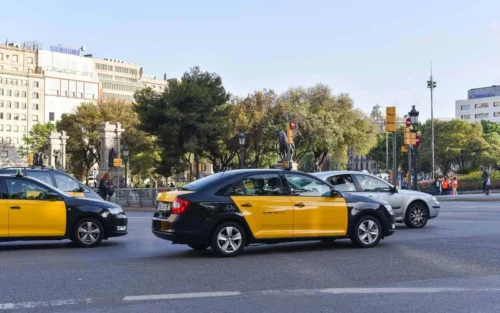
Taxis in Barcelona are easy to recognize—they’re black and yellow, and you can find them almost everywhere in the city. They’re a reliable option, especially if you’re carrying luggage, traveling late at night, or heading to the airport.
Taxi Tips:
- Taxis are metered, with a starting fare around €2.50, and additional costs based on distance and time.
- You can hail one on the street, go to a taxi stand, or use official apps like AMB Taxi Barcelona or Free Now.
- Not all drivers speak English, so it’s a good idea to have your destination written down or use Google Maps.
Ride-Sharing Options:
Barcelona doesn’t have Uber operating like in many other cities, but Cabify is a popular alternative. It works just like Uber-download the app, enter your destination, and you’ll get a fare estimate before you ride. Prices are similar to taxis, but Cabify often includes discounts or offers.
If you’re planning to stay out late or prefer private transport, taxis and ride-sharing apps are a safe and comfortable way to move around.
6- Biking and Scooters: Fun and Flexible Ways to Explore
Barcelona is a bike-friendly city, with dedicated bike lanes and a mostly flat terrain in the central areas. It’s a fun, eco-friendly way to explore the city at your own pace.
Exploring Barcelona by scooter or bike can feel very different depending on the season, so it’s worth checking what time of year you plan to visit Spain before deciding how you’ll get around.
Bike Rental Options:
- You can rent bikes from local shops or use services like Donkey Republic or Green Bikes.
- Rentals start at around €10 per day, and many places offer guided bike tours if you want to explore with a local guide.
Electric Scooters:
- E-scooters are another popular option, especially for short trips. You’ll find them through apps like Reby, Bird, or Lime.
- They’re easy to use and cost about €1 to unlock, plus a small fee per minute of use.
Just remember to ride safely and follow traffic rules. Helmets are recommended, and avoid riding on sidewalks—stick to bike lanes or designated streets.
You may also like: Best Time to Visit Spain: An Ultimate Seasonal Guide

Barcelona Travel Cards and Ticket Tips
To make commuting easy and budget-friendly, Barcelona offers several travel cards that work across all public transport—metro, buses, trams, and even some regional trains.
Top Travel Cards:
- T-Casual:
- Best for short stays or light use.
- Includes 10 rides for around €12.15.
- Can’t be shared, but it’s great if you’re planning 2–3 rides a day.
- Hola Barcelona Card:
- Unlimited travel for 2 to 5 days.
- Prices start at €16.40 for 48 hours.
- Includes airport metro and all main public transport zones.
- Perfect if you’ll be using metro and buses a lot.
- Barcelona Card:
- Includes unlimited public transport plus discounts at major attractions and museums.
- Also covers the airport train and funicular to Montjuïc.
You can buy these cards at airport kiosks, metro stations, or online. They save money, time, and eliminate the stress of constantly buying tickets.

Getting to/from the Airport
If you’re planning your routes in advance, you can follow my detailed 5-day Barcelona itinerary to see how transport fits perfectly into each day of exploring the city.
Barcelona–El Prat Airport (BCN) is well-connected to the city, and there are several convenient ways to reach your accommodation:
Aerobus
This is the most popular option for travelers. It runs every 5 to 10 minutes between both airport terminals and Plaça de Catalunya, stopping at key spots in the city. It costs around €6.75 one-way, and the journey takes about 35 minutes. The Aerobus has space for luggage and is air-conditioned—great after a long flight.
You may also like: 20 Cheapest Cities in Europe to Visit
Metro – Line L9 Sud
The L9 Sud metro line connects both terminals to the city, but keep in mind it doesn’t go directly to the city center. You’ll likely need to transfer at Torrassa or Zona Universitària to reach more central locations. It’s a good budget option and costs around €5.15 for a single airport ticket.
Train (R2 Nord)
From Terminal 2, the R2 Nord train takes you to major stations like Passeig de Gràcia and Sants Estació in about 25 minutes. It’s a solid choice if your hotel is near one of those stops, and it’s included in multi-day transport passes like the Hola Barcelona card.
Each option is safe and reliable—just choose based on your destination and how much luggage you’re carrying.

Must-Have Travel Apps for Barcelona
Traveling smart in Barcelona means having the right tools at your fingertips. Whether you’re navigating the streets, saving on meals, or translating signs, these apps will save you time and stress. And since getting around often leads you to amazing food spots, don’t miss famous Spanish food dishes during your Barcelona trip.
Navigating a new city becomes much easier with the right apps. Here are the ones I personally used (and loved) during my trip to Barcelona:
1. TMB App (Transports Metropolitans de Barcelona)
This is the official public transport app. It shows real-time metro, bus, and tram schedules. Super handy for finding the quickest routes and checking delays.
2. Google Maps
A no-brainer. Use it for walking, public transport, and checking opening hours of attractions or restaurants. Offline maps also work great if you download the Barcelona area in advance.
You may also like: 14-day Central Europe Itinerary: An Epic Journey Through Germany To Hungary
3. Citymapper
Perfect for figuring out the fastest way from point A to B using any type of transport. It even tells you how many steps you’ll walk and if the metro has AC!
4. Too Good To Go
If you’re on a budget and hate food waste, this app helps you find leftover meals from bakeries and restaurants at a discounted price. Barcelona has tons of listings!

5. TheFork
Want to try new restaurants without the guesswork? TheFork offers local restaurant reviews, photos, and even discounts of up to 50% when you book through the app.
6. Google Translate
Very useful if you don’t speak Spanish or Catalan. The camera feature helps you translate menus and signs instantly.
You may also like: How To Spend 5 Days In Barcelona? Barcelona Itinerary For First Timers
7. XE Currency
To keep track of currency conversions if you’re coming from outside the Eurozone. It works offline too, which is helpful when you don’t have data.

Is Barcelona Safe for Tourists?
Barcelona is generally safe for tourists, but like any major city, it’s important to stay cautious. Pickpocketing can be a concern in crowded areas like La Rambla and on public transportation, so it’s best to keep an eye on your belongings.
Most neighborhoods are safe to explore, but it’s always a good idea to stay alert, especially at night. By taking simple precautions, you’ll have a fantastic time experiencing everything this vibrant city has to offer.
Barcelona is a city that welcomes you with open arms, whether you’re here for the art, the beach, the food, or the culture. It’s a place where history and modern life blend effortlessly—from ancient Roman walls to stylish rooftop bars.
No matter your travel style, you’ll find your rhythm here.
Getting around Barcelona is easy, whether you’re walking through the Gothic Quarter, hopping on the metro, or cruising by the beach on a scooter. With a little planning and the right traavel pass, you can make the most of every moment.
Barcelona has something waiting around every corner, and getting there is part of the adventure.
Have I added all ways of getting around in Barcelona or missed anything?
Let me know in comments.
Save this guide so you can quickly check metro tickets, zones, and travel tips during your trip.
Frequently asked questions about getting around Barcelona
What is the cheapest way to travel around Barcelona?
The cheapest way to get around Barcelona is by using the T-Casual ticket, which gives 10 journeys for around €13 in Zone 1. It is perfect for tourists who do not need unlimited rides every day.
Is the Barcelona metro pass worth it?
Yes, the Barcelona metro pass is worth it if you plan to use transport multiple times a day. For sightseeing-heavy trips, the Hola Barcelona Travel Card is often the best choice because it offers unlimited rides and includes airport transfers.
What is the best travel app to use in Barcelona?
The best apps for getting around Barcelona are:
– TMB App for metro and bus routes
– Google Maps for walking + public transport
– Citymapper for live routes and timings
The official TMB app is especially useful for Barcelona metro updates and route planning.
What are Barcelona metro zones?
Most tourists mainly use Zone 1, which covers the city’s main attractions including:
Sagrada Família
La Rambla
Gothic Quarter
Casa Batlló
Barceloneta
Park Güell
For most short trips, Zone 1 is enough.
What is the best airport transport in Barcelona?
The best airport transport options are:
Metro Line L9 Sud
Aerobús
taxi
Hola Barcelona travel card
If you are staying in the city center, Aerobús and metro are usually the most convenient. The Hola card includes airport metro rides.
Is the Hola Barcelona Travel Card worth it?
Yes, the Hola Barcelona Travel Card is worth it for tourists staying 2–5 days. It gives unlimited transport access and helps save money if you are visiting multiple attractions each day.
What is the T-Casual ticket in Barcelona?
The T-Casual ticket is a 10-journey pass that is one of the best budget-friendly options for tourists. It works on metro, buses, trams, and trains in Zone 1, but it does not include airport metro stations.
Is it cheaper to use a taxi or Uber in Barcelona?
For most travelers, Barcelona public transport is much cheaper than taxis or Uber. A metro ride costs only a few euros, while taxis and ride apps can quickly become expensive, especially during peak hours or airport trips. If you are staying in central areas, the metro is usually the best and cheapest way to get around Barcelona.
Are taxis cash only in Barcelona?
No, most taxis in Barcelona accept cash and card payments, including contactless cards. Still, it is always a good idea to carry a little cash just in case.


