

Power Plug in Saudi Arabia: What to pack to keep your gadgets charged?
Before I landed in Saudi Arabia for the first time, I had no idea what type of plug to pack. Would my laptop survive the voltage? Could I charge my phone at the airport? If you’re wondering the same, you’re in the right place. In this guide, I’ll walk you through everything you need to know about power plugs, sockets, and electricity in Saudi Arabia. From the types of outlets you’ll find in hotels to whether or not you need a voltage converter, this is your one-stop post for staying powered up during your trip. Let’s keep it simple, practical, and with a little Saudi cultural flavor sprinkled in.
What Kind of Electric Plugs Are Used in Saudi Arabia?
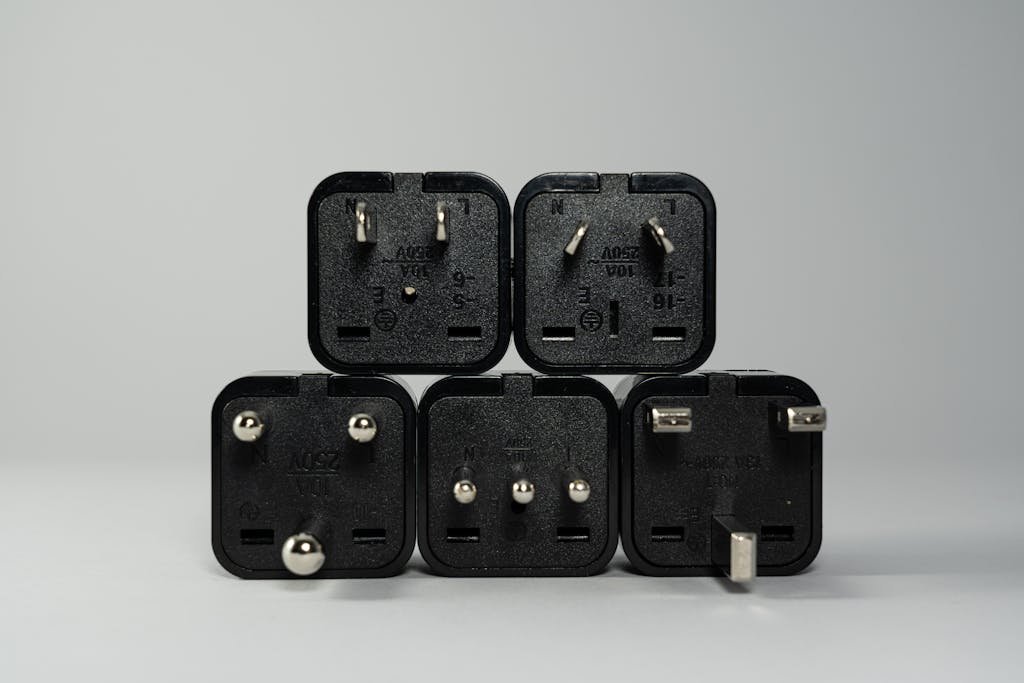
When it comes to power plugs, Saudi Arabia uses Type G sockets, the same three-pin plug you’ll find in the United Kingdom. If you’re from the UK, good news: you probably won’t need any adapters at all. But for most travelers—especially from Europe, the U.S., and Asia, you’ll need to bring a plug adapter to make your devices work.
The Type G plug has three rectangular prongs arranged in a triangular pattern. It’s known for being safe and sturdy, but it definitely won’t match your standard European round pins or American flat ones. These sockets are built for 240 volts, which we’ll get into in the next section.
You’ll find Type G plugs almost everywhere: hotels, cafes, airports, malls, and even budget accommodations. Many newer hotels also offer universal plug points or USB charging stations, but don’t count on it—always bring at least one adapter just in case.
If you’re using devices like hairdryers or chargers that don’t support 220–240V, an adapter alone won’t be enough—you’ll also need a voltage converter, which we’ll cover later. For now, just remember: Type G is king in Saudi Arabia, and packing the right adapter will save you from low-battery stress.
Voltage in Saudi Arabia
Saudi Arabia operates on a standard voltage of 230V and a frequency of 60Hz. This is important to know because if your home country uses a different voltage—like the 110V system in the United States or Japan—you’ll need to be careful before plugging anything in.
The good news? Most modern devices like phone chargers, laptops, tablets, and cameras are built to handle dual voltage (usually marked as 100–240V on the plug). So if your charger says that, you’re good to go with just a plug adapter.
However, some appliances—like hair dryers, electric shavers, or curling irons—might not be dual voltage. Plugging them in without a voltage converter could damage the device or even cause it to short out. Always check the voltage label before use.
The frequency (60Hz) is also worth noting. Most gadgets are fine with a little fluctuation, but if you’re using equipment like clocks, sound systems, or industrial tools, frequency might affect performance.
In short:
- Check if your device is dual voltage
- If not, bring a voltage converter
- Don’t assume your plug is safe—read the label
Do You Need a Travel Adapter in Saudi Arabia?
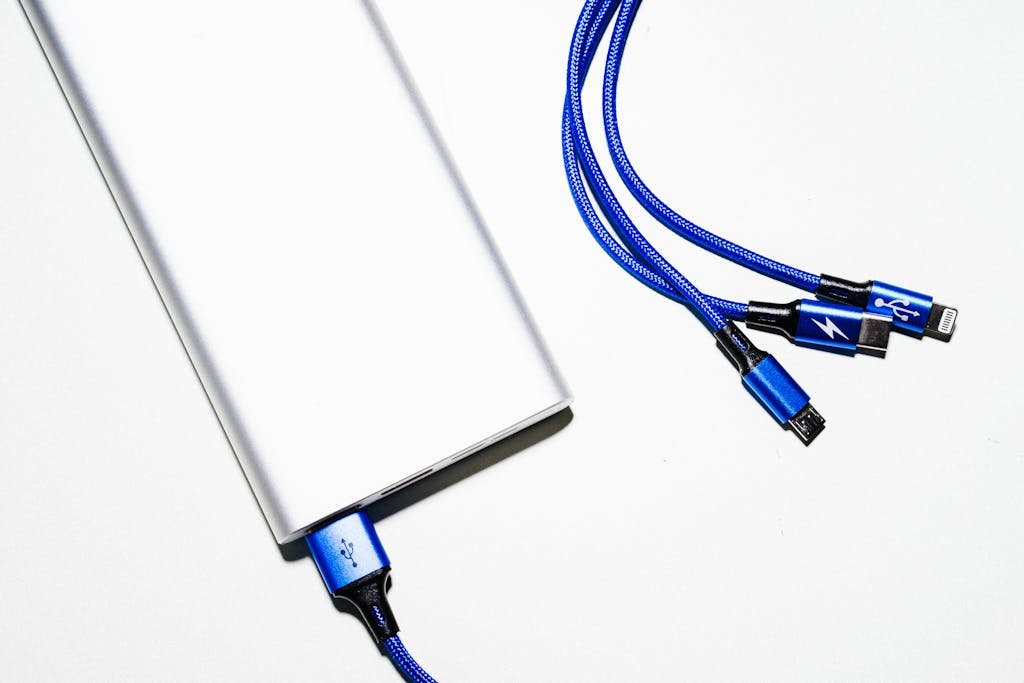
In most cases, yes—you’ll need a travel adapter to use your electronics in Saudi Arabia. Since the country uses the Type G plug, travelers from countries that use Type A, C, D, E, F, I, or other plugs will need an adapter to connect their devices to the wall.
If you’re coming from the UK, you’re in luck—your plugs will work just fine without any extra gear. But if you’re from the U.S., Europe, Canada, Australia, or most of Asia, your plugs won’t fit. A universal adapter is your best travel companion. It works across different countries and supports multiple plug types—perfect if Saudi Arabia is just one stop on your journey.
These adapters are easy to find online, in airport shops, or even in local stores in Saudi Arabia, but it’s best to bring one with you to avoid hassle when you land. Some hotels may have spare adapters, but they’re not guaranteed and often in short supply.
Pro tip: get an adapter that includes USB ports, so you can charge multiple devices at once—handy for nights when you need your phone, camera, and smartwatch all juiced up.
Power Outlets in Hotels and Airports in Saudi Arabia
Most hotels in Saudi Arabia follow international standards and are well-equipped with Type G power outlets. If you’re staying at a newer or upscale hotel in cities like Riyadh, Jeddah, or Dammam, you might also find universal sockets or even USB charging ports built into the bedside tables or walls. But don’t count on that everywhere—budget hotels and guesthouses usually stick to the standard UK-style plugs.
It’s a good idea to bring a multi-port adapter if you have several devices to charge, especially when outlets are limited. Most hotels offer 220–240V voltage, and the outlets are well-maintained, though in older buildings they might be slightly loose or located in awkward spots.
At airports, you’ll usually find charging stations in waiting areas and near gates, especially in major hubs like King Khalid International Airport (Riyadh) and King Abdulaziz International Airport (Jeddah). Many of these include USB charging options, but it’s still smart to carry a portable charger just in case outlets are all in use or you’re on the go.
If you’re ever unsure, don’t hesitate to ask hotel staff—they’re usually happy to help or lend you an adapter for your stay.
Travel Tips for Using Electronics in Saudi Arabia
Keeping your devices charged and safe in Saudi Arabia is simple—if you’re prepared. First, always pack a reliable adapter (preferably with multiple USB ports). It saves time and space, especially if you’re traveling with a phone, camera, smartwatch, and maybe even a laptop.
Be mindful of voltage compatibility. While many devices are dual voltage, some aren’t—especially things like hair tools. If you’re unsure, check the label on your device or charger before plugging in. Better safe than fried.
A power strip with surge protection can be a lifesaver, particularly in hotel rooms with limited sockets. It also protects your gear from unexpected voltage spikes. And yes, spikes do happen, especially in older buildings.
Public charging is common in malls, cafes, and airports. Most large shopping centers have USB ports in seating areas, and big cafés like Starbucks or Barn’s often have wall plugs available.
Also, don’t forget to carry a power bank for day trips or desert excursions—there’s nothing worse than a dead phone during a great travel moment. Look for one with at least 10,000 mAh capacity so it lasts all day.
Power and Culture in Daily Life
Electricity is stable and reliable in most parts of Saudi Arabia, especially in major cities like Riyadh, Jeddah, and Khobar. Power outages are rare and usually short-lived. You won’t need to worry about finding a place to charge your phone or camera—cafés, malls, hotels, and even mosques often have charging points available.
In everyday life, people in Saudi Arabia rely on their phones just like anyone else. You’ll see locals using mobile apps for ordering food, booking taxis, and even paying in stores through Apple Pay or STC Pay. Having your devices charged and ready is not just a convenience—it’s part of navigating the local lifestyle.
One cultural tip: avoid using visible electronics (like laptops or cameras) during prayer times in very quiet areas, especially around mosques. It’s out of respect for the spiritual atmosphere. In most other public places, it’s perfectly fine to use and charge your devices without issue.
Another small gesture? Don’t unplug someone else’s charger to use the outlet unless you ask, courtesy goes a long way, especially in communal spaces.
Eco & Smart Travel Tips for Power Use in Saudi Arabia
Saudi Arabia’s vast deserts, sunny skies, and remote landscapes make it an ideal place to travel smart with tech. If you’re heading to places like AlUla, the Empty Quarter, or desert camps outside Riyadh, power outlets might not always be nearby—so it’s best to plan ahead.
One smart move is to pack a solar-powered charger. Thanks to the country’s year-round sunshine, it’s easy to harness natural energy to charge your phone, power bank, or even a small camera. These are lightweight and especially handy during outdoor adventures or long road trips.
A high-capacity power bank (10,000mAh or more) is also essential. It’ll keep your devices going when you’re exploring all day with no outlets in sight. Some models even come with built-in solar panels or multiple USB ports.
If you’re a digital nomad or planning to work remotely, a compact travel power strip will give you more flexibility in hotels or coworking spaces. Bonus if it has surge protection!
And if you really want to go light, consider USB-C multi-charging cables—these can charge phones, earbuds, and tablets all from one cord.
Final Checklist: What to Pack for Charging in Saudi Arabia
Before you head off on your Saudi adventure, make sure you have the right tools to stay powered up. Here’s a quick travel-ready checklist to keep all your devices running smoothly:
- Universal Travel Adapter – Especially one that supports Type G plugs and has multiple USB ports.
- Voltage Converter – Only if your devices don’t support 220–240V (check your charger labels!).
- Power Bank – At least 10,000mAh, ideal for long days out or desert trips.
- Charging Cables – Pack extra USB-C, micro-USB, or Lightning cables based on your devices.
- Power Strip or Extension Cord – A compact one is helpful in hotel rooms with limited outlets.
- Solar Charger – Optional but super handy for nature and desert explorers.
- Travel Case for Electronics – Keeps everything organized and tangle-free.
- Spare Adapter – Always good to have a backup in case one gets lost or borrowed.
This checklist can save you time, stress, and battery life. Saudi Arabia is modern and well-connected, but being prepared means you can focus more on exploring—and less on hunting for outlets.
Traveling through Saudi Arabia is an exciting journey, full of culture, history, and unforgettable landscapes. But staying connected while you explore is just as important. Knowing the power plug types, voltage standards, and adapter needs ahead of time makes a big difference in your daily comfort.
Whether you’re snapping photos in Riyadh, navigating the desert with GPS, or video calling loved ones from Jeddah, having the right gear ensures your devices stay powered and your trip stays smooth.
So pack smart, charge often, and enjoy every moment. Saudi Arabia has so much to offer—and now, your tech will be ready for it too.