


Must-Try Turkish Food: 25 Dishes You Can’t Miss in Turkey
Turkey isn’t just a country of rich history and stunning landscapes, it’s a food lover’s paradise. Every region, city, and even neighborhood has its own culinary flair. From sizzling street food to aromatic stews, Turkish food is packed with bold flavors, fresh ingredients, and deep cultural roots. Whether you’re wandering through a bustling bazaar in Istanbul or sitting down for a leisurely breakfast in Cappadocia, every meal tells a story.
In this guide, we’ll walk you through 25 must-try Turkish food dishes that should be on every traveler’s food bucket list. Whether you’re a curious foodie or planning your next trip to Turkey, this guide will help you discover the country through its unforgettable flavors.
Why Turkish Food is Worth Exploring?
Turkish cuisine is a delightful blend of Central Asian, Middle Eastern, Mediterranean, and Balkan influences. It brings together centuries of trade routes, imperial kitchens, and local farming traditions to create one of the world’s most diverse food cultures.
What sets Turkish food apart is its balance. Meals are often made with seasonal vegetables, lean meats, legumes, spices, and herbs like mint, dill, and sumac. Bread is always present, tea flows freely, and meals are as much about community as they are about nourishment.
Here’s why Turkish food stands out:
- Diversity Across Regions: From the olive-oil-based dishes of the Aegean coast to the spicy kebabs of the southeast, every region offers a different taste.
- Fresh Ingredients: Turkish meals rely heavily on fresh, local produce and traditional preparation techniques.
- Food as a Social Event: Whether it’s a shared meze platter or an elaborate breakfast spread, Turkish dining brings people together.
Turkish Breakfast – A Feast to Start Your Day
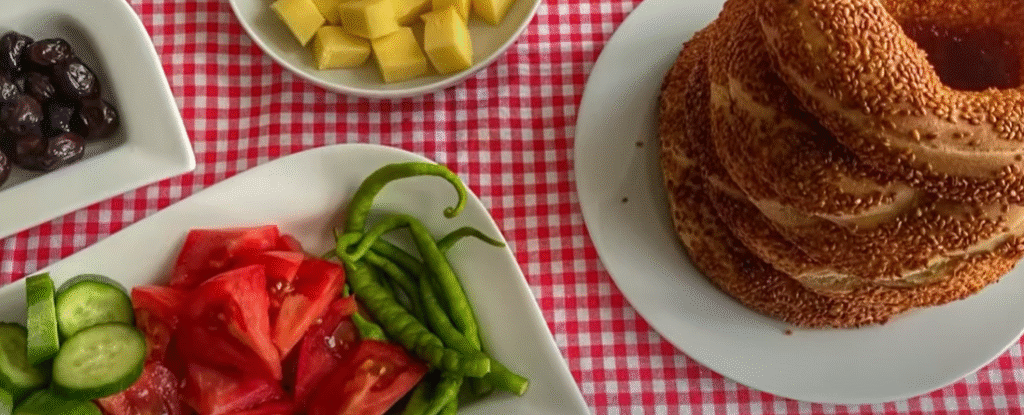
Known as “kahvaltı”, Turkish breakfast is not just a meal—it’s a ritual. It’s meant to be slow, social, and satisfying. Instead of one plate, you’re served many small dishes, creating a colorful and generous spread.
A classic Turkish breakfast typically includes:
- Fresh Bread: Usually simit (sesame-crusted rings), white bread, or warm flatbread.
- Cheeses: Like beyaz peynir (white cheese), kaşar (aged cheese), and tulum.
- Olives: Both black and green, often marinated with lemon and herbs.
- Jams & Honey: Homemade fruit preserves and thick honey, often served with clotted cream (kaymak).
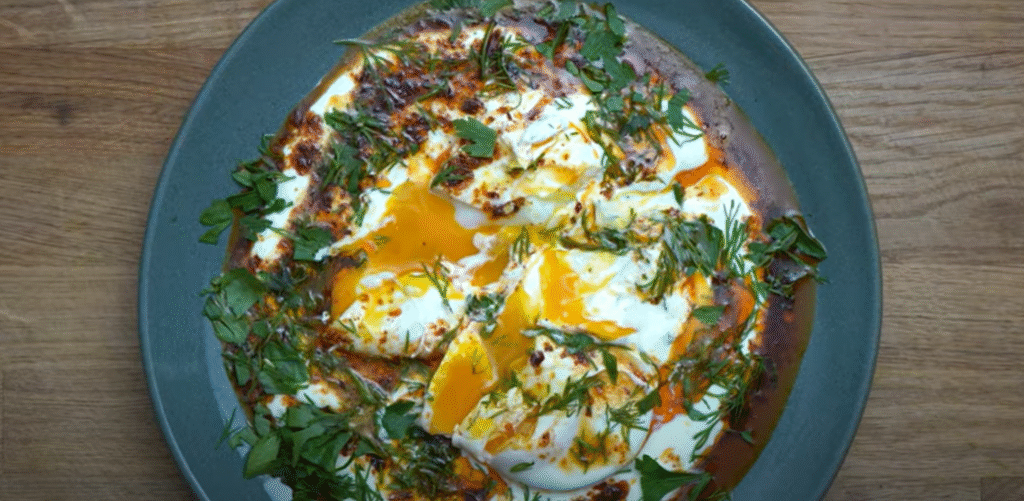
- Eggs: Either boiled, scrambled with tomatoes and peppers (menemen), or sunny-side-up with sucuk (spicy Turkish sausage).
- Vegetables: Sliced cucumbers and tomatoes drizzled with olive oil.
- Tea (çay): Always served hot in small tulip-shaped glasses—never with milk.
Where to Try It?
You’ll find the best breakfasts in local cafes, boutique hotels, and traditional village houses—especially in cities like Istanbul, Van, and Şirince.
Turkish Street Food: Quick Bites with Big Flavor
Street food in Turkey isn’t just convenient—it’s a delicious part of the country’s culinary identity. Found on every corner, especially in bustling cities like Istanbul and Izmir, these quick bites are full of rich flavor, tradition, and local character.
Simit: The Turkish Sesame Bagel
Simit is a circular bread encrusted with sesame seeds, crisp on the outside and soft inside. Often sold by street vendors from red carts, it’s a popular breakfast or snack on the go. Locals pair it with tea or cheese for a satisfying bite.
Midye Dolma: Stuffed Mussels
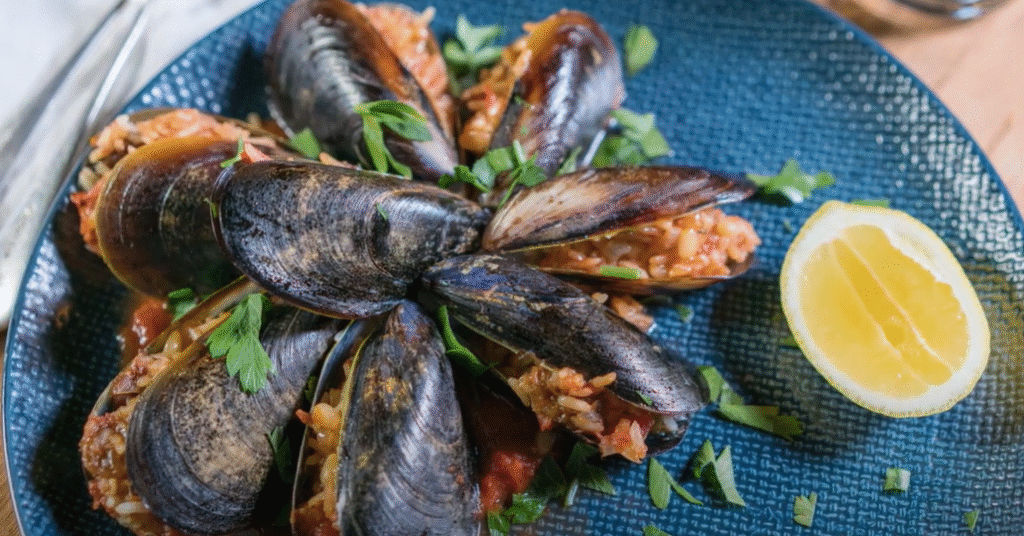
A favorite along the coast, midye dolma are mussels stuffed with herbed rice, pine nuts, and spices. Served with a squeeze of lemon, they’re often eaten standing at the vendor’s cart, one after another.
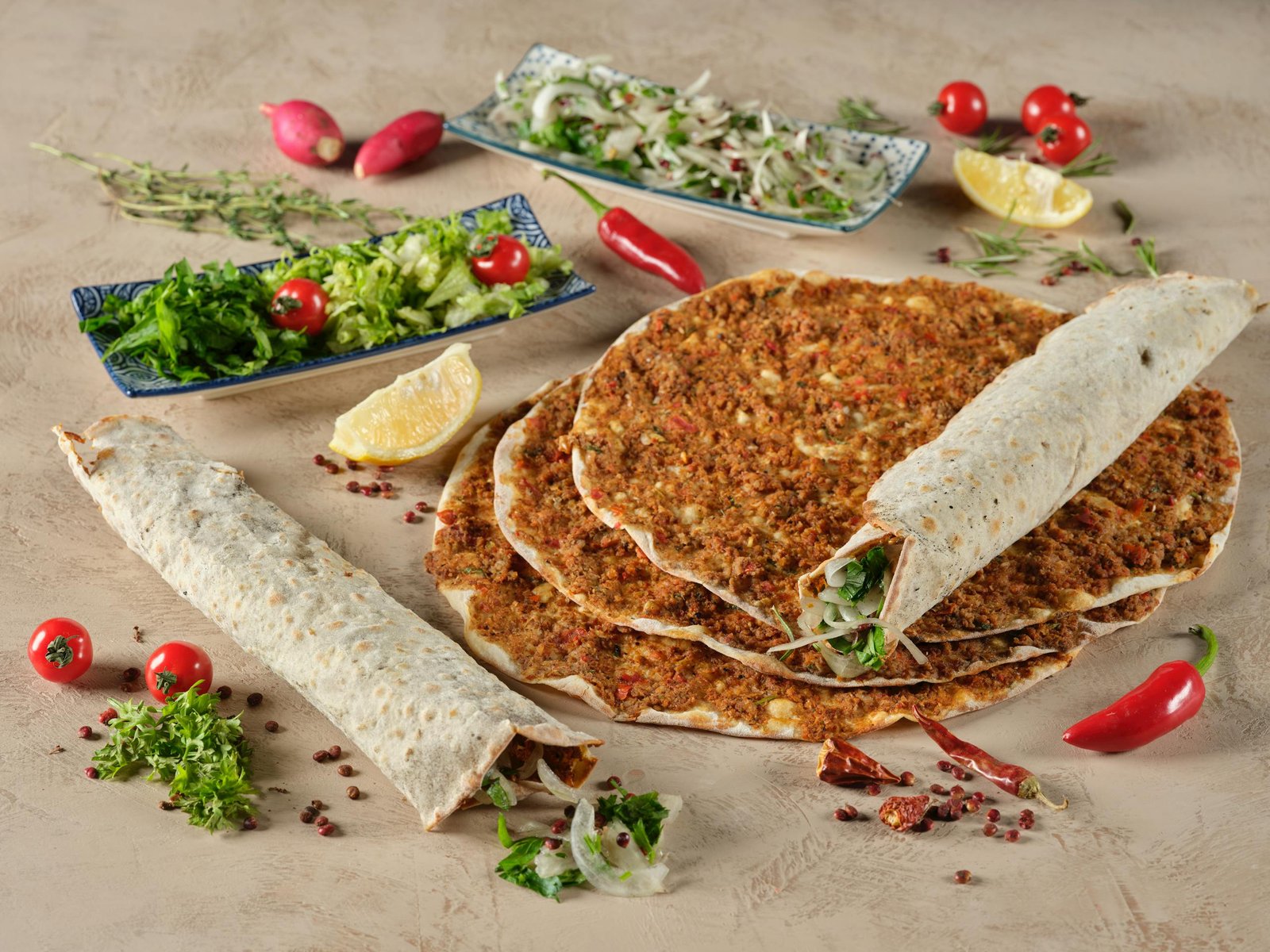
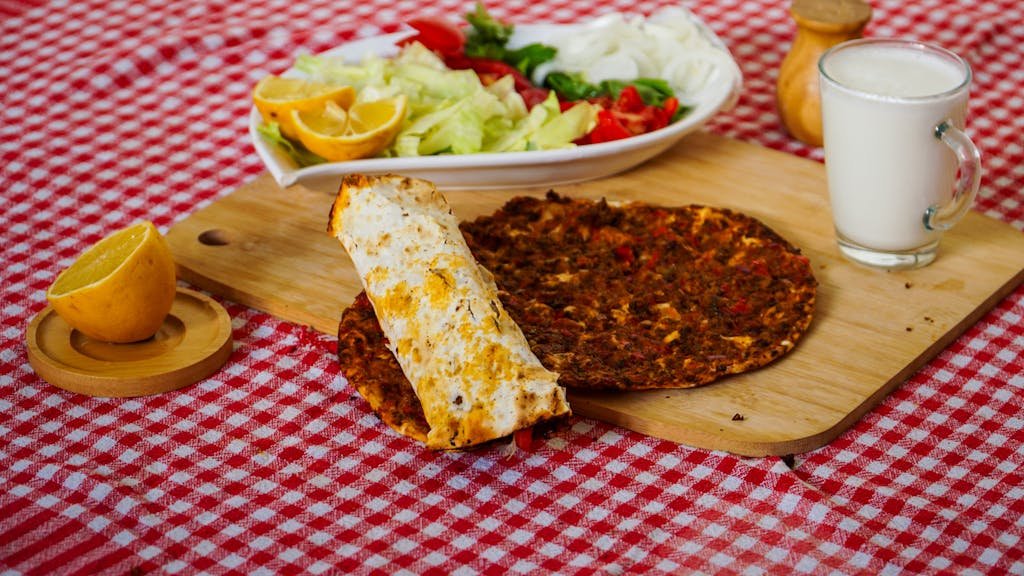
Lahmacun: Turkish Pizza
Thin, crispy dough topped with minced meat, herbs, and spices—lahmacun is rolled up with fresh greens and a splash of lemon. This spicy, savory flatbread is a staple in both homes and street food stalls.
Döner Kebab: The Classic Wrap
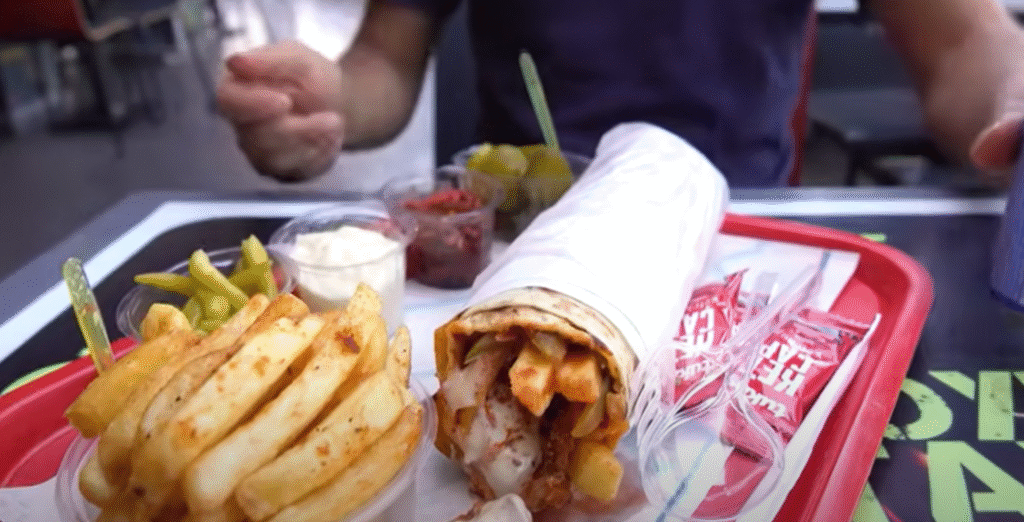
Slices of slow-roasted lamb, chicken, or beef are shaved off a vertical spit and stuffed into flatbread with vegetables and sauces. It’s fast, filling, and incredibly flavorful—one of the most beloved Turkish street foods worldwide.
Börek: Flaky and Filling
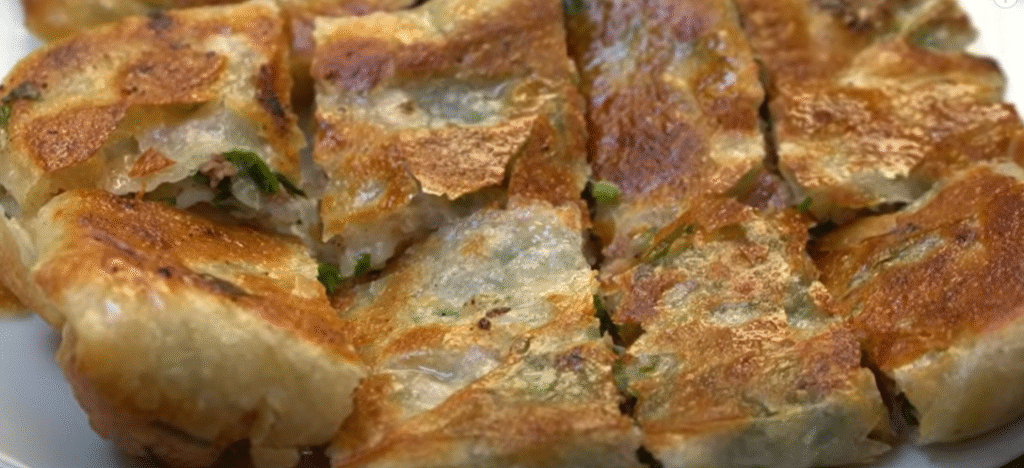
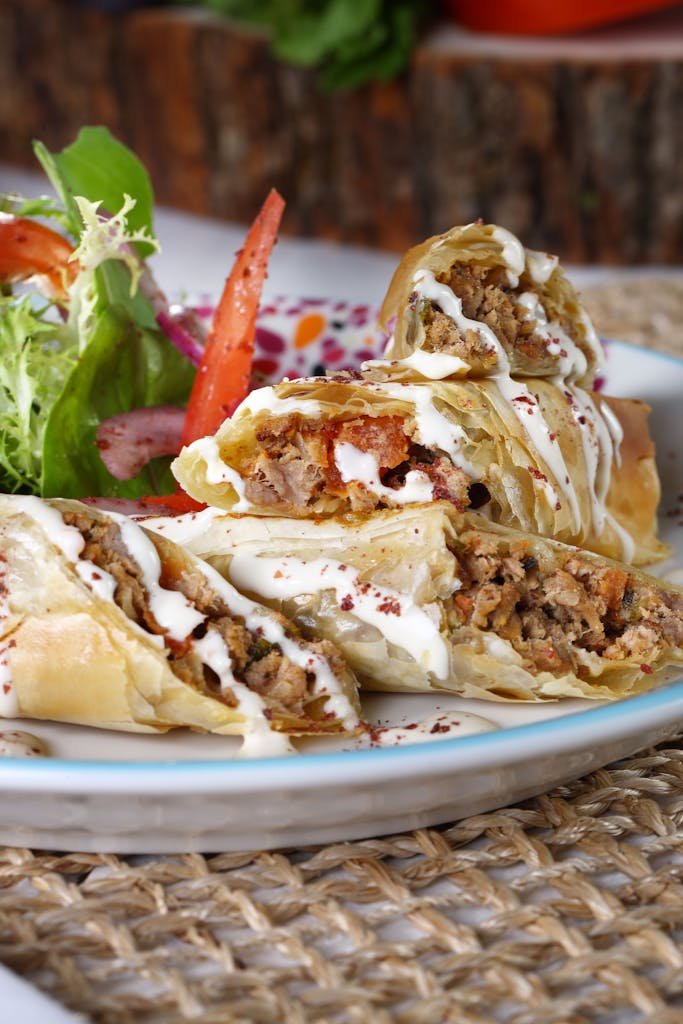
These savory pastries are made from layers of thin dough filled with cheese, potatoes, or minced meat. Börek is popular at bakeries and street vendors and makes a great snack at any time of day.
Roasted Chestnuts & Corn
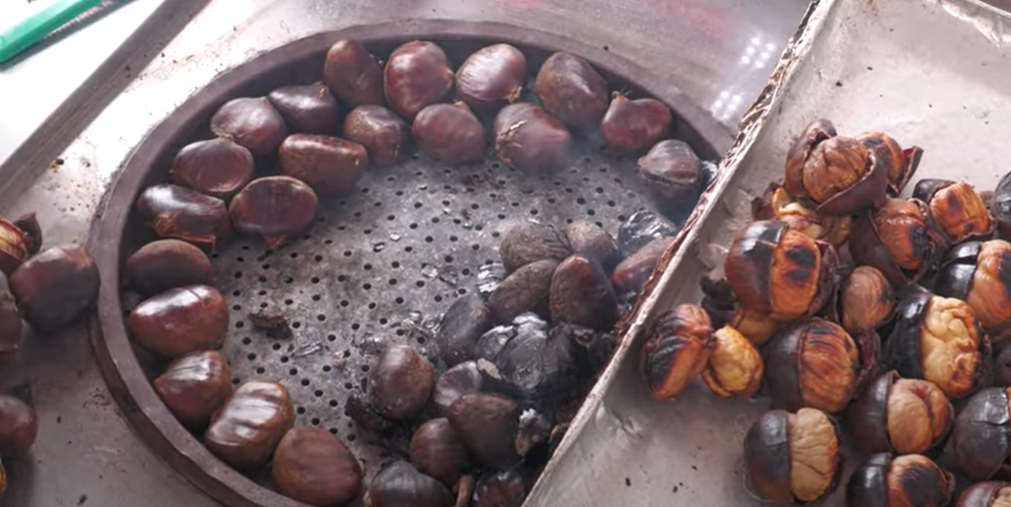
Especially common in winter, roasted chestnuts (kestane) and grilled corn on the cob (mısır) are simple, nostalgic snacks that fill the air with warm, comforting aromas.
Iconic Turkish Main Dishes
Turkish main dishes offer a rich fusion of Central Asian, Middle Eastern, Mediterranean, and Balkan flavors. Whether you’re dining at a family-run lokanta or a high-end restaurant, these iconic meals showcase the heart of Turkish cuisine.
Kebab Varieties: Beyond Just Skewers
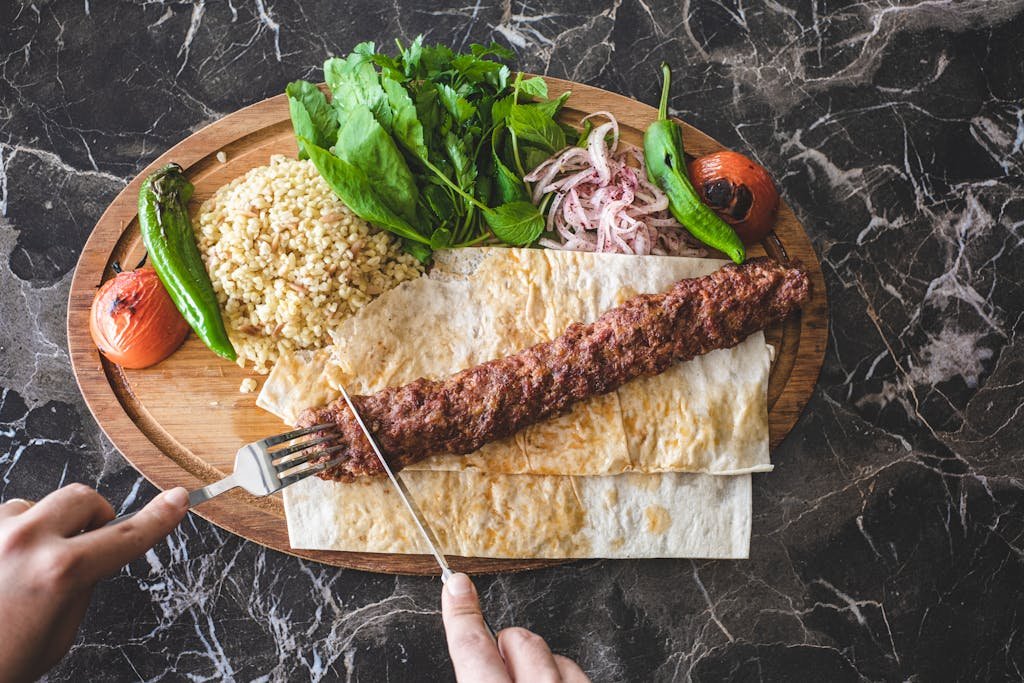
Kebabs come in many forms throughout Turkey. While shish kebab (şiş kebap) is perhaps the most familiar—grilled cubes of marinated meat—others like Adana kebab (spicy minced meat from southern Turkey) and Urfa kebab (milder version) reflect regional distinctions. Served with rice, grilled vegetables, and flatbread, kebabs are a must-try for meat lovers.
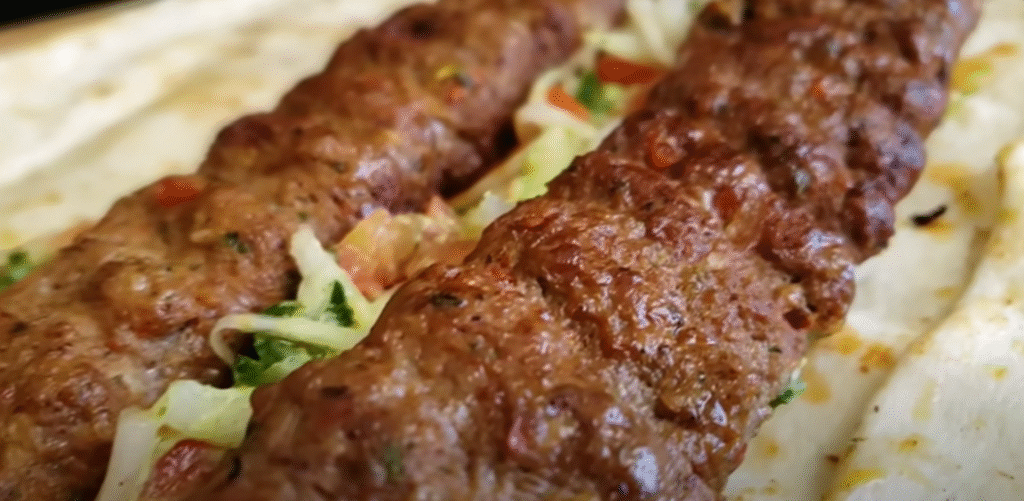
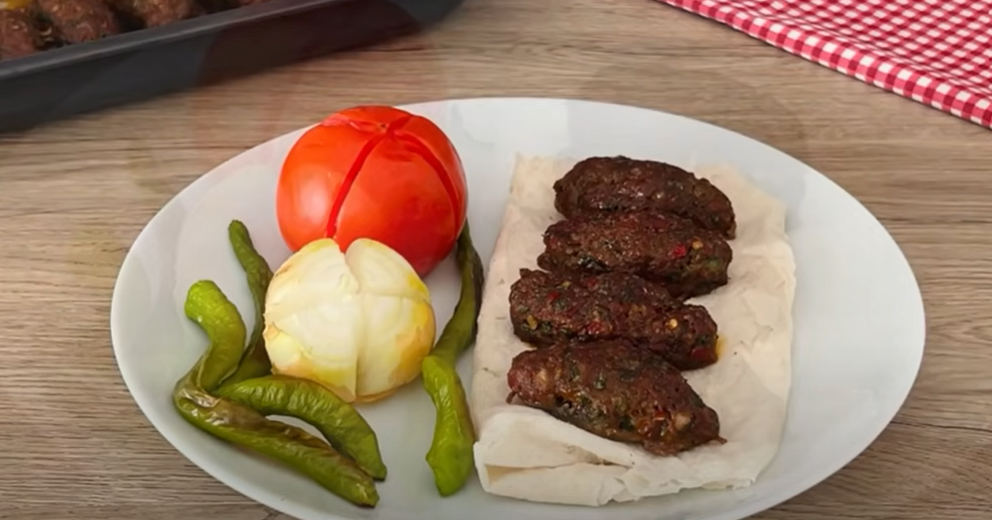
Köfte: Turkish Meatballs
Köfte are savory meatballs made from ground beef or lamb, blended with herbs and spices. Grilled, fried, or baked, they come in countless regional variations such as İnegöl köfte and Tekirdağ köfte, often served with rice or bread.
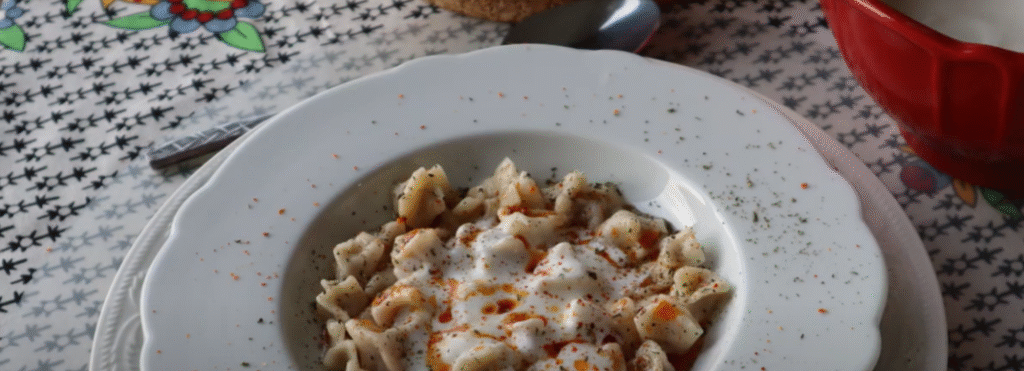
Mantı: Turkish Dumplings
Mantı are small, handmade dumplings filled with spiced meat, traditionally served with yogurt, garlic, and a drizzle of hot butter and paprika. This dish is comfort food at its finest—especially popular in central Anatolia.
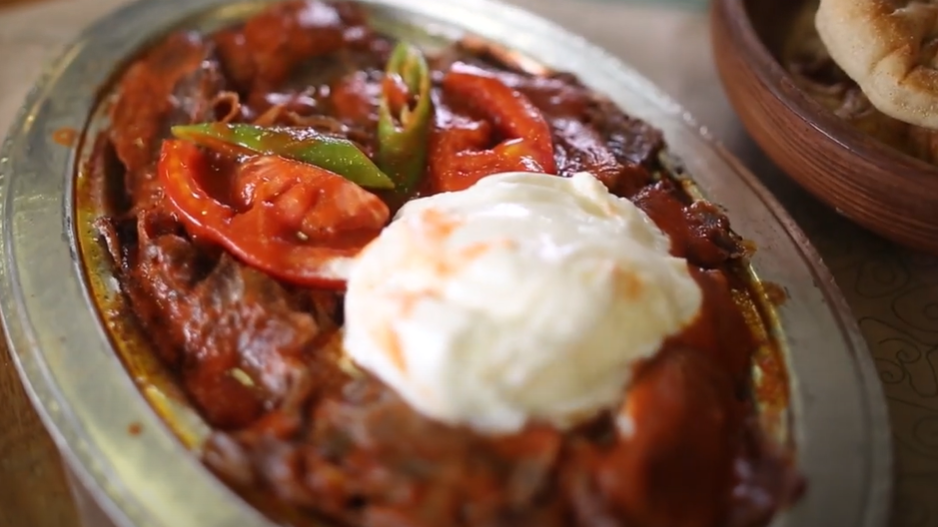
İskender Kebab: Rich and Hearty
Originating from Bursa, this dish layers döner meat over pieces of pide bread, topped with tomato sauce and melted butter, and served with yogurt on the side. İskender is a filling, flavor-packed dish that feels like a feast.
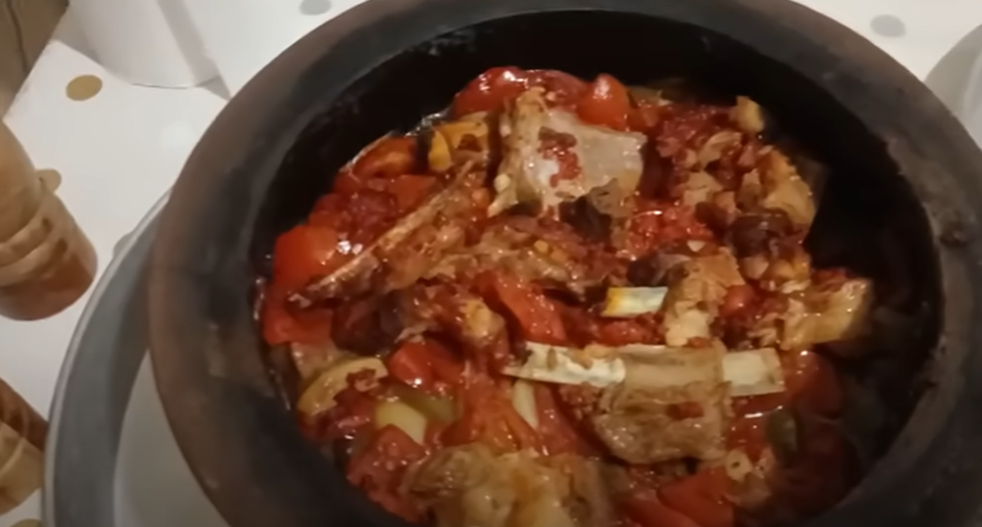
Güveç: Slow-Cooked Stews
Cooked in traditional clay pots, güveç dishes are slow-baked stews that can contain meat, vegetables, and aromatic herbs. The result is a deeply flavorful, tender meal that’s popular in both homes and countryside restaurants.
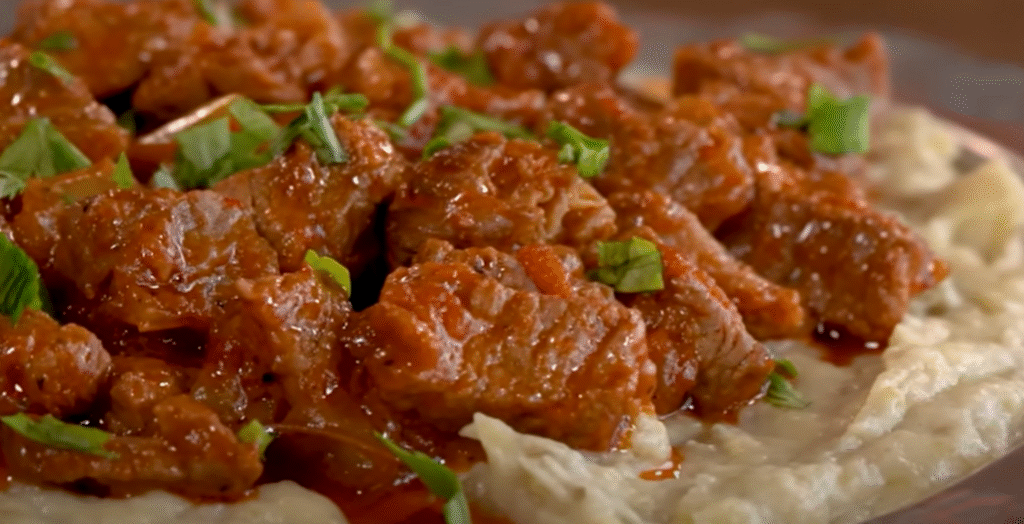
Hünkar Beğendi: Sultan’s Delight
A creamy, smoky eggplant purée topped with tender lamb stew, this Ottoman classic dates back to royal kitchens. Rich and elegant, it’s a favorite among those looking for something truly traditional.
Delicious Turkish Desserts You Must Try
No meal in Turkey is complete without indulging in one of the country’s world-renowned desserts. From sweet, syrupy treats to lighter, fruity options, Turkish desserts offer a delightful end to any meal.
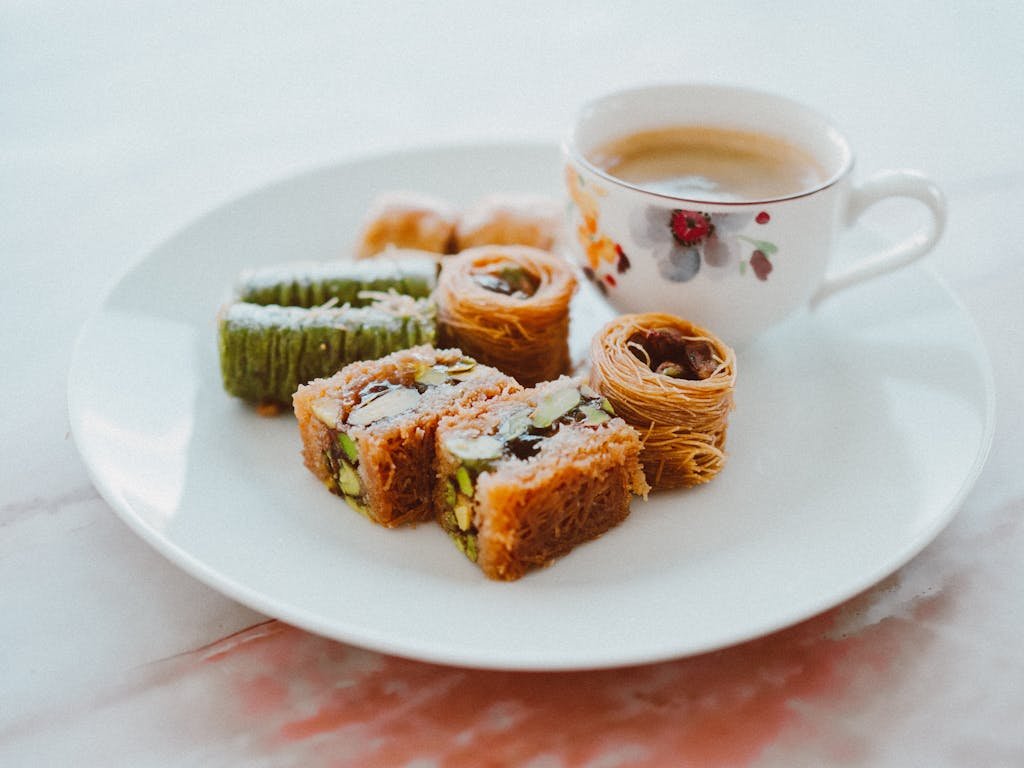
Baklava: The Golden Layers of Sweetness
Perhaps the most famous Turkish dessert, baklava consists of thin layers of filo dough, filled with crushed pistachios or walnuts, and soaked in sweet syrup or honey. The crisp layers paired with the nutty filling make it irresistible. It’s a must-try, often served with a cup of Turkish tea. One of the oldest and my favorite Baklawa Shop, Hafiz Mustafa 1864, is on İstiklal Street.
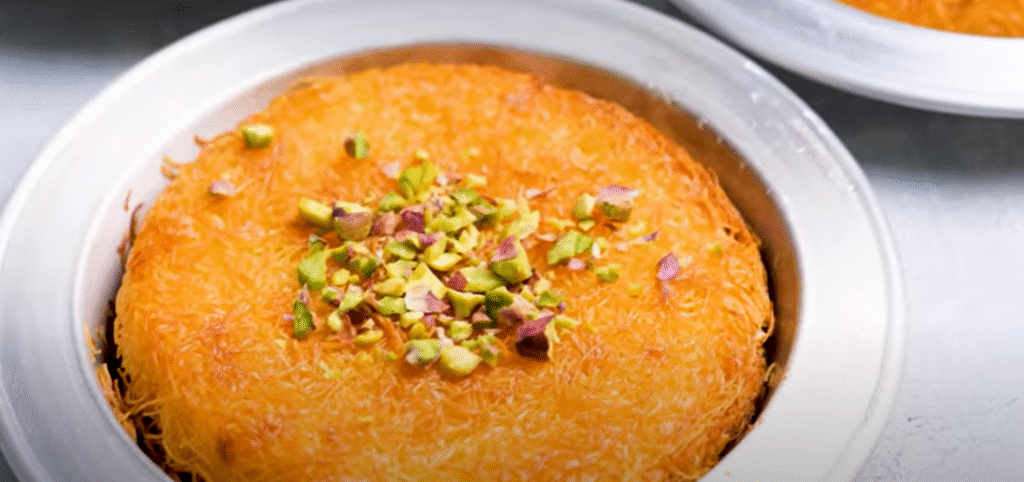
Künefe: A Cheesy Delight
Künefe is a decadent dessert made from shredded filo dough, filled with melted cheese and soaked in a fragrant syrup. Often served hot, it’s crispy on the outside and gooey on the inside, creating the perfect balance of textures.
Lokum: Turkish Delight
This iconic confection, also known as Turkish Delight, is made from sugar, starch, and various flavorings like rosewater, lemon, or pomegranate. It comes in cubes dusted with powdered sugar and can include nuts or fruits. It’s often given as a gift, and its sweet, floral taste makes it a Turkish treasure.

Sütlaç: Rice Pudding
Sütlaç is a creamy rice pudding, often flavored with vanilla and cinnamon, and baked to give it a golden top. It’s a popular dessert in homes and restaurants across Turkey and provides a comforting, smooth sweetness.

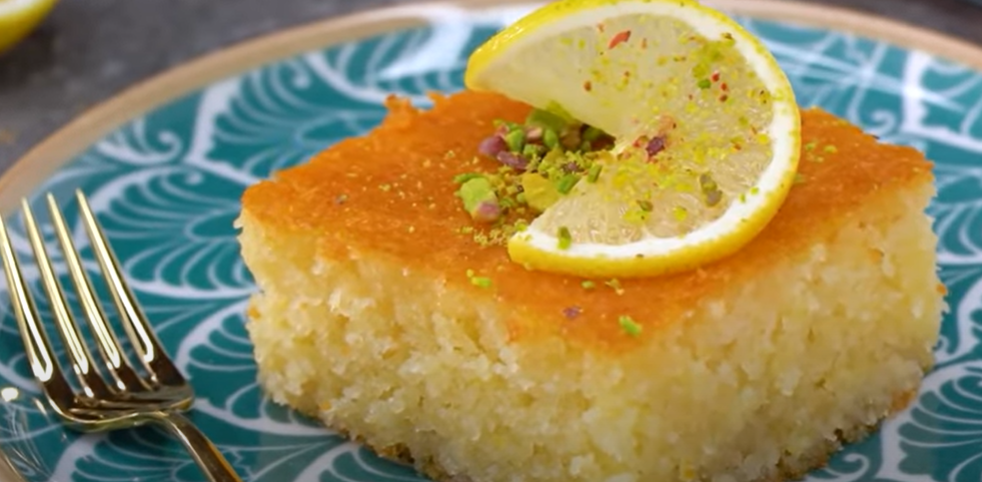
Revani: Semolina Cake
Made from semolina flour, revani is a moist, spongy cake soaked in syrup, sometimes flavored with orange or lemon zest. It’s a sweet, citrus-infused dessert that’s enjoyed across Turkey, especially during celebrations.
Ayva Tatlısı: Quince Dessert
This autumnal dessert consists of quince stewed in syrup with cloves and cinnamon, often served with a dollop of clotted cream (kaymak) on top. Its tender, fragrant qualities make it a beloved choice during the cooler months.

Regional Specialties: Food Across Different Parts of Turkey
Turkey’s diverse landscape and rich cultural history mean that regional specialties vary significantly across the country. Each region offers unique ingredients, cooking methods, and flavors, making it essential for travelers to sample local dishes while exploring.
Aegean Region: Olive Oil and Fresh Ingredients
The Aegean region is known for its use of olive oil and fresh vegetables. Zeytinyağlı dishes, like zeytinyağlı enginar (artichokes in olive oil) or zeytinyağlı fasulye (green beans), highlight the healthful Mediterranean diet. Seafood is also abundant, particularly along the coast near Izmir and Bodrum.
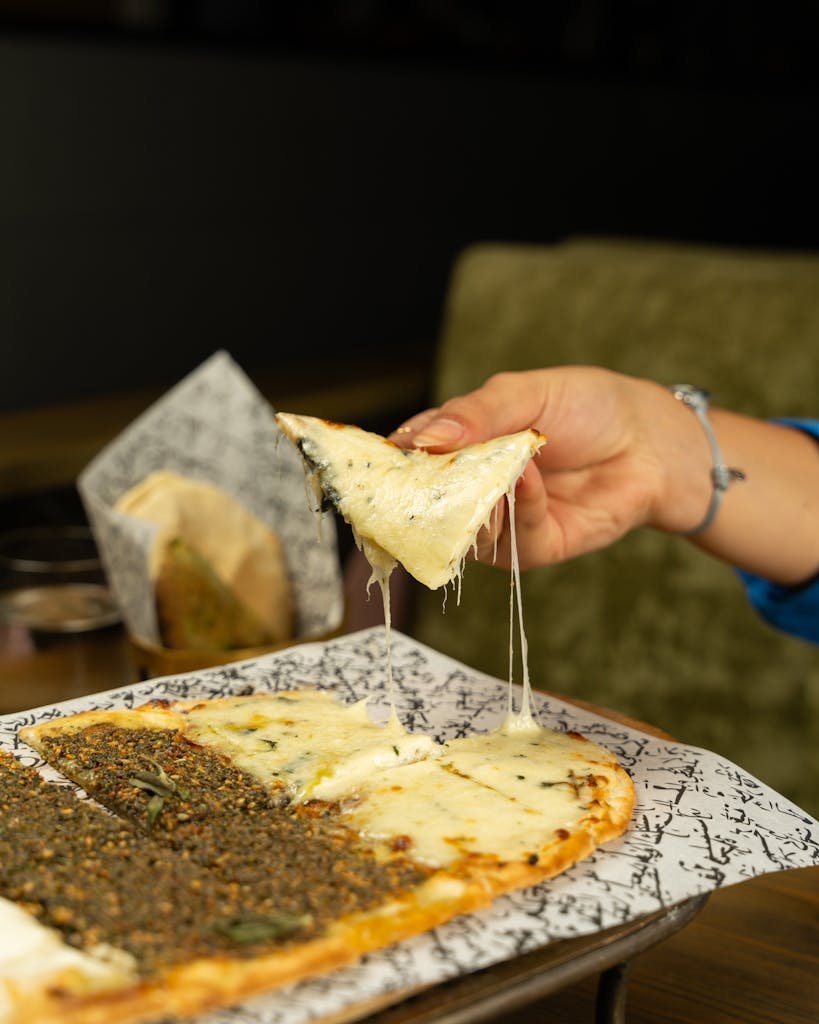
Efe Rakı, an anise-flavored drink, is often paired with fresh seafood and mezes. In the Aegean, Bodrum’s pide (Turkish pizza) topped with vegetables or lamb is a must-try.
Southeastern Anatolia: Spices and Bold Flavors
This region is famous for its spicy and flavorful dishes. Kebabs take center stage here, with varieties like Urfa kebab and Adana kebab being regional favorites. Şalgam, a fermented drink made from turnips, is another regional specialty that pairs well with rich meats.
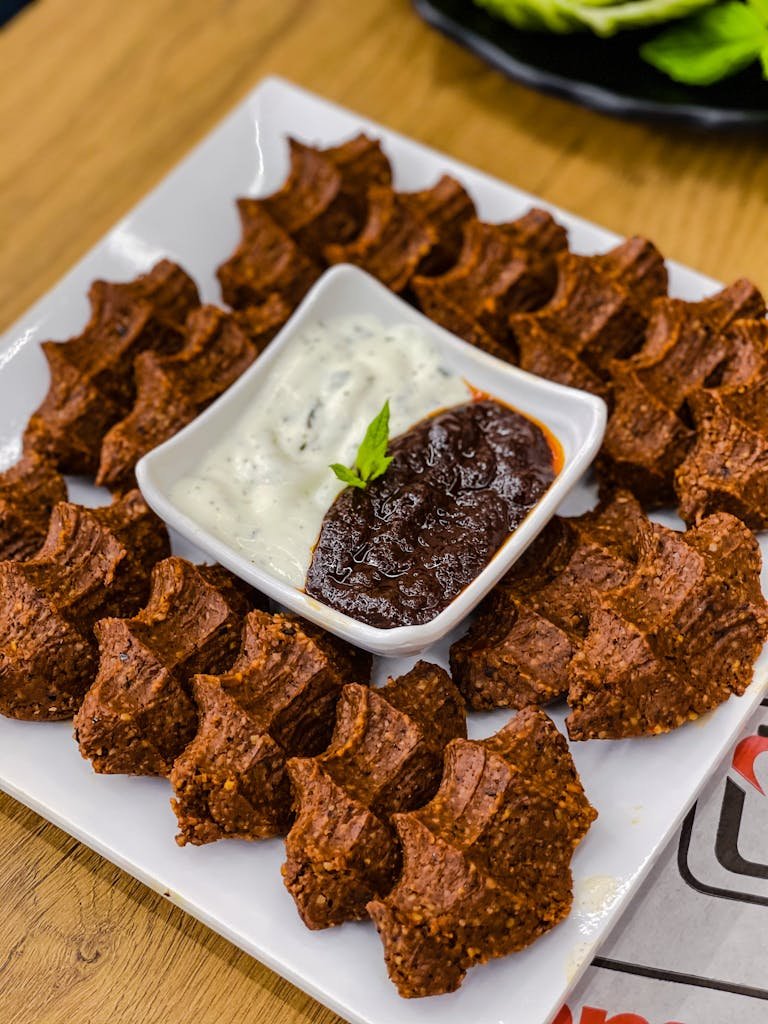
The cuisine of southeastern Anatolia also features unique dishes like beyran (a spicy lamb soup) and çiğ köfte, raw meat mixed with bulgur and spices, often served with lettuce leaves and pomegranate.
Central Anatolia: Hearty, Filling Meals
Central Anatolia is home to manti, small dumplings filled with meat, and the iconic börek. This region is known for its hearty stews and meaty dishes, like etli ekmek, a local variant of pizza from Konya that’s topped with ground meat.
İskender Kebab originates from Bursa, where döner meat is served over bread and drenched in hot tomato sauce and melted butter. It’s a rich and indulgent dish beloved across Turkey.
Black Sea Region: Fish and Corn
The Black Sea coast is characterized by its abundance of fish and corn-based dishes. Hamsi, or anchovies, is a regional favorite, often fried, baked, or used in pilaf. Kuymak, a cornmeal-based dish with cheese, butter, and cream, is a staple of the region’s hearty breakfasts.
Marmara Region: A Blend of East and West
Marmara, where Istanbul sits, is a melting pot of influences from both Europe and Asia. Dishes like kumpir (stuffed baked potatoes) and midye dolma (stuffed mussels) reflect the fusion of Ottoman and Mediterranean flavors. The region’s simit, a sesame-encrusted bread, is a popular snack, and börek can be found in nearly every corner.
Drinks That Pair Perfectly with Turkish Food
No Turkish meal is complete without a refreshing drink to accompany it. From traditional teas to world-famous beverages, Turkish drinks enhance the dining experience and are a vital part of the country’s food culture.
Turkish Tea (Çay)
The cornerstone of Turkish hospitality, çay (Turkish tea) is typically served in small tulip-shaped glasses. Tea is enjoyed throughout the day, particularly after meals, and pairs perfectly with a variety of sweet or savory snacks, such as simit (sesame bread) or baklava. The tea is strong and served without milk, with sugar on the side for those who prefer it sweet.

Ayran: The Creamy Yogurt Drink
Ayran is a refreshing, tangy yogurt-based drink mixed with water and a pinch of salt. It’s the perfect complement to grilled meats, kebabs, and other savory dishes. Ayran is commonly consumed with meals, especially during the hot summer months, to help balance the spice and richness of Turkish cuisine.
Raki: The Anise-Flavored Spirit
Often referred to as Lion’s Milk, raki is Turkey’s national alcoholic drink. Made from distilled grapes and flavored with anise, this drink is typically served with seafood or meze dishes. Raki is enjoyed slowly, often in a social setting, with friends and family, and is traditionally served with a glass of water and ice. The water turns the drink a milky white, adding to its mystique.

Turkish Coffee
Turkish coffee is a symbol of the country’s culture and history. Prepared by boiling finely ground coffee beans with water and sugar, Turkish coffee is strong, rich, and thick. It’s typically served with a small glass of water to cleanse the palate and a piece of Turkish delight on the side. It’s often enjoyed after meals or during social gatherings.
Fresh Juices: Nature’s Sweetness
Turkey offers a variety of fresh fruit juices, made from local fruits such as pomegranate, orange, and watermelon. These juices are often served cold, refreshing, and naturally sweet, making them perfect for a warm afternoon. Nar ekşisi, or pomegranate syrup, is often drizzled over dishes or used to make drinks, adding a tangy depth of flavor.
Boza: A Traditional Fermented Drink
Boza is a slightly fermented beverage made from wheat or millet and flavored with spices. It has a creamy texture and a sweet-tart taste that is often enjoyed in the winter months. It’s particularly popular in cities like Istanbul and can be found at small street vendors, where it is served with a sprinkle of cinnamon.
Tips for Food Lovers Traveling in Turkey
Exploring Turkish cuisine is an exciting journey, and knowing a few tips can enhance your dining experience. From local customs to best practices for ordering, these suggestions will help you enjoy Turkey’s food scene to the fullest.
1. Don’t Be Afraid to Try Street Food
Turkey is home to an incredible array of street food, and it’s some of the best you’ll find. Whether it’s simit (sesame bread), kebabs, or balık ekmek (fish sandwiches), street food offers an authentic taste of Turkish life. Look for busy vendors, as they’re usually the ones serving the freshest, most delicious snacks.
2. Learn Basic Turkish Food Terms
While many Turks speak English, especially in tourist areas, learning a few basic Turkish phrases can go a long way. Try using simple phrases like “Bir porsiyon” (one portion) or “Afiyet olsun” (bon appétit). This shows respect for the culture and can sometimes lead to friendly interactions with locals.
3. Don’t Miss Meze
Meze is an essential part of Turkish dining. These small plates of appetizers range from tangy dips like hummus and haydari (yogurt with herbs) to dolma (stuffed grape leaves). Order a variety of meze to share with friends or family, and experience the full range of Turkish flavors.
4. Eat Like a Local
Turkish meals are often long and communal, with many dishes shared among the table. Don’t rush—enjoy the slow pace of dining and savor the flavors. Turkish meals are about more than just food; they’re an opportunity for socializing and bonding.
5. Try Regional Specialties
As mentioned earlier, Turkey is a country of diverse regional cuisines. If you’re traveling in different parts of Turkey, make sure to sample local specialties. For example, Bursa is famous for its İskender kebab, while Gaziantep is known for its rich baklava. Regional dishes are a must for a complete Turkish culinary experience.
6. Visit Local Markets
Turkish markets (known as bazaars) are a food lover’s paradise. You’ll find fresh spices, nuts, cheeses, olives, and more. The Grand Bazaar in Istanbul is a must-visit for its vibrant food stalls, and smaller markets throughout Turkey offer great opportunities to buy unique ingredients to take home.
7. Be Prepared for the Portions
Turkish portions are often larger than you might expect, especially when ordering main dishes. If you’re not sure whether you can finish your meal, ask for a smaller portion or share with a friend. Don’t worry; leftovers are a common part of Turkish dining, and you can always take food home.
8. End Your Meal with Turkish Coffee or Tea
Many meals in Turkey end with a cup of Turkish tea or a Turkish coffee. Don’t rush out of the restaurant right after finishing your meal—enjoy the coffee or tea, chat with friends, and take in the atmosphere. It’s the perfect way to cap off a satisfying meal.
Lastly, Turkish Cuisine as a Cultural Experience
Turkish food is far more than just a culinary experience—it’s an invitation to immerse yourself in the rich culture, history, and warmth of the Turkish people. Every dish tells a story, from the ancient influences of the Ottoman Empire to the modern innovations of today’s chefs. Whether you’re enjoying a simple street snack or dining at a fine restaurant, Turkish cuisine reflects the country’s diverse landscapes, traditions, and the spirit of hospitality.