

Your Complete Guide to Airports in Saudi Arabia: What to Expect, Tips, and Cultural Insights
If you’re planning a trip to Saudi Arabia, one of the first things you’ll need to figure out is the airport situation.
Don’t worry, I’ve got you covered.
Whether you’re landing in Riyadh, Jeddah, or Dammam, this guide will walk you through what to expect at the airports in Saudi Arabia. I’ll also sprinkle in cultural tips, my personal experiences, and a few things you won’t find in typical travel guides.
I remember my first time flying into Riyadh, I had no idea there’d be Arabic coffee offered at the arrivals hall, or that prayer calls echoed softly throughout the terminals. These small moments made my trip memorable, and I want the same for you.
So, let’s dive into everything you need to know before you land.
Before you plan your itinerary, check out my complete Saudi Arabia travel guide.
An Introduction to Saudi Arabia
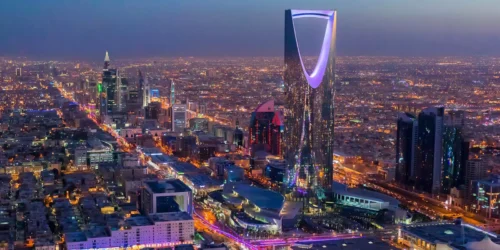
Saudi Arabia isn’t just the land of deserts and dates. It’s a fascinating blend of tradition and modernity. From the high-rises of Riyadh to the spiritual heart of Makkah and the coastal charm of Jeddah, this country welcomes visitors with open arms and genuine hospitality.
Tourism in Saudi Arabia has skyrocketed since the launch of the eVisa system. Travelers now come for everything from ancient heritage sites like AlUla to shopping in futuristic malls. And, of course, every adventure starts (or ends) at one of the country’s bustling airports.
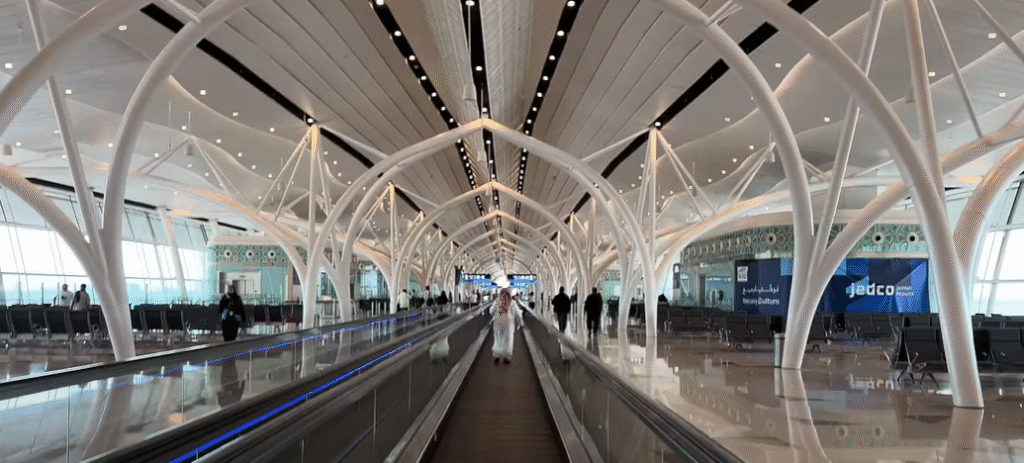
Overview of Major Airports in Saudi Arabia
Saudi Arabia has a well-developed network of airports that welcome millions of travelers every year. Whether you’re flying in for Umrah, business, or just to explore the Kingdom’s rich culture, your journey likely starts at one of these major airports in Saudi Arabia.
Let me walk you through the ones you’ll most likely use, and what makes each one unique.
King Khalid International Airport (Riyadh)
As we just covered earlier, this is the main airport serving the capital city, Riyadh. It’s modern, spacious, and has a calm, well-organized vibe.
The airport may not be as big as Dubai Airport or Qatar Airport, but you may still get tired(I did).
You’ll find helpful signage, clean facilities, and a great mix of local culture and global brands. It’s the best airport to fly into if you’re heading to central or northern Saudi Arabia.
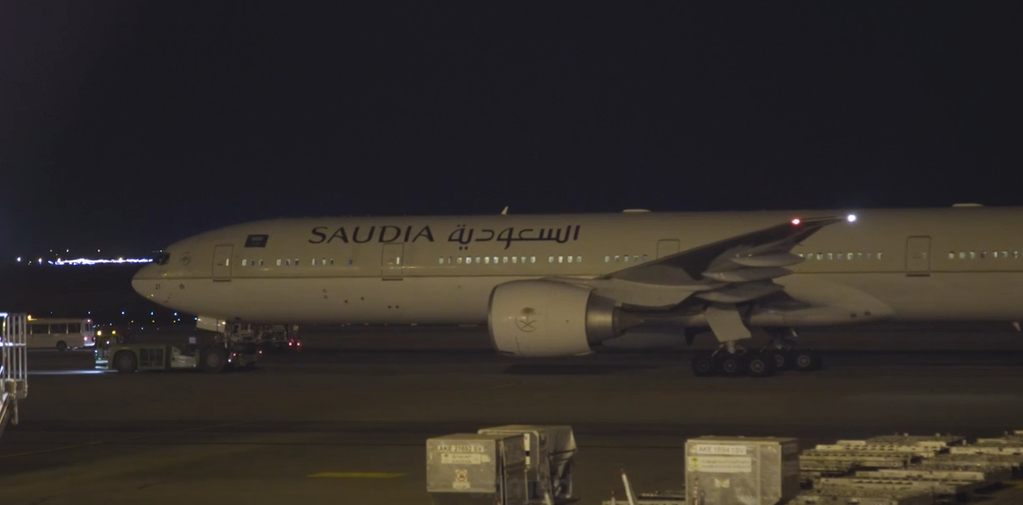
King Abdulaziz International Airport (Jeddah)
This is the gateway to Makkah and Madinah, especially for Umrah and Hajj pilgrims. Located along the Red Sea coast, Jeddah’s airport recently opened a stunning new terminal (Terminal 1), one of the largest in the world.
If you’re flying with Saudia, Emirates, or Turkish Airlines, chances are you’ll land here. The airport has a strong coastal feel, you can sense the humidity the moment you land.
Inside, it’s sleek and modern, with lounges, food courts, and even a train station that connects directly to Makkah.
Pilgrim Tip: If you’re arriving for Umrah, look for the dedicated Hajj terminal, which operates seasonally.
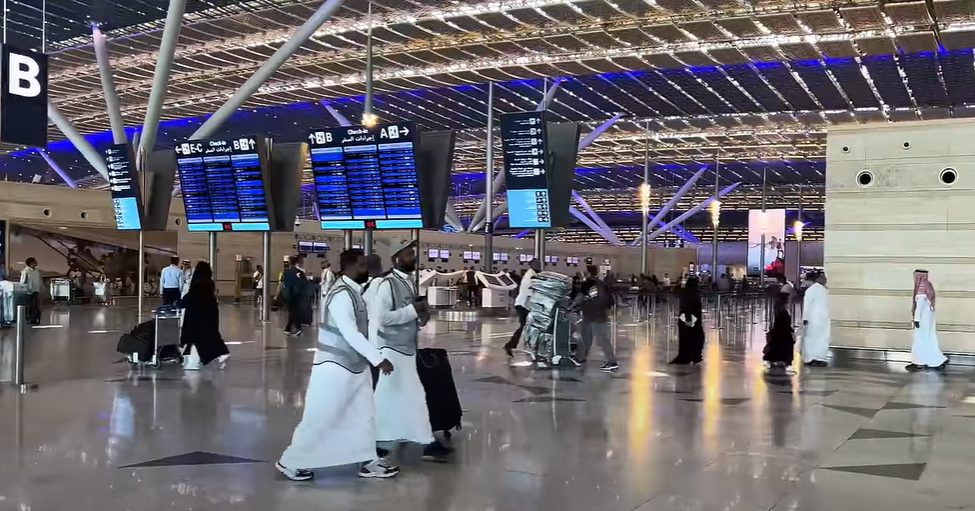
King Fahd International Airport (Dammam)
This is the largest airport in the world by area (yes, you read that right), located in the Eastern Province. It’s less busy than Riyadh or Jeddah but still offers smooth service and modern amenities.
Dammam’s airport is ideal if you’re heading to cities like Khobar, Dhahran, or Jubail, especially for work trips in the oil and gas industry.
One thing I loved about Dammam Airport is how quiet and efficient it is, no long queues, plenty of space, and super clean restrooms (a detail travelers will appreciate!).
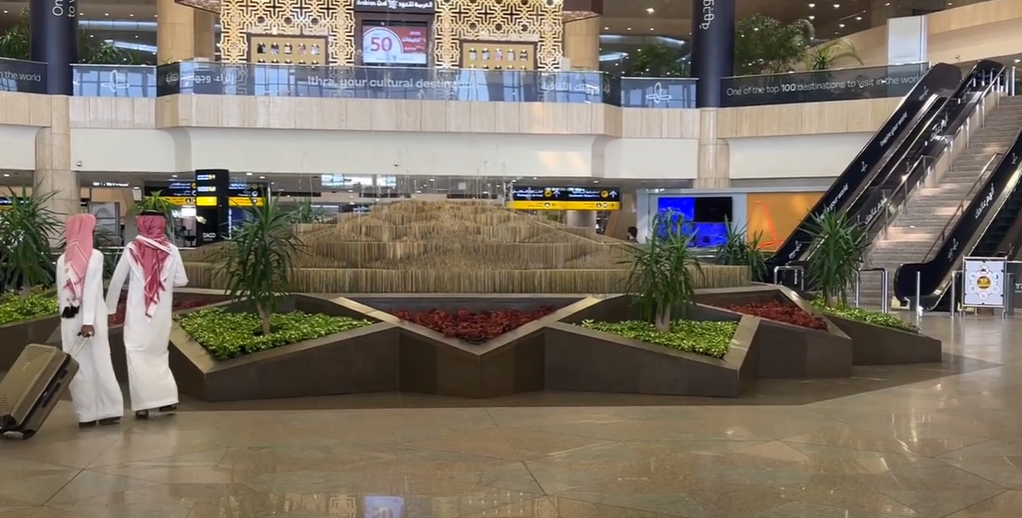
Other Domestic Airports You Might Use
If you plan to explore more of Saudi Arabia, and I highly recommend you do, chances are you’ll pass through one or two domestic airports in Saudi Arabia. Here are a few you should know about:
- Prince Mohammad bin Abdulaziz Airport (Medina): Beautiful design, especially the interior reflecting Islamic architecture. Perfect for spiritual travelers.
- Abha International Airport: Nestled in the mountains of Asir Province. It’s small but scenic and connects to nature-rich areas.
- Tabuk, Taif, AlUla, and Najran Airports :These serve northern and southern regions. Flights are frequent, affordable, and time-saving.
Domestic travel is easy and often cheaper than you’d expect, especially if you book early with Saudia, flynas, or flyadeal.
Riyadh Airport at a Glance
King Khalid International Airport (RUH) is where many international visitors first set foot in Saudi Arabia. Located about 35 kilometers north of central Riyadh, this airport gives you a taste of modern Saudi hospitality right from the start.
Terminals, Amenities & Services
Riyadh Airport has five passenger terminals, but most international flights operate from Terminal 1 and Terminal 2. Domestic flights use Terminal 5, which is newer and spacious.
Once you’re off the plane, you’ll notice how clean and organized the airport is. There are plenty of seating areas, free Wi-Fi, currency exchange counters, ATMs, and duty-free shops.
You can grab a bite at local and international food spots, think Starbucks, AlBaik, and Arabic shawarma stalls. Prayer rooms are available near every gate, and signage in both Arabic and English makes it easy to get around.
If you’re on a layover or waiting for a domestic connection, the Airport Hotel and sleep pods are worth considering in all airports in Saudi Arabia.
Cultural Elements Inside the Airport
What sets Riyadh Airport apart is how deeply it reflects Saudi culture.
You’ll see travelers offering dates and Arabic coffee in traditional dallah pots. These aren’t just snacks, they’re symbols of Saudi hospitality. You might also hear the adhan (Islamic call to prayer) echoing across the terminal. It’s calming and adds to the sense of place.
There’s even a small museum-style installation in the arrivals section with photos of the Kingdom’s historical moments.
Tip: Dress modestly when you land. Even though travelers from all cultures are welcome, dressing respectfully goes a long way.
Transport Options from Riyadh Airport
Getting from the airport to the city is straightforward.
- Uber and Careem (Saudi’s ride-hailing app) are available right outside arrivals.
- Airport taxis are reliable and regulated, just look for the official taxi sign.
- If you’re renting a car, most international rental brands are located at the parking level.
- Riyadh Metro is still expanding, but currently, your best bet is road transport.
Pro Tip: The ride into central Riyadh can take 30–45 minutes depending on traffic. Try to avoid rush hours (especially after 5 PM).
Tips for First-Time Visitors
- Have your eVisa printed just in case. Immigration officers may ask for both digital and hard copies.
- SIM cards are easy to grab at the airport. STC, Mobily, and Zain all have booths in almost all airports in Saudi Arabia.
- Customs checks are thorough. Avoid carrying items like alcohol, pork products, or religious texts other than Islamic ones.
- Women travelers don’t need to wear an abaya, but it’s appreciated if clothing is modest and respectful.
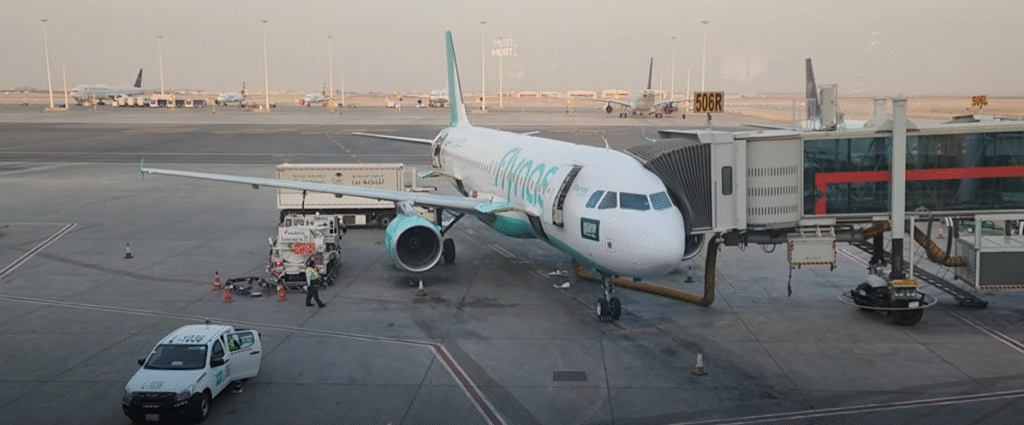
What to Expect at Airports in Saudi Arabia?
Landing in Saudi Arabia for the first time can feel like stepping into a new world, in the best way possible. The air smells slightly different, the call to prayer floats through the airport speakers, and the people are kind but reserved.
If you know what to expect ahead of time, your arrival will feel smooth and welcoming.
Here’s what you should know right after stepping off the plane:
Immigration and Visa on Arrival
If you’re eligible for an eVisa or visa on arrival, the process is usually quick, especially in Riyadh and Jeddah. Just make sure you:
- Have your eVisa printed out and saved digitally
- Carry hotel booking details and return ticket info
- Know the address of your accommodation
Immigration officers are polite but formal. A smile and a respectful tone go a long way. They may ask a few questions about your purpose of visit, so answer simply and honestly.
Tip: Avoid taking photos in the immigration area in airports in Saudi Arabia. It’s not allowed, and security is strict.
Customs and Baggage Collection
After immigration, you’ll head to baggage claim in all Airports in Saudi Arabia(like the rest of the world’s airports;).
Everything is clearly marked in Arabic and English, so no worries there. While you wait, look out for free trolleys, which come in handy if you’re carrying a lot.
Saudi customs are strict, make sure you’re not bringing in:
- Alcohol
- Pork or pork products
- Religious materials (other than Islamic ones)
- Drones (without a special permit)
Most travelers pass through without issues, but random checks do happen.
If you are wandering about the dress code, here is what to wear in Saudi Arabia.
Essential Things to Sort at the Airports in Saudi Arabia
Before you leave the airports in Saudi Arabia, here are 3 things you should do:
- Get a SIM card: STC, Zain, and Mobily have counters right after baggage claim. They offer tourist packages with data and calls.
- Withdraw or exchange money: Saudi Riyal (SAR) is the currency. ATMs are everywhere, but I recommend exchanging a small amount at the airport if you prefer cash.
- Book transport: Download Careem or Uber, or grab a taxi from the designated stand.
Domestic Travel in Saudi Arabia
Saudi Arabia is a big country, and I mean really big. Once you arrive, chances are you’ll want to explore beyond your landing city. Thankfully, getting around in Saudi Arabia is easier than you might expect.
Whether you’re heading to the mountains of Abha, the heritage sites in AlUla, or the coasts of the Red Sea, you’ve got options.
Flying Between Cities
The most convenient way to travel long distances in Saudi is by air. The country’s domestic flight network is excellent, with daily connections between major and smaller cities.
Top domestic airlines:
- Saudia (national carrier, full service)
- flynas (low-cost, very reliable)
- flyadeal (low-cost, budget-friendly)
Booking is easy, use local apps, airline websites, or global booking platforms. Flights are generally on time, and airport security is smooth, though you should still arrive at least 90 minutes before departure.
Tip: Prices are lowest if you book at least a week in advance. And yes, baggage policies differ, so double-check!
Luggage and Airport Transfers
For most domestic flights, you’re allowed one checked bag and one carry-on, but this depends on the airline and ticket type. If you’re connecting internationally, confirm the rules beforehand to avoid surprises.
Airport taxis and ride-hailing apps are available in all major cities and work just as smoothly as in Riyadh or Jeddah.
6 essential insights About Airports in Saudi Arabia
Airports in Saudi Arabia are more than just transit hubs; they’re quiet reflections of the country’s values, traditions, and deeply rooted hospitality. As a traveler, noticing these small cultural touches can turn a simple layover or arrival into something memorable.
Here’s what you’ll want to know (and appreciate!) about airport etiquette in the Kingdom.
1. Arabic Coffee and Dates, A Gesture of Hospitality
You might see free Arabic coffee stations in certain terminals, especially in Riyadh and Jeddah airports in Saudi Arabia. They’re often paired with fresh dates and a warm smile.
This is more than just a snack. It’s a centuries-old custom of welcoming guests.
If someone offers you a small cup of coffee in a golden pot (called a dallah), take it with your right hand and gently shake it side to side when you’re done to indicate “no more.”
2. The Adhan (Call to Prayer) Inside Airports
One of the most calming moments you’ll experience is hearing the adhan (Islamic call to prayer) over the airport speakers. It’s soft, melodic, and a reminder that life here pauses for spiritual moments.
You’ll notice some shops close briefly during prayer times. There are also prayer rooms (called musallas) throughout the terminals, they’re clean, quiet, and used regularly by travelers and staff alike.
Even if you’re not religious, it’s a beautiful moment to pause and absorb the atmosphere in Airports in Saudi Arabia.
3. Gender-Specific & Family Areas
Saudi Arabia values privacy and family space. That’s why some areas in airports in Saudi Arabia, like seating lounges, waiting rooms, or taxi queues, may be labeled “Families Only” or “Men Only”.
This isn’t to exclude anyone, it’s meant to create comfort for everyone, especially families and women traveling alone.
Don’t stress, if you’re unsure, just ask any airport staff, and they’ll guide you kindly.
4. Greetings and Social Cues
Saudi culture is polite and warm, but also reserved in public. Don’t expect loud conversations or rushing crowds even in airports in Saudi Arabia. People speak softly and move calmly, especially in airports.
A few friendly Arabic words can go a long way:
- Salam Alaikum = Peace be upon you (hello)
- Shukran = Thank you
- Afwan = You’re welcome / excuse me
Most airport staff speak English, but a smile and a soft tone will always be appreciated.
5. Cleanliness is a Big Deal
Saudi airports are incredibly clean, and cleanliness is highly valued in Saudi culture. You’ll find attendants cleaning frequently, and washrooms and prayer areas are spotless.
Respect this by keeping your space tidy and avoiding eating messy foods or leaving trash behind.
6. Personal Space and Queues
Saudi travelers respect queues, especially in immigration and customs. But at baggage claim or exit points, things might feel a little more fluid.
Don’t panic if people gather closely, it’s not rudeness, just a different rhythm of movement.
Visiting Saudi Arabia is more than just a trip, it’s a journey into a culture that’s both ancient and evolving, deeply spiritual yet warmly modern. And it all begins the moment you land at one of its airports.
Whether you’re arriving at Riyadh’s sleek King Khalid Airport, Jeddah’s stunning coastal terminal, or Dammam’s quiet, spacious hub, you’ll immediately notice the calm, hospitality, and cultural pride in all Airports in Saudi Arabia that defines the Kingdom.
If there’s one thing I’ve learned from traveling through Saudi airports, it’s this: take it slow, stay open, and appreciate the details, the Arabic call to prayer, the coffee offered with a smile, the spotless prayer rooms, and the kindness of strangers who may not speak your language but will still try to help.
So pack light, land ready, and don’t just pass through the airport, let it introduce you to Saudi Arabia in the most authentic way possible.
I hope this guide helps you feel a little more prepared and a lot more excited for your trip. If you have any questions or personal experiences to share, drop them in the comments below, I’d love to hear from you!
Safe travels!