


10 Must try Japanese food dishes: Food in Japan
Before I ever set foot in Japan, I knew I’d be amazed by the temples, the cherry blossoms, and the high-speed trains. But what truly stayed with me long after I left was something deeper, the Japanese food.
Japanese cuisine isn’t just about eating, it’s an experience layered with tradition, respect, artistry, and seasonality. Whether you’re sitting at a sushi counter in Tokyo, grabbing takoyaki from a street cart in Osaka, or sipping miso soup in a quiet Kyoto inn, food in Japan connects you to its culture in a way that’s both intimate and unforgettable.
In this complete Japanese food guide, I’ll walk you through everything I’ve learned and tasted on my journey through Japan. From must-try Japanese food dishes to hidden local gems, from street food stalls to elegant regional specialties.
Let’s dig in!
Must Try Japanese Food Dishes
Here are the must-try Japanese foods that made my trip truly delicious.
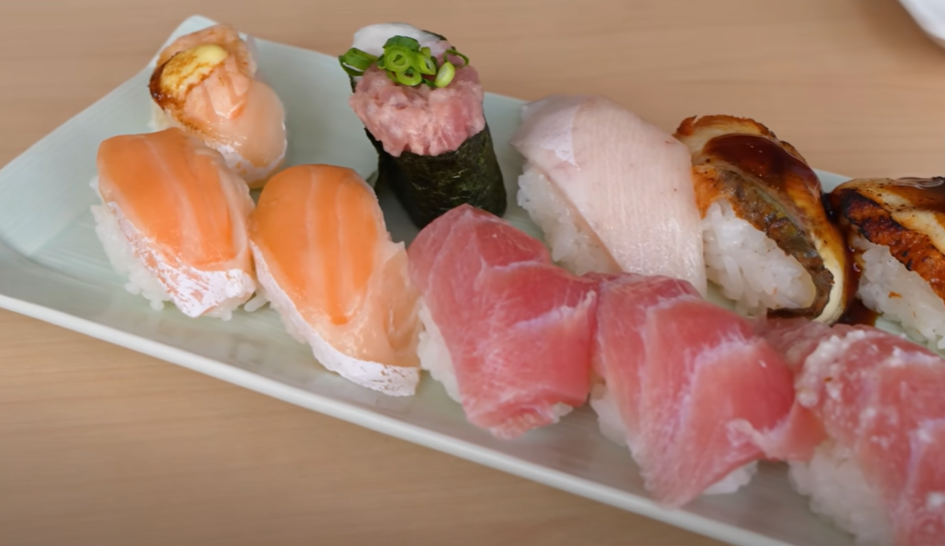
Sushi and Sashimi
Let’s start with the obvious. Sushi in Japan is a different world. Even the most basic kaiten-zushi (conveyor belt sushi) spot was better than most places I’ve tried outside Japan. I especially recommend trying sushi at Tsukiji Outer Market in Tokyo. The toro (fatty tuna) there melted in my mouth.
Tip: You don’t need to spend a fortune. Try standing sushi bars or supermarket sushi boxes in the evening. They’re fresh and budget-friendly.
Ramen (My Top Pick from Tokyo!)
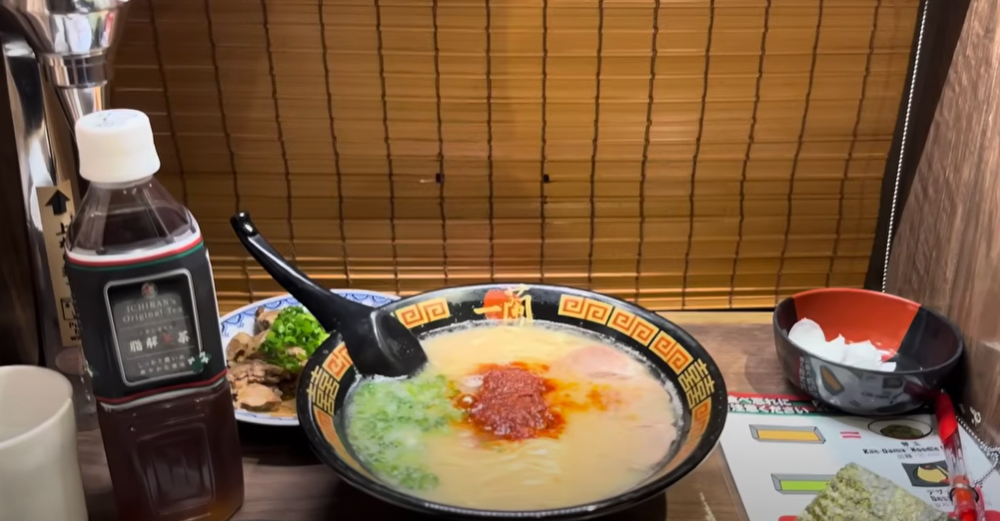
I still dream about the ramen I had in Tokyo. From rich Tonkotsu broth in Fukuoka to miso ramen in Hokkaido, every region has its own version. My favorite? A spicy miso ramen from a little shop in Shinjuku. I waited 30 minutes in line, and it was absolutely worth it.
Tip: Many ramen shops in Tokyo have vending machines outside. Insert money, press your choices, and give the ticket to the chef, easy and fun!
Okonomiyaki (Best Tried in Osaka)
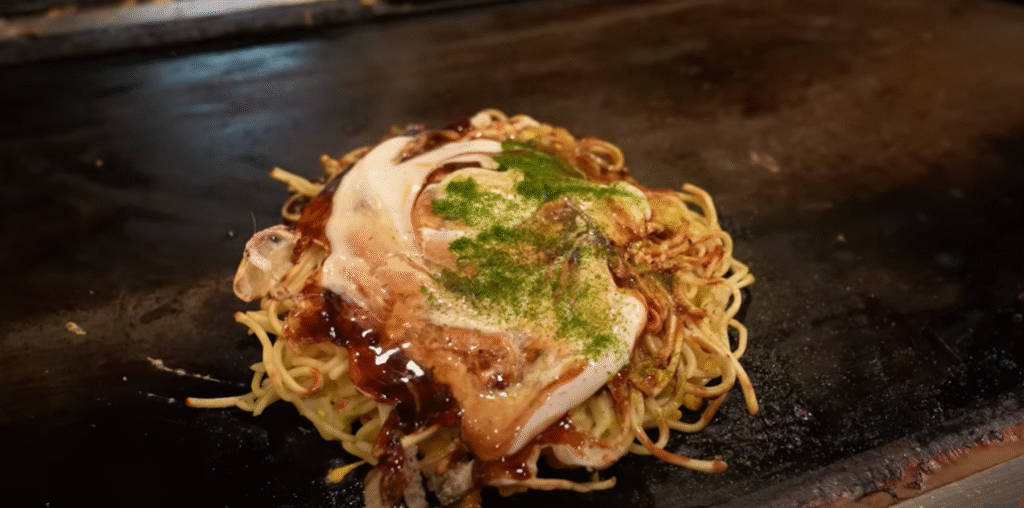
It’s often called “Japanese pizza,” but it’s so much more. I had my first okonomiyaki in Osaka, a savory pancake with cabbage, chicken, and topped with bonito flakes dancing in the heat. You cook it yourself at some restaurants, which adds to the experience.
Takoyaki
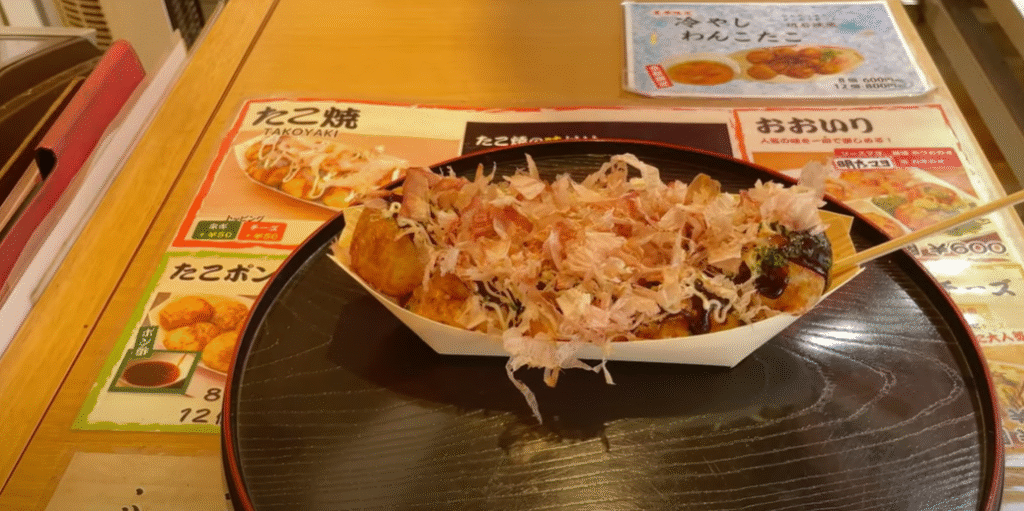
These golden balls filled with diced octopus are everywhere in Osaka. They’re hot, gooey, and topped with takoyaki sauce, mayo, and dried seaweed. I couldn’t stop at one plate!
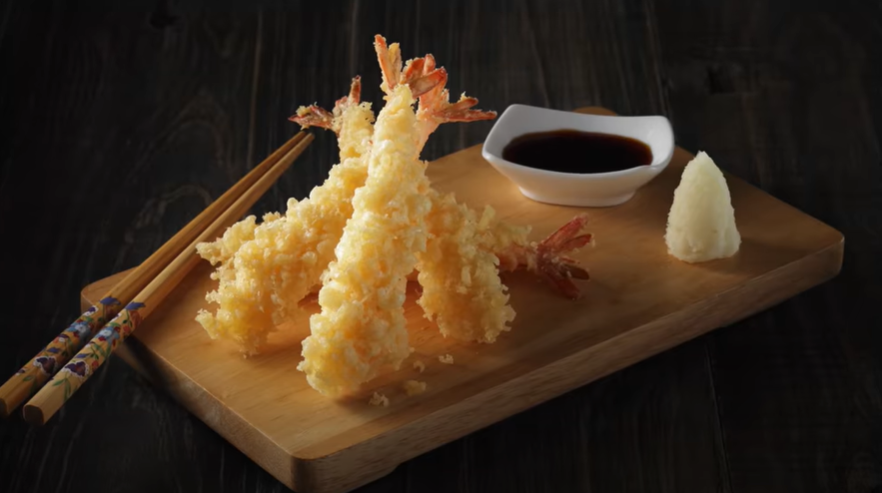
Tempura
Delicately battered and fried seafood and vegetables. I tried tempura in Kyoto as part of a set meal, and the balance of light crunch and flavor was amazing. Don’t forget to dip it in tentsuyu sauce with grated daikon.
Udon and Soba
Udon is thick and chewy; soba is thinner and made from buckwheat. I loved slurping hot udon in Hakone during chilly weather. In summer, cold soba with dipping sauce was super refreshing.
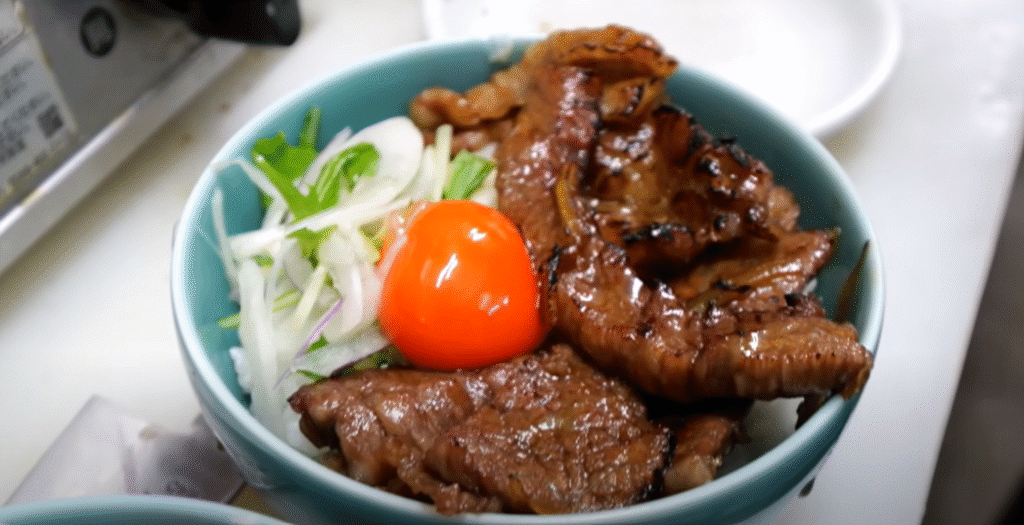
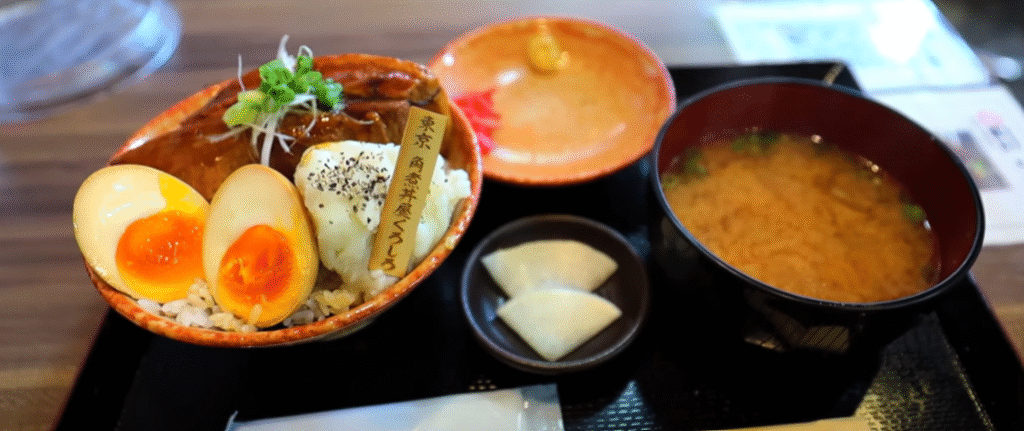
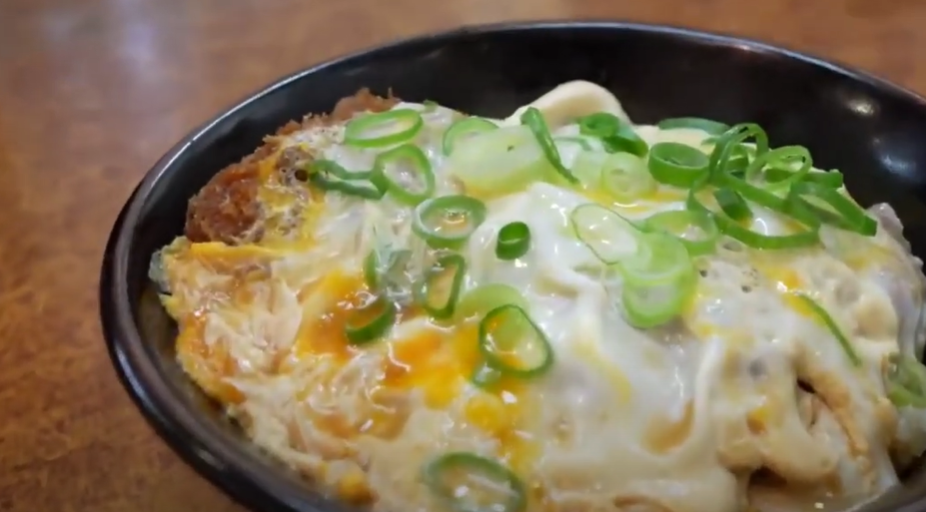
Donburi (Rice Bowls like Gyudon, Katsudon)
Quick, filling, and flavorful. I often grabbed gyudon (beef rice bowl) from Yoshinoya or Sukiya when I was on the go.
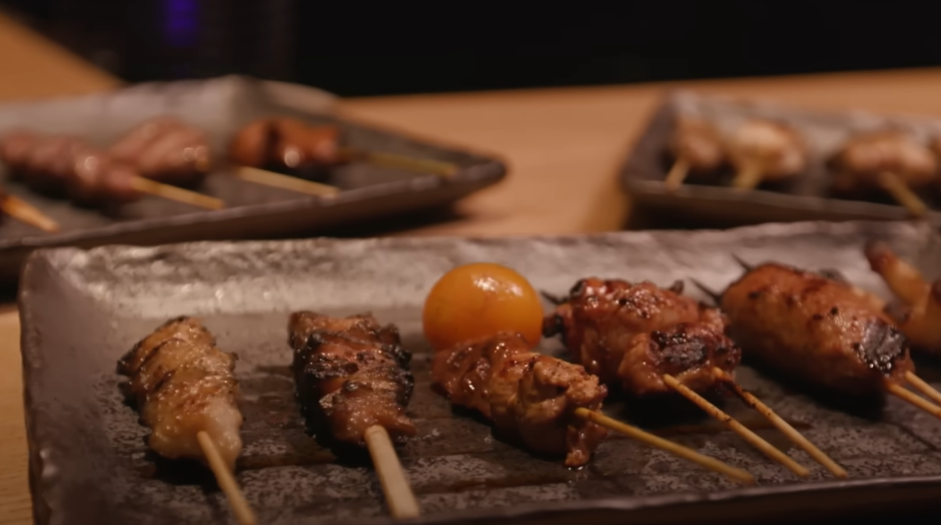
Yakitori
Grilled chicken skewers enjoyed at an izakaya (Japanese pub) are a fun way to eat like a local. I sat on a little wooden stool in a back alley of Tokyo, sipped sake, and savored perfectly seasoned skewers.
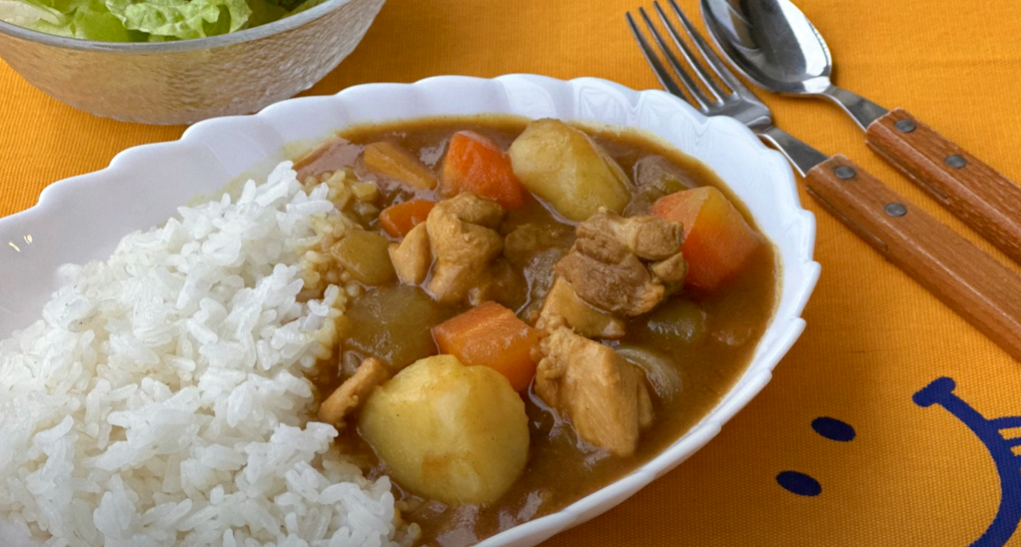
Japanese Curry
It’s not spicy like Indian curry, it’s sweet, thick, and comforting. I had an unforgettable katsu curry in Kyoto. Perfect for a rainy day.
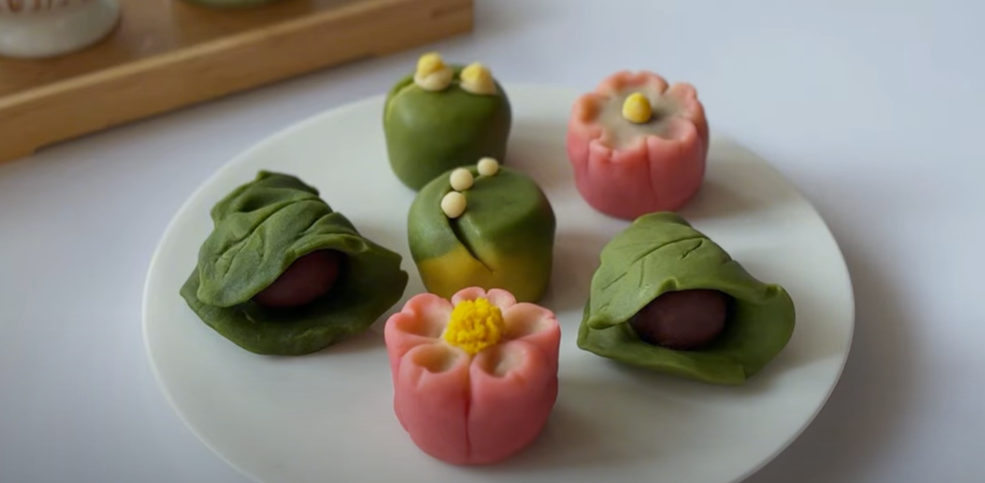
Matcha Sweets and Wagashi
If you love desserts, Japan will spoil you. From matcha ice cream to mochi and wagashi (traditional sweets), there’s always something sweet to try with your afternoon tea.
Japanese Street Food (like Dango, Taiyaki, Yakiimo)
Street food in Japan is exciting, delicious, and surprisingly organized. It’s not about chaotic crowds or overwhelming stalls, rather, it’s clean, respectful, and full of flavor. Whether you’re strolling through temple grounds or wandering vibrant shopping streets, street snacks are everywhere and offer a quick taste of Japan’s regional flavors.
One classic treat is dango, chewy rice flour dumplings served on skewers and often grilled over charcoal. They’re usually brushed with a sweet soy sauce glaze and found near shrines and traditional markets. I found my favorite in Nara near the deer park, warm and sticky in the best way. Then there’s taiyaki, the charming fish-shaped waffle filled with red bean paste, custard, chocolate, or even sweet potato. I grabbed one near Tokyo’s Senso-ji Temple, and the crispy edges with the gooey filling were the perfect mid-walk snack.
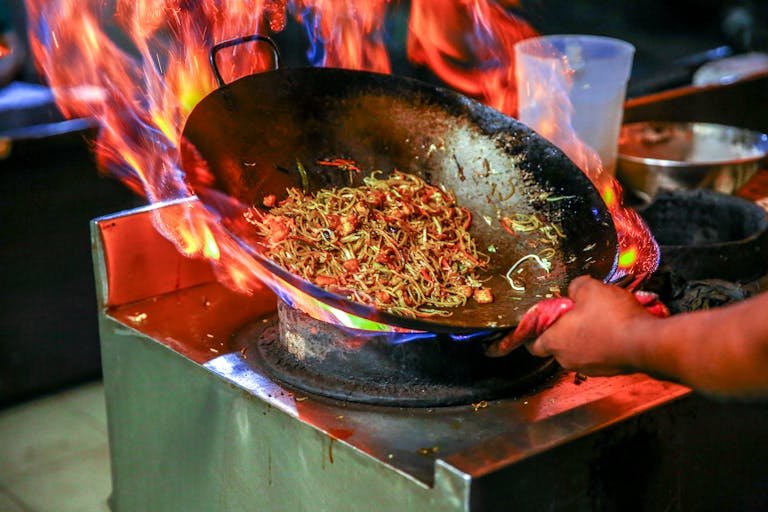
Another winter favorite is yakiimo, roasted Japanese sweet potato. You’ll often hear the nostalgic call of yakiimo trucks echoing down quiet streets in the colder months. They’re served steaming hot, naturally sweet, and incredibly satisfying. You’ll also find yakisoba (fried noodles) and karaage (fried chicken) at street festivals, and melonpan, a soft bun with a crisp cookie crust, is a must-try for bread lovers.
Many cities have their own favorites, like takoyaki in Osaka or menchi katsu (fried meat patties) in Tokyo’s Ameyoko market. It’s affordable, easy to eat on the go, and a great way to explore Japanese food.
Is Japan vegetarian or vegan friendly?
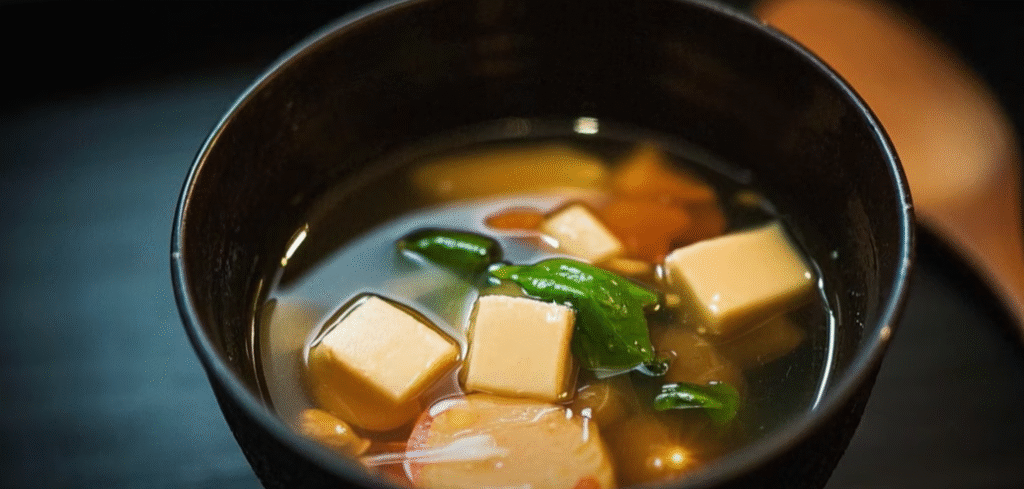
It’s a bit tricky, but definitely not impossible. Navigating Japan as a vegetarian or vegan can be challenging due to the common use of dashi (fish-based broth) in many traditional dishes, even those that appear meat-free. Items like miso soup, dipping sauces, and simmered vegetables often contain hidden animal products, so it’s important to ask questions or check ingredients carefully. English menus aren’t always detailed, and the concept of vegetarianism may differ from what many travelers are used to.
However, Japan does offer vegetarian and vegan options, especially in major cities. Shojin ryori, a type of Buddhist temple cuisine, is entirely plant-based and can be found near temples and in specialized restaurants. Additionally, more modern establishments and international cafes are now offering vegan ramen, tofu-based dishes, and meat substitutes. Using apps like HappyCow or learning a few key phrases in Japanese can help make dining easier and more enjoyable for plant-based travelers.
What’s a good breakfast in Japan?
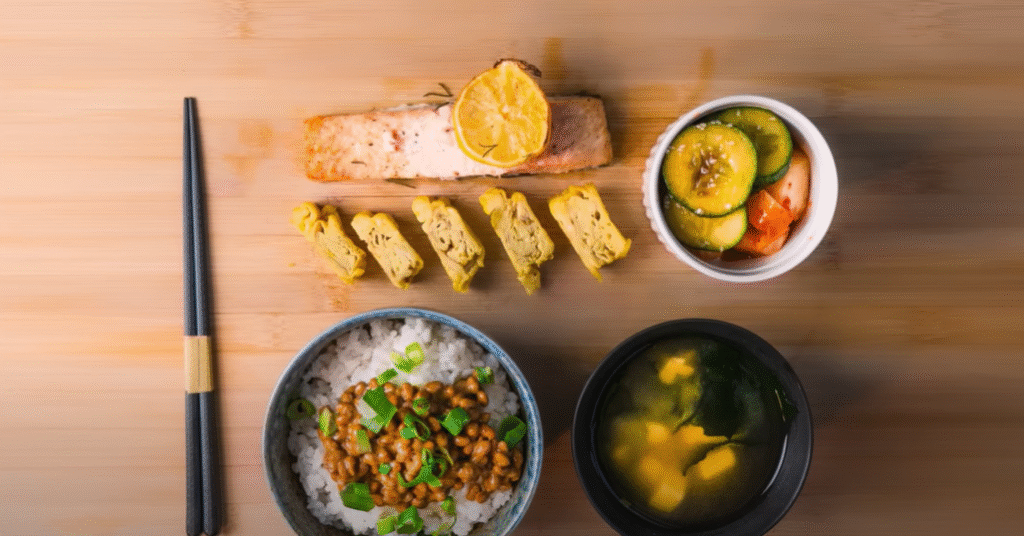
A traditional Japanese breakfast is a simple, nourishing meal designed to fuel the day. It typically includes steamed white rice, grilled fish, miso soup, and a side of pickled vegetables (like tsukemono). The combination of warm rice, savory fish, and umami-rich miso soup makes for a hearty start to the day. It’s not uncommon to see these breakfasts served at inns (ryokan), hotels, or even certain restaurants, offering an authentic Japanese experience right in the morning.
However, Japan also caters to those on the go or those seeking more contemporary breakfast options. Many bakeries (like Pan de Lión) and convenience stores (such as 7-Eleven or Lawson) offer quick, grab-and-go breakfast items.
Here are a few options to consider:
- Onigiri : These rice balls, typically wrapped in nori (seaweed), come with a variety of fillings like salted salmon, pickled plums, or tuna mayo. They’re easy to pick up at convenience stores and are ideal for a light, portable breakfast.
- Japanese Pancakes (Okonomiyaki-style or Soufflé Pancakes) : If you’re craving something sweeter, try soufflé pancakes, which are fluffy, cloud-like pancakes served with syrup, butter, or fruit. They are often enjoyed in cafes across the country, especially in trendy neighborhoods like Harajuku in Tokyo.
- Japanese Curry Rice : While not traditionally breakfast food, a hearty bowl of katsu curry (fried pork cutlet with curry sauce) or regular Japanese curry rice is a filling and comforting choice, especially in the colder months. Some restaurants serve curry rice as part of their breakfast menu.
- Tamago Sushi : For a lighter option, tamago sushi, a sweet, savory Japanese omelet (tamago) served atop vinegared rice, is a popular choice. You can find this dish at sushi counters, especially in train stations, making it a convenient choice when traveling.
- Sandwiches : A fusion of Western and Japanese flavors, Japanese sandwiches (like egg salad or tonkatsu sandwiches) can be found at nearly every convenience store. The bread tends to be soft and fluffy, and the fillings are uniquely tailored to Japanese taste, often light and fresh.
Whether you prefer a hearty, traditional start to the day or something quicker and lighter, Japan’s breakfast options offer a delightful variety of tastes and textures to suit any preference.
Estimated Daily Food Budget in Japan
The daily food budget in Japan can vary based on your eating habits, location, and whether you opt for street food, convenience store meals, or dine at restaurants. Here’s a rough breakdown:
- Budget Traveler: ¥1,500 – ¥3,000 ($10 – $20)
- If you’re sticking to convenience store meals, fast food, and street food, you can easily keep your daily food costs low. A quick lunch from a convenience store may cost ¥300 – ¥700 ($2 – $5), and a casual dinner or ramen meal might range between ¥800 – ¥1,500 ($5 – $10).
- Mid-Range Traveler: ¥3,000 – ¥6,000 ($20 – $40)
- If you choose to visit local izakayas, sushi bars, or dine at affordable restaurants, your daily food budget can be around ¥3,000 – ¥6,000. You can enjoy a variety of dishes, including a sushi meal or tempura set lunch.
- Luxury Traveler: ¥6,000 – ¥12,000+ ($40 – $80+)
- For a more luxurious dining experience, like kaiseki (traditional multi-course meal) or high-end sushi, your daily budget will be higher. Fine dining in upscale restaurants can exceed ¥10,000 ($70) per meal.
These estimates are for Japanese food alone. Prices in larger cities like Tokyo or Kyoto can be higher, especially in tourist-heavy areas, while smaller towns and local markets may offer more affordable options.
Budget tips for eating well in Japan:
- Try lunch sets—they’re cheaper than dinner
- Explore convenience stores (yes, they’re that good!)
- Look for standing sushi bars and local izakayas
Dining Tips and Etiquette for First-Time Visitors
Japanese dining isn’t just about food, it’s about respect, mindfulness, and small cultural rituals. As a visitor, following a few basic rules shows appreciation for the country and makes your dining experience smoother.
1. Use Chopsticks Respectfully
- Don’t stick chopsticks upright into rice. It resembles a funeral offering.
- Avoid pointing or passing food chopstick-to-chopstick (another funeral custom).
- Place them on the chopstick rest when not in use.
2. Slurping Is Good!
It’s totally acceptable (and encouraged) to slurp noodles like ramen or soba. It shows you’re enjoying the meal and enhances flavor.
3. Say “Itadakimasu” and “Gochisousama”
Say “Itadakimasu” (ee-ta-da-kee-mas) before eating—it means “I humbly receive.”
After finishing, say “Gochisousama deshita” (go-chee-so-sama de-shi-ta) to thank the cook or restaurant.
4. Don’t Tip
Tipping is not part of Japanese culture. In fact, it can be considered rude. Exceptional service is expected and included.
5. Bring Cash
Many smaller restaurants and food stalls accept only cash. Keep coins and yen bills on hand, especially outside Tokyo.
6. Quiet Conversations Are the Norm
Even in busy eateries, people tend to speak softly. It’s a good idea to keep your voice low and your phone on silent.
7. Queue Patiently
Whether it’s a famous ramen spot or a street vendor, lines are common. Don’t cut in or hover, just wait politely. It’s all part of the experience.
8. Eat Where You Buy
Walking and eating isn’t common unless you’re at a festival or food stall area. If you buy a snack, eat it near the vendor before moving on.
Must-visit food spots:
- Depachika (department store basements) : Fancy and diverse food stalls
- Konbini (7-Eleven, Lawson, FamilyMart) : Affordable and tasty snacks
- Markets like Nishiki (Kyoto) and Kuromon (Osaka) : Great for trying local specialties